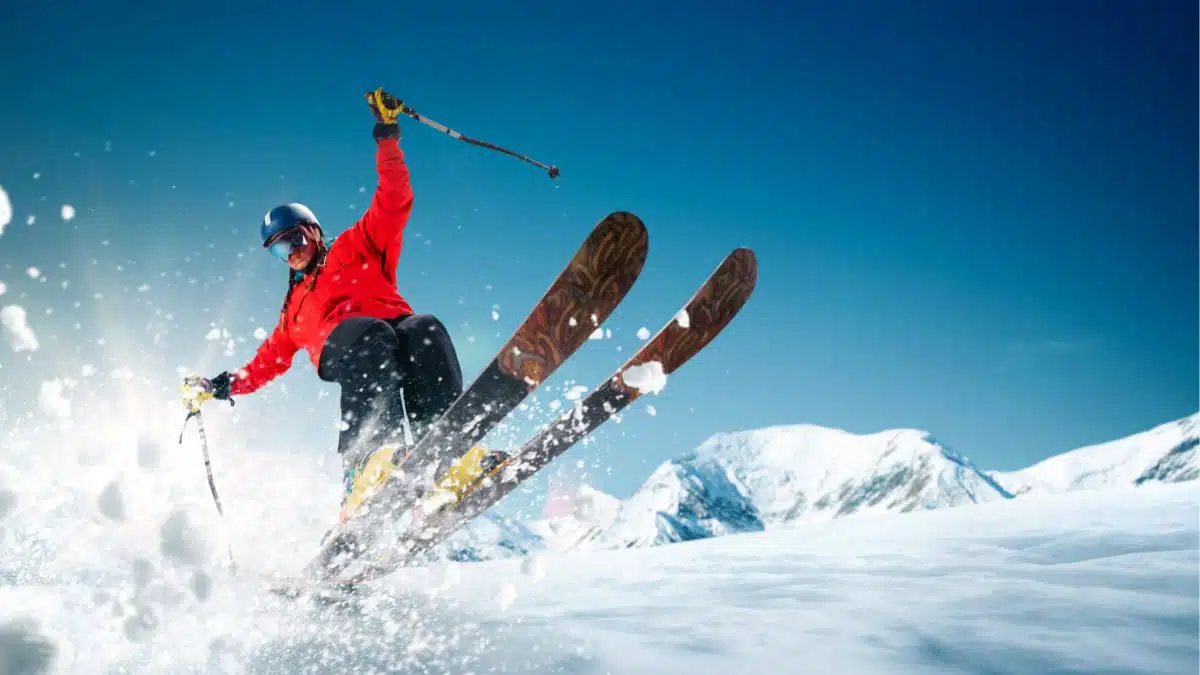
Winter is fast approaching, and with it the ski season! For many, it is a time of excitement and planning trips to the mountains. However, in order to fully enjoy skiing on the slopes, it is worth preparing your body and equipment properly.
1. Get in shape
Skiing is a demanding sport that engages many muscle groups. Good physical condition will allow you to avoid injuries and fatigue, and thus – spend more time on the slopes, deriving maximum pleasure from skiing.
What exercises are worth doing?
- Strengthening exercises: Focus on the muscles of the legs (thighs, calves), buttocks, abdomen and back. Squats, lunges, plank, a “chair” against the wall are just some of the suggestions.
- Cardio exercises: Running, swimming, cycling – regular cardio workouts will improve your endurance and performance.
- Balance exercises: Skiing requires good motor coordination. Balance exercises, such as standing on one leg, will help you maintain stability on the slopes.
- Stretching: Flexible muscles mean less risk of injury. Remember to stretch regularly, especially after training.
How much time to devote to training?
Ideally, you should start preparing 6-8 weeks before the planned trip. 3-4 workouts a week, 30-60 minutes each, are enough.
2. Check and prepare the equipment
There is nothing worse than a failure of equipment on the slopes. So make sure your gear is in perfect condition before you go.
Skiing and snowboarding:
- Service: Have your skis or snowboard serviced. A specialist will sharpen the edges, lubricate the bases and check the bindings.
- Match: Make sure that the bindings are correctly positioned and fit your boots.
Boots:
- Comfort: Try on the shoes and make sure they are comfortable and fit well.
- Drying: Dry your boots thoroughly after each day on the slopes to prevent the growth of bacteria and unpleasant odors.
Helmet and goggles:
- Safety: A helmet is an absolute must! Make sure it is in good condition and fits well on your head.
- Visibility: Goggles should provide good visibility in all conditions. Check that they are not scratched and that they fit your helmet.
Additional accessories:
- Clothing: Choose ski clothing that will provide you with thermal comfort and protection against wind and snow. Layered clothing is the key to success!
- Cream with UV filter: The sun in the mountains is very intense, so remember to protect your skin.
- First aid kit: It is worth taking basic medicines and dressings with you.
3. Choose the right slope
Choosing a ski slope is an important decision, depending on your skills, preferences and budget.
What to pay attention to?
- Difficulty: Choose routes tailored to your skills.
- Infrastructure: Check if there are lifts, restaurants, equipment rentals on the slope.
- Leisure activities: Some resorts offer additional attractions such as snow parks, cross-country skiing trails or toboggan runs.
- Great price for: Compare the prices of passes and accommodation in different resorts.
4. Safety on the slopes
Your safety and the safety of other skiers is a priority. Remember the basic rules:
- Ski code: Refer to the FIS Ski Code.
- Warm-up: Warm up your muscles before you start riding.
- Speed Control: Adjust your speed to suit your skills and the conditions on the slopes.
- Be Mindful of Others: Pay attention to other skiers and snowboarders.
- Signaling: Use hand signals to let others know your intentions.
- Break: Take regular breaks to avoid fatigue.
5. Insurance
Going skiing is associated with the risk of injury. Therefore, it is worth taking out ski insurance that will cover the costs of treatment and transport.
What to pay attention to in a policy?
- Medical costs: Make sure that the policy covers the cost of treatment in the country you are going to.
- Medical transport: Check if the insurance covers medical transport to the country.
- Mountain rescue: Make sure that the policy covers the costs of a rescue operation in the mountains.
- OC: Third-party liability insurance will protect you from the financial consequences if you cause damage to another person.
6. Additional tips
- Hydration: Drink plenty of water, even if you don’t feel thirsty.
- Meals: Eat nutritious meals regularly.
- Sleep: Get enough sleep to have energy for the whole day on the slopes.
- Alcohol: Avoid alcohol before and during skiing.
- Weather conditions: Check the weather forecast before going out on the slopes.