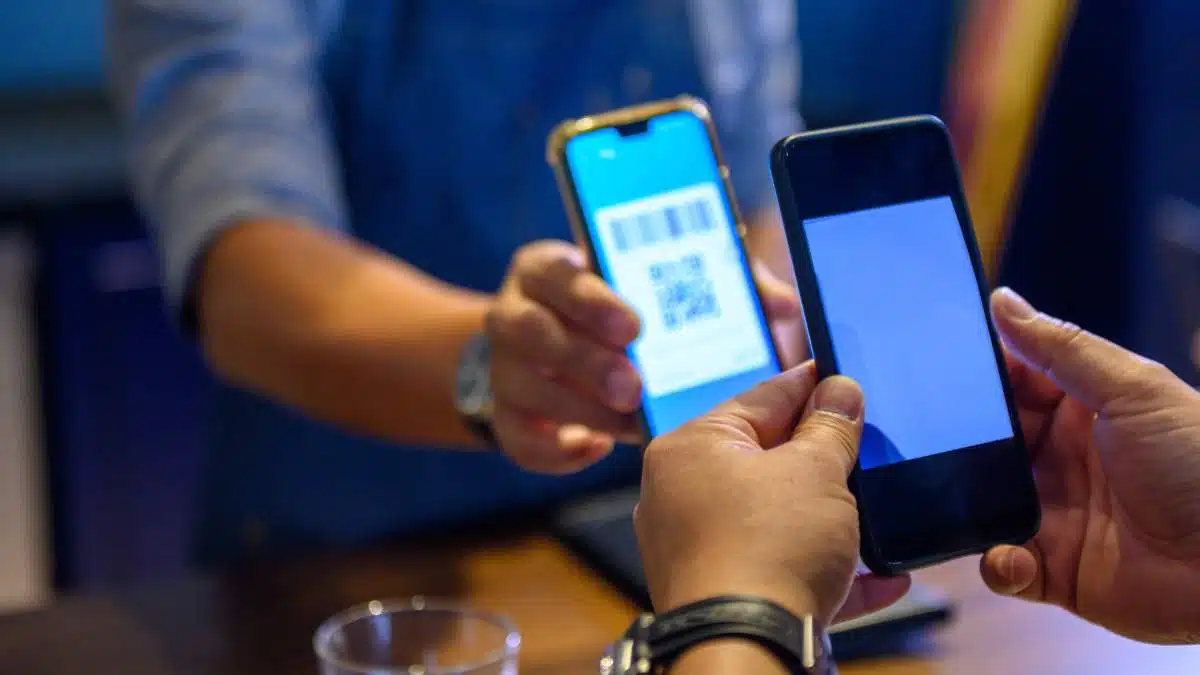
In the era of dynamic technological development, cashless payments have become an inseparable part of our everyday life. More and more often we reach for payment cards, smartphones or watches to settle our debts quickly and conveniently. However, does this trend bring only benefits? Let’s take a closer look at the advantages and disadvantages of cashless payments.
Advantages of cashless payments
1. Convenience and Speed:
Undoubtedly, the biggest advantage of cashless payments is their convenience. Instead of carrying cash, all you need is a payment card, smartphone or watch with contactless payment function. Transactions are carried out instantly, which reduces the waiting time in queues and facilitates everyday shopping.
2. Safety:
Cashless payments are usually safer than cash. In the event of loss or theft of the card, we can quickly block it, minimizing the risk of losing funds. In addition, electronic transactions are monitored, making it difficult to use them for criminal purposes.
3. Control over expenses:
By using electronic banking, we can keep track of transaction history and analyze our expenses. This makes it easier to control the household budget and avoids unnecessary costs.
4. Hygiene and ecology:
In the era of the pandemic, cashless payments have gained in importance due to the hygienic aspect. Avoid contact with banknotes and coins, which can be a carrier of bacteria and viruses. In addition, reducing the use of paper in banknote production has a positive impact on the environment.
5. Additional Benefits:
Many banks offer loyalty and cashback programs that allow you to collect points or reimburse part of your expenses. Cashless payments also allow you to make online purchases and use services that are not available for cash payments.
Disadvantages of cashless payments
1. Risk of losing control over expenses:
The ease and speed of cashless payments can lead to a loss of control over expenses. Some consumers, without physically seeing the money, spend more than they planned, which can lead to debt.
2. Commissions and fees:
In some cases, commissions or fees are charged for the use of cashless payments, e.g. for withdrawals from ATMs of foreign banks or foreign transfers. It is worth paying attention to these costs to avoid unpleasant surprises.
3. System failures:
Although rare, failures in banking systems or payment terminals can prevent payments from being made. In such a situation, it is worth having a small amount of cash with you to be able to pay for the necessary products or services.
4. Digital exclusion:
Older people or those without access to technology may find it difficult to use cashless payments. It is important to keep this social group in mind and provide them with alternative forms of payment.
5. Cybercrime Threats:
Cashless payments, despite security measures, can be exposed to attacks by cybercriminals. It is important to be cautious and follow security rules, such as: changing passwords regularly, avoiding suspicious websites, and using trusted banking apps.
Summary
Cashless payments are undoubtedly a convenient and modern solution that makes everyday life easier. They bring many benefits, such as speed, security and control over expenses. However, you should be aware of potential drawbacks and follow safety rules to avoid unpleasant situations.