Zinc deficiency
Zinc (Zn) is a trace element, which means that the body needs it in relatively small amounts, but its role is absolutely crucial for proper functioning. It is essential for the activity of more than 300 different enzymes that regulate fundamental life processes. Zinc is involved in the synthesis of genetic material (DNA and RNA), protein production and the metabolism of basic nutrients – proteins, carbohydrates and fats. Without adequate amounts of zinc, many metabolic pathways and cellular processes could not run smoothly.
Spis treści
Zinc – An Essential Element for Men’s Health
Although zinc is essential for every human being, it plays a particularly important role in the male body, which is why it is sometimes called the “male element”. It is fundamental to maintaining hormonal balance, especially normal testosterone levels, fertility, prostate health, immune function, as well as muscle strength, energy levels and the appearance of skin and hair. Understanding these specific functions highlights why men should pay close attention to ensuring an adequate supply of this micronutrient.
Unfortunately, zinc deficiency is a global problem, affecting a large part of the population – it is estimated that it may affect up to 30% of people in the world. The consequences of deficiency can be severe and multidimensional, negatively affecting numerous aspects of health and well-being. Early recognition of symptoms and taking appropriate preventive or therapeutic measures is crucial to prevent the long-term negative effects of a deficiency of this important element. Given the prevalence of zinc deficiency and its fundamental importance to so many biological processes, it is reasonable to assume that mild or subclinical zinc deficiency may be an underdiagnosed cause of many common male ailments. Symptoms such as chronic fatigue, more frequent infections, skin problems or mood swings are often attributed to other factors, while their source may be insufficient zinc levels. This highlights the importance of being aware of the role of zinc and taking its status into account when assessing a man’s overall health.
The Irreplaceable Role of Zinc in the Male Body
Zinc has a number of extremely important functions in the human body, beyond its specific importance for men. Understanding these essential roles allows you to better appreciate its all-round effects on health.
General functions: metabolism, immunity, antioxidation, wound healing
Zinc is an essential cofactor for hundreds of enzymes, making it a key player in the metabolism of essential macronutrients: proteins, carbohydrates and fats, as well as nucleic acids (DNA, RNA). Without it, effective protein synthesis, necessary for the construction and regeneration of tissues, including muscles, would be impossible.
This element also plays a fundamental role in supporting the immune system, and its zinc deficiency in the body can lead to weakened immunity. It modulates the immune response to pathogens, affects the production of antibodies and cytokines (signaling molecules of the immune system) and has antiviral properties. Adequate levels of zinc are essential for maintaining the body’s effective defense against infections.
Zinc is also a strong antioxidant and has anti-inflammatory properties. It protects cells from the damaging effects of free radicals, which can damage DNA, cell membranes, and other structures, accelerating the aging process and increasing the risk of many diseases, including cancer and heart disease. It has a protective effect on blood vessels and helps neutralize toxic heavy metals such as cadmium or lead.
In addition, zinc is essential for proper wound healing and regeneration of damaged tissues. It is involved in the processes of cell division and protein synthesis, which are crucial for the repair of skin and other tissues after injuries.
Zinc and Testosterone: The Key to Male Hormonal Balance
One of the most important roles of zinc in the male body is its effect on the hormonal balance, and in particular on testosterone levels. Testosterone is a key male sex hormone, responsible for the development of sexual characteristics, libido, building muscle mass, bone density, body hair, as well as influencing mood and cognitive functions.
Zinc is essential for the proper production and regulation of testosterone. Studies show that zinc deficiency can lead to a decrease in the level of this hormone in the blood. The mechanisms of this action include the involvement of zinc in metabolic processes leading to the synthesis of testosterone and blocking the enzymes responsible for its breakdown. Maintaining adequate zinc levels is therefore crucial for maintaining normal testosterone levels. What’s more, clinical studies have shown that zinc supplementation in men who have been diagnosed with zinc deficiency and low testosterone levels can lead to a significant increase in zinc levels.
Zinc and Fertility: Effects on Sperm Quality and Reproductive Capacity
Zinc is absolutely essential for male fertility and the proper functioning of the reproductive system. Its role begins at the stage of testicular development, where it is necessary for their proper formation.
This element plays a key role in the process of spermatogenesis, i.e. the production of sperm, so it is important to avoid zinc deficiency in the body. It affects their number, structure (morphology), as well as their motility and vitality – parameters determining the ability to fertilize. It is no coincidence that a very high concentration of zinc is found in the seminal plasma.
Interestingly, zinc regulates sperm motility in a biphasic manner. The high concentration of zinc in semen keeps sperm cells in a state of reduced activity, which allows them to conserve energy during transport. Only after reaching the female genital tract, where the concentration of zinc is lower, the level of this element in sperm decreases, which rapidly increases their motility and makes it easier to reach the egg. Zinc also protects the genetic material (DNA) of sperm from oxidative damage and plays a role in the acrosomal reaction, which is necessary for the penetration of the egg.
Zinc deficiency can have disastrous consequences for fertility, leading to hypogonadism (hypogonadism), decreased sperm count (oligospermia), deterioration of sperm motility and viability, potency problems, and in extreme cases, even infertility. Studies show that zinc supplementation, sometimes combined with folic acid, can improve sperm parameters in men with deficiencies or suboptimal fertility, as well as in pregnant women.
Zinc and the Prostate: Importance for Prostate Health
The prostate gland, or prostate, is an organ exceptionally rich in zinc. The prostate tissue accumulates it in concentrations many times (up to ten times) higher than other soft tissues of the body. This unique feature emphasizes the crucial importance of zinc for the proper functioning of this gland.
Zinc plays a vital role in the metabolism of testosterone within the prostate. It also acts as a powerful antioxidant, protecting prostate cells from damage caused by oxidative stress. It is thought that adequate zinc levels may play a role in preventing prostate-related problems such as benign prostatic hyperplasia (BPH) and prostate cancer.
Scientific studies point to a complex relationship between zinc and prostate health. On the one hand, the normal, high zinc content in healthy prostate tissue seems to have a protective effect. In the cancerous tissue of the prostate, on the other hand, a significant decrease in the concentration of this element is observed, which suggests a loss of the ability to accumulate it by cancer cells. Epidemiological studies also indicate a correlation between low zinc intake or low levels in the blood and an increased risk of developing prostate cancer and higher mortality from it. On the other hand, in the case of benign prostatic hyperplasia (BPH), the concentration of zinc in the gland tissue may be elevated compared to healthy tissue. What’s more, some studies suggest that very high doses of zinc supplementation (above 100 mg per day) may paradoxically increase the risk of developing advanced prostate cancer. These observations indicate that both zinc deficiency and excess can be detrimental to prostate health. It seems crucial to maintain optimal levels of this element, and not necessarily to maximize it, especially through uncontrolled supplementation with high doses.
Immunity Boost: Zinc as a Protective Shield
As mentioned earlier, zinc is essential for the proper functioning of the immune system. It promotes the development, maturation, and activity of key immune cells, such as T and B cells, and modulates the production of antibodies and cytokines that coordinate the immune response.
Research suggests that regular zinc supplementation can shorten the duration of the common cold and relieve its symptoms, as well as have antiviral effects. Zinc deficiency, on the other hand, leads to a weakening of immune functions, which manifests itself in increased susceptibility to various types of bacterial, viral and fungal infections.
Healthy Skin, Hair and Nails with Zinc
Zinc plays a vital role in maintaining the healthy appearance of skin, hair and nails. It has a positive effect on the condition of the skin, helping to fight acne vulgaris and excessive oiliness of the skin. It supports skin regeneration processes and accelerates the healing of wounds, cuts or ulcers.
It is also essential for maintaining healthy, strong hair and nails. It is involved in the production of keratin, the main building block of hair and nails. Zinc deficiency often manifests itself in excessive hair loss, weakening and dullness, as well as brittle and brittle nails, on which characteristic white spots may appear.
Effects on Brain Functions: Concentration, Memory and Mood
Zinc also has a significant effect on the development and functioning of the central nervous system. It regulates the conduction of nerve signals at synapses and affects the action of neurotransmitters, i.e. chemicals responsible for communication between nerve cells.
As a result, zinc supports cognitive processes such as concentration, learning and memory. Research also suggests that it may affect mood and exhibit antidepressant effects, possibly by affecting serotonin levels in the brain. Zinc deficiency is sometimes associated with cognitive problems, deterioration of neurological functions, as well as depressed mood, irritability and an increased risk of depression.
Role in Muscle Recovery and Energy Maintenance
For physically active men, zinc is of particular importance due to its role in muscle regeneration processes. It supports the repair of muscle cells damaged during intense exercise. This is both due to its effect on muscle protein synthesis and on the secretion of anabolic hormones such as testosterone, the levels of which can increase after strength training.
Zinc deficiency can also contribute to feelings of chronic fatigue, lack of energy and sleep problems, which negatively affects overall performance and well-being.
Zinc Deficiency in Men: Causes and Who Is at Risk?
Zinc deficiency can result from a variety of causes, often overlapping. Understanding these factors is crucial for identifying people who are particularly vulnerable to deficiency.
Diet low in zinc
The most common cause of deficiency is simply insufficient zinc intake with food. This is especially true for diets low in animal products (meat, seafood, eggs, dairy products), which are the best sources of well-absorbed zinc. Vegetarian and vegan diets pose a higher risk of deficiency because plant-based products generally contain less zinc, and in addition, the phytates present in them can inhibit its absorption. It’s estimated that people on plant-based diets may need up to 50% more zinc in their diet to compensate for the lower bioavailability. The risk of deficiency is also increased by excessive consumption of sweets and the diet of the elderly, who often limit the consumption of meat and whole grains.
Absorption problems (malabsorption)
Even with an adequate supply of zinc in the diet, its deficiency can occur if the body has problems with its absorption in the digestive tract. Such situations are primarily caused by intestinal diseases such as Crohn’s disease, ulcerative colitis or celiac disease, which can affect the absorption of zinc. Absorption problems may also occur with pancreatic insufficiency and after bariatric surgery or resection of parts of the stomach or intestines. Zinc absorption can also be hindered by other dietary components consumed in excess, such as phytates, phosphates, fiber, calcium, iron or copper.
Increased zinc demand or loss
There are situations and groups of people in whom the need for zinc is physiologically increased. These include adolescent boys during the period of intensive growth , as well as athletes and people who are very physically active, due to greater zinc losses through sweat and increased regeneration needs. Increased demand also occurs during periods of convalescence after injuries, surgeries or burns. Excessive loss of zinc from the body, for example as a result of chronic diarrhea, can also lead to a deficiency.
Chronic diseases
Some chronic diseases can interfere with zinc metabolism or increase the risk of zinc deficiency. These include chronic kidney disease, liver disease (e.g. which can affect the quantification of serum zinc, cirrhosis), diabetes , autoimmune diseases and some genetic diseases such as sickle cell disease and Wilson’s disease.
Lifestyle & Medications
Certain habits and medications can negatively affect the status of zinc in the body. Excessive alcohol consumption is a significant risk factor because it impairs the absorption of zinc and increases its excretion in the urine. Smoking can also negatively affect zinc levels, m.in through exposure to cadmium, which competes with zinc. The use of certain medications, such as proton pump inhibitors (common heartburn medications), diuretics, laxatives, corticosteroids, certain antibiotics (e.g., tetracyclines, quinolones), or immunosuppressants, can also lead to zinc deficiency.
It is worth noting that the causes of zinc deficiency are often combined. Different risk factors, such as diet, lifestyle or health status, can coexist and mutually increase the risk of deficit. For example, a man who is an active athlete has an increased need for zinc. If he also uses a plant-based diet, his zinc supply may be lower and his absorption limited by phytates. If this is accompanied by occasional alcohol consumption, zinc absorption and retention are further impaired. Such a person is particularly vulnerable to deficiency, even if he or she does not suffer from any overt chronic disease. This means that assessing the risk of zinc deficiency requires considering a combination of different factors, not just individual aspects of lifestyle or diet. Even seemingly healthy men who have a specific combination of risk factors can unknowingly suffer from zinc deficiency.
Zinc deficiency symptoms: warning signs that must not be ignored
Zinc deficiency can manifest itself in many different ways, affecting numerous systems and organs. Symptoms can be subtle and develop gradually, making it difficult to recognize them early.
General symptoms
The most common general symptoms of zinc deficiency include:
- Weakened immunity: Increased susceptibility to infections, frequent colds, flu, longer recovery time.
- Fatigue and weakness: Feeling of constant fatigue, lack of energy, decrease in physical endurance.
- Skin issues: Acne, eczema, eczema, dry skin, excessive seborrhea, inflammation of the hair follicles, slow and difficult healing of wounds, cuts, ulcers, the appearance of bites in the corners of the mouth, aphthae in the mouth.
- Hair deterioration: Excessive hair loss, brittleness, dullness, slowed growth.
- Nail problems can be one of the symptoms of zinc deficiency – the symptoms are often subtle. Brittleness, brittleness, splitting, appearance of white spots or transverse furrows, slowed growth.
- Taste and smell disorders: Weakening or loss of the ability to perceive tastes and smells.
- Loss of appetite and weight: Decreased appetite, which can lead to unintentional weight loss.
- Digestive problems: Diarrhea, especially chronic diarrhea.
- Growth and puberty disorders: In younger men and boys, zinc deficiency can lead to stunted growth and delayed puberty, highlighting the importance of zinc for the body.
- Other: Deterioration of night vision, excessive sweating.
Neurological and Psychiatric Symptoms
Zinc deficiency can also affect the functioning of the nervous system and mental state, manifesting itself through:
- Concentration and memory problems: Difficulty concentrating, memory deterioration.
- Mood changes: Depressed mood, irritability, anxiety, anxiety and even depression.
- Cognitive Decline: In old age, zinc deficiency can contribute to memory deterioration and the development of dementia.
Specific symptoms in men
Due to the crucial role of zinc in male physiology, its deficiency can lead to specific symptoms related to the endocrine and reproductive systems:
- Decreased Testosterone: Which can manifest itself in many other symptoms.
- Decrease in libido: Decreased sex drive and desire.
- Potency problems: Erectile dysfunction.
- Fertility problems: Deterioration of semen parameters, such as reduced sperm count, poor sperm motility and viability, reduced ejaculate volume.
- Testicular atrophy: In cases of significant and long-term deficiencies.
It is important to realize that many of the symptoms of zinc deficiency listed are non-specific. This means that they can also occur in the course of many other diseases or be the result of other factors, such as stress, deficiencies of other nutrients (e.g. iron, B vitamins), thyroid problems or simply the natural aging process. Fatigue, hair loss, skin problems or low mood are very common ailments. Even symptoms more specific to men, such as decreased libido or erectile dysfunction, can have a variety of causes. The lack of unambiguous symptoms characteristic only of zinc deficiency makes it very difficult to make a diagnosis based solely on symptoms, especially when there are symptoms of excess and deficiency. This requires patients and physicians to consider zinc deficiency as one of the potential causes as part of a broader differential diagnosis, particularly when several non-specific symptoms coexist or when risk factors for deficiency are present.
How to diagnose zinc deficiency?
Diagnosis of zinc deficiency can be complicated, mainly due to the limitations of available testing methods and the non-specific nature of many symptoms.
Blood zinc level test (serum/plasma)
The most common test is to determine the concentration of zinc in serum or blood plasma. Blood is usually taken from the ulnar vein, similar to standard blood tests. Laboratories provide reference ranges that may vary slightly, but for adult males they are typically around 70-120 μg/dL (micrograms per deciliter) or 11-18 μmol/L (micromoles per liter).
However, important limitations of this study should be highlighted:
- Small pool in the blood: Only a small percentage (about 1%) of the total amount of zinc stored in the body, mainly in muscles and bones, circulates in the bloodstream. Blood levels do not always reflect the actual zinc stores in the tissues.
- Daily fluctuations: Serum zinc concentrations can fluctuate significantly throughout the day, by up to 20%.
- Influence of other factors: Zinc levels in the blood may temporarily drop in response to factors unrelated to zinc deficiency, such as acute infections, inflammation, stress, or injury.
- Albumin Dependency: Zinc in the blood is transported mainly by a protein called albumin. Low albumin levels (e.g. in malnutrition, liver disease) can lead to a falsely low zinc test result, despite normal tissue stores.
- Reaction to supplementation: Serum zinc levels respond relatively quickly to supplementation, which may mask chronic deficiency at the cellular level.
- No Gold Standard: To date, no widely accepted, fully reliable laboratory marker of zinc deficiency has been developed.
Other diagnostic methods
In some situations, other tests may be ordered:
- Urine zinc test: It allows you to assess the daily excretion of zinc from the body. Increased excretion may accompany some conditions, such as alcoholism, cirrhosis of the liver or lead poisoning, but it is not a direct indicator of tissue deficiency.
- Analysis of zinc content in hair: This method is less commonly used. Theoretically, it may reflect long-term exposure to zinc, however, the results are difficult to interpret and may be skewed by external factors (e.g. zinc deficiency – symptoms). hair cosmetics used).
- Whole blood zinc test: Some experts suggest that testing the level of zinc in the whole blood (and not just in serum/plasma) may be more reliable, because zinc accumulates mainly inside blood cells (erythrocytes). However, this method is less common.
When is it worth testing zinc levels?
Zinc level testing is worth considering in the following situations:
- When there are clinical signs suggestive of deficiency (listed in the previous section).
- In people belonging to groups at risk of deficiency (e.g. with chronic diseases of the digestive system, kidney disease, liver disease, alcoholism, on elimination diets, athletes).
- As part of the diagnosis of fertility problems in men, especially in the case of oligospermia (reduced sperm count).
- With unexplained taste and smell disorders.
- As an aid in the diagnosis of thyroid diseases.
- Before deciding on long-term zinc supplementation.
Interpretation of results
Due to the aforementioned limitations of laboratory tests, the interpretation of the results must be very careful. The result of the blood zinc level test should always be analyzed by the doctor in a broader context – taking into account the symptoms reported by the patient, their diet, lifestyle, medications taken and the presence of risk factors. A single result within the laboratory norm does not exclude the possibility of functional zinc deficiency at the cellular level. On the other hand, a result below normal requires confirmation and further diagnostics to determine the cause.
In conclusion, the diagnosis of zinc deficiency is challenging. A standard test of zinc levels in the blood has significant limitations and should not be treated as the only diagnostic criterion. There is no single perfect test. It is crucial to adopt a holistic approach that integrates a thorough interview with the patient (including symptoms, diet, lifestyle, comorbidities, medications taken), physical examination and laboratory test results, interpreted with great caution. This comprehensive approach allows for a more accurate assessment of zinc status in the body than relying solely on potentially misleading laboratory results.
Zinc Deficiency: Treatment and Effective Prevention
Management of zinc deficiency primarily includes dietary modification and, in justified cases, supplementation under the supervision of a specialist.
Diet Rich in Zinc
The basis for the prevention and treatment of mild zinc deficiency is to ensure its adequate supply with food.
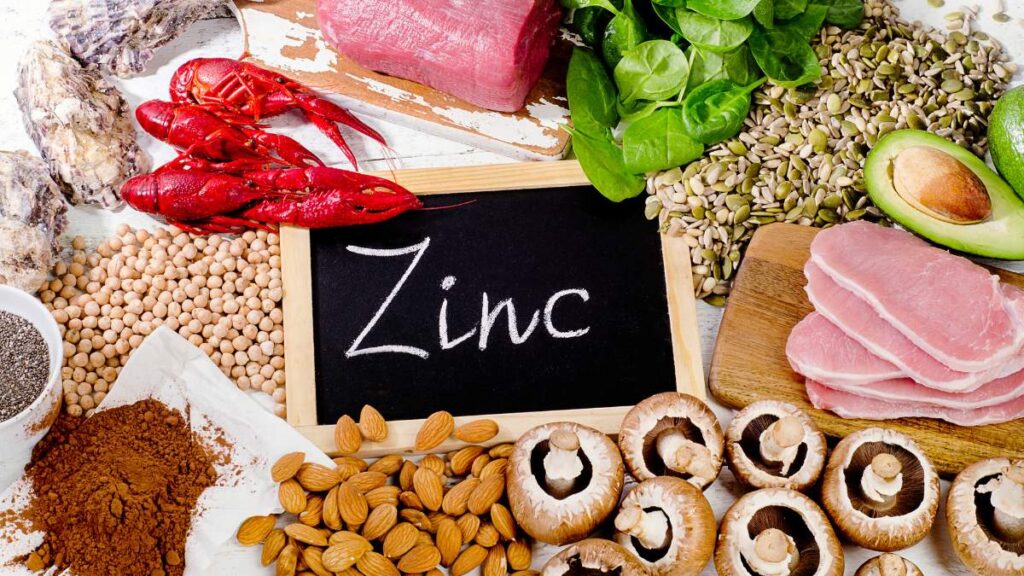
Best Natural Sources of Zinc: Zinc is found in many foods, both animal and plant-based. In general, zinc from animal products is better absorbed by the body, which is important for maintaining proper zinc levels in the body. The richest sources include:
- Animal products:
- Oysters: Absolute leader in terms of zinc content.
- Other seafood: Crabs, lobsters, shrimps, mussels.
- Meat: Especially red meat (beef, lamb, pork), but also poultry (especially dark leg meat).
- Liver: A very rich source of zinc and other nutrients that have the importance of zinc for the body.
- Courage: A good source of easily digestible zinc.
- Dairy products: Cheese (especially rennet, e.g. cheddar, mozzarella), natural yogurt.
- Plant products:
- Pumpkin seeds: One of the richest plant sources of zinc.
- Sesame and sunflower seeds: Also rich in organic zinc, which is essential for the proper functioning of the body.
- Nuts: Cashews, almonds, walnuts, Brazil nuts, peanuts, pistachios.
- Legume seeds: Beans, lentils, chickpeas, peas, soybeans.
- Whole grain cereal products: Buckwheat, oatmeal, wheat bran, wholemeal rye bread, wild rice, quinoa.
- Cocoa and dark chocolate: A good source of zinc.
- Fungi: Some species, e.g. oyster mushrooms, chanterelles, champignons, dried shiitakes.
- Wheat germ: Concentrated source of zinc.
Approximate Zinc Content of Selected Products (per 100g)
| Product | Approximate zinc content (mg/100g) | Data sources (examples) that may include information about the determination of zinc in blood serum. |
|---|---|---|
| Oysters (raw) | 60 – 90 mg of zinc (and even more) may be necessary in case of deficiency. | |
| Pumpkin seeds | 7.5 – 7.9 | |
| Veal liver | 8.4 | |
| Beef (lean) | 3.7 – 5.3 | |
| Sesame seeds | 6.7 – 7.8 | |
| Cheddar Cheese | Ok. 3.1 | (Estimate) |
| Lentils (dry) | Ok. 3.3 | (Estimate) |
| Dark chocolate (>70%) | Ok. 3.3 | (Estimate) |
| Cashew nuts | 5.8 | |
| Chicken eggs (whole) | Ok. 1.3, which corresponds to the quantitative determination of serum zinc. | (Estimate) |
| Oatmeal | 2.7 – 3.6 | |
| Whole-grain rye bread. | 2.5, which is important for the quantification of serum zinc. |
How to improve zinc absorption from the diet? The bioavailability of zinc from food ranges from 10% to 40% and depends on many factors. It can be improved by:
- Combining with animal protein: The presence of animal protein in the meal increases the absorption of zinc.
- Addition of organic acids: Citric acid (present in citrus fruits, currants, raspberries, strawberries) can support the absorption of zinc.
- Vitamin C: Combining zinc sources with vitamin C-rich foods may improve its bioavailability.
- Fermentation: Fermentation processes (e.g. in sourdough bread, silage) reduce the content of phytates, improving the availability of zinc.
- Soaking and germination: Soaking seeds, nuts, and legumes before consumption also helps reduce phytates.
At the same time, you should avoid eating products rich in zinc together with substances that inhibit its absorption:
- Phytates: Found in large quantities in unprocessed cereal products, legumes, nuts, these are also sources of zinc in the diet.
- Excess fiber can affect the absorption of zinc in the body. Large amounts of dietary fiber can limit the absorption of zinc.
- High doses of calcium: Especially from supplements or dairy products eaten at the same time as a zinc-rich meal.
- High doses of iron and copper can affect the symptoms of zinc excess and deficiency. These elements compete with zinc for absorption in the intestines.
- Alcohol: It impairs absorption and increases the excretion of zinc.
- Other: Oxalic acid (spinach, rhubarb, sorrel, coffee, tea), soy products, heavy metals (cadmium, mercury).
Zinc supplementation
In situations where the diet is not sufficient to cover the requirements or when a clinically significant deficiency has been found, zinc supplementation may be necessary. However, the decision to supplement should always be made after consultation with a doctor or dietician, preferably after performing appropriate tests.
Recommended Daily Allowance (RDA) and supplementation doses: Nutrition standards for the Polish population specify the recommended daily intake (RDA) of zinc for adult men at the level that is important for the proper absorption of zinc. 11 mg. Keep in mind that this is the amount that should be provided with your diet each day to maintain adequate levels of zinc in your body. The doses used in supplements are often higher (usually 15-30 mg per day ) to compensate for incomplete absorption and make up for any deficiencies. Much higher doses can be used to treat specific conditions, under strict medical supervision. In Poland, the maximum permissible amount of zinc in the recommended daily dose of a dietary supplement for adults is 15 mg of zinc.
Which zinc to choose? Comparison of forms and their bioavailability: Zinc preparations are available on the market in various chemical forms. They differ in bioavailability, i.e. the degree to which the element is absorbed and used by the body. It is generally believed that organic forms (salts of organic acids, e.g. citrate, picolinate, gluconate, lactate, orotate) and amino acid chelates (combinations of zinc with amino acids, e.g. zinc bisglycinate/bisglycinate) are better absorbed than inorganic forms (e.g. zinc oxide, zinc sulphate).
Comparing the Bioavailability of Common Forms of Zinc in Supplements
| Zinc Form | Indicative bioavailability | Comments | Data sources (examples) |
|---|---|---|---|
| Zinc Oxide | Low | Poorly soluble, low bioavailability. | |
| Zinc Sulfate | Variable/Average | Soluble in water, but bioavailability may vary; can irritate the stomach. | |
| Zinc Gluconate | Endorsement | A popular form, generally well absorbed, although some sources report low bioavailability. | (contradictory to ) |
| Zinc Citrate | Endorsement | Good bioavailability, gentle on the stomach. | |
| Zinc picolinate | Endorsement | Good bioavailability, it can be beneficial for digestive problems. | |
| Zinc lactate | Endorsement | Good bioavailability, neutral taste. | |
| Zinc orotate | High | Orotic acid chelate, high bioavailability. | |
| Zinc Bisglycinate/Bisglycinate (Chelate) | Very good/high | Considered one of the best absorbable forms, high bioavailability, good tolerance. |
When choosing a supplement, it is worth paying attention to the form of zinc and choosing the one with proven good absorption.
Safe intake rules:
- Time of admission: The recommendations vary. Some sources suggest taking zinc on an empty stomach (one hour before or two hours after meals) to maximize absorption. Others recommend taking it after a meal to avoid possible stomach discomfort. The time of day (morning or evening) seems to matter less. Regularity is important.
- Interactions: Avoid taking zinc at the same time with calcium-rich foods (e.g. milk) so as not to interfere with zinc absorption. dairy products), iron, copper, as well as supplements containing these elements. It is advisable to keep an interval of at least 2 hours. Also, foods rich in phytates (whole grain cereals, legumes) and fiber can limit the absorption of zinc. Zinc may interact with some antibiotics (tetracyclines, quinolones) – keep an appropriate time interval as directed by your doctor or pharmacist. Magnesium can also compete with zinc for absorption, so it is suggested to take them at different times of the day.
- What to combine with: Zinc supplementation can be combined with vitamins A, C or E. Vitamin B6 increases the body’s use of zinc, so it is also worth considering supplementing with zinc.
- Duration of supplementation: It depends on the cause and degree of deficiency. Standard treatments usually last from a few weeks to several months (e.g. 6-12 weeks). Long-term supplementation, especially in doses exceeding the RDA, should be done under medical supervision and monitored with tests to avoid symptoms of excess.
Beware of excess: Upper tolerable intake level (UL) and overdose symptoms: Although zinc is essential, excess zinc can be harmful. Therefore, an Upper Tolerable Intake Level (UL) has been established, which is the maximum daily intake from all sources (diet + supplements), which is unlikely to cause symptoms of excess zinc when taken over the long term. For adults in Europe, it is 25 mg per day. (It is worth noting that the American standards give a higher value – 40 mg/day ).
Exceeding UL doses, especially for long periods of time, is associated with the risk of side effects:
- Acute poisoning (after ingestion of a very high single dose): It can manifest itself as abdominal pain, nausea, vomiting, diarrhea, headaches, and a metallic taste in the mouth.
- Chronic excess (long-term intake of doses of > 50 mg/day or systematic exceeding of UL): The most serious effect is copper deficiency, as zinc inhibits its absorption. This can lead to anaemia (anaemia) and leukopenia (low white blood cell counts). Other possible effects include a reduction in the level of “good” HDL cholesterol, a paradoxical weakening of immunity, and potentially a negative impact on the kidneys. As mentioned earlier, there are also concerns about the potential association of very high doses of zinc (>100 mg/d) with an increased risk of advanced prostate cancer.
Both the effectiveness and safety of zinc supplementation depend on many factors. Choosing the right chemical form, precise dosing, being aware of potential interactions, and avoiding excessive consumption are crucial. The complexity of zinc absorption, the differences in bioavailability of individual forms , and the real risks associated with excess make self-medication, especially with high doses, unwise and potentially harmful. When deciding on supplementation, you should be guided by evidence-based knowledge and follow safety rules, preferably under the supervision of a specialist.
Summary
Zinc is a micronutrient that is fundamental to the health of every man. Its adequate level is essential for proper hormonal balance, including maintaining proper testosterone levels, which translates into energy, libido and muscle mass. Zinc plays a key role in the sperm production process, affecting sperm number, motility and quality, which is crucial for fertility. It is also important for prostate health, although its role in this regard is complex. In addition, zinc is essential for a strong immune system, healthy skin, hair and nails, proper brain function and effective muscle recovery after exercise.
Zinc deficiency is a common problem that can lead to a range of negative health consequences, from increased susceptibility to infections, to skin problems, hair loss, fatigue, mood disorders, to serious fertility and potency problems.
The basis for ensuring optimal zinc levels should be a varied and balanced diet, rich in natural sources such as meat, seafood, eggs, pumpkin seeds, nuts and whole grain cereal products. It is also worth using methods that improve the absorption of zinc from food, e.g. combining it with animal protein or vitamin C and avoiding substances that inhibit its absorption.
In cases where the diet is not sufficient or when a deficiency has been found, zinc supplementation may be justified. However, it should be carried out carefully, choosing preparations with good bioavailability, using appropriate doses and observing the principles of safe intake, including avoiding interactions and not exceeding the upper tolerable intake level (25 mg/day). Self-medication with high doses is risky and can lead to side effects.
Due to the complexity of zinc deficiency diagnosis, the non-specificity of many symptoms, and the potential risks associated with improper supplementation, it is always recommended to consult a doctor or qualified dietitian. The specialist will help you assess your individual risk of deficiency, interpret test results, choose the right diet or, if necessary, recommend safe and effective supplementation, tailored to your needs, especially if you have other health problems or medications you are taking. Getting optimal zinc levels is an important investment in every man’s long-term health and well-being.