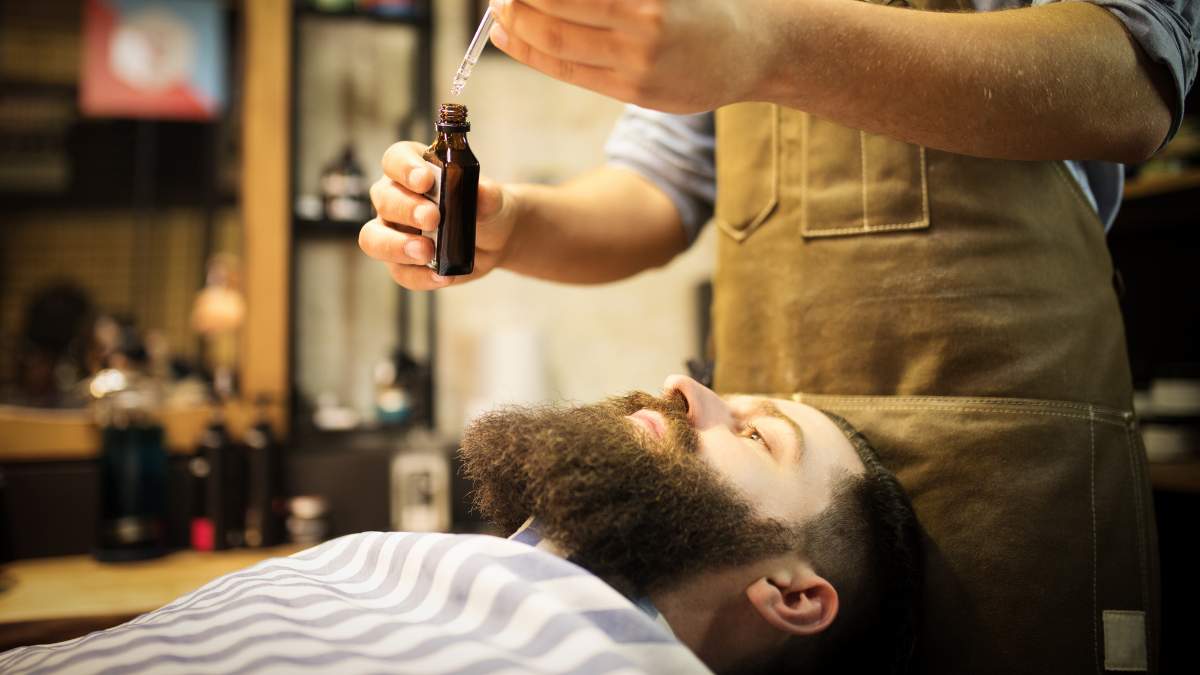
Beard Oil
In recent years, beard care has ceased to be a niche interest, and has become an important element of male image care. Among cosmetics dedicated to bearded men, beard oil occupies a special place, often referred to as a must-have. However, the multitude of products available on the market can make you dizzy, especially beginners in the bearded art.
Spis treści
Which is the best beard oil to choose?
Before we dive into the selection criteria, it’s important to understand exactly what beard oil is and why there are so many benefits to using it regularly.
What is beard oil and why is it worth using?
Beard oil is a specialized cosmetic, usually a carefully composed mixture of natural base oils (also called carrier oils) and, in many cases, essential oils. Its main goal is to comprehensively care for both the beard itself and the skin underneath. The basic tasks that a good oil fulfills are, above all, moisturizing, nourishing, softening the hair and giving it a healthy shine. Whether you have a stubble of a few days or an impressive, long beard, the oil should be the foundation of your daily care.
It is worth noting that the role of beard oil goes far beyond purely aesthetic aspects, such as shine or a pleasant smell. It is a product with an important therapeutic and protective effect. Numerous sources confirm its effectiveness in relieving the unpleasant itching that often accompanies growing a beard, reducing dandruff, deeply moisturizing the skin, as well as protecting against the harmful effects of external factors such as the sun, frost or pollution. It also promotes healthy hair growth by nourishing the roots. These functions indicate that the oil works directly on the health of the skin and the condition of the hair. Regular use of the right product can prevent many dermatological problems that appear under the beard and significantly improve the overall condition of the beard. This, in turn, shifts the perception of the oil from an “optional additive” to a “key element” of a healthy skincare routine, which is essential for achieving long-term, positive results.
Benefits of regular use of beard oil
Systematic inclusion of the oil in the daily care routine brings a number of measurable benefits that every bearded man will appreciate:
- Moisturizing and nourishing the beard and skin: Oils provide essential nutrients to prevent dryness, brittleness and split ends. The skin under the chin, often neglected, also gains the right level of hydration.
- Beard softening and smoothing: Regularly used oil makes even hard and rough beards softer, smoother and more pleasant to the touch. It also makes combing and everyday styling easier.
- Soothing skin irritation and itching: This is one of the most common ailments, especially at the initial stage of growing a beard. The oil soothes the skin, reducing itching and discomfort.
- Reduction of dandruff on the chin: Dry skin under the beard often leads to the appearance of unsightly dandruff. Oils, thanks to their moisturizing and sometimes antiseptic properties, help fight this problem.
- Giving a healthy shine and deepening the colour: A well-moisturized and nourished beard naturally shines and appears to have a deeper, more intense color.
- Protection against external factors: The oil creates a delicate protective layer on the hair, which protects the beard from the negative effects of the sun, frost, wind or environmental pollution.
- Promoting healthy beard growth can be achieved with the right care products. By nourishing the hair follicles and improving the condition of the skin, the oil creates optimal conditions for healthy and strong beard growth.
- Ingrown hairs prevention: Oil-softened hair and moisturized skin reduce the risk of painful ingrown hairs, which can lead to inflammation.
- To make styling easier and prevent frizz: The oil gently weighs down the hair, making it easier to style and reducing the tendency to frizz, especially on damp days, which is important when using beard oil regularly.
- Strengthening the hair, preventing hair loss and brittleness: The nutrients supplied strengthen the hair structure from the root to the ends, making the beard more resistant to damage.
- Giving a pleasant fragrance: Thanks to the content of essential oils, beard oil can also act as a subtle perfume, leaving a pleasant, masculine aroma on the beard.
Ingredients Secrets: What Is Hidden in the Perfect Beard Oil?
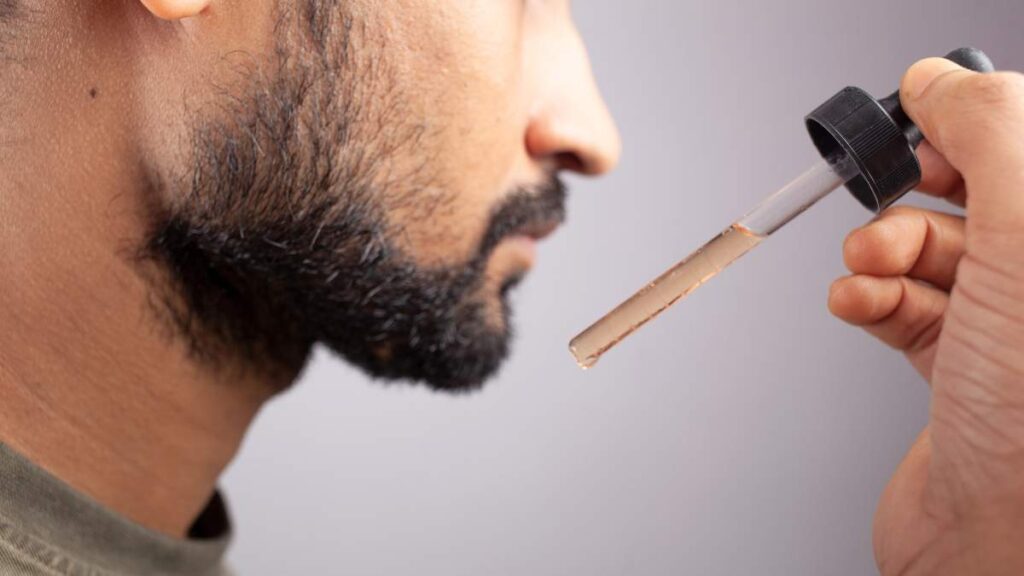
To fully understand how beard oil works and to consciously choose the best product, it is crucial to know its typical ingredients. They are mainly divided into base oils (carrier oils) and essential oils, and are often supplemented with valuable additives, such as vitamin E.
Base (carrier) oils – the foundation of care
Carrier oils, also known as carrier oils, form the backbone of any beard oil, often accounting for more than 90% of its composition. They are responsible for providing key nutrients, intensive hydration, regeneration and protection of facial hair and skin. The highest quality and the most nutritional value are maintained by unrefined, cold-pressed oils, so it is worth looking for products based on such raw materials.
The market offers a wide range of base oils, each with unique properties. The table below shows the most popular ones, along with their characteristics, which will make it easier to understand which one will best suit your specific needs.
Key Base Oils and Their Properties for Beard
| Oil Name (INCI) | Main features | Best for Skin/Beard Type | Main active ingredients |
|---|---|---|---|
| Jojoba Oil (Simmondsia Chinensis Seed Oil) | Regulates sebum, moisturizes, absorbs quickly, light texture, similar to human sebum, non-comedogenic | All skin types (including oily, combination, sensitive), all beard lengths | Vitamins (E, B), minerals (copper, zinc, selenium), fatty acids |
| Argan Oil (Argania Spinosa Kernel Oil) | “Liquid gold of Morocco”, intensively moisturizes, regenerates, nourishes, strengthens, gives shine, has anti-aging properties | Dry, mature, sensitive skin; damaged hair, brittle hair, long beards | Vitamin E, fatty acids (oleic, linoleic), polyphenols, sterols |
| Sweet Almond Oil (Prunus Amygdalus Dulcis Oil) | Gentle, moisturizes well, nourishes, soothes itching, gives shine, suitable for sensitive and allergic skin | Sensitive, dry, allergy-prone skin; any beard type | Vitamins (A, D, E, group B), fatty acids, proteins, minerals |
| Grape Seed Oil (Vitis Vinifera Seed Oil) | Light, quickly absorbed, rich in vitamin C. E, has antioxidant properties, regenerates, soothes irritations | Oily, combination, normal skin; beards that need a little hydration | Vitamin E, linoleic acid, flavonoids are ingredients that can be found in beard care oils. |
| Macadamia Oil (Macadamia integrifolia/Ternifolia Seed Oil) | Regenerates, smoothes, good for mature and sensitive skin, strengthens hair, absorbs well | Mature, sensitive, dry skin; weak, brittle hair | Palmitic oleopmitic acid (Omega-7), oleic acid, vitamins (A, E, B) |
| Coconut Oil is a basic cosmetic that gives hair a healthy look. (Cocos Nucifera Oil) | It intensively moisturizes, has antibacterial properties, can be comedogenic for some, can stiffen curly hair | Very dry skin (with caution if it is prone to clogging); dry, damaged hair | Lauric acid, myristic acid, vitamin E |
| Ricinus Communis Seed Oil | Thick, moisturizes, strengthens, can darken hair, promotes regeneration, controversial about growth | Weakened hair, in need of strengthening and shine; spot or mixed | Ricinoleic acid, vitamin E |
| Hemp Oil (Cannabis Sativa Seed Oil) | Soothes irritations, moisturizes, regenerates, regulates sebum, has anti-inflammatory properties, good for problematic skin | Problematic, sensitive, oily, combination, dry skin | Omega-3 and Omega-6 acids, vitamins (A, D, E, K), minerals |
| Wheat Germ Oil (Triticum Vulgare Germ Oil) | Rich in vit. E, strongly moisturizes, regenerates, protects against the sun, slows down aging, strengthens hair | Dry, damaged, mature skin; dry, brittle hair | Vitamin E (very high content), vitamins (A, D, B group), lecithin |
| Raspberry Seed Oil (Rubus Idaeus Seed Oil) | Intensively moisturizes, prevents water loss, stimulates collagen production, natural UV filter, soothes allergies | All skin types, especially sensitive, dry, mature; sun protection | Omega-3 and Omega-6 acids, vitamin E, carotenoids, ellagic acid |
| Crambe Abyssinica Seed Oil | Light, quickly absorbed, moisturizes, smoothes, does not leave a greasy film, replenishes lipids | Any skin type, especially when a lightweight formula is desired; thin hair | Erucic acid |
It is worth noting that manufacturers often use mixtures of different base oils. This is for a reason. Different oils have different fatty acid profiles, vitamins and other properties, such as viscosity or absorption rate. A well-composed blend is able to offer a much wider spectrum of benefits than a single oil used alone. For example, combining a lightweight, fast-absorbing oil with a richer, more nourishing oil can provide both an immediate feeling of comfort and long-term recovery. Therefore, consumers should appreciate products with thoughtful compositions that better respond to the complex needs of the beard and skin.
Essential oils – the power of nature and a captivating fragrance
Essential oils are concentrated plant extracts that play a dual role in beard oils. Firstly, they give the product a characteristic, often very pleasant smell. Secondly, many of them have valuable therapeutic properties – they can have antiseptic, soothing, anti-inflammatory or stimulating effects on the skin and hair follicles. It is important to remember that essential oils are very potent substances and must be used in an appropriate, safe dilution in base oils.
The table below shows some common essential oils used in beard care products.
Popular Essential Oils in Beard Care
| Essential Oil Name | Odour characteristics | Main Benefits for Beard/Skin | Comments |
|---|---|---|---|
| Sandalwood Oil | Woody, sweet, balsamic, exotic | It has a soothing, antiseptic, anti-inflammatory, moisturizing effect; considered an aphrodisiac | A luxurious, long-lasting fragrance. |
| Cedar Oil | Woody, slightly sweet, balsamic | It has antiseptic, astringent and toning properties; It can help with oily skin and dandruff. | A classic men’s fragrance. |
| Eucalyptus Oil | Fresh, camphor, menthol, penetrating | It has antibacterial, refreshing and cooling properties; It can relieve itching and help fight dandruff. | Very intense, use with caution. |
| Peppermint Oil (Pepper/Green) | Fresh, cooling, refreshing | It has a stimulating, refreshing, antiseptic and antipruritic effect. | May slightly irritate sensitive skin. |
| Lavender | Floral, Herbal, Sweet, Calming | It has soothing, antiseptic, anti-inflammatory, regenerating properties; It can promote healing, stimulate hair growth. | Universal, well tolerated. |
| Tea Tree Oil | Herbal, Medical, Fresh, Camphor | Strongly antiseptic, antibacterial, antifungal; effective for dandruff, acne and skin problems. | Use in low concentrations, may dry out. |
| Rosemary Oil | Herbal, fresh, slightly camphor-like | It stimulates circulation, can support hair growth, has antiseptic and anti-dandruff properties, and strengthens the bulbs. | It can be stimulating. |
| Patchouli oil | Earthy, woody, spicy, sweet, exotic | It has antiseptic, anti-inflammatory, regenerating, astringent properties; improves skin elasticity, aphrodisiac. | Intense, characteristic fragrance. |
| Citrus Oils (Bergamot, Lemon, Lime, Orange, Grapefruit) | Fresh, refreshing, energizing | They have a toning, antiseptic, brightening effect (some); They improve your mood. | They can be photosensitizing (especially bergamot, unless there is FCF – no furanocoumarins ). It is best to use in the evening or choose FCF oils. |
Vitamin E (Tocopherol) and other valuable additives
Vitamin E (Tocopherol) is almost a regular in the composition of high-quality beard oils. Its role is twofold and extremely important. Firstly, it acts as a natural antioxidant, protecting valuable and often delicate base oils from oxidation and rancidity, which extends the shelf life of the entire product. Secondly, vitamin E itself is a valuable active ingredient for the skin and hair – it intensively regenerates, moisturizes, fights free radicals and supports protection against the harmful effects of external factors. Its presence in the composition is therefore a strong signal that the manufacturer cares about the quality and stability of the formulation, as well as additional care benefits for our beard oil offer. A lack of vitamin E, especially in oils based on polyunsaturated vegetable oils, may suggest a shorter life of the product or the need to use synthetic preservatives.
In addition to vitamin E, beard oils contain other valuable additives, such as:
- Squalane: a substance naturally occurring in human sebum, perfectly moisturizes and tones the skin and hair, without leaving a greasy film.
- Allantoin: known for its soothing properties, soothing irritations and accelerating the regeneration of the epidermis.
- Glycerin: A popular humectant that attracts water and helps keep your skin and hair hydrated.
- Shea Butter (Karite Butter): although more commonly found in lotions, its addition in richer oils (especially those for winter) provides intense hydration, lubrication and protection. However, it can be comedogenic for certain skin types.
- Lanolin: a natural wax made from sheep’s wool, moisturizes and protects well, but is a potential allergen for sensitive people.
How to Choose an Oil Tailored to Your Individual Needs?
Choosing the perfect beard oil is not just a matter of fragrance preferences. In order for the product to be truly effective and comfortable to use, there are a few key factors to consider, such as the type of skin under your beard, the type and length of the beard itself, and even the time of year.
Skin type under the chin – the key to comfort (dry, oily, sensitive, combination skin)
The condition of the skin under the chin is fundamental to the health and appearance of the beard itself. Many common problems, such as itching, dandruff or weakened hair growth, have their origin in the condition of the skin. Beard oil comes into direct contact with it, and its ingredients actively affect it. Therefore, matching the oil to your skin type is absolutely crucial. Choosing the wrong product may not only fail to provide relief, but may even worsen existing problems – for example, heavy, comedogenic oil applied to oily skin can lead to clogged pores and breakouts.
- Dry skin: It is characterized by a feeling of tightness, often peeling and a tendency to irritation. It needs intense hydration, nourishment and regeneration.
- Recommended base oils: argan, macadamia, avocado, wheat germ, raspberry seed, sweet almond, shea butter (in richer formulas).
- Oily skin: It tends to be excessively shiny, enlarged pores and the formation of blackheads and pimples. It requires lightweight oils that are non-comedogenic (non-comedogenic) and help regulate sebum production.
- Recommended base oils: jojoba (perfectly mimics natural sebum), grape seed, linseed, hemp, black cumin.
- Avoid: Heavy, fatty oils that can be comedogenic (e.g. coconut oil in some cases, mineral oils).
- Sensitive skin: It is easily irritated, reddened, and often has an allergic reaction to some cosmetic ingredients. It needs mild, hypoallergenic formulas.
- Recommended base oils: sweet almond, jojoba, hemp, raspberry seed.
- It is worth considering: unscented oils or oils with a minimum amount of delicate essential oils (e.g. lavender, chamomile). It’s always a good idea to do a patch test before full use.
- Combination skin: It shows features of both dry skin (e.g. on the cheeks) and oily skin (e.g. in the T-zone – forehead, nose, chin). It requires balanced care.
- Recommended base oils: jojoba (due to its regulating properties), grape seed.
- Additions to our beard oil range: Essential oils with a refreshing effect, such as eucalyptus or mint, can provide relief.
Beard type and length – from short bristles to epic beard (coarse, thin, curly beard)
The structure and length of the beard hair also determine which type of oil will work best.
- Short beard/beard (a few days to a few weeks): At this stage, the most common problem is itching and irritation of the skin caused by hard, prickly hairs. The oil should primarily moisturize the skin and soften the beard. Usually, lighter formulas are sufficient.
- Recommended base oils: jojoba, argan (in small amounts), sweet almond oils.
- Long beard: It requires more intense hydration along the entire length, nourishment and special protection of the ends against splitting and breakage. The skin under a long beard can be harder to reach, so it’s important to massage the oil in thoroughly.
- Recommended base oils: argan, sweet almond, macadamia, avocado, castor (as a strengthening additive).
- Coarse/hard beard: Regardless of the length, such a beard needs a strong softening effect and deep hydration to make it more manageable and more pleasant to the touch.
- Recommended base oils: argan, sweet almond, macadamia, coconut oil, shea butter (in richer oils or as a supplement with a lotion).
- Thin/sparse facial hair: The key is to avoid heavy, greasy oils, which can weigh it down and make it look even thinner and slicked. Lightweight formulas that absorb quickly are preferred.
- Recommended base oils: apricot kernel oil (very light), jojoba, grape seed, Abyssinian.
- Curly beard: Curly hair has a natural tendency to dry out and frizz. The oil should intensely moisturize, smooth the hair cuticles, prevent frizz and help define the natural curl.
- Recommended base oils: argan, jojoba, linseed, black cumin, avocado and other natural beard oils. Coconut oil should be used with caution, as it can cause frizz or stiffness in some people with curly hair.
To make your choice easier, the table below links the needs of different skin and beard types with the recommended ingredients.
Matching the Oil to Your Skin Type and Beard – Guide
| Problem / Skin Type / Beard Type | Recommended base oils | Recommended Essential Oils (if applicable) | What to Avoid in Ingredients |
|---|---|---|---|
| Itchy skin, short stubble | Jojoba, sweet almond, hemp, apricot kernel | Lavender, chamomile, tea tree (in very low concentration), mint | Alcohols, strong synthetic fragrances, SLS/SLES in washing products |
| Dry skin, long, rough beard | Argan, macadamia, avocado, wheat germ, shea butter (in formula) | Sandalwood, patchouli, cedar | Drying alcohols, too light formulas (may not be enough) |
| Oily skin, thin/normal beard | Jojoba, grapeseed, hemp, Abyssinian | Citrus (bergamot FCF), tea tree, eucalyptus, rosemary | Heavy, comedogenic oils (e.g. coconut in excess, mineral oils), silicones |
| Dandruff, any beard type | Jojoba, hemp, Japanese camellia oil, coconut oil (caution, may worsen in some) | Tea tree, rosemary, eucalyptus, lavender, cedar | Irritating ingredients, strong detergents in shampoos, parabens |
| Sensitive skin, all beard types | Sweet almond, jojoba, hemp, raspberry seed, borage oil | Unscented or lavender, chamomile (after patch test) | Strong essential oils, synthetic fragrances, dyes, alcohol, potential allergens |
| Curly beard, prone to frizz | Argan, jojoba, linseed, black cumin, avocado | Lavender, rosemary (for smoothing) | Silicones (can weigh down and make it difficult to twist), some heavy waxes in styling products |
A fragrance that will enhance your style (woody, citrus, spicy, unscented notes)
The smell of beard oil is one of the first and most important selection criteria for many men. The aroma accompanies the bearded man for most of the day, which is why it is so important that it is pleasant and meets individual preferences. The choice is huge:
- Woody notes: Classic, masculine and elegant. They are often based on sandalwood, cedar, cypress or vetiver oils.
- Citrus notes: Fresh, energizing and refreshing. Perfect for everyday use, especially on warmer days. Bergamot, lemon, orange, grapefruit and lime oils dominate here.
- Spicy/oriental notes: Warm, sensual and intriguing. They often contain oils of cinnamon, clove, patchouli, ginger, cardamom or frankincense.
- Herbal/fresh/forest notes: Natural, often with an “outdoor” character. Popular oils are mint, eucalyptus, rosemary, lavender, pine, juniper.
- Unscented oils: An excellent choice for men with very sensitive skin, allergy sufferers, or those who do not want the smell of the oil to interfere with their favorite perfume. However, it is worth remembering that even products described as fragrance-free can have a subtle, natural aroma from the base oils used.
Choosing a fragrance is not only a matter of taste. Essential oils, which are the source of these aromas, have aromatherapeutic properties. This means that the smell we smell so close to our nose for many hours can have a real impact on our well-being. For example, citrus notes can be stimulating and mood-enhancing, lavender can be calming and relaxing, and woody notes can boost confidence. Conscious choice of fragrance can therefore become an additional benefit of using the oil, making your daily care a more holistic experience. Some bearded men even choose to have several oils with different fragrance profiles to match their mood, time of day or occasion.
Season and choice of oil – beard care in summer and winter
Weather conditions that change with the seasons have a significant impact on the needs of our skin and hair, including the beard. Therefore, it is worth adapting the cosmetics used, including oil, to them.
- Summer: On warm, sunny days, the beard is exposed to dryness caused by UV rays, high temperature, as well as salt or chlorinated water. The ideal oil for summer should be light, quickly absorbed and not weighed down. It is worth looking for products containing oils with a natural UV filter, such as raspberry seed oil, jojoba oil, or shea butter (in small amounts). When it comes to fragrance, refreshing compositions – citrus, sea, fruit or mint – work great in summer.
- Winter/Autumn: Frost, wind and dry air in heated rooms are the main challenges for the beard in the colder months. During this period, it needs more intense hydration, nourishment and solid protection against adverse weather conditions. Richer, more substantial oils will be suitable, as they will create an effective protective barrier on the hair. Thicker, enveloping notes – spicy, woody, smoky, tobacco or vanilla – go well in terms of fragrance.
Matching the oil to the season is not only a matter of fragrance comfort, but above all of protective functionality. Skin and hair react differently to extreme conditions in summer and winter. Having at least two types of oils – a light one for summer and a more nourishing one for winter – can be the optimal solution for providing your beard with year-round, effective care and protection.
The Art of Application: How to Use Beard Oil Correctly?
Even the best beard oil will not do its job if it is not used correctly. Regularity, the right time of application, the right amount of product and the technique of its application are crucial.
When and how often should I apply the oil?
Beard oil is best applied to clean beards. The ideal time is right after washing your beard, when your hair is still slightly damp (but not dripping wet!) or completely dry. The pores of the skin are then often open (especially after a warm shower), which makes it easier to absorb nutrients, especially natural beard oil. Avoid applying the oil to a wet beard, as water can hinder its absorption and lead to an unpleasant, greasy film on the surface of the hair.
The frequency of using the oil depends on individual needs, skin and beard type, as well as external conditions. It is generally recommended to use it daily, once or twice a day – in the morning and/or evening.
- Morning Application: It helps moisturize the beard for the whole day, protects it from external factors, facilitates styling and gives it a well-groomed look.
- Evening application: It allows for intensive regeneration of the skin and hair during sleep. The active ingredients have more time to absorb and act. If the oil is used in the evening, it is worth giving it a moment to absorb before going to bed to avoid staining the bedding.
People with very dry beards or skin may feel the need to apply more often, up to three times a day, especially in the initial period of use or in harsh weather conditions. The key is to observe your own beard and skin and adjust the frequency to their reaction.
Regularity and the right timing of application are as important as the choice of the product itself. Even the best oil will not bring optimal results if it is used occasionally, irregularly or inappropriately, for example on a dirty beard. The effects of the oil are cumulative, which means that regularity in care is key to achieving and maintaining a healthy, good-looking beard. Getting into the habit of applying the oil every day is an investment that will certainly pay off.
How much oil do you need for optimal results?
The amount of oil needed for a single application depends primarily on the length and density of the beard. The general rule is “less is more”. It is always better to start with a smaller amount and gradually increase it if necessary than to apply too much product at once.
- Short stubble (a few days): Usually, 2-3 drops are enough.
- Medium beard length: About 3-6 drops.
- Long and thick beard: May require 6 or more drops, depending on individual needs.
Excess oil will not bring better results, on the contrary – it can lead to an oily beard, a feeling of heaviness, unsightly shining, and even clogging of skin pores and the formation of pimples. On the other hand, too little product will not provide the right level of hydration and nourishment, so the beard may remain dry, dull, and skin problems such as itching or dandruff may not go away. The key is to find the “golden mean” for your own beard.
Step-by-step application technique (on dry or wet beard, rubbing, combing)
The correct technique of applying the oil is simple, but it requires care to ensure that the product reaches where it is most needed – both in the hair and in the skin underneath it.
- Beard preparation: Wash your beard with a gentle shampoo or beard soap. Pat it dry with a towel, leaving it slightly damp or completely dry, depending on the preference and recommendations of the oil manufacturer.
- Oil dosage: Apply an appropriate amount of oil drops to the palm of your hand. Remember the rule “less is more”.
- Warming and spreading in the palms of your hands: Rub the oil vigorously between the palms of your hands. The warmth of your hands will help warm it slightly and make it easier to distribute it evenly.
- Massaging into the beard and skin: Start rubbing the oil into your beard, working your way from the roots to the ends. It is very important to thoroughly massage the product also into the skin under the beard – this is where problems with dryness or itching often accumulate. A gentle skin massage will also stimulate circulation, which can have a positive effect on the nutrition of the hair follicles.
- Detangling: After applying the oil, comb your beard with a wide-toothed comb (for longer beards) or a natural bristle grape. This will help to evenly distribute the oil over the entire length of the hair, detangle any tangles and give the beard the desired shape.
Beard oil can also be used as a beard preparation product for shaving or trimming. Applied before these treatments, it softens the hair, making it more susceptible to the blade of a razor or scissors, which minimizes the risk of irritation.
What to Avoid in Beard Oils? Guide to Harmful Ingredients
A conscious choice of beard oil is not only about the ability to recognize valuable ingredients, but also about the substances that are better to avoid. Many commercial products, despite promising labels, may contain synthetic additives that can negatively affect the condition of the beard and skin in the long run, so it is worth paying attention to the ranking of beard oils.
Synthetic additives that your beard won’t like (SLS, SLES, parabens, silicones, mineral oils, PEG, PPG, artificial colors, synthetic fragrances, alcohol)
Here’s a list of potentially unfavorable ingredients to look out for when reading beard oil labels:
- SLS (Sodium Lauryl Sulfate) and SLES (Sodium Laureth Sulfate): These are strong synthetic detergents responsible for the intense foaming of cosmetics. Although more commonly found in shampoos (including beard shampoos), their presence in any product that comes into contact with the skin and hair is undesirable. They can cause dryness, irritation, and even damage the skin’s natural protective barrier and weaken hair follicles.
- Parabens (e.g. Methylparaben, Ethylparaben, Propylparaben, Butylparaben are ingredients that can be found in some skin care cosmetics. A group of synthetic preservatives designed to extend the shelf life of a cosmetic. They have been controversial for years due to their potential allergenic, irritating and endocrine disrupting effects. Although not all parabens are equally harmful, it is generally recommended to choose products without their addition.
- Silicone oils (e.g. Dimethicone, Cyclopentasiloxane, Dimethiconol, Cyclohexasiloxane are substances that can be found in some beard care cosmetics. They create a smooth, silky film on the surface of the hair and skin, giving an apparent feeling of hydration and smoothness. However, silicones do not penetrate deep into the hair or skin, and their layer can make it difficult for nutrients from other cosmetics to penetrate. They can also weigh down the hair, and the body is unable to metabolize it, which can lead to poor beard condition. Long-term use can lead to “build-up” of silicones on the hair, making it dull and brittle.
- Mineral oils (e.g. Paraffinum Liquidum, Petrolatum, Mineral Oil, Paraffin): These are the products of crude oil distillation. They form an impermeable occlusive layer on the skin, which prevents water loss, but at the same time can clog pores, make it difficult for the skin to breathe and disrupt its natural metabolic functions. As a result, instead of moisturizing, they can lead to dryness, blackheads and acne.
- PEG (polyethylene glycols) and PPG (polypropylene glycols): Synthetic emulsifiers and substances that improve the consistency of cosmetics. They can weaken the skin’s natural lipid barrier, making it more susceptible to irritation and the penetration of harmful substances. There are also concerns about their carcinogenic potential with long-term use.
- Artificial colours and synthetic fragrances (often labelled as Parfum or Fragrance if not of natural origin): They are one of the most common causes of contact allergies and skin irritations. It is better to choose products that are dyed naturally (or colorless) and scented with natural essential oils.
- Alcohol (e.g. Alcohol Denat., SD Alcohol, Isopropyl Alcohol, Ethanol): In high concentrations, it has a strong drying effect on the skin and hair, destroying their natural protective barrier. It should be avoided in beard oils, which are supposed to moisturize. An exception may be fatty alcohols (e.g. Cetyl Alcohol, Stearyl Alcohol), which act as emollients and do not have a drying effect, but these are less common in typical oils.
- Lanolin: Although it is a natural ingredient (extracted from sheep’s wool) and has good moisturizing properties, it can be a powerful allergen for some people, causing irritation and allergic reactions.
Avoiding these potentially harmful ingredients is not only a matter of preventing short-term irritation or allergies. It’s an investment in the long-term health of your beard and skin. The short-term, apparent effects that some synthetic substances can give (e.g. smoothing by silicones) often mask long-term negative effects, such as dryness, weakening of the hair or blocking of natural skin functions. By choosing oils with a pure, natural composition, we allow the skin and hair to function properly and regenerate naturally. A conscious consumer who can identify and avoid these ingredients not only takes care of themselves, but also supports manufacturers who focus on quality, safety and transparency, contributing to raising standards on the beard cosmetics market.
How to recognize a high-quality oil? Label Reading & Certifications
In the maze of marketing promises and colorful packaging, the key to choosing a really valuable beard oil is the ability to read labels and understand what each certificate means. It is the composition of the product, not just its description, that proves its actual quality.
INCI composition analysis – what to pay attention to?
INCI (International Nomenclature of Cosmetic Ingredients) is an international naming system for cosmetic ingredients. The INCI list, which is mandatory on every product, is the only objective source of information about what is actually in the bottle. Here’s what you should pay special attention to:
- The order of the ingredients: Ingredients are listed in order from highest concentration to lowest (for ingredients with less than 1% concentration, the order can be arbitrary). This means that the base oils, which are the foundation of the product, should be at the very top of the list. If we see water (Aqua) or cheap fillers in the first place, and valuable oils only further away, it may indicate low quality of the product.
- Type of base oils: You should look for natural vegetable oils, preferably unrefined and cold-pressed, as they retain the most valuable nutritional properties, which is crucial for proper hydration of the beard. Latin names (e.g., Simmondsia Chinensis Seed Oil for jojoba oil) identify specific plants.
- Presence of natural essential oils: If the product is to smell thanks to nature, the INCI composition should include the Latin names of essential oils (e.g. Lavandula Angustifolia Oil for lavender oil, which is one of the popular beard care oils. The generic term “Parfum” or “Fragrance” can refer to both a composition of natural oils and synthetic fragrances. Reputable manufacturers of natural cosmetics often specify that their “Parfum” is of natural origin or list individual essential oils.
- No harmful additives: The INCI list should not include the previously discussed undesirable substances, such as SLS/SLES, parabens, silicones, mineral oils, PEG/PPG, artificial colors.
- Vitamin E (Tocopherol, Tocopheryl Acetate): Its presence, especially in products based on delicate vegetable oils, is a good sign. It proves the manufacturer’s care for the stability of the product (natural preservation) and additional care properties.
The ability to read and interpret the INCI list is key to independently assessing the quality of your beard oil, allowing you to go beyond the often confusing marketing claims. This gives the consumer real power to choose products that actually contain valuable ingredients in the right amounts and concentrations. This, in turn, promotes transparency among manufacturers and contributes to raising overall standards in the market.
Quality certificates – what do they mean for the consumer?
Certifications from independent organizations can be additional validation of the quality, naturalness, or organic nature of ingredients, as well as ethical manufacturing practices. However, it is worth knowing what a given certificate guarantees. Examples of reputable certificates found on natural and organic cosmetics are:
- Ecocert: One of the most recognized international certifications for natural and organic cosmetics. It guarantees, m.in, a high percentage of ingredients of natural and organic origin, respect for the environment in the production process and the absence of many controversial synthetic substances.
- COSMOS (Cosmetic Organic Standard): The European standard for natural and organic cosmetics, developed by several leading certification bodies (including Ecocert, BDIH, Soil Association). It sets strict criteria for ingredients, production and labelling.
- Soil Association: A British organization that certifies organic products, including cosmetics. It places high demands on the origin of ingredients and production methods.
- BDIH (Bundesverband der Industrie- und Handelsunternehmen für Arzneimittel, Reformwaren, Nahrungsergänzungsmittel und kosmetische Mittel e.V.): German certificate for controlled natural cosmetics. It defines a list of permitted and prohibited ingredients and production methods.
- USDA Organic: American certification for organic products, including cosmetics containing agricultural ingredients.
- Cruelty-Free (e.g., Leaping Bunny, PETA): It guarantees that the product and its ingredients have not been tested on animals at any stage of production.
- Vegan (e.g. Vegan Society): It confirms that the product does not contain any ingredients of animal or animal origin.
- IFRA (International Fragrance Association): An organization that sets safety standards for fragrances, including essential oils. The IFRA certificate for a given essential oil specifies the maximum permissible concentrations in various types of cosmetics to minimize the risk of irritation or allergic reactions.
However, you should be wary of “self-proclaimed certifications” or marketing terms such as “therapeutic grade oil” that are not backed by the standards of independent, accredited certification bodies. It is always worth checking who issued a given certificate and what its criteria are.
Packaging also matters (dark glass, pipette/pump)
The way the beard oil is packaged can also be a testament to its quality and the manufacturer’s care for the product:
- Dark glass: Vegetable oils, especially those rich in unsaturated fatty acids, and essential oils are sensitive to UV light, which can accelerate their oxidation and degradation, leading to the loss of valuable properties. That is why high-quality beard oils are most often packaged in dark glass bottles (brown, green, cobalt), which protects the contents from harmful radiation.
- Pipette or pump: They facilitate hygienic and precise dosing of the product, allowing you to take exactly the amount of oil you need. They also minimize product contact with air and external contaminants, which can help to prolong its freshness.
Common Beard Problems and How Oil Can Help
Even the most impressive beard can cause problems if it is not properly cared for. Beard oil, thanks to its versatile properties, is able to remedy many common ailments faced by bearded men.
Itchy beard and irritated skin
Persistent itching is the bane of many men, especially at the initial stage of growing a beard, when the skin gets used to the new hair, and these are often hard and stinging. The cause can also be dry skin, ingrown hairs or a reaction to inappropriate cosmetics.
- How the oil helps: The moisturizing and softening effect is key here. The oil provides the skin with the necessary moisture, reducing dryness and flaking. At the same time, it softens the beard hair, making it less irritating to the skin. Many oils also contain ingredients with soothing and anti-inflammatory properties that soothe irritations.
- Recommended ingredients: Jojoba oil (regulates sebum and moisturizes), sweet almond oil (gentle and soothing), hemp oil (has anti-inflammatory and regenerating properties). Of the essential oils, it is worth looking for lavender (koi), chamomile (soothes), tea tree (antiseptic, in a very low concentration so as not to irritate). Mixtures with added menthol and eucalyptus can bring a feeling of refreshment and relief from itching.
Dandruff on the chin – how to get rid of it?
White flakes falling from the beard are not only an aesthetic problem, but often a signal that the skin under the beard is not in the best condition. The cause of dandruff on the chin can be excessive dryness of the skin, fungal infection (often caused by yeasts of the genus Malassezia), and sometimes also excessive oiliness of the skin, which creates good conditions for the development of microorganisms.
- How the oil helps: Regular use of the oil primarily moisturizes dry skin, eliminating one of the main causes of dandruff. Some essential oils, often added to formulas, have antifungal and antiseptic properties that can help fight the microbes responsible for dandruff. Additionally, oils can help to regulate sebum production.
- Recommended ingredients: Jojoba oil (regulates sebum), coconut oil (has antifungal properties, but should be used in moderation, as it can be comedogenic), hemp oil. From the essential oils, the following are particularly recommended: tea tree oil (strong antifungal and antibacterial properties), eucalyptus oil, rosemary oil, lavender oil. Japanese camellia oil in combination with sandalwood oil can also be effective. It is also important to use mild shampoos that do not contain SLS/SLES or parabens, which can further dry out and irritate the skin.
Dry and dull beard – restore its shine
A beard that is dry, rough to the touch and lacks natural shine is a common problem. The reasons may be insufficient hydration from the inside (too little water drunk) and from the outside, frequent washing of the beard with strong, drying detergents, the use of hard water, as well as adverse weather conditions.
- How the oil helps: Beard oil is a concentrated dose of hydration and nourishment. Base oils penetrate the hair structure, replenishing lipids and preventing moisture loss. They help close the hair cuticles, making it smoother, more elastic and better reflecting light, regaining a healthy shine. Regular use of the oil makes the beard soft and looks well-groomed.
- Recommended ingredients: Argan oil (intensively moisturizes and regenerates), macadamia oil (smoothes and nourishes), sweet almond oil (soothes and gives softness), avocado oil (rich in vitamins, strongly moisturizes), jojoba oil (restores natural balance).
It is worth remembering that beard oil, although extremely effective, works best in synergy with other elements of proper care. Solving problems such as dandruff, itching or excessive dryness often requires a comprehensive approach. It includes not only the use of properly selected oil , but also gentle washing of the beard with specialized, mild preparations , regular brushing of the beard with a grapeshot (which helps to remove dead skin cells and distribute sebum), and even paying attention to diet and proper hydration of the body. Oil is a key piece of the puzzle, but its effectiveness may be limited if other aspects of care are neglected. For example, using a drying shampoo based on strong detergents can nullify the moisturizing effect of even the best oil. That is why it is so important to see beard care as a holistic system in which the individual elements complement and support each other.
Myths and Facts About Beard Oils
There are many myths and misunderstandings around beard oils. It is worth dispelling them to make informed decisions about beard care.
Myth: Thick oil always means better and more nourishing/efficient.
- Fact: This is one of the most common misconceptions. The density of an oil is not a direct determinant of its quality, nutritional properties or performance. The oil can be artificially thickened with synthetic thickeners or by adding heavy vegetable oils that are poorly absorbed (e.g. castor oil or coconut oil used in excess). Such a product can leave a greasy, unpleasant film on the beard, weigh down the hair and not provide the skin and hair with optimal nourishment at all. Lighter but well-formulated oils, containing a mixture of oils with different particle sizes and good absorption, can be much more effective and, paradoxically, even more efficient, as less is needed to cover the beard and skin. The composition and the right proportions of individual oils are always crucial, not the consistency itself.
Myth: Beard oil must contain castor oil to stimulate growth.
- Fact: Castor oil is often mentioned in the context of hair growth, but its action consists mainly in strengthening existing hair, giving it shine and optical thickening by sticking to the hair. There is no conclusive scientific evidence that castor oil stimulates the growth of new hair where there is none. Many other vegetable oils, such as hemp oil, pumpkin seed oil, jojoba oil or baobab seed oil, can have an equally beneficial or even better effect on the condition of the scalp and hair follicles, creating optimal conditions for healthy beard growth. Some sources mention the role of castor oil in strengthening and stimulation, but you should approach this information with some caution and do not expect a miraculous thickening of the beard solely thanks to this ingredient. The real impact on beard growth is primarily genetics and overall health.
Myth: Beard oils clog pores.
- Fact: Good quality beard oils, composed on the basis of light, non-comedogenic vegetable oils (such as jojoba, argan, sweet almond, grape seed oil), should generally not clog pores if used correctly and in the right amount, adapted to the skin type. Problems with clogged pores (comedogenicity) can occur when oils containing mineral oils, some heavy natural oils (e.g. coconut oil for people with oily or acne-prone skin) are used in excessive amounts, or when the oil is applied to inthoroughly cleansed skin. It is important to choose products labeled as non-comedogenic if you are prone to clogging pores.
Myth: Beard oil is only for long beards.
- Fact: This is not true. Beard oil is beneficial at every stage of growing and having facial hair, even if it is only a few days of bristles. In the case of short beards, the oil perfectly moisturizes the skin underneath it, preventing itching and flaking, and also softens hard, prickly hairs. Regular use of the oil from the very beginning helps to keep the skin in good condition and prepares it for the further growth of a healthy and strong beard.
The most common mistakes when using the oil and their consequences
To reap the full benefits of beard oil, it’s just as important as choosing it to avoid common application mistakes. Improper use can not only nullify the potential effects, but even lead to problems.
- Using too much oil:
- Consequences: The most common result is an oily, heavy and unsightly shiny beard. Excess product does not absorb properly, leaving behind a greasy film that can stain clothes and be uncomfortable. To make matters worse, too much oil, especially one with a heavier consistency or containing potentially comedogenic ingredients, can lead to clogged skin pores, which promotes blackheads, breakouts, and other skin problems.
- Using too little oil:
- Consequences: If the amount of oil applied is insufficient, the beard and the skin underneath it will not receive the right dose of hydration and nourishment. As a result, problems such as dryness, roughness, dull beards, itchy skin or dandruff may persist or disappear only to a small extent. The expected skincare effects simply won’t appear.
- Irregular use:
- Consequences: Beard care with oil requires regularity. Occasional use of the product may only bring temporary improvement, but it will not provide lasting results. Problems with dryness, itching or brittleness of hair will recur if the skin and beard do not regularly receive the necessary ingredients. What’s more, cosmetic oils, especially natural ones, without strong preservatives, have a certain shelf life after opening. Irregular use and long storage of the opened product can lead to rancidity and loss of properties.
- Application on dirty beard/skin:
- Consequences: Applying the oil to an unwashed beard and skin is a serious mistake. Impurities, sebum, dust and residues of other cosmetics accumulated on the beard and skin hinder the absorption of active ingredients from the oil, significantly reducing its effectiveness. To make matters worse, this practice creates the perfect conditions for bacteria to grow, which can lead to blackheads, acne, inflammation, and skin irritation.
- Improper selection of oil for skin/beard type:
- Consequences: Using an oil that is not tailored to individual needs can do more harm than good. For example, a heavy, oily oil applied to oily skin can exacerbate blemish and shine problems. On the other hand, an oil that is too light may not be enough for a very dry and rough beard, not bringing the expected relief. The result is a lack of solution to the problem, and often general dissatisfaction with the product and discouragement from further care.
Errors in the application often result from lack of knowledge, haste or impatience in waiting for the results. Avoiding them is crucial to maximizing the benefits of beard oil. It is important to understand that beard care is a process that takes time and consistency. “More” does not always mean “better”, and regularity and correct technique are the foundation of success. Educating yourself on the most common mistakes and their consequences can help users avoid disappointment, achieve better results, and build more realistic expectations of their cosmetics. Beard care is a marathon, not a sprint, and patience and regularity are always rewarded with healthy and good-looking facial hair.
Choose Wisely and Enjoy a Perfect Beard
Choosing the perfect beard oil may seem complicated, but armed with the right knowledge, we are able to make an informed decision that will bring tangible benefits to our beard and skin. The key criteria to consider are, first of all, the composition of the product – prefer natural base oils, preferably unrefined and cold-pressed, enriched with natural essential oils and vitamin E, while avoiding harmful synthetic additives. It is equally important to match the oil to your individual needs, i.e. the type of your skin (dry, oily, sensitive, combination) and the type and length of your beard (short, long, rough, thin, curly). Our fragrance preferences and the season are also important, which may determine the need for a lighter or richer formula.
Remember that the market offers a huge variety of products, so don’t be afraid to experiment and test different oils to find the one that best suits your expectations. Sometimes the road to perfection leads through trial and error, but the satisfaction of finding “your” oil is worth it.
However, it should be emphasized that even the best oil will not work miracles without regular and proper care. Systematic use, the right amount of product, the right application technique and care for the cleanliness of the beard are the foundations that will allow you to fully use the potential of the selected cosmetic. Investing in a good beard oil and the time spent on beard care is an investment in the healthy appearance of the beard, the comfort of the skin and, let’s face it, also in our well-being. A well-groomed, shiny and fragrant beard is undoubtedly a reason to be proud and an excellent element of a man’s image.