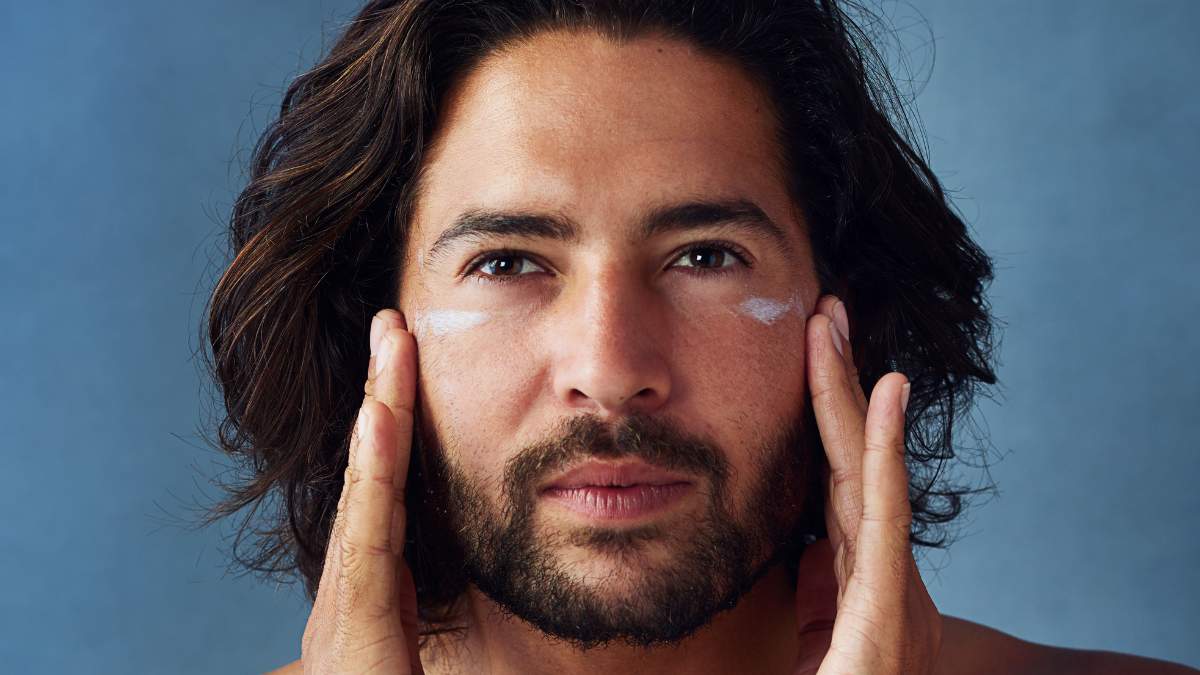
Men’s Face Care
A modern man knows that taking care of himself is not a sign of weakness, but of strength, awareness and investment in the future. The times when the only men’s cosmetic was water and soap are long gone, and cosmetics for men are gaining popularity. Facial care for men is a key part of the daily routine today, which affects not only the appearance, but also the health of the skin, well-being and self-confidence. Forget about myths – well-groomed skin is your best business card.
Spis treści
Why is men’s facial care a necessity and not a luxury?
Before we get into the specifics, it’s worth understanding why you should spend a few minutes a day on facial care. The benefits are much deeper than just aesthetics.
- Skin Health: Regular cleansing and moisturizing prevents problems such as acne, blackheads, ingrown hairs or excessive dryness, as well as irritation after shaving. Healthy skin means a stronger protective barrier against pollution and bacteria.
- Slowing down the aging process: Men’s skin ages differently, often more rapidly. UV radiation is the main culprit for wrinkles and loss of firmness. Daily use of sunscreen is the most effective weapon in the fight against time, especially in the care of men’s face.
- Improved Well-Being and Self-Confidence: When you look good, you feel better, and proper facial skin care can help with this. A smooth, healthy complexiongives you confidence in professional and private contacts. It’s a simple way to improve your image.
- Comfort After Shaving: Shaving every day is a lot of stress for the skin. Proper care soothes irritations, prevents ingrown hairs and makes the skin smooth and soothed.
- Shine Control: Men naturally produce more sebum, which leads to unsightly shine on the skin. The right cosmetics help regulate this process, ensuring a matte and fresh look for longer.
What is the difference between men’s and women’s skin? The Key to Effective Care
Men should not steal cosmetics from their partners for one simple reason: our skin has a different structure and different needs. Understanding these differences is fundamental to choosing the right products and techniques.
- Thickness: Men’s skin is on average 20-25% thicker than women’s. It contains more collagen, which makes it denser and more compact. As a result, wrinkles appear later, but once they form, they are deeper and more visible.
- Sebum Production: Under the influence of testosterone, the male sebaceous glands are much more active. We produce more sebum (natural oil), which has its pros (the skin is better moisturized and protected) and disadvantages (greater tendency to oiliness, shine, blackheads and acne).
- Pore size: Increased sebum production goes hand in hand with larger and more numerous pores, which can affect the appearance of the skin. Unfortunately, this makes them more visible and more easily clogged, forming blackheads.
- Daily shaving: Regular beard removal is a form of mechanical peeling, but also a constant source of irritation. The razor blade can damage the epidermis, lead to micro-injuries, redness and ingrown hairs.
- pH level: Maintaining the right pH level is crucial in step-by-step facial care. Men’s skin tends to be a bit more acidic, which also affects the selection of appropriate cosmetics.
Know Your Skin Type: Step One to Perfect Care

Using cosmetics that do not match your skin type is the most common mistake. It’s like trying to put on shoes in the wrong size – it will end up in discomfort and problems. Here’s how to diagnose your skin:
A simple test: Wash your face with a mild gel and wait an hour without applying any products. After this time, take a look at your skin in the mirror.
- Normal skin: You’re in luck! The skin is smooth, matte, without visible imperfections and a feeling of tightness. The pores are small. Your goal is to maintain this state.
- Oily skin: The skin on the entire face is visibly shiny. The pores are dilated and you are prone to blackheads and pimples. On the plus side, it ages more slowly if you regularly use an anti-wrinkle moisturizer.
- Dry skin: You feel unpleasant tightness and tension. The skin can be dull, rough to the touch, and even flaky. It is thin and wrinkles appear on it faster.
- Combination skin requires special care, especially when it comes to choosing a face serum. This is the most common type. Your “T-zone” (forehead, nose, chin) becomes oily and shiny, while your cheeks are normal or dry. It requires the use of different products on different parts of the face or cosmetics dedicated to combination skin.
- Sensitive skin: Your skin reacts easily to new cosmetics, temperature changes or stress. This manifests itself as redness, burning, itching or irritation. It can accompany any of the above skin types.
Men’s Care Foundations: Step by Step to Healthy Skin
You don’t have to fill your bathroom with dozens of products right away. A basic but regularly used skincare routine is based on three pillars: cleansing, moisturizing and protecting.
Step 1: Cleansing – Throw away the regular soap!
When: Twice a day – in the morning and in the evening. Why: Regular bar soap has an alkaline pH that destroys the skin’s natural protective barrier, leading to dryness and irritation. Dry skin in the act of defense produces… even more sebum! It’s a vicious circle.
- Morning: Cleansing removes oil and impurities built up during the night, preparing skin for moisturiser and SPF, which is crucial for healthy-looking skin.
- In the evening: Step-by-step facial care is crucial for healthy-looking skin. This is an absolute must! You wash away dust, sweat, smog, bacteria and excess sebum collected throughout the day. Clean skin regenerates better and is ready to absorb active ingredients from other cosmetics.
What to wash your face with? Choose a product dedicated to face care and tailored to your skin type:
- Oily/combination skin: Look for face washes with salicylic acid (BHA) to deeply cleanse pores, or activated charcoal to absorb excess oil.
- Dry/normal skin: Creamy emulsions or foams that do not violate the lipid barrier will be ideal. Look for ingredients such as hyaluronic acid, glycerin or panthenol.
- Sensitive skin requires special care, especially when choosing cosmetics for men. Choose face cosmetics that are tailored to your skin type. hypoallergenic, fragrance-free gels or emulsions from pharmacies, containing soothing ingredients, e.g. allantoin.
Step 2: Moisturizing – A Must for Everyone
When: Always after cleansing your face – in the morning and in the evening. Why: Moisturizing is not only about providing water, but also about strengthening the skin’s protective barrier, which protects it from external factors.
- Myth to debunk: “I have oily skin, I don’t need moisturizer.” This is a mistake! Facial skin care cannot be ignored. As mentioned, dehydrated skin produces more sebum to protect itself. A lightweight, oil-free moisturizer will help regulate its production and mattify the complexion.
Which moisturizing cream to choose?
- Oily/combination skin: Look for light, gel-like, or gel-creamy ( oil-free) formulas that absorb quickly and don’t clog pores (look for the “non-comedogenic” label). Ingredients such as niacinamide or zinc will be an additional advantage.
- Dry/normal skin: You need a richer cream with a thicker consistency. The ideal ingredients are ceramides (rebuild the protective barrier), hyaluronic acid (binds water in the epidermis) and shea butter, which are often used in face creams for men.
- Sensitive skin: Choose fragrance-free, hypoallergenic creams, preferably from the pharmacy. Look for neurosensin, panthenol, squalane in the composition.
Step 3: Sun Protection – Your Youth Policy
When: Every morning, all year round, as the last step of care. Why: 80% of the visible signs of skin aging (wrinkles, blemishes, loss of firmness) are caused by UV radiation. The sun operates not only on the beach in summer, but also on a cloudy winter day and through the glass in the office. SPF protection is the best and most affordable anti-aging investment. In addition, it is a key prevention of skin cancer.
How to use sunscreen?
- Choose a product with at least SPF 30, and preferably SPF 50.
- Apply the right amount – about two fingers (index and middle) to the face itself. That’s more than you think!
- Apply it 15-20 minutes before leaving home.
- If you are outside for a long time, sweating or swimming, reapply the cream every 2-3 hours.
- You may look for moisturizers with added SPF, but often the protection in them is too low. It is best to use a separate, dedicated product.
Advanced Skincare: Serums, Scrubs & Extra Support for Your Complexion
Once you master the basics, you can enrich your routine with products that target specific problems and bring spectacular results.
Exfoliation (Peeling) – Discover Smooth Skin
Exfoliation is the process of removing dead skin cells. Effect? The skin becomes smoother, brighter, pores are unblocked, and creams and serums are better absorbed.
Types of scrubs:
- Mechanical (scrubs): They contain particles (e.g. sugar, salt, ground seeds) that physically rub off the epidermis. Be careful – too much friction can irritate skin, especially sensitive and acne-prone skin. Use a maximum of once a week.
- Enzymatic: Enzymatic peels are gentle and effective for step-by-step facial care. They work more gently, dissolving dead skin cells with enzymes (e.g. from papaya, pineapple). Good for sensitive skin.
- Acid (chemical): The most effective option. Use in the form of toners, serums or masks.
- AHA acids (e.g. glycolic, lactic): They work on the surface of the skin, moisturize and brighten perfectly. Ideal for dry skin and skin with signs of aging, face cosmetics should contain aloe vera for better hydration.
- BHA acids (salicylic acid): They are fat-soluble, thanks to which they penetrate deep into the pores and cleanse them deeply. It is the best friend of oily, acne-prone and blackhead skin.
How often? Start 1-2 times a week (in the evening), observing the reaction of the skin.
Serum – Concentrated Power in Drops
A serum is a light cosmetic with a high concentration of active ingredients, which you apply after cleansing and before moisturizing, which is important in beard care. It is an “injection” for your skin, targeting a specific problem.
- Vitamin C serum is the perfect complement to your daily beard care. The king of antioxidants. Applied in the morning (under SPF), it protects against free radicals, lightens discoloration and stimulates collagen production.
- Niacinamide serum (vitamin B3) is an excellent choice for facial skin care. An extremely versatile ingredient. It regulates sebum production, reduces the visibility of pores, soothes inflammation and strengthens the skin barrier, which is crucial in caring for men’s skin. Ideal for almost all skin types.
- Hyaluronic acid serum: It strongly moisturizes, fills fine wrinkles and gives the feeling of “inflated” skin.
- Retinol Serum (Vitamin A): The gold standard in anti-aging care. It accelerates cell renewal, reduces wrinkles, firms the skin and helps fight acne. Remark: It is a powerful ingredient. Introduce it gradually, starting with low concentrations 2-3 times a week, only at night. With retinol treatment, the absolute basis is daily, high SPF 50 protection!
Eye Cream – Investment in the Look
The skin under the eyes is the thinnest and most delicate on the entire body, which is why it ages the fastest, which makes the face serum for men extremely important. A regular face cream may be too heavy for her and cause irritation.
- What does an eye cream help? It reduces dark circles, puffiness, moisturizes and smoothes fine wrinkles, the so-called “crow’s feet”.
- What ingredients to look for? It is worth paying attention to aloe vera and anti-wrinkle ingredients in face cosmetics. Caffeine (for swelling), vitamin C or K (for bruising), peptides and retinol (for wrinkles).
- How to apply? Gently pat a small amount of product with the tip of your ring finger (it has the least pressure), starting at the inner corner and ending with the outer corner.
The Most Common Skin Problems in Men and How to Deal with Them
Acne and Breakouts
- Cause: Overproduction of sebum, clogging of pores, multiplication of bacteria.
- Solution: Regular cleansing with salicylic acid gel (BHA). Introduction to Niacinamide Serum Care. Topical application of preparations with benzoyl peroxide or tea tree oil. Avoid juicing!
Ingrown Hairs After Shaving
- Cause: The hair is cut too short or at the wrong angle and instead of growing outwards, it grows into the skin, causing inflammation.
- Solution:
- Exfoliation: Regular exfoliation is an essential step in men’s facial care. Regularly (2-3 times a week) use an acid scrub (AHA/BHA) to remove dead skin cells and make it easier for the hairs to break through.
- Shaving technique: Always shave with your hair, not against the grain, to keep your facial skin looking healthy. Use a sharp razor and a good shaving cream or gel.
- Moisturizing: Always use a soothing lotion after shaving.
Blackheads and Enlarged Pores
- Cause: Clogged pores with sebum and dead skin. Open blackheads (black blackheads) darken under the influence of oxidation.
- Solution: Your best friend is salicylic acid (BHA), which penetrates pores and cleanses them. Clay masks (green or white) will also help, as they absorb excess sebum. Remember that it is impossible to “close” pores permanently, but you can optically reduce them and keep them clean.
First signs of aging (wrinkles, loss of firmness)
- Cause: Decrease in collagen production, slowing cell renewal, sun damage.
- Solution:
- SPF 50 protection: Every day, no excuses. This is the basis of prevention.
- Retinol: The most effective anti-aging ingredient. Introduce it into your evening skincare routine.
- Antioxidants: Vitamin C serum in the morning to protect the skin from damage.
- Peptides: They signal the skin to produce more collagen. Look for them in creams and serums.
Facial Hair Care: How to Care for the Skin Under the Beard?
Having a beard does not exempt you from taking care of the skin underneath it – on the contrary, it requires extra attention.
- Purification: When washing your face, do not avoid your beard. Massage the cleansing gel thoroughly into the skin to remove impurities and prevent breakouts.
- Exfoliation: Regular exfoliation is key to preventing “beard dandruff” (i.e. flaky skin under your beard).
- Moisturizing: The skin under the chin also needs hydration. You have two options:
- Beard oil: It softens the beard and moisturizes the skin underneath it. Massage a few drops all the way to the skin.
- Light cream/serum: If the oil is too heavy for you, you can massage a light moisturizer or serum into the skin under your chin.
Your Skin Is a Reflection of Your Lifestyle: What to Eat, Drink and Do to Look Better
The best cosmetics won’t work miracles if you don’t take care of yourself from the inside.
- Diet: Limit sugar and highly processed foods, which can increase inflammation (including acne). Include foods rich in antioxidants (vegetables, fruits), healthy fats (avocados, nuts, fish) and zinc (pumpkin seeds) in your diet.
- Hydration: Drink at least 2 liters of water a day. Well-hydrated skin is firmer and more radiant.
- Sleep: A minimum of 7-8 hours of sleep is the time when your skin regenerates intensively.
- Stress: Cortisol, the stress hormone, exacerbates skin problems. Find your way to relax – sport, meditation, hobbies.
- Stimulants can negatively affect the appearance of the skin, so it is worth taking care of men’s skin. Alcohol dehydrates, and cigarettes destroy collagen and drastically accelerate aging. Cutting them down is one of the best things you can do for your complexion.
Your Path to Perfect Skin Begins Today
Facial care for men is not complicated or time-consuming. It is a conscious choice that pays off with health, great appearance and self-confidence. The key to success is regularity and consistency. Even the best product won’t work if you use it on holidays.
Start with the basics: cleansing, moisturizing, and SPF protection. Listen to your skin, observe its needs and don’t be afraid to experiment to find the perfect products for you. Your future, healthier and younger version will certainly thank you for it.