
Learn the rules of the 16/8 intermittent fast, effective methods for abdominal obesity and the results after 30 days, including fat reduction and improved health.
Table of contents
- Czym jest post przerywany 16/8 i jak działa?
- Dlaczego post przerywany pomaga w redukcji otyłości brzusznej?
- Efekty postu przerywanego 16/8 – ile można schudnąć w miesiąc?
- Najskuteczniejsze okna żywieniowe według badań
- Post przerywany a poprawa zdrowia metabolicznego
- Jak ułożyć jadłospis i osiągnąć najlepsze rezultaty?
Czym jest post przerywany 16/8 i jak działa?
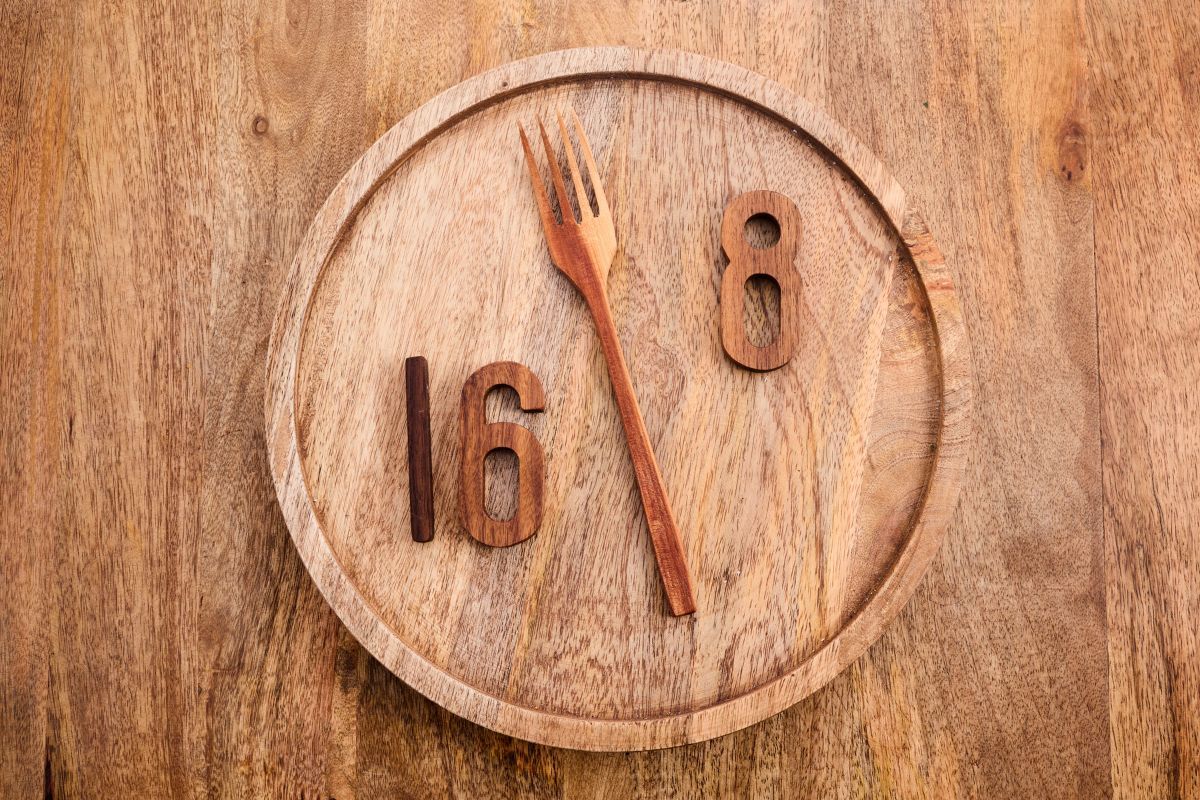
Intermittent fasting 16/8, also known simply as 16/8 fasting, is one of the most popular nutritional methods that has gained wide acceptance among people aiming to lose weight and those pursuing a healthier lifestyle. It involves dividing the day into two main periods: 16 hours of fasting and an 8-hour eating window during which meals are consumed. The standard pattern usually skips breakfast, starts the first meal around noon and finishes the last meal around 8:00 PM. However, these times can be adapted to your personal schedule — the key is maintaining the 16:8 ratio. During the fasting period, non-caloric drinks such as water, coffee, or tea are allowed, while calorie-containing products should be avoided. A fundamental aspect of the 16/8 approach is its cyclic nature — it’s not a strict diet but a change in meal timing habits. The rules of this method are based on the body’s natural biorhythms and resemble historical periods when food was not available all day. Modern research indicates that this eating pattern can effectively reduce calorie intake without counting every bite, which is an advantage over tradycyjnymi dietami redukcyjnymi. For many people, the 16/8 fast is not only simple and convenient but also easier to sustain long-term than classic diets that require significant sacrifices and complex meal planning.
The effectiveness of intermittent fasting 16/8 relies on leveraging the body’s natural metabolic mechanisms that adapt to periodic food absence. After several hours from the last meal, insulin levels begin to drop and the body shifts from burning glucose to utilizing stored fat in tissues. This state, known as lipolysis, increases the release of free fatty acids and their use as an energy source. Regularly repeating fasting periods stimulates autophagy — the cellular cleansing process that removes damaged components and supports regeneration — which translates not only into reduced body fat, especially around the abdomen, but also improved metabolic markers such as insulin sensitivity, lipid profile and blood pressure. Scientific studies increasingly confirm that intermittent fasting can support weight loss even without deliberate calorie restriction, because a shorter eating window often reduces the total number of meals and snacks consumed. Importantly, when practiced correctly, 16/8 fasting does not necessarily lead to muscle mass loss, particularly if the diet supplies adequate protein and the individual maintains regular physical activity. Reducing abdominal obesity is crucial for health, as visceral fat in this area promotes the development of chronic diseases like type 2 diabetes, fatty liver and cardiovascular conditions. It’s worth noting that 16/8 fasting does not mandate specific food types, but meals should ideally be composed of high-quality sources of complete protein, healthy fats, vegetables and whole grains. This approach enhances weight-loss results while improving overall fitness, physical performance and well-being, making the 16/8 fast a flexible strategy that can be adapted to one’s lifestyle, work schedule and food preferences.
Dlaczego post przerywany pomaga w redukcji otyłości brzusznej?
Abdominal obesity, also called central obesity, is a dangerous type of excess fat located mainly around the waist. This fat is particularly harmful because visceral fat surrounds internal organs and increases the risk of type 2 diabetes, hypertension, atherosclerosis, lipid disorders and heart disease. The 16/8 intermittent fast addresses the challenge of reducing abdominal obesity primarily through effects on hormonal balance, insulin stabilization, altered energy utilization and natural appetite regulation. During prolonged periods without food, insulin levels fall; insulin is the hormone responsible for storing fat, especially around the abdomen. In fasting periods, the body, deprived of new energy sources from food, increasingly taps into fat stores located in this strategic area. This process is called lipolysis and is promoted not only by an energy deficit but also by the metabolic response to extended fasting. Moreover, many studies show that intermittent fasting improves cellular insulin sensitivity, meaning insulin is secreted less frequently and in smaller amounts — which effectively inhibits further abdominal fat accumulation and initiates the burning of existing fat tissue. Another notable effect of fasting is reduced ghrelin (the hunger hormone) and increased production of growth hormone during fasting periods, which supports regeneration and fat burning. During fasting, the body not only burns accumulated fat but also activates autophagy, enhancing vitality and metabolic health.
An interesting aspect of 16/8 fasting is the reduced frequency and quantity of meals, which in many cases naturally lowers total daily calorie intake. A shorter eating window reduces the temptation to snack on sweets and high-calorie treats that promote abdominal fat storage. Instead of rigid calorie counting, the body self-regulates appetite through hormonal changes — leptin and ghrelin stabilize, improving hunger control and eating habits. Beyond its physiological effect on fat burning, intermittent fasting 16/8 also helps preserve muscle mass, which is crucial for resting metabolism and long-term weight-loss maintenance, as discussed in metabolic training plans. Numerous studies have shown that during fasting the body predominantly uses fat stores and that ketone body production during longer fasting periods supports resistance to insulin resistance, reverses adverse metabolic changes and reduces visceral fat. Another mechanism is the reduction of systemic inflammation, which is closely linked to abdominal obesity — fasting lowers inflammatory markers and improves lipid profiles, further supporting waistline reduction. It’s also worth noting that intermittent fasting 16/8 is easy to implement daily, which contributes to its effectiveness — people following this model more often achieve noticeable reductions in abdominal fat without the yo-yo effect. Finally, adapting meal timing to personal preferences positively influences motivation and consistency, which are key success factors in fighting abdominal obesity.
Efekty postu przerywanego 16/8 – ile można schudnąć w miesiąc?
Implementing the 16/8 intermittent fast often leads to noticeable results within the first month. However, these effects largely depend on individual factors such as baseline body weight, activity level, lifestyle and the quality of meals consumed during the eating window. According to studies, people practicing intermittent fasting can expect weight loss of around 2–4 kg over four weeks when maintaining a healthy, moderate calorie deficit and a balanced diet. Initial weight loss can be more pronounced in those with higher baseline abdominal obesity, as the first kilos usually reflect water loss due to insulin regulation and reduced consumption of simple sugars. The thermogenic impact of intermittent fasting is seen not only in weight reduction but also in decreased waist circumference, a key parameter for monitoring visceral fat loss. Many people observe a visibly flatter stomach, improved body definition and a feeling of lightness after a month of 16/8 fasting. These results are amplified by physical activity (especially resistance training and cardio) and eliminating highly processed foods from the diet. The time restriction itself — eating only within an 8-hour window — leads many people to intuitively consume fewer calories without tracking intake. Proper macronutrient distribution, abundant protein for satiety and incorporating healthy fats and vegetables support weight loss while preserving muscle mass. Importantly, 16/8 fasting helps prevent the yo-yo effect because it teaches healthier habits around hunger control, awareness of what and when we eat, and better recognition of bodily signals.
The benefits of intermittent fasting are not limited to the scale. Within 2–4 weeks of starting 16/8 many people report improved concentration, increased energy and a reduction in post-meal drowsiness, linked to more stable blood glucose and insulin levels. Clinical studies also indicate that regular fasting, even without severe calorie restriction, contributes to lower LDL cholesterol, triglycerides and inflammatory markers, which benefits metabolic and cardiovascular health. A significant advantage is the reduction of visceral fat — stored in the abdominal cavity and associated with higher risk of type 2 diabetes and heart disease. Fasting triggers autophagy, the process of removing damaged cellular components, which improves organ function and may slow certain aging processes. Clinical trials have shown that intermittent fasting helps protect muscle mass during weight loss, distinguishing it from typical low-calorie diets that often cause muscle loss and metabolic slowdown. For some people, after a month of this eating model there is a clear improvement in both body measures and well-being. Prioritizing a healthy circadian rhythm, limiting evening snacking and maintaining regular fasting windows eliminate energy spikes and crashes, thus reducing emotional eating episodes. While the pace of weight loss varies by age, sex, activity level and body fat amount, most people can see a real and lasting reduction in both weight and waist circumference within the first month — a motivating start for longer-term change.
Najskuteczniejsze okna żywieniowe według badań
Contemporary science increasingly examines how different intermittent fasting schedules affect health and weight-loss effectiveness, especially regarding abdominal obesity and metabolic improvement. The eating window — the period when meals are allowed — is a key factor determining the method’s success. The most widespread and well-studied system is the 16/8 fast (16 hours fasting, 8-hour eating window), but the literature also describes other variants like 14/10, 18/6 or even more restrictive 20/4 (the warrior diet). Reviews of recent studies indicate that the strongest evidence for effectiveness — in terms of body weight reduction, visceral fat loss and improved metabolic biomarkers — has been gathered for 16/8 and 14/10 windows. For example, a 2020 meta-analysis published in âNutrientsâ showed that 16/8 intermittent fasting significantly reduces body weight, particularly abdominal fat mass, while preserving muscle mass. Other studies suggest that choosing an earlier eating window (e.g., 8:00 AM–4:00 PM instead of 12:00 PM–8:00 PM) further improves insulin sensitivity and supports regenerative mechanisms by better aligning with the human circadian rhythm (chronotype). Clinical experiments found that participants using 16/8 and 14/10 on average experienced greater waist reductions and a lower risk of metabolic syndrome compared to those with longer eating windows or traditional restrictive diets. Shorter windows like 18/6 or 20/4 can produce faster weight loss but are often harder to implement and maintain long-term, and some studies show a higher risk of nutrient deficiencies and lower energy levels. Therefore, physicians and dietitians most often recommend 16/8 or 14/10 as the most optimal and safe options for beginners and for people struggling with insulin resistance or abdominal obesity.
Interestingly, not only the length but also the timing of the eating window may matter. Research on early time-restricted feeding (eTRF) highlights that finishing meals earlier in the evening (for example, having the last meal before 5:00 PM) can enhance the metabolic benefits of intermittent fasting and improve abdominal fat reduction efficiency. An experiment by researchers at the University of Alabama found that participants using a 6-hour early eating window showed greater reductions in fasting glucose and insulin compared to those eating later. Moreover, earlier eating windows are associated with better sleep quality and higher daytime energy, which matters for physically active people and those with demanding schedules. In summary, the available research clearly points to 16/8 and 14/10 as the most effective and easiest-to-maintain eating windows, with a recommendation to start them earlier in the day. Such fasting not only supports targeted abdominal fat reduction but also improves lipid profiles, lowers the risk of type 2 diabetes, helps regulate blood pressure and enhances overall metabolic parameters while minimizing side effects commonly seen with more restrictive regimens.
Post przerywany a poprawa zdrowia metabolicznego
The 16/8 intermittent fast is not only an effective way to manage body weight but also a method that positively affects broad metabolic health. One of the main mechanisms through which fasting impacts the body is modulation of insulin levels and improved cellular sensitivity to this hormone. Regularly limiting the eating window means the body spends a significant portion of the day without dealing with excess glucose and insulin, improving carbohydrate metabolism. Clinical studies indicate that people practicing intermittent fasting can see fasting insulin levels decrease by several percent and experience reductions in HOMA-IR, a measure of insulin resistance. For individuals with impaired glucose metabolism — such as prediabetes, insulin resistance or type 2 diabetes — regular fasting can be a practical tool to help control symptoms and lower complication risks. Beyond its positive effect on insulin resistance, 16/8 fasting also improves other metabolic parameters — it significantly reduces triglycerides, total cholesterol and LDL (âbadâ cholesterol) levels while supporting rises in beneficial HDL. This reduces the risk of atherosclerosis, hypertension and other cardiovascular diseases often accompanying abdominal obesity. Additionally, fasting triggers autophagy, the process of cellular repair and removal of damaged components. This mechanism not only improves organ function but may also limit inflammation, slow aging processes and, according to some studies, lower the risk of certain cancers.
A major advantage of intermittent fasting is its effect on hunger management and appetite-regulating hormones. Fasting periods lower ghrelin (the hunger hormone) and increase leptin-associated satiety over time, making calorie control easier in the long run. This facilitates adopting healthy nawyków and eliminates snacking that destabilizes blood glucose and spikes insulin. This is especially important for people with metabolic syndrome X, which includes obesity, hypertension, hypercholesterolemia and insulin resistance. Epidemiological studies and randomized controlled trials indicate that implementing 16/8 fasting for several weeks leads to significant improvements across key metabolic parameters: reduced body weight, smaller waist circumference, lower blood pressure and improved blood lipid levels. Moreover, fasting increases tissue insulin sensitivity even in people without obesity, demonstrating the method’s broad efficacy. Intermittent fasting 16/8 also helps preserve muscle mass during weight loss, positively affecting resting metabolic rate and reducing the risk of the yo-yo effect. Fewer daily meals also mean less exposure to chronic low-grade inflammation — now considered one of the main drivers of diet-related diseases and accelerated aging. People practicing intermittent fasting often report better sleep quality, higher daytime energy and improved concentration, supporting daily physical and mental performance. All these mechanisms lead to a holistic improvement in metabolic health, and consistent use of this eating model can be an effective element in preventing and managing lifestyle-related diseases.
Jak ułożyć jadłospis i osiągnąć najlepsze rezultaty?
The key to success with 16/8 intermittent fasting is not only adhering to the eating window but also thoughtfully composing a meal plan that supports abdominal fat reduction, prevents energy swings and ensures all essential nutrients. When planning meals for the 8-hour window, focus on quality, variety and balance. Each meal should be based on a valuable protein source (such as poultry, fish, eggs, lean meat or legumes) that promotes satiety, supports recovery and protects muscle mass. Complement these with healthy fats — cold-pressed oils (e.g., olive oil, flaxseed oil), avocado, nuts and seeds — which help control appetite, regulate hormones and aid absorption of fat-soluble vitamins. Don’t forget a large portion of vegetables, preferably seasonal and colorful, and a moderate amount of fruit for fiber, micronutrients and antioxidants beneficial for metabolism and heart health. When choosing carbohydrate sources, opt for whole grains: brown rice, groats, quinoa, wholegrain bread or oats, which provide lasting satiety and help stabilize blood glucose.
An optimal daily structure during a 16/8 fast typically includes two main meals (e.g., lunch and dinner) and one light snack eaten early in the eating window. Avoid starting with a heavy, hard-to-digest portion; a smaller, well-balanced protein-and-fat meal is a better choice to slowly provide energy after the fasting period — for example, scrambled eggs with vegetables and avocado, an omelet with spinach or natural yogurt with nuts and berries. The second main meal should be a large serving of fresh vegetables (salad or roasted vegetables) combined with a complete protein source and complex carbohydrates — grilled salmon with roasted sweet potato and broccoli, chicken breast with buckwheat and a vegetable side, or a vegan chickpea curry with quinoa. Limit sweets and highly processed snacks — they cause rapid glucose spikes and hinder fat burning. Eating in a calm environment, without rushing or distractions (phone, TV), increases satiety awareness, reduces overeating and supports digestion. Proper hydration is crucial — drink mineral water, herbal teas and unsweetened coffee throughout the day, including during fasting, to help suppress appetite. When planning meals, consider physical activity — combining training (e.g., resistance or interval training) with adequate protein and healthy fats accelerates abdominal fat loss and preserves muscle mass. Good practices also include finishing the eating window at least 2–3 hours before bedtime, which benefits sleep quality and recovery processes. A weekly meal plan, healthy lunchboxes or prepped ingredients (portion-sized vegetables, grilled meat, grains) help maintain discipline and prevent snacking outside the eating window. Incorporating planning tools (shopping lists, weekly menus) increases the likelihood of long-term success and supports mindful daily food choices, translating into effective reduction of abdominal obesity and significant improvements in metabolic health.
Summary
16/8 intermittent fasting is a simple and effective way to reduce abdominal obesity and improve overall metabolic health. After 30 days of following this method many people observe a 2–4 kg weight loss and significant improvements in well-being, including better sleep quality, glucose levels and lipid profile. Consistency in eating windows and following balanced, healthy meal plans are key. Intermittent fasting is not only a way to lose weight but a real opportunity for lasting lifestyle change and prevention of civilization diseases.


