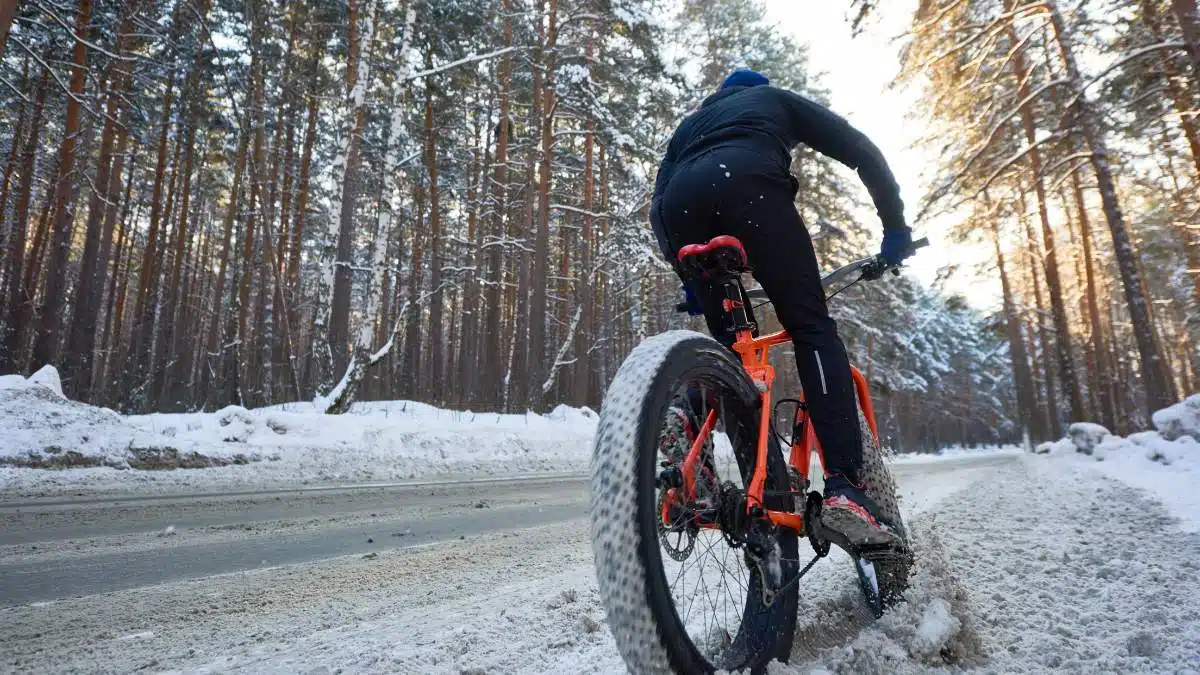
Cycling games through the winter may seem like a crazy idea, but for many two-wheeler enthusiasts, it’s a year-round passion. With the right preparation and attitude, a bicycle can be a great means of transport even on the coldest days. In this article, we will dispel doubts and suggest how to enjoy cycling in winter.
Spis treści
Is cycling in winter for everyone?
Before you jump on the saddle, it is worth considering whether you are ready for winter challenges. Driving in cold temperatures, on snow and ice requires good physical condition and resistance to cold. If you are a person who gets cold easily or has health problems, consult your doctor before starting winter training.
How to prepare a bike for winter conditions?
Your bike also needs special treatment in winter. Here are some key steps:
- Tyres: Opt for tires with aggressive tread that will provide better grip on snow and ice. You may also want to consider lowering your tire pressure to increase your contact patch with the ground.
- Fenders: Essential to protect you and your bike from slush and road salt.
- Lighting: In winter, the days are shorter and visibility is limited. Take care of efficient and strong lighting – both front and rear.
- Lubrication: Use a low-temperature and moisture-resistant grease to protect the drivetrain and other moving parts of the bike.
- Brakes: Check the condition of the brake pads and cables. Make sure your brakes are working properly in all conditions.
How to dress for cycling in winter?
Appropriate clothing is the key to comfort and safety during winter driving. The “onion” principle works perfectly. Several thinner layers will provide better thermal insulation than one thick one.
- Base layer: Breathable thermoactive underwear will wick moisture away from the skin, preventing you from cooling down.
- Middle layer: A fleece or sweatshirt made of insulating material will provide additional insulation.
- Shell: The windproof and waterproof jacket will protect you from wind, snow and rain.
- Gloves: Choose warm and waterproof gloves that will provide comfort and good grip on the handlebars.
- Cap: It will protect your head and ears from the cold.
- Scarf or balaclava: Extra protection for the face and neck.
- Boots: Choose waterproof shoes with a thick sole that will keep you warm and protect you from getting wet.
Driving technique in winter conditions
Cycling in winter requires more caution and attention. Here are some tips:
- Reduce Speed: Adjust your speed to the road conditions. On a slippery surface, it is easier to lose control of the bike.
- Keep more spacing: Extend the distance to the vehicles in front of you so you have more time to react.
- Avoid sudden maneuvers: Sudden braking or turning can cause skidding.
- Be careful when cornering: Reduce your speed before the turn and lean slightly inwards.
- Look further ahead: Anticipating the situation on the road is crucial for safety.
- Use the brakes sensitively: Gentle and gradual braking will prevent the wheels from locking.
Benefits of cycling in winter
Cycling in winter is not only a challenge, but also many benefits:
- Improvement of physical condition: Riding in more difficult conditions is more demanding on the body, which contributes to increased efficiency.
- Immune Boost: Regular outdoor activity toughens up the body and strengthens the immune system.
- Improved well-being: Physical activity stimulates the production of endorphins, happiness hormones.
- Saving time and money: A bicycle is a fast and economical means of transport, especially in congested cities.
- Contact with nature: Winter landscapes have their own unique charm.
Summary
Cycling in winter is a great way to stay in shape, strengthen immunity and improve well-being. However, remember to properly prepare yourself and your bike for winter conditions. By following our tips, you can enjoy a safe and comfortable ride even on the coldest days.