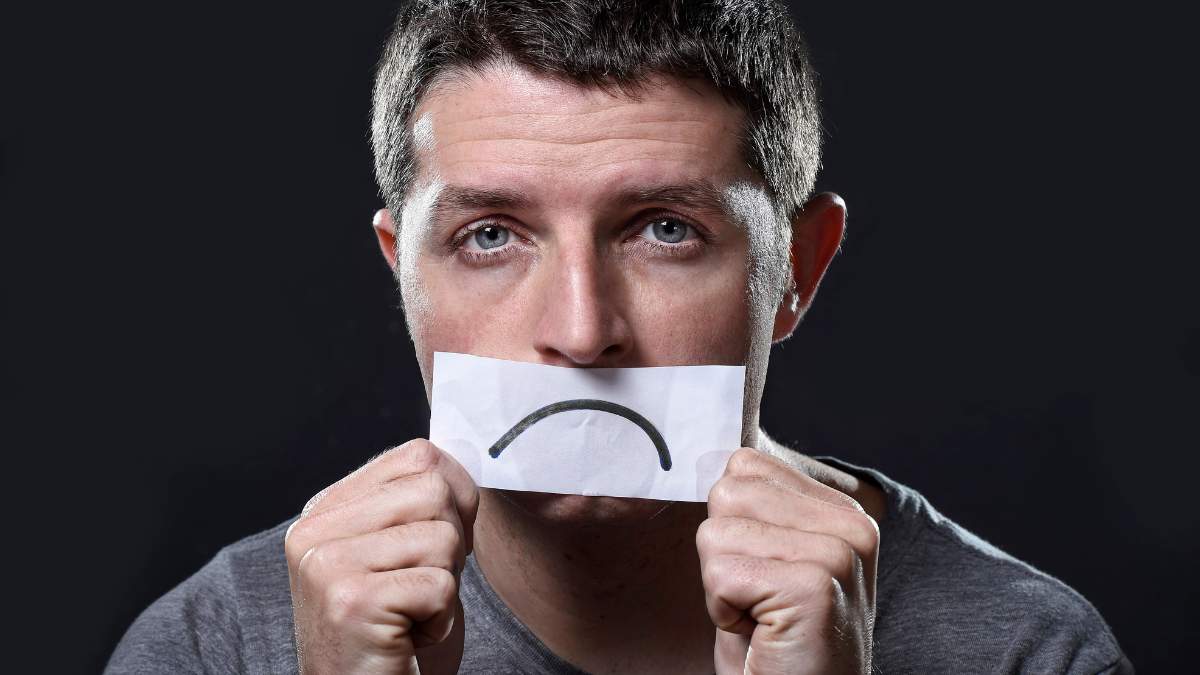
Depression in Men
Depression is a serious mental disorder that affects millions of people around the world, regardless of gender, and men suffer from depression as often as women. It is estimated that globally about 280 million people suffer from depression, which is about 3.8% of the population. Among adults, the figure is 5%, with men at 4% and women at 6%. Forecasts by the World Health Organization (WHO) indicate that by 2030 depression may become the most common disease in the world.
Spis treści
Why Are We Talking About Male Depression? We break myths
In Poland, this problem affects about 1.2 million people. Data from the National Health Fund from 2021 show that 682 thousand patients were diagnosed with depression, and 1.5 million people filled prescriptions for reimbursed antidepressants. What’s more, a study conducted by UCE RESEARCH and the ePsycholodzy.pl platform in early 2023 revealed that more than 70% of adult Poles notice symptoms often associated with depression, an increase of more than 11 percentage points compared to the previous year.
Despite such a large scale of the problem, depression in men often remains undiagnosed, underdiagnosed and untreated. Men, compared to women, are less likely to admit to experiencing mental difficulties and less likely to seek professional help. This reluctance stems from a number of factors, including the stigma surrounding mental health problems, the pressure of societal expectations of “masculinity” – being strong, composed, and unemotional – and the fact that depression in men can take on a different, often atypical, clinical picture. Untreated depression in men carries the risk of serious consequences, such as problems in interpersonal relationships, difficulties in professional functioning, the development of addictions, and in extreme cases can lead to suicide. The statistics are alarming – men take their own lives much more often than women.
There is a noticeable disparity: although men are less likely to receive a formal diagnosis of depression, suicide rates are much higher in them. This fact suggests that the real scale of the problem of depression among men may be much greater than the official statistics show, and the disease often remains “invisible”, hidden behind a façade of strength or masked by unusual symptoms. This “invisibility,” however, has very real and often tragic consequences, highlighting the urgent need to raise awareness of the specifics of male depression.
How to Recognize Depression in a Man? Not only sadness

Depression is not a sign of weakness of character or a temporary deterioration of mood, but a serious illness that requires appropriate diagnosis and treatment. The diagnosis is made by a psychiatrist or clinical psychologist on the basis of strictly defined diagnostic criteria, taking into account the duration and severity of symptoms.
In Poland, the ICD-10 classification criteria are most often used. According to them, in order to diagnose a depressive episode, it is necessary to determine the presence of at least two of the three basic symptoms for at least two weeks. These are:
- A depressed mood that is not affected by external events.
- Loss of interest and ability to feel pleasure (anhedonia) from activities that were previously enjoyable.
- Decreased energy leading to increased fatigue and reduced activity.
In addition, there must be at least two other symptoms, such as:
- Impaired concentration and attention.
- Low self-esteem and low self-confidence.
- Guilt and low self-worth.
- A pessimistic, dark vision of the future.
- Recurrent thoughts of death or suicide, or any suicidal behavior.
- Sleep disorders.
- Decreased appetite.
An alternative, often used classification in the world is DSM-5. The criteria for a major depressive episode according to the DSM-5 are largely consistent with the ICD-10. They require the presence of five (or more) symptoms during the same two-week period, which represent a change from previous functioning. At least one of the symptoms must be either (1) a depressed mood or (2) a loss of interest or pleasure (anhedonia). Other symptoms include, m.in, difficulty focusing, which can be a sign of depression. significant change in weight or appetite, insomnia or excessive sleepiness, psychomotor agitation or slowness, fatigue or loss of energy, feelings of worthlessness or excessive guilt, decreased ability to think or concentrate, and recurrent thoughts of death or suicide. It is worth noting that the DSM-5 also introduced new diagnostic categories, such as disorganizing mood regulation disorder, characterized by, m.in others, severe, recurrent outbursts of anger and chronic irritability. Although these criteria mainly apply to children and adolescents, they pay attention to symptoms such as anger and irritability, which may be important in the context of an atypical picture of depression in adult men.
The Male Face of Depression: Anger, Aggression and Other Unusual Signals
The image of depression in men may differ from the stereotypical perception of this disease, associated mainly with sadness and tearfulness. Men are more likely to manifest their psychological distress in ways considered more “acceptable” within traditional masculinity norms, or simply express their pain differently. Such unusual signals include:
- Irritability, explosiveness, anger, aggression: Instead of sadness, men may feel and show increased irritation, get angry easily, be rude or even verbally or physically aggressive. Such behaviors are sometimes misinterpreted as character traits (“he’s already like that”) or a reaction to stress, and not as a potential symptom of depression. Those around you may not notice that behind this “hard” exterior there is deep pain.
- Self-destructive and risky behaviors: Men with depression are more likely to engage in risky activities, such as alcohol or substance abuse, compulsive smoking, gambling, reckless driving, or engaging in dangerous sexual encounters. These behaviors may be an attempt to “self-medicate”, escape from difficult emotions, drown out the inner emptiness or an unconscious desire for self-destruction, which increases the risk of depression.
- Social withdrawal and loss of interest: As in women, men may experience apathy, loss of interest in work, current hobbies, contacts with friends and family. A decrease in libido and avoidance of intimacy are also characteristic.
- Workaholism: Sometimes men “escape” into work, trying to drown out their inner anxiety, maintain a sense of control or prove their worth. Excessive involvement in professional duties can be a mask for depression.
- Concentration and memory problems: Difficulties in focusing, making decisions, remembering information can be perceived as absent-mindedness or fatigue, but in fact they are a symptom of depression, which in men can manifest itself in a specific way.
- Feelings of emptiness and suicidal thoughts: Despite their apparent strength, men may experience a deep feeling of emotional emptiness, indifference, and a sense of worthlessness. Suicidal thoughts also occur, although they may be less often communicated directly than in women.
This difference in manifesting symptoms is largely due to cultural pressure and social expectations. Masculinity norms often promote the suppression of emotions considered “weak,” such as sadness or anxiety. As a result, men may unconsciously or consciously mask their psychological pain, replacing it with more “acceptable” or stereotypically “masculine” behaviors. Aggression then becomes an expression of frustration, and risk-taking becomes an attempt to regain a sense of power or escape from inner suffering, which often applies to men suffering from depression. Substance abuse has the function of “self-medication”, which further complicates the clinical picture and delays the proper diagnosis. That is why it is so important for both the public and specialists to be sensitive to these unusual signals. Social campaigns, such as the American “Real Men. Real Depression.” , play an important role in changing this perception and making people aware that depression has many faces.
When the Body Talks About Depression: Physical Symptoms in Men
Depression is a disease that affects not only the mind, but also the body. Somatic symptoms are very common and often they are the ones that prompt a man to seek medical help – although not necessarily from a psychiatrist. Men who have difficulty verbalizing their emotions can communicate physical ailments more easily. The most common physical manifestations of depression in men include:
- Chronic fatigue and lack of energy: A feeling of constant exhaustion, even after rest, increased fatigue and a general decrease in vitality are some of the axial symptoms of depression.
- Sleep disorders: Sleep problems are very characteristic. They can take the form of insomnia (difficulty falling asleep, waking up frequently at night, waking up too early in the morning) or, on the contrary, excessive daytime sleepiness.
- Pain of various origins: Persistent headaches, backaches, muscle pains, joint pains, as well as chest pains or abdominal ailments can be a physical expression of mental suffering. Sometimes neuralgia also appears.
- Gastric problems: Depression may be accompanied by ailments of the digestive system, such as bloating, constipation, diarrhea, nausea. Changes in appetite are also common – lack of it or excessive appetite, which can lead to weight loss or gain.
- Sexual problems: Decreased libido, difficulty achieving or maintaining an erection (impotence) are common and very severe somatic symptoms of depression for men.
- Other somatic symptoms: Men may also complain of chest tightness, palpitations, dizziness, and even a feeling of cold unrelated to the ambient temperature.
A special form of depression, in which somatic symptoms dominate, is masked depression. In this case, typical psychological symptoms such as sadness or anhedonia are poorly expressed or even absent. The so-called “masks” come to the fore – most often physical ailments, but they can also be anxiety disorders, obsessive-compulsive disorders, addictions (e.g. to alcohol, work) or disorders of biological rhythms (e.g. sleep, appetite). Diagnosing masked depression is difficult, and patients often seek help from doctors of various specialties (internists, cardiologists, neurologists, gastroenterologists) for a long time before they go to a psychiatrist. A diagnostic clue may be the patient’s previous depressive episodes or the presence of mood disorders in his family. In men, masked depression can manifest itself, for example, through workaholism, aggressive discharge of emotional tension, substance abuse or general psychomotor slowdown.
The table below compares the typical and atypical/masked symptoms of depression to help understand its diverse picture in men.
Comparison of Typical and Atypical/Masked Symptoms of Depression in Men
| Symptoms often associated with depression (in both sexes) | Symptoms more commonly or specifically manifested by men / Masks of depression in men |
|---|---|
| Sadness, depression, low mood | Irritability, anger, explosiveness, aggression (verbal, physical) |
| Loss of interest and ability to feel pleasure (anhedonia) | Social withdrawal, loss of interest in work/hobbies (sometimes masked by workaholism) |
| Tearfulness | Difficulty showing “soft” emotions, suppressing sadness |
| Feelings of guilt, low self-esteem, feelings of worthlessness | Focusing on feelings of failure (e.g., as breadwinner, partner), excessive self-criticism, or blaming others |
| Suicidal thoughts, recurring thoughts of death | Suicidal thoughts (may be less openly communicated), risky behaviors (substance abuse, gambling, reckless driving, dangerous sex) as a form of escape or unconscious self-destruction |
| Fatigue, lack of energy | Chronic fatigue, lack of energy, but also hyperagitation, restlessness |
| Sleep disorders (insomnia or excessive sleepiness) | Sleep disorders as a major complaint, often masking other emotional problems |
| Changes in appetite and body weight | Changes in appetite and weight, but also gastric problems (abdominal pain, indigestion) |
| Problems with concentration and decision-making | Difficulty concentrating masked by “absent-mindedness”, memory problems |
| Psychomotor slowness or agitation are symptoms that can occur in people suffering from depression. | Slowing down, but also being overactive, workaholic |
| Complaints of physical pain | Numerous, often non-characteristic somatic complaints (headaches, back, muscle, chest, abdominal pain, neuralgia, cardiac problems without organic causes, sexual problems – decreased libido, impotence) |
| Fear, anxiety | Abuse of alcohol or other psychoactive substances as an attempt to “self-medicate” anxiety or low mood can lead to risky behavior. |
This list shows how important it is to take a broad view of the potential symptoms of depression in men. Focusing only on the “classic” symptoms can lead to overlooking a problem that manifests itself in less typical ways.
What Causes Depression in Men? Complexity of causes
Depression is a disease with a multifactorial etiology, which means that its development is influenced by a complex interaction of various factors. It is impossible to point to a single, universal cause; rather, it is a combination of innate predispositions and external factors that act as risk triggers or modifiers. Understanding these factors is crucial for effective prevention and treatment of depression and anxiety.
The Biological Roots of Depression: Genes, Brain Chemistry, and Hormones
The biological background plays an important role in the development of depression in men. Key factors include signs of depression and physical symptoms that can affect daily life.
- Genetics: Susceptibility to depression can be inherited. The risk of developing the disease is higher if there are mood disorders in the close family (parents, siblings). Studies conducted on identical twins indicate a significant share of genetic factors, reaching up to 40% of the risk. Although no single ‘depression gene’ has been identified, it is thought that certain combinations of genes may increase the predisposition to develop the disease.
- Brain Neurochemistry: Disorders in the functioning of neurotransmitters – chemicals responsible for transmitting signals between nerve cells in the brain – are strongly linked to depression. The key role here is played primarily by serotonin (often called the “happiness hormone”), dopamine (related to the reward system and motivation) and norepinephrine (affecting alertness and stress response). A decrease in the level of these neurotransmitters or disturbances in their mutual balance can lead to depressive symptoms. Many antidepressants work by modulating these neurotransmitter systems.
- Hormones: The endocrine system also has a significant impact on mood and the risk of depression, which can be especially evident in men – which is why they often experience symptoms of depression.
- Cortisol: This is the so-called stress hormone. Chronic, long-term stress leads to elevated cortisol levels in the blood. Persistently high levels of this hormone can negatively affect brain structures involved in mood regulation, such as the hippocampus, and consequently contribute to the development of depression.
- Testosterone: In men, low testosterone levels may be associated with the occurrence of depressive symptoms such as chronic fatigue, decreased energy, problems with concentration, depressed mood, irritability, and a decrease in libido and erection problems. However, this relationship is complex – low testosterone levels can be both a cause and an effect of depression. Depression itself can affect the functioning of the endocrine system.
- Inflammation: More and more research indicates a link between depression and inflammatory processes in the body. People with depression often have elevated levels of inflammatory markers, such as pro-inflammatory cytokines. Chronic, smoldering inflammation can be one of the risk factors for developing depression. In addition, many somatic diseases that occur with generalized inflammation (e.g., drinking alcohol) can affect mood and lead to symptoms of depression. autoimmune diseases, cardiovascular diseases), often co-occurs with depression.
Psychological Pitfalls: Stress, Trauma, and Thinking Patterns
Psychological factors play an extremely important role in the genesis and course of depression. These include risky behaviors that can lead to mental deterioration.
- Stress: It is one of the most important risk factors. Both acute stress, caused by sudden, difficult life events (e.g. job loss, death of a loved one, divorce, serious illness, accident), and chronic stress, resulting from long-term tension (e.g. financial problems, relationship difficulties, overload at work), can lead to the depletion of mental resources and the development of depression. Men, due to social expectations, may have particular difficulty coping with stress effectively and admitting its negative impact.
- Trauma and Post-Traumatic Stress Disorder (PTSD): Experiencing traumatic events, such as physical or sexual violence, participation in hostilities, being a victim of an accident, natural disaster, as well as neglect or violence in childhood, significantly increases the risk of developing depression. Post-traumatic stress disorder (PTSD), which can develop in the aftermath of trauma, is very often co-occurring with depression, and the symptoms of both disorders can overlap and exacerbate each other.
- Personality traits: Certain personality traits can increase susceptibility to developing depression. These include, m.in, neuroticism, i.e. the tendency to experience negative emotions (fear, sadness, anger) and excessive worry. Pessimism, low self-esteem, lack of confidence in one’s own abilities and chronic stress can also lead to depression in many people. Perfectionism can be one of the factors that contribute to the development of severe depression. (setting unrealistically high expectations and harsh evaluation of one’s own achievements) may predispose to the development of depressive disorders, especially in the face of life difficulties.
- Maladaptive thinking and coping patterns: The way we interpret reality and deal with difficulties has a huge impact on our well-being. Negative thought patterns about oneself (“I’m worthless”), the world (“the world is bad and dangerous”), and the future (“nothing good awaits me”) – known as Beck’s cognitive triad – are characteristic of depression. Rumination, i.e. persistent, recurring thoughts about problems and negative experiences, without taking constructive action, also sustain and deepen the depressive state. Difficulties in recognizing, understanding and adequately regulating one’s own emotions are also a risk factor.
Social Pressure and Cultural Expectations of Men
The socio-cultural context in which men function has a significant impact on their mental health and susceptibility to depression.
- Norms of masculinity: Traditional, often rigid patterns of masculinity impose on men the necessity of being “tough”, strong, independent, emotionally reserved and successful, especially as the main breadwinner of the family. The pressure to meet these, often unrealistic, expectations is enormous. The inability to meet them can lead to frustration, a sense of inadequacy, shame and, consequently, the development of depression. Men learn that it is “unmanly” to show “weakness,” such as sadness, fear, or a need for support.
- Stigmatization of mental problems: In many societies, including Poland, mental health problems are still a taboo subject, and people experiencing them are at risk of stigmatization and discrimination. Men are particularly afraid of being labeled “weak” or “mentally ill,” which is a powerful barrier to admitting the problem and seeking help. Depression is sometimes seen as a personal failure or an “unmanly” weakness, rather than as a disease that can and should be treated. Research shows that a significant part of the society considers depression to be an embarrassing disease.
- Social isolation: Loneliness, lack of deeper relationships and social support are significant risk factors for depression. Men, due to the patterns of self-sufficiency instilled in them and difficulties in building close, trusting relationships (outside of a partnership), may have less extensive emotional support networks than women. Withdrawal from social contacts is both a symptom of depression and a factor that exacerbates it.
- Professional and financial pressure: Work-related problems – such as unemployment, excessive workload, bullying, job dissatisfaction, job insecurity (e.g. in the context of the development of artificial intelligence and automation) – and financial difficulties are significant stressors that can contribute to the development of depression in men. Working long hours has also been linked to an increased risk of mental health problems. The role of “primary breadwinner” often incumbent on men adds to this pressure.
Social expectations and stigma create a vicious circle. A man experiencing symptoms of depression, such as sadness or anxiety, confronts the social imperative to “be strong” and the negative perception of “weakness”. Fearing judgment and etiquette, he suppresses his emotions and avoids talking about problems. This, in turn, leads to a growing sense of loneliness and isolation, even when surrounded by people. Isolation and lack of support are self-contained risk factors for depression and worsen already existing symptoms. In such a situation, the man may try to cope in a non-constructive way, for example through alcohol abuse or aggressive behavior, which further distances him from others and makes it difficult to obtain adequate help. Breaking this vicious circle requires action on many levels: social education to change harmful stereotypes of masculinity, promoting open communication about mental health, and creating safe spaces where men can seek support without fear of ridicule.
Lifestyle and Depression: How Do Daily Habits Affect Mood?
Daily lifestyle choices and habits have a significant impact on overall mental well-being and can play a role in both the development and treatment of depression.
- Stimulants (alcohol, drugs, cigarettes): Alcohol and drug abuse is a common but destructive attempt to cope with the symptoms of depression in men. These substances can improve mood in the short term or help to “forget” about problems, but in the long run they exacerbate depressive symptoms, lead to the development of addiction and numerous health and social problems. Alcohol is a depressant, so its regular consumption can aggravate the state of low mood. Compulsive smoking is also sometimes mentioned as one of the ways to cope with tension.
- Diet: The way you eat has a direct impact on brain function and mood. An unhealthy diet, rich in highly processed foods, simple sugars, unhealthy fats (e.g. trans), and poor in essential vitamins, minerals and omega-3 fatty acids, can negatively affect mental well-being. The Mediterranean diet, rich in vegetables, fruits, whole grains, fish and healthy fats, is often recommended to support mental health. B vitamins, tryptophan (an amino acid that is a precursor of serotonin) and zinc are particularly important for the proper functioning of the nervous system.
- Physical activity: Lack of regular physical activity is a significant risk factor for the development of depression. A sedentary lifestyle and resignation from exercise can intensify the feeling of fatigue, apathy and lower mood. Regular physical exercise, on the other hand, acts as a natural antidepressant.
- Sleep: Sleep disorders – both insomnia and excessive sleepiness – are one of the key symptoms of depression, but at the same time they can exacerbate it, creating a vicious circle. Insufficient and poor quality sleep negatively affects emotional regulation, the ability to concentrate and overall well-being during the day.
Male Depression and Daily Life: Impact on Work and Relationships
Depression in men is rarely without impact on their daily functioning. This disease can significantly disrupt the ability to work and maintain satisfactory relationships with loved ones, becoming a “silent” destructor of these important spheres of life.
Depression and functioning at work: Symptoms of depression, such as loss of energy, problems with concentration, loss of motivation or anhedonia, directly translate into productivity and commitment to professional duties. A man suffering from depression may have difficulty focusing on tasks, make more mistakes, procrastinate (procrastination), feel reluctant to go to work, and even withdraw from professional activity altogether. In extreme cases, this can lead to job loss, which further exacerbates the mental crisis and financial problems.
What’s more, the work environment itself can be a source of stress that contributes to the development or severity of depression. Factors such as excessive demands, mobbing, conflicts with co-workers, lack of support from superiors or a sense of being undervalued can have a negative impact on mental health. It is also important to distinguish between depression and burnout. Although the symptoms of both of these conditions may be similar (e.g. chronic fatigue, loss of job satisfaction, problems with concentration), burnout primarily affects the sphere of work, while depression is more generalized and affects all aspects of life. However, it should be remembered that untreated burnout can turn into full-blown depression over time. The effects of depression in the workplace also have an economic dimension – it is estimated that the costs associated with sickness absenteeism and reduced productivity of employees with depression are significant for the entire economy.
Depression and relationships: Depression also has a destructive effect on intimate and family relationships. A man experiencing depression may become emotionally unavailable, withdrawn, avoid physical intimacy and conversation. He often develops irritability, a tendency to irritability, and even aggressive behavior towards his partner and other family members. Communication problems, decreased libido, loss of interest in spending time together and involvement in family life are common consequences of the disease.
The partner and family of a person suffering from depression often feel helpless, rejected, misunderstood and burdened with additional responsibilities and the need to cope with the difficult behaviours of the patient. Such a situation, if it lasts for a long time and there is a lack of proper understanding and support (also for the supporter), can lead to serious crises in the relationship and even to its breakdown. Problems at work can generate additional financial stress, which puts even more strain on relationships, and conflicts in the relationship can, in turn, exacerbate depressive symptoms in a man.
Changes in a man’s behavior, both in the professional sphere and in personal relationships, should not be downplayed or explained only by a “bad day” or a “difficult character”. They can be a signal of developing depression. Recognizing the problem early and taking appropriate steps, including seeking professional help, can prevent difficulties from escalating and help you rebuild both your career and relationships.
How to Deal with Male Depression? Ways to Regain Balance
Fighting depression is a process that requires time, commitment and often professional support. The key is to break down the internal and external barriers that make it difficult for men to seek help, and then use available treatments and self-help strategies.
Breaking the Taboo: Why Men Don’t Seek Help and How to Change It?
Despite growing awareness of mental health, men still face numerous barriers to getting help for depression. The most important of them include:
- Shame and fear of stigma: The deep-seated belief that depression is a sign of weakness rather than an illness makes men afraid to admit the problem, fearing judgment, rejection, and losing their “strong” status.
- The pressure of social expectations: Patterns of “true masculinity” promote emotional suppression, self-sufficiency, and dealing with problems alone. Asking for help is often seen as a failure.
- Lack of knowledge: Insufficient knowledge about the symptoms of depression (especially the atypical ones) and the available forms of treatment may delay the decision to seek support. Men may downplay their symptoms, explaining them as overwork, stress or a temporary drop in form.
- Reluctance to talk about feelings: Traditional upbringing often does not teach boys to recognize and express their emotions in a healthy way, which makes it difficult to communicate mental problems in adulthood.
Even if men realize that something is wrong, internal resistance and fear of social consequences can keep them from seeing a specialist. Statistics from the US show that in 2022, only about 41.6% of adult men with any diagnosed mental illness received treatment in the past year.
Changing this situation requires multidirectional actions. Social education and awareness campaigns, such as the American initiative “Real Men. Real Depression.” conducted by the National Institute of Mental Health (NIMH). The aim of such activities is to normalize the conversation about men’s mental health, debunk harmful stereotypes and provide reliable information about the symptoms of depression and treatment options. Showing the stories of men who have gone through depression and recovered can be extremely inspiring and motivating for others.
It is extremely important to emphasize that early diagnosis and treatment significantly increase the chances of full recovery and avoiding serious, long-term consequences of the disease, such as professional problems, relationship breakdown or suicide attempts.
Professional Help for Depression: Psychotherapy and Medication
In the treatment of depression in men, as in women, two main methods are the basis: psychotherapy and pharmacotherapy. Often the best results are achieved by combining them.
Psychotherapy: It is a fundamental form of depression treatment, which involves regular meetings with a qualified therapist. The aim of psychotherapy is to help the patient understand the causes and mechanisms of their disease, change negative patterns of thinking and behavior, learn healthier ways of coping with emotions, stress and life difficulties, as well as rebuild self-esteem and improve the quality of life. There are several trends of psychotherapy that have been proven to be effective in treating depression:
- Cognitive Behavioral Therapy (CBT): It focuses on identifying and modifying dysfunctional (negative, unrealistic) thoughts and related maladaptive behaviors that contribute to the formation and maintenance of depression. CBT is a structured, often short-term (several to several months) and goal-oriented therapy. The patient learns specific skills to cope with symptoms.
- Psychodynamic therapy: It assumes that current emotional problems, including depression, are rooted in past experiences, unconscious internal conflicts, and relationship patterns formed early in life. This therapy aims to help the patient gain insight into these unconscious processes, work through unresolved conflicts and understand how they affect their current well-being and functioning. It can lead to profound and lasting changes in personality and the way of living. Studies confirm its effectiveness, and some even point to its superiority in the long term.
- Interpersonal Therapy (IPT): It focuses on the relationship between the symptoms of depression and problems in the patient’s current interpersonal relationships. It assumes that difficulties in relationships (e.g. conflicts, grief, changes in life roles, deficits in social skills) can cause or sustain depression. The purpose of IPT is to help the patient identify and address these interpersonal issues. It is also a structured and usually short-term therapy (12-16 weeks).
- Family therapy or couples therapy: It can be very helpful when one partner’s depression significantly affects the functioning of the entire family system or relationship, especially when depressed men often experience physical symptoms. It helps to improve communication, mutual understanding and develop common coping strategies.
The choice of a specific trend of psychotherapy should be tailored to the individual needs, preferences of the patient and the specificity of his or her problems, after consultation with a specialist.
Pharmacotherapy: Antidepressants are often an essential part of treatment, especially in cases of moderate to severe depression, or when symptoms significantly hinder daily functioning. Their main purpose is to restore a neurochemical imbalance in the brain, leading to improved mood, reduced anxiety, and energy restored. The decision to start pharmacotherapy and choose a specific drug is always made by a psychiatrist after a thorough assessment of the patient’s condition.
There are several main groups of antidepressants:
- Selective serotonin reuptake inhibitors (SSRIs): They are among the most commonly used first-line drugs due to their relatively good tolerability and fewer side effects compared to older groups of drugs. Examples are: escitalopram, sertraline, fluoxetine, paroxetine, citalopram. Typical, though usually temporary, side effects might include: nausea, diarrhea or constipation, headaches, sleep disturbances (insomnia or excessive sleepiness), anxiety, as well as sexual dysfunction (e.g., decreased libido, orgasm problems).
- Serotonin and norepinephrine reuptake inhibitors (SNRIs): They act on two neurotransmitters. Examples: venlafaxine, duloxetine. The side effect profile is similar to SSRIs, although there may also be an increase in blood pressure or excessive sweating.
- Tricyclic antidepressants (TLPDs): These are older generation drugs, still effective, but with a higher risk of side effects. Examples: amitriptyline, clomipramine. They can cause, m.in others, dry mouth, constipation, drowsiness, weight gain, dizziness, cardiac arrhythmias, and in men with an enlarged prostate gland, problems with urination.
- Monoamine oxidase inhibitors (MAOIs): They are used less frequently, usually in cases of drug-resistant depression when other drugs have proven ineffective. They require following a special diet (avoiding products rich in tyramine) due to the risk of dangerous interactions. Side effects may include nausea, vomiting, insomnia.
- Other antidepressants: There are also many other drugs with different mechanisms of action, e.g. trazodone, bupropion, mirtazapine, agomelatine, vortioxetine.
Important information about pharmacotherapy that every patient should know about (in accordance with m.in guidelines of the Polish Psychiatric Association):
- Individual drug selection: The psychiatrist selects the drug and its dose individually, taking into account the severity of symptoms, concomitant diseases, other medications taken and the profile of potential side effects.
- Waiting time for the effect: The full therapeutic effect of antidepressants usually appears after 2-4 weeks of regular use, and sometimes even later. It is important not to be discouraged by the lack of immediate improvement.
- Side effects: Most side effects occur at the beginning of treatment and are temporary – they disappear spontaneously after a few days or weeks. If they are very bothersome or disturbing, you should consult a doctor.
- Duration of treatment: Treatment of the first episode of depression should be continued for at least 6-12 months after full recovery (remission of symptoms) to prevent relapse. In the case of recurrent depression, maintenance treatment may last much longer, even several years or indefinitely.
- No Addiction: Antidepressants, when used as prescribed by a doctor, are not physically or mentally addictive.
- You must not stop taking medication on your own: Sudden discontinuation of treatment or rapid reduction of the dose may lead to the so-called withdrawal syndrome, which manifests itself, m.in others, deterioration of mood, anxiety, dizziness, flu-like symptoms, sleep disorders. Withdrawal from medication should always be done gradually, under the supervision of a doctor.
- Interactions: Tell your doctor about all other medications, dietary supplements, and herbal remedies you are taking, as they may interact with antidepressants. It is particularly important to avoid alcohol during pharmacotherapy, as it may increase the side effects of drugs (e.g. drowsiness, concentration disorders) and weaken the effectiveness of treatment.
- Regular medical supervision: Regular follow-up visits to the psychiatrist are necessary to monitor the effectiveness of treatment, possible side effects and dose adjustments.
There are no specific recommendations for choosing specific antidepressants exclusively for men. However, when selecting a therapy, the doctor takes into account the patient’s general health, coexisting diseases (e.g., prostate problems may be important when choosing certain TLPDs ) and the potential impact of drugs on sexual function, which is an important aspect of treatment for many men. Open communication with your doctor about any concerns and expectations is crucial.
In many patients, especially in cases of more severe depression, the best and most lasting results are achieved by a combination of psychotherapy and pharmacotherapy. Medications help to stabilize mood and reduce the most bothersome symptoms, which makes it easier for the patient to actively participate and benefit from psychotherapy, especially in the case of men – why they often experience emotional difficulties. Psychotherapy, on the other hand, helps to understand and work through the deeper causes of problems and to develop more durable coping mechanisms.
The table below provides a concise overview of the main groups of antidepressants.
Main Groups of Antidepressants: Mechanism of Action and Main Side Effects
| Drug group (abbreviation) | Examples of drugs | The main mechanism of action of antidepressants is the reuptake of serotonin, which can help stabilize mood. | Common Initial/Common Side Effects | Comments |
|---|---|---|---|---|
| SSRI | Escitalopram, Sertraline | Increasing serotonin levels in the brain | Nausea, diarrhoea/constipation, headache, insomnia/drowsiness, decreased libido, restlessness (usually at first) | Often first-line drugs; side effects are usually temporary; relatively safe. |
| SNRI | Venlafaxine, Duloxetine | Increasing serotonin and norepinephrine levels in the brain | Similar to SSRIs; possible: increased blood pressure, dry mouth, excessive sweating | Effective, especially in depression accompanied by chronic pain or increased anxiety. |
| TLPD | Amitriptyline, Clomipramine | Serotonin and norepinephrine reuptake blockade; Effects on other receptors | Dry mouth, constipation, drowsiness, weight gain, dizziness, abnormal heart rhythm, visual disturbances | Older generation drugs; more potential side effects; caution in the elderly and those with heart disease. |
| IMAO | Moclobemide (RIMA) | Inhibition of the enzyme monoamine oxidase (reversible for RIMA) | Nausea, vomiting, insomnia, dizziness; RIMA (moclobemide) have fewer dietary restrictions than classic MAOIs | Used less frequently, mainly in drug-resistant depression; classic MAOIs require a strict diet. |
It should be remembered that pharmacotherapy is an important, but often not the only element of depression treatment. The information in the table is for reference only and is not a substitute for consultation with a doctor.
Self-Help for Depression: What Can You Do for Yourself Today?
Self-help strategies play an important role in supporting professional treatment of depression, alleviating its symptoms and preventing relapse. Although they will not replace specialist therapy in the case of severe disease, they can significantly contribute to improving well-being and regaining control over one’s own life. Here are some practical steps a man struggling with depression can take:
- Lifestyle changes:
- Physical activity: Regular exercise is one of the most effective natural antidepressants. Physical exercise, such as walking (even a short 10-minute walk can help), running, swimming, cycling or yoga, improves mood, reduces stress and anxiety, increases the level of endorphins (the so-called happiness hormones) and serotonin, and lowers the level of cortisol (the stress hormone). Moderate-intensity activity of about 45-60 minutes is recommended, at least 3 times a week. Even a small but systematic activity is beneficial. Scientific studies confirm that regular exercise can be as effective as pharmacotherapy in the treatment of mild to moderate depression, especially in the long term.
- Healthy diet: What we eat has a direct impact on our well-being. A balanced diet rich in vegetables, fruits, whole grain cereal products, lean protein (including fish, which is a source of omega-3 fatty acids) and healthy fats (e.g. olive oil, nuts) is recommended. Highly processed foods, excess sugar, unhealthy fats, and caffeine and alcohol intake should be avoided, as well as the consumption of caffeine and alcohol, which can negatively affect mood. The Mediterranean diet is often recommended as a nutrition model to support mental health. B vitamins, tryptophan (a precursor of serotonin), zinc and omega-3 fatty acids are particularly important.
- Sleep hygiene: Regular and quality sleep is the foundation of mental well-being. You should aim to sleep about 7-9 hours a day, maintain consistent times for going to bed and getting up (even on weekends) and take care of the right conditions in the bedroom (darkness, silence, comfortable temperature). It is worth avoiding caffeine, heavy meals and intense physical exercise immediately before bedtime, as well as limiting exposure to blue light emitted by screens. If you find it difficult to fall asleep, instead of lying in bed and getting frustrated, it is better to get up for a while and do something calm and relaxing (e.g. reading a book in low light).
- Relaxation techniques: Practicing relaxation techniques regularly helps reduce tension, anxiety, and stress, as well as improve awareness of one’s own body and emotions.
- Mindfulness: It consists in consciously directing attention to the present moment – to our thoughts, feelings, sensory experiences – without judging them. Mindfulness practice can include meditation, breathing exercises, as well as mindful of daily activities. It helps reduce racing thoughts and anxiety.
- Jacobson’s Progressive Muscle Relaxation: This technique involves consciously tensing and then relaxing individual muscle groups in the body, which leads to deep physical and mental relaxation.
- Schultz’s autogenic training: A method based on autosuggestion, which involves evoking sensations of weight and heat in various parts of the body, which leads to a state of relaxation.
- Breathing exercises: Focusing on the breath and practicing deep, diaphragmatic breathing is a simple yet very effective way to calm the mind and reduce tension.
- Other techniques: It is also worth trying other relaxation methods, such as aromatherapy (the use of essential oils with a calming effect), massage, listening to calm music or spending time in nature.
- Maintaining a routine and activity: Depression often takes away energy and motivation to act. That is why it is so important to try to maintain a regular daily rhythm as much as possible – fixed times for meals, sleep, work and rest. Planning your day and setting small, realistic goals can help you regain a sense of control and agency. It is also worth engaging in activities that used to be enjoyable, even if it is now difficult to feel joy from them – a gradual return to activity can help break apathy.
- Hobbies and interests: Returning to old passions or finding new interests can be a valuable source of satisfaction, help distract from negative thoughts and give life meaning.
- Avoiding isolation: Depression often leads to withdrawal from social contacts. Meanwhile, maintaining relationships with other people, talking to loved ones, meeting friends (even if they require effort) are extremely important for well-being. A sense of belonging and support from others can be a buffer against the deepening of depression.
- Stress reduction: It is worth identifying the main sources of stress in your life and considering whether you can reduce or eliminate them. If this is not possible, it may be helpful to learn new, healthier ways to respond to and cope with stress (e.g., through relaxation techniques, assertiveness).
- CBT-based self-help: There are numerous self-help materials available – books, guides, computer programs or mobile applications – based on the principles of cognitive-behavioral therapy. They can be a valuable complement to professional treatment or be the first step towards change.
The table below collects the most important self-help strategies that may be especially useful for men struggling with depression.
Practical Self-Help Strategies for Male Depression
| Area | Specific Activities/Techniques | Benefits/Why is it important? |
|---|---|---|
| Physical activity | Regular walks (e.g. 30 minutes a day), running, cycling, swimming, strength training, team sports, yoga. | Improved mood (secretion of endorphins), reduction of stress and anxiety, better quality of sleep, increase in energy levels, improved self-esteem. |
| Healthy Diet | Eating plenty of vegetables and fruits, whole grains, lean protein (including fish rich in omega-3 fatty acids), healthy fats (olive oil, nuts, avocados). Avoiding highly processed foods, excess sugar, unhealthy fats, limiting alcohol and caffeine. | Better brain function, mood stabilization, providing essential nutrients, more energy. |
| Sleep hygiene | Regular bedtime and wake-up times (7-9 hours of sleep). Creating appropriate conditions in the bedroom (dark, quiet, ventilated room). Avoiding screens (phone, computer, TV) 1-2 hours before bedtime. Limiting caffeine and heavy meals in the evening. | Full regeneration of the body, improvement of concentration and memory, mood stabilization, reduction of irritability and fatigue. |
| Relaxation techniques | Daily practice of mindfulness meditation (even 10-15 minutes), deep breathing exercises, Jacobson’s progressive muscle relaxation, Schultz’s autogenic training, yoga, tai chi. Listening to calm music, spending time in nature. | Reduction of mental and physical tension, reduction of anxiety and stress levels, improvement of awareness of one’s own body and emotions, better coping with intrusive thoughts. |
| Social contacts | Maintaining regular contact with friends and family. Talking to trusted people about your feelings and problems. Consider joining a support group for people with depression. | A sense of belonging and understanding, reducing social isolation, being able to get practical and emotional support. |
| Maintaining a Routine and Activity | Planning your day, setting small, realistic goals. Regular mealtimes, work/study, rest. Engaging in activities that used to be enjoyable, even if it’s difficult now. | Restoring a sense of control and structure, preventing apathy, gradually regaining energy and motivation. |
| Hobbies & Interests | Taking time to develop your passions or discover new interests. | Distraction from negative thoughts, a source of satisfaction and pleasure, a sense of meaning and purpose. |
| Reducing stress | Identifying the main stressors in life. Avoiding or limiting exposure to stressful situations as much as possible. Learning assertiveness and healthy ways of coping with stress. | Reducing the negative impact of stress on mental well-being, preventing the worsening of depression symptoms. |
Implementing these strategies takes time and patience. It is important not to set too high expectations for yourself and to be happy with small progress.
Support is key: How can loved ones help a man with depression?
The support of a partner, family and friends plays an invaluable role in the recovery process of a man struggling with depression. However, helping a depressed person can be difficult and taxing. Therefore, it is important for loved ones to know how to effectively support the patient and at the same time take care of their own well-being.
How to talk and show support:
- Education about depression: The first step is to gain knowledge about the disease. Understanding that depression is not laziness, ill will, or a momentary whim, but a serious disorder that affects thoughts, feelings, and behavior will help you take a more empathetic approach.
- Patient listening without judgment: Creating a safe space where a man can (if he wants) talk openly about his feelings is extremely important. Listen carefully, without interruption, criticism or unsolicited advice.
- Showing empathy and understanding: Instead of saying “pull yourself together”, “others have it worse” or “you exaggerate”, it is worth showing understanding for their suffering and assuring them of your presence and support. Messages like “I see you’re hurting and I’m here for you” can be more helpful.
- Claiming that depression can be cured can lead to greater hope among patients. A gentle but consistent reminder that depression is a treatable disease and that it is possible to recover with the help of specialists can give hope.
- Appreciating small progress: The recovery process is often slow and full of ups and downs. It is important to appreciate every, even the smallest step forward (e.g. getting out of bed, eating a meal, going for a short walk).
Practical help:
- Help with daily chores: A depressed person often lacks the strength or motivation to perform even the simplest daily activities. Helping with shopping, cooking, cleaning or taking care of children can be a big relief. However, it is important not to do everything for the patient, but to encourage them to take up activities to the best of their current abilities.
- Encouraging activity: Gentle encouragement to engage in activities that used to be enjoyable or to spend time together (e.g. a walk, watching a movie) can help break the isolation. However, forcing or exerting pressure should be avoided.
- Support in seeking professional help is important because men with depression often have difficulty recognizing their problems. Help in finding the right specialist (psychiatrist, psychotherapist), making an appointment, and even accompanying the patient to the first meetings (if the patient agrees) can be crucial, especially if the man himself finds it difficult to take these steps.
- Supporting the treatment process: Taking medication regularly and attending therapy sessions is extremely important. Relatives can gently remind about it and motivate them to continue treatment.
What to do when a man refuses help? This is a common and very difficult situation for loved ones. Men, due to the aforementioned barriers, may deny the problem, avoid talking or react aggressively to attempts to help. In this situation, it’s important to understand that men with depression often try to manage their symptoms on their own.
- Don’t be discouraged, but also don’t push too hard: Excessive pressure can backfire. Patience and consistency are important.
- Express your concern gently and coherently: Talk about your feelings and observations (e.g., “I’m worried about you because I see you’ve been sad/tired/irritable lately”) and reassure them that you’re ready to help when they’re ready.
- In the event of a suicide risk – act immediately: If a man talks about suicide, plans it or attempts to self-harm, it should be treated as an alarm signal and immediate specialist help should be sought (ambulance, emergency room of a psychiatric hospital). The attending physician and other trusted people around you should be informed about it, even if the patient has asked for confidentiality. Safety and life come first.
Taking care of yourself as a supporter: Supporting someone struggling with depression is extremely emotionally and physically taxing. Loved ones often experience helplessness, frustration, sadness, anger, and may even be at risk of developing mental health problems or burnout themselves. That is why it is so important for supporters to also take care of their health and well-being:
- Set boundaries: You cannot take all the responsibility for the health and happiness of another person. It’s important to set healthy boundaries and not sacrifice all of your resources.
- Seek support for yourself: Talking to friends, other family members, as well as seeking professional help (e.g. support groups for families of people with depression and one’s own psychotherapy are not a sign of selfishness, but a necessary condition for effective and long-term support of the patient, especially men – the symptoms of depression can be difficult to understand.
- Don’t give up on your own life: Try to maintain your own interests, socialize and take care of your own needs as much as possible. This will help you maintain your strength and mental balance.
Let’s remember that supporting a depressed man is a double challenge: helping the patient regain his health and at the same time taking care of his own resources. Only a person who feels relatively stable himself is able to effectively help others.
Where to Look for Help in Poland? Important Addresses and Helplines
In Poland, there are many places where men struggling with depression and their relatives can get professional help and support. Both public health facilities and non-governmental organizations and telephone lines are available.
Medical institutions and facilities:
- General practitioner (POZ): It can be the first place a person concerned about their mental state to go. A primary care physician may conduct an initial assessment, order basic tests (to rule out somatic causes of symptoms) and, if necessary, issue a referral to a psychiatrist (although a referral to a psychiatrist is not currently required) or a psychologist.
- Mental Health Clinics (PZP): These are specialist facilities where you can get free (under the National Health Fund) psychiatric and psychological help. A referral is required (to a psychologist, not to a psychiatrist).
- Mental Health Centers (CZP): A newer form of psychiatric care organization, offering comprehensive, community-based assistance to people with mental disorders. They work in a specific area and provide easier access to various forms of therapy.
- Psychiatric hospitals: Hospitalization may be necessary in the most severe cases of depression, especially when there is a high risk of suicide, severe psychotic symptoms, or when outpatient treatment is ineffective.
- Crisis Intervention Centres (OIK): They offer free and often immediate psychological, psychiatric and social help to people in a sudden mental crisis. Usually, no referral is required.
Helplines and helplines: These are very important sources of help, especially for people who feel lonely, need an immediate conversation or are hesitant to visit a specialist. Consultants offer emotional support, information about treatment options, and refer you to appropriate facilities.
- 116 123: A nationwide helpline for adults in emotional crisis. It is free of charge and open 7 days a week (duty hours are worth checking, various sources give 14:00-22:00 or 24:00). There is also an online platform 116sos.pl, allowing you to contact via chat or form.
- 800 70 2222: A round-the-clock, free Support Line for People in a State of Mental Crisis, run by the ITAKA Foundation. Psychologists are on duty to provide advice by phone, e-mail and chat.
- (22) 594 91 00: Antidepressant Telephone Forum Against Depression. Open on Wednesdays and Thursdays from 5:00 p.m. to 7:00 p.m. (call cost according to the operator’s tariff).
- (22) 484 88 01: Antidepressant Helpline of the ITAKA Foundation. It is worth checking the duty hours on the stopdepresji.pl website.
- (22) 290 44 42: Helpline of the “Faces of Depression” Foundation. A psychologist for adults is on duty on Tuesdays and Wednesdays from 9:00 a.m. to 11:00 a.m.
- There are also specialist helplines for children and adolescents (e.g. 116 111) and for seniors (e.g. (22) 635 09 54), which can be helpful for relatives of people with depression.
Support groups: Participation in support groups can be a valuable complement to individual therapy. It gives you the opportunity to meet people with similar experiences, exchange information, gain understanding and feel that you are not alone with your problem. Information about support groups (stationary and online) can be sought in Mental Health Clinics, Mental Health Centres, Crisis Intervention Centres, as well as through patient organisations and foundations dealing with mental health (e.g. the “Faces of Depression” Foundation, Forum Against Depression ).
Non-governmental organizations and foundations: There are many non-governmental organizations and foundations in Poland that offer various forms of help to people with depression and their relatives. These can be, m.in others, free psychological consultations, psychoeducation, workshops, as well as conducting information and advocacy campaigns. It is worth looking for such organizations in your area or operating online that offer support to people suffering from depression.
The table below collects key contact information that can be helpful in seeking support.
Where to Look for Help in Poland – Selected Institutions and Helplines
| Type of help | Name/Number | Availability/Notes |
|---|---|---|
| Crisis Phone | 116 123 | Free of charge, for adults in emotional crisis. Open 7 days a week (the hours are worth checking on the 116sos.pl website). Online contact via 116sos.pl possible. |
| Round-the-clock support line | 800 70 2222 | Free help is available to people in a state of mental crisis, which is especially important for those who suffer from depression (ITAKA Foundation). Open 24/7. Chat and email contact are also available. |
| Clinic (NFZ) | Mental Health Clinic (PZP) | Free psychiatric and psychological assistance under the National Health Fund. A referral to a psychiatrist is not required, but to a psychologist (from a primary care physician or psychiatrist). |
| Centre (NFZ) | Mental Health Center (CZP) | Free, comprehensive psychiatric and psychological care under the National Health Fund, operating in the community (in specific regions). A referral is usually not required. |
| Intervention Center | Crisis Intervention Centre (OIK) | Free, immediate psychological, psychiatric, legal and social assistance in crisis situations. A referral is usually not required. Addresses on www.oik.org.pl. |
| Anti-depressant phone | (22) 594 91 00 (Forum Against Depression) | Open on Wednesdays and Thursdays 17:00-19:00. The cost of the call according to the operator’s tariff. |
| Anti-depressant phone | (22) 484 88 01 (ITAKA Foundation) | Duty hours should be checked on the stopdepresji.pl website. |
| Organization/Foundation | “Faces of Depression” Foundation | Helpline (22) 290 44 42 (Tue, Wed 9-11 for adults), free psychological assistance programs, information on the twarzedepresji.pl website. |
Remember that seeking help is the first and most important step on the road to recovery. You’re not alone.
Summary
Depression in men is a real and serious health problem that too often remains in the shadow of social stereotypes and individual fears. As shown in this article, its causes are complex, and the symptoms can be diverse and not always obvious, often masked by behaviors considered typically “masculine”, such as aggression, workaholism or substance abuse. Untreated depression leads to enormous suffering, destroys relationships, ruins professional career and in extreme cases can end tragically.
However, the key message is that depression is a disease that can and should be effectively treated. Various forms of help are available, from psychotherapy, through pharmacotherapy, to self-help strategies and support from loved ones. Overcoming internal resistance and reaching for professional help is not a sign of weakness, but a proof of strength, courage and responsibility for one’s own health and life.
It is extremely important to change the social perception of male depression – moving away from harmful stereotypes and building a culture in which men can talk openly about their mental health problems without fear of stigmatization. Education, empathy and readiness for support from the environment can work wonders.
If you recognize yourself or a man close to you as experiencing the symptoms described in this article, don’t hesitate to seek help. You can get out of depression. You can regain the joy of life, energy to act and satisfying relationships. The first step, although often the most difficult, is the beginning of the road to health.