
Diet for muscle mass
A mass gain diet is a precisely planned way of eating, the primary goal of which is to increase muscle mass. It is based on providing the body with the right amount of calories and macro- and micronutrients to create optimal conditions for hypertrophy, i.e. muscle growth. However, this is not a random overeating, but a conscious process of providing the body with the necessary “building blocks” – nutrients – which are the foundation for building new muscle fibers and accelerate regeneration after intense strength training sessions. The main goals of the mass diet include effective building of muscle mass, increasing strength and endurance, as well as supporting the body’s regenerative processes.
Spis treści
What is a Mass Gain Diet and Why Is It Crucial for Gym Exercisers?
The importance of proper nutrition in the context of strength training cannot be overestimated. Diet and training are two inseparable elements that must work together to achieve the intended results. Strength training provides a stimulus for growth, initiating adaptive processes in the muscles, while diet provides the building materials and energy necessary to carry out these processes. Without the right “fuel” and “building blocks”, even the best-planned and hardest-performing training will not bring the expected results in the form of muscle mass gain. Diet is the foundation on which strength and mass are built, and neglecting it can lead not only to a lack of progress, but even to regression, despite the effort put into exercise.
Many people see diet and training as two separate pillars. However, their relationship is much more complex and synergistic. Strength training leads to the formation of micro-injuries in muscle fibers, which is a signal for the body to repair and build them up, i.e. hypertrophy. A mass diet, by providing the right amount of protein and energy, enables these anabolic processes. In the case of an insufficient supply of nutrients, the body does not have the resources for effective regeneration and growth, and training, instead of being an anabolic stimulus, becomes only a source of stress and fatigue. The effects do not add up in a simple way (training + diet = some effect), but rather multiply (good training * good diet = optimal effect). A poor diet can completely nullify the effects of even the most advanced training program. Therefore, it is crucial to understand that investing time and effort in training without equally careful diet planning is ineffective. What’s more, a diet for mass is not only about “eating more”, but above all about “eating smarter”. Although a caloric surplus is the foundation, it is equally important to provide “the right amount of macronutrients and micronutrients” and to take care of the “balance” of the diet. This distinguishes the professional approach from the common understanding of “mass” as permission to consume everything in unlimited quantities. From the very beginning, you should focus on the quality of the food you eat, not just its quantity.
The Basics of the Mass Diet: The Foundation of Your Success
The Crucial Role of Caloric Surplus in Building Muscle
In order for the body to effectively build new tissues, especially muscles, it must receive more energy (calories) than it uses for daily functioning, physical activity and metabolic processes. This extra energy, called caloric surplus, is absolutely necessary to fuel anabolic processes, i.e. building processes. Without it, even with ideal protein intake and hard workouts, muscles will not have enough “fuel” to grow. Attempts to build muscle mass with a caloric deficit are doomed to failure in advance for most people, with the possible exception of people who are completely new to strength training or people who are overweight, who may experience the so-called body composition recomposition.
How to Calculate Your Caloric Weight Requirement? (BMR, TDEE, PAL)
The process of determining caloric weight requirements begins with the calculation of two key indicators: Basal Metabolic Rate (BMR) and Total Metabolic Rate (TDEE or TMR).
Step 1: Calculating Basal Metabolic Rate (BMR) BMR (Basal Metabolic Rate) is the amount of calories that the body needs to maintain basic life functions in a state of complete rest, such as breathing, blood circulation or the work of internal organs. There are several formulas for estimating BMR:
- Harris-Benedict formula:
- For men: BMR=66+(13.7×weight [kg])+(5×height [cm])−(6.8×age [years])
- For women: BMR=655+(9.6×weight [kg])+(1.8×height [cm])−(4.7×age [years])
- Mifflin-St Jeor formula (considered more accurate):
- For men: BMR=(10×weight [kg])+(6.25×height [cm])−(5×age [years])+5
- For women: BMR=(10×weight [kg])+(6.25×height [cm])−(5×age [years])−161
- Simpler formula (less accurate): BMR=weight [kg]×24 hours. It should be remembered that its limited use and lower precision should be remembered.
Understanding BMR is the first step to personalizing your diet. The availability of different calculation methods allows you to choose the most suitable one, taking into account their varying accuracy.
Step 2: Calculate total metabolic rate (TDEE/TMR) TDEE (Total Daily Energy Expenditure), or TMR (Total Metabolic Rate), is the total amount of calories burned by the body during the day. It takes into account BMR and energy expended on all physical activity, from daily activities to planned workouts. Most often, TDEE is calculated by multiplying BMR by the Physical Activity Level (PAL): TDEE=BMR×PAL
An alternative, more detailed approach to calculating TDEE adds up BMR, EAT (Exercise Activity Thermogenesis), TEF (Thermic Effect of Food), and NEAT (Non-Exercise Activity Thermogenesis). TDEE is the key value from which the caloric surplus will be calculated, so a precise estimate of the level of physical activity (PAL) is extremely important here.
Formulas for Calculating BMR and Physical Activity Rates (PAL)
| Formula/Factor | Women | Men |
|---|---|---|
| Harris-Benedict | 655+(9.6×weight)+(1.8×height)−(4.7×age) | 66+(13.7×weight)+(5×height)−(6.8×age) |
| Mifflin-St Jeor | (10×weight)+(6.25×height)−(5×age)−161 | (10×weight)+(6.25×height)−(5×age)+5 |
| Activity Level | PAL Factor | Activity Description |
| Sedentary lifestyle | 1,2 | No or very little exercise, sedentary work |
| Low activity | 1,375 | Light exercise or sport 1-2 days a week |
| Moderate activity | 1,55 | Moderate exercise or sport 2-3 days a week |
| High activity | 1,725 | Intense exercise or sports 4-5 days a week, physical work |
| Very high activity | 1,9-2,4 | Very intense exercise, physical work or sports 6-7 days a week, professional athletes |
Optimal caloric surplus: how much to add to grow without being flooded with fat?
Once the TDEE is calculated, the next step is to determine the appropriate caloric surplus. Most often, it is recommended to add 300-500 kcal per day to the TDEE value. Alternatively, you can increase the calorie intake by 10-20% above TDEE. This range allows for a gradual and controlled increase in muscle mass, while minimizing the risk of excessive fat accumulation. Too much caloric surplus inevitably leads to faster fat gain, which will later require a longer reduction period. On the other hand, too small a surplus may turn out to be insufficient for effective stimulation of anabolic processes and muscle growth.
It is crucial to monitor progress regularly. The optimal weight gain is about 0.25-0.5 kg per week or 0.25-0.5% of total body weight per week. If the gain is faster, consider reducing calories slightly. If, on the other hand, the scale stands still for a long time, it may be necessary to increase the supply of calories. It is finding this “golden mean” that is the key to the so-called pure mass, i.e. maximizing muscle growth with minimal accumulation of unwanted fat.
It is worth remembering that individualization of calorie content is a dynamic process. The calculated BMR and TDEE values are only a starting point. Metabolism adapts to changes in diet and training, activity levels can fluctuate, and the body’s response to a given calorie supply is always an individual matter. Therefore, there is no one “magic number of calories” suitable for everyone and at every stage. It is necessary to regularly track your weight, body circumference, body appearance and general well-being in order to adjust your calorie intake on an ongoing basis. This highlights the need to actively manage your diet rather than blindly stick to calculations.
The psychological aspect of caloric surplus also often appears. Many people, especially those with experience in reducing body fat or who are concerned about gaining weight, may feel a barrier to consciously increasing their calorie intake. On the other hand, underestimating the demand and too little surplus is a common mistake made by people who want to increase weight. It is important to understand that a controlled surplus, based on quality products, minimizes the risk of unwanted fat gain. A slight gain in body fat is often an unavoidable part of the muscle building process and is acceptable as long as muscle growth remains a priority.
When it comes to the calorie calculation process itself, there are various methods available, ranging from simpler to more complex. While more precise formulas, such as Mifflin-St Jeora, are recommended , for a beginner, even a simpler, regularly used approach, combined with observing the effects and adjusting the diet, will be better than no control over calorie intake at all. Consistency and the ability to adapt your diet to your body’s reactions are more important than perfect precision at the very beginning.
Macronutrients in the Mass Diet: Building Blocks, Energy and Regulation
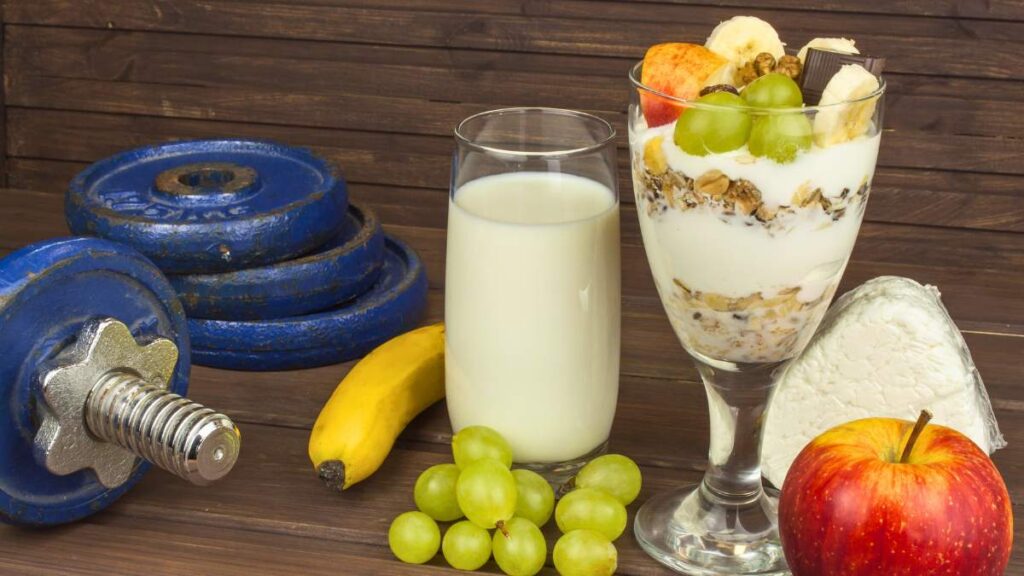
Achieving a caloric surplus is fundamental, but it is equally important where these calories come from. Macronutrients play a key role here: proteins, carbohydrates and fats. Each of them has specific functions in the process of building muscle mass, providing building blocks, energy and supporting hormonal regulation, which is crucial in a diet for muscle gain. General recommendations for the percentage of macronutrients in the daily calorie intake of a mass gain diet often oscillate around: 15-25% energy from protein, 50-60% from carbohydrates and 20-35% from fats. However, it should be remembered that these are approximate values and may require individual adjustment depending on the type of body type, intensity of training, metabolism and personal preferences.
Recommended Macronutrient Distribution by Weight (% and g/kg of body weight)
| Macronutrient | Recommended Proportion % in the Calorie Content of the Diet | Recommended Intake (g/kg b.w.) |
|---|---|---|
| Protein | 15-25% | 1.6-2.2 g |
| Carbohydrates | 50-60% | 4-7 g* |
| Fats | 20-35% | 0.8-1.5 g |
Protein – an essential building block of your muscles
Protein is an absolutely key macronutrient in a diet aimed at gaining muscle mass. It acts as the basic building block of muscle tissue, is necessary for the repair of micro-injuries to muscle fibers that occur during intense strength training, and for the synthesis of new muscle proteins (MPS – Muscle Protein Synthesis). In addition, an adequate supply of protein supports the body’s regenerative processes.
The recommended protein intake during the period of building muscle mass is normally between 1.6 and 2.2 grams per kilogram of body weight per day. It is important to understand that exceeding these values will not necessarily translate into better anabolic effects if the body’s basic need for this macronutrient is already met. To optimize muscle protein synthesis, it is suggested to evenly distribute protein intake throughout the day, providing about 20-40 grams of protein in each main meal, eaten every 3-4 hours.
When choosing protein sources, it is worth betting on those with high biological value. Animal proteins such as lean meats (chicken, turkey, lean beef), fish (salmon, tuna, cod), eggs and dairy products (cottage cheese, Greek yogurt, skyr, milk) are considered complete because they provide all the essential essential amino acids in the right proportions.
For people on plant-based diets, excellent sources of plant protein are legumes (lentils, chickpeas, beans, peas, soybeans and its products such as tofu or tempeh), pseudocereals (quinoa, amaranth), nuts, seeds (e.g. pumpkin seeds, hemp seeds, chia, flaxseed) and some cereal products. However, it should be remembered that most plant proteins (with the exception of e.g. soy or quinoa) are incomplete, which means that they may not contain all essential amino acids in optimal amounts or be characterized by lower digestibility compared to animal proteins. Therefore, it is crucial to skillfully combine different sources of plant protein throughout the day to provide the body with a complete amino acid profile. In the case of vegan diets, some experts even suggest a slightly higher protein intake (e.g., about 20% more than with mixed diets) to compensate for the lower bioavailability.
Best Protein Sources (Animal and Vegetable) with Protein Content per 100g of Product
| Source of protein | Approximate protein content (g/100g) |
|---|---|
| Animal protein | |
| Chicken breast (skinless) | 22-31 |
| Turkey breast (skinless) | 22-23 |
| Beef tenderloin | 20-26 |
| Salmon | 20-22 |
| Tuna (in water) | 23-25 |
| Eggs (whole) | 12-13 |
| Low-fat/semi-skimmed cottage cheese | 18-20 |
| Skyr / Greek yogurt | 10-12 |
| Vegetable Protein | |
| Lentils (cooked) | 9-10 |
| Chickpeas (cooked) | 7-9 |
| Beans (cooked, various types) | 7-10 |
| Tofu | 8-16 |
| Tempeh | 18-20 |
| Quinoa (cooked) | 4-6 |
| Pumpkin seeds | 25-30 |
| Almonds | 20-21 |
| Peanut butter (100% nuts) | 22-25 |
Carbohydrates – Fuel for Your Workouts and Recovery
Carbohydrates are the main and most effective source of energy for the body, and their role in the diet of a person training at the gym cannot be overestimated. They provide the “fuel” necessary to carry out intense training sessions and are crucial for regenerative processes, including the reconstruction of muscle and liver glycogen stores, which are depleted during exercise. Adequate carbohydrate intake accelerates regeneration and helps prevent muscle catabolism.
There are two main types of carbohydrates: simple and complex, which differ in the speed of digestion and their effect on blood glucose levels. Complex carbohydrates (e.g. starch, fibre) are digested more slowly, which ensures a gradual and stable release of energy. They should be the basis of a mass diet, especially in meals eaten every day and before training (with adequate protein in the mass diet). 1-3 hours in advance to avoid stomach discomfort). Simple carbohydrates (e.g. glucose, fructose) are digested quickly and rapidly raise blood sugar levels, providing a quick energy boost. Their role in a mass gain diet is more specific – they can be beneficial immediately after training to quickly replenish muscle glycogen or possibly in small amounts just before a very short and intense exercise. However, excessive consumption of simple sugars from processed foods should be avoided.
The best sources of complex carbohydrates in a mass gain diet are wholegrain cereal products (e.g. wholemeal bread, wholemeal pasta, oatmeal, buckwheat, millet, pearl barley, bulgur, quinoa), rice (especially brown, but also basmati or jasmine as an element of variety), potatoes, sweet potatoes and legumes. Valuable sources of simple carbohydrates (which also provide vitamins and minerals) are fruit (e.g. in a diet for muscle mass). bananas, grapes, dates, raisins) and honey.
The recommended carbohydrate intake for a mass gain diet is relatively high, typically between 4 and 7 grams per kilogram of body weight per day. In the case of people who perform very intense and long-lasting workouts, this demand can increase up to 8-12 g/kg of body weight.
Fats – Hormonal and Energy Support
Fats, often wrongly demonized, play an extremely important role in a mass diet. They are essential for the proper functioning of the body, including the production of anabolic hormones such as testosterone, which is crucial for muscle building. In addition, fats are necessary for the absorption of fat-soluble vitamins (A, D, E, K), which have numerous regulatory and protective functions. They are also the most concentrated source of energy (1 g of fat = 9 kcal, compared to 4 kcal from 1 g of protein or carbohydrates) and are the building blocks of cell membranes in the diet for muscle mass.
It is crucial to distinguish between the types of fats:
- Unsaturated fats (mono- and polyunsaturated, including omega-3 and omega-6) are considered “healthy fats”. They have a beneficial effect on the cardiovascular system, brain function, have anti-inflammatory properties and should make up the majority of fats consumed.
- Saturated fats, found mainly in animal products (e.g. fatty meats, butter, full-fat dairy products) and some vegetable oils (coconut, palm), should be consumed in moderate amounts. Their complete elimination is not necessary, but excess can negatively affect the lipid profile.
- Trans fats, formed mainly in the processes of industrial hardening of vegetable oils, are found in highly processed foods, fast food, hard margarines and confectionery products. They are unequivocally harmful to health and should be absolutely avoided, especially in a diet for muscle mass.
The best sources of healthy unsaturated fats are: extra virgin olive oil, linseed oil (eaten cold), rapeseed oil, avocado, various types of nuts (walnuts, almonds, hazelnuts, cashews, Brazil, pecans), seeds (flaxseed, chia seeds, pumpkin seeds, sunflower seeds), oily sea fish (salmon, mackerel, herring, sardines – rich in omega-3) and peanut butter (choose 100% nuts, without added sugar and palm oil).
The recommended intake of fats in a mass gain diet should be about 20-35% of the total daily caloric intake. On a gram basis, this can be around 0.8-1.5 grams per kilogram of body weight. It is important not to follow low-fat diets when building muscle mass, as this can negatively affect hormone production and overall body function.
When composing a diet for mass, it is extremely important to remember that the quality of the macronutrients consumed is as important as their quantity. Choosing wholesome, unprocessed products not only ensures the right amount of protein, carbohydrates and fats, but also provides valuable micronutrients and supports overall health. A mass gain diet should not be an excuse to eat “junk food”. What’s more, macronutrients do not work in isolation. For example, carbohydrate intake along with protein, especially after training, can increase the insulin response, which promotes more efficient transport of amino acids to muscle cells and faster glycogen reconstruction. Fats are essential for the absorption of vitamins A, D, E, and K, which also play an important role in the proper functioning of the athlete’s body. It is also worth paying attention to the role of dietary fiber. A high-calorie diet, high in complex carbohydrates, often provides large amounts of fiber. Although fibre is extremely beneficial for digestive health, an excess of it with a very high calorie supply can lead to digestive problems, feeling full and make it difficult to eat enough food. Therefore, it is recommended to gradually increase the amount of fiber in the diet and observe the body’s reactions. In some cases, with extremely high caloric requirements, it is acceptable to include a certain amount of more easily digestible, purified sources of carbohydrates so as not to overload the digestive system with excess fiber.
Micronutrients & Hydration: The Unseen Heroes of Your Mass
Although the main focus in a mass gain diet is on calories and macronutrients, the role of vitamins, minerals (micronutrients) and proper hydration is absolutely fundamental to achieving optimal results, health and proper functioning of the athlete’s body. Neglecting these aspects can become a hidden barrier to muscle growth.
The role of key vitamins:
- B vitamins (B1, B2, B3, B6, B12, folic acid): They are essential in numerous metabolic processes, including the energy metabolism of carbohydrates, fats and proteins, which is crucial for providing energy during workouts. They participate in protein synthesis, red blood cell production (important for oxygen transport), proper functioning of the nervous system and support the body’s regeneration after exercise. Without an adequate supply of B vitamins, the body will not be able to effectively convert macronutrients into energy and building blocks.
- Vitamin d: It plays a key role in maintaining bone health by regulating calcium and phosphate metabolism. It also has a significant impact on muscle function, strength, and can also affect the production of testosterone – an important anabolic hormone. It also supports the immune system. Its deficiencies are common, and supplementation is often recommended, especially in autumn and winter.
- Antioxidant vitamins (C, E, A): Intense physical training leads to increased production of free radicals, which can damage cells. Vitamins C, E and A act as antioxidants, protecting the body from oxidative stress, supporting regenerative processes and the proper functioning of the immune system.
Importance of minerals:
- Magnesium: It participates in more than 300 enzymatic reactions, including energy production (ATP), protein synthesis, muscle function (prevents cramps), and the nervous system. It helps reduce tiredness and fatigue and can improve sleep quality, which is crucial for recovery.
- Zinc: It is essential for protein and DNA synthesis, the proper functioning of the immune system and the production of testosterone. It is involved in the metabolism of macronutrients.
- Iron: A key component of hemoglobin (transporting oxygen to cells, including muscles) and myoglobin. Its deficiency leads to anemia, decreased efficiency, chronic fatigue and weakened regenerative abilities.
- Calcium: Essential for bone health and strength, but also for proper muscle contraction and nerve impulse conduction.
- Potassium: An important electrolyte that regulates water and electrolyte balance, blood pressure and the proper functioning of muscles and nerves.
Intense strength training increases metabolic turnover, free radical production and the loss of certain micronutrients with sweat (especially electrolytes such as sodium, potassium, magnesium). This means that the need for many vitamins and minerals may be higher than that of people who lead a sedentary lifestyle. The standard RDA (Recommended Daily Intake) may not be sufficient for them. A mass gain diet should therefore be particularly rich in a variety of nutritionally dense foods to cover this increased demand.
The role of electrolytes (sodium, potassium, magnesium, calcium): Electrolytes are lost through sweat during intense physical exertion. They are crucial for maintaining fluid balance in the body, proper conduction of nerve impulses and the mechanism of muscle contraction. Their deficiencies can lead to a decrease in efficiency, muscle cramps and regeneration disorders.
Hydration – why is drinking water so important for bulk? Proper hydration is often underestimated, but a fundamental element of a diet for mass and overall health of an athlete.
- Muscles are made up of about 75% water, so maintaining optimal hydration is crucial for their structure and function.
- Water is essential for the efficient transport of nutrients (such as amino acids or glucose) to muscle cells and for the removal of unnecessary metabolic products.
- It plays a key role in metabolic processes, digestion and thermoregulation of the body during exercise.
- Even slight dehydration (in the order of 1-2% of body weight) can lead to a significant decrease in muscle strength, endurance, deterioration of concentration and slowing down of regenerative processes. The hydration status of a cell (cell volume) can even be an anabolic or catabolic signal to the body.
- It is recommended to consume a minimum of 2-3 liters of fluids a day, and on training days and in conditions of increased ambient temperature, this demand may increase significantly. You should drink regularly during the day, without waiting for the feeling of thirst.
Drinking enough water is not just a matter of “general health”, but a direct factor in your ability to train effectively and build muscle mass.
Mass Meal Planning: A Practical Guide
Effective meal planning is crucial for the success of a mass diet. It’s not only about what we eat, but also when and in what quantities. Regularity, proper portion sizes and a strategic approach to peri-workout nutrition are the foundations that will help maximize muscle mass gains.
Frequency of meals – how many times a day should you eat? Most sources recommend eating 4-6 meals a day as part of a mass gain diet. Such a scheme usually includes breakfast, lunch, lunch, afternoon tea (which can be used as a pre-workout meal), dinner (often as a post-workout meal) and possibly an additional, smaller snack. Arguments in favor of such frequency are:
- Regular supply of nutrients: It provides a constant supply of amino acids and energy to the muscles, which can support anabolic processes and maintain a positive nitrogen balance.
- Maintaining a constant energy level: It prevents large fluctuations in blood sugar levels and energy drops throughout the day.
- Easier intake of large amounts of calories: Spreading your daily calorie pool over more smaller meals may be easier to implement and less taxing on the digestive system than eating 2-3 very hearty dishes.
Although regularity is important, it is crucial to provide the total daily amount of calories and macronutrients. Individual preferences, lifestyle, and portion size tolerance may vary. Therefore, it is worth finding a system that is effective and sustainable in the long term.
Portion size – how to put together a mass diet and provide the right amount of calories without feeling overeaten? Consuming a large amount of calories necessary to build mass can be challenging. To make this task easier, you can use several strategies:
- Increasing the energy density of meals: Add healthy fats such as olive oil, avocado, nuts or peanut butter to your dishes – they are more than twice as caloric as proteins or carbohydrates.
- Choosing more caloric carbohydrate sources: E.g. pasta, rice, dried fruit (in moderation).
- Use of liquid calories: Protein-carbohydrate shakes, smoothies with added fruit, peanut butter, oatmeal can be an easy way to “sneak in” extra calories and nutrients.
- Incremental portion increase: If you have trouble eating large amounts, gradually increase the size of your standard meals.
- More smaller meals: As mentioned earlier, spreading your calories over a larger number of meals can help you avoid feeling overeaten. An approximate portion of protein in the main meal should be about 20-40g. It’s important not to confuse portion size with portion quality – avoid “empty calories” and “fillers” with low nutritional value.
Peri-workout nutrition should be adapted to the diet for muscle mass. What we eat immediately before and after training has a significant impact on our performance, regeneration and final results.
- What to eat BEFORE training for mass?
- Purpose: Providing the body with the energy necessary to perform an intense workout, preventing catabolic processes (muscle breakdown) and preparing muscles for effective work.
- Ingredients: A pre-workout meal should consist mainly of complex carbohydrates, which will ensure a gradual release of energy, and wholesome protein. Fats should be consumed in moderation so as not to slow down digestion excessively and not to cause discomfort during exercise.
- Time of consumption: Ideally, 1-2 hours before training, although depending on the size and composition of the meal, it can be up to 1-4 hours. Smaller, more easily digestible snacks can be eaten closer to the start of activity.
- Examples: Oatmeal with fruit and protein powder, lean chicken breast with brown rice and vegetables (a smaller portion if the meal is closer to training), sandwiches made of whole grain bread with lean cold cuts or egg and vegetables.
- What to eat AFTER a workout for mass?
- Purpose: Replenishing depleted muscle glycogen stores as soon as possible, providing amino acids necessary to repair damaged muscle fibers and initiating anabolic processes leading to their growth.
- Ingredients: A post-workout meal should be rich in easily digestible protein (e.g. whey supplement) and carbohydrates – both simple (for quick glycogen replenishment) and complex (for maintaining energy levels and further regeneration). The recommended amount of protein is 20-40g.
- Time of consumption: It is optimal to eat a meal within 1-2 hours after training. Although the existence of a narrow “anabolic window” (30-60 minutes after training) was once strongly emphasized, more recent research suggests that it is much wider, and muscle protein synthesis processes can be intensified up to 24 hours after exercise, and glycogen restoration can take up to 72 hours. Nevertheless, providing nutrients in a reasonable time after training is still beneficial.
- Examples: A protein-carbohydrate cocktail (e.g. a protein supplement mixed with banana and milk or water), chicken breast or fish with a portion of rice/groats and vegetables, an omelette with fruit and a small amount of honey.
Sample One-Day Mass Menu (approx. 3500 kcal)
| Meal | Sample dish | Approximate weights of key ingredients |
|---|---|---|
| Breakfast | Oatmeal with milk with protein supplement, banana, peanut butter and a handful of blueberries | Oatmeal (100g), 2% milk (300ml), protein supplement (30g), banana (1 medium), peanut butter (30g), blueberries (50g) |
| II Breakfast | Wholemeal bread sandwiches with egg paste (eggs, natural yogurt, chives), avocado and tomato | Wholemeal bread (4 slices), eggs (2 pieces), natural yogurt (2 tablespoons), avocado (1/2 pieces), tomato (1 medium) |
| Dinner | Roasted/grilled chicken breast with brown rice and a large portion of steamed broccoli, poured with olive oil | Chicken breast (200g), brown rice (100g dry matter), broccoli (250g), olive oil (1 tablespoon) |
| Afternoon Snack / Pre-workout (approx. 1.5-2 hours before training) | Smoothie: natural skyr, banana, spinach, oatmeal, scoop of protein powder, water/vegetable milk | Skyr (150g), banana (1 medium), spinach (a handful), oatmeal (30g), protein supplement (25g) |
| Dinner / Post-workout (up to 1-2h after training) | Herb-roasted salmon with roasted sweet potatoes and arugula, cherry tomatoes and cucumber salad with vinaigrette dressing | Salmon fillet (180g), sweet potatoes (300g), arugula (a handful), cherry tomatoes (100g), cucumber (1/2 pcs), olive oil (1 tablespoon for dressing) |
| Bedtime (optional) | Low-fat cottage cheese with a small amount of walnuts | Low-fat cottage cheese (150g), walnuts (15g) |
| All-day summary (indicative): | Calories: ~3500 kcal, Protein: ~200g, Carbohydrates: ~400g, Fats: ~120g (Values may vary depending on the exact products and their weights) |
The above menu is only an example and should be adapted to individual caloric needs, taste preferences and possible food intolerances.
Ideas for high-calorie and nutritious snacks: In a mass gain diet, where the caloric demand is high, nutritious snacks can help meet it:
- A handful of nuts (walnuts, almonds, cashews) or seeds (pumpkin seeds, sunflower seeds).
- Peanut butter (100% nuts) with fruit (e.g. apple, banana) or on rice cakes.
- Dried fruit (dates, raisins, apricots – in moderation due to the high sugar content).
- Protein and carbohydrate shakes (e.g. protein powder, banana, milk, oatmeal, peanut butter).
- Greek yogurt or skyr with fruit, nuts, seeds or granola.
- Homemade energy bars based on oatmeal, nuts, seeds and dried fruit.
- Avocado (e.g. in the form of guacamole paste with vegetables or on wholegrain toast).
- Hard-boiled eggs.
The practical aspects of preparing a large amount of food are important. A bulking diet often means having to cook and eat larger portions, which can be time-consuming and logistically challenging. It is worth considering “meal prep” techniques, i.e. preparing meals a few days in advance. Cooking larger portions of rice, groats, meat or vegetables and storing them in the fridge can significantly save time during the week. Using frozen foods (vegetables, fruits) is also a good way to diversify your diet without having to shop often. For very busy people who do not have time to prepare all the meals themselves, it may be an option to use dietary catering offering mass plans.
Supplementation for Mass: What Should You Consider?
It should be emphasized at the outset that dietary supplements are only an addition to a balanced diet and properly planned training, not a substitute for them. No supplement can replace hard work in the gym and consistency in the kitchen. However, some preparations can provide valuable support in the process of building muscle mass, making it easier to cover the increased demand for specific nutrients or intensifying training effects.
Creatine (mainly monohydrate, possibly malate):
- Effects: Creatine is one of the best-researched and most effective legal supplements used in strength sports. It increases intramuscular phosphocreatine reserves, which translates into faster resynthesis of ATP (adenosine triphosphate) – the basic energy carrier in cells. The result is an improvement in muscle strength, power and endurance, especially in short-term, intense efforts. Creatine can also contribute to increasing the volume of muscle cells (through hydration) and support the growth of lean body mass.
- The effectiveness of a diet for muscle mass can be judged by muscle gain. Scientific studies consistently confirm its positive effect on sports performance and body composition.
- Safety: Creatine monohydrate is generally considered a safe supplement when used at recommended dosages. The most common “side effect” is increased water retention in the muscles, which is a desirable effect for many people. Rarely, mild gastrointestinal problems may occur, especially at higher doses or without adequate hydration. Contrary to popular myths, creatine does not damage the kidneys in healthy people.
- Dosage: Two strategies are popular: a loading phase (e.g. 20g per day for 5-7 days, divided into smaller portions) diikuti oleh a maintenance phase (3-5g per day), or constant supplementation of 3-5g per day without a loading phase. Both methods lead to saturation of the muscles with creatine, although the second is slower, but may be gentler on the digestive system.
Protein supplements (whey: WPC, WPI, WPH; casein; plant-based: soy, pea, rice) are an important element that can be included in an example of a mass gain diet menu.
- Purpose: The main purpose of using protein supplements is to supplement the daily protein intake, especially when it is difficult to provide an adequate amount of it only from food. They are also a convenient and quick way to provide high-quality amino acids, especially after training (especially fast-absorbing whey protein).
- Types and characteristics:
- Whey protein: The most popular, fast-absorbing, rich in branched-chain amino acids (BCAAs). It comes in the following forms: concentrate (WPC – contains some amounts of fat and lactose), isolate (WPI – higher protein content, less fat and lactose) and hydrolysate (WPH – partially hydrolyzed protein, the fastest absorbed).
- Micellar casein: A slow-absorbing protein that ensures a gradual release of amino acids over a longer period of time, often used before bedtime.
- Vegetable proteins: Dedicated to vegans and people with milk protein intolerance. Popular ones are soy protein (whole), pea, rice or hemp. They often come in the form of mixtures to ensure a complete amino acid profile.
- Benefits: Support for building muscle mass, accelerating regeneration, inhibiting catabolic processes.
- Potential side effects of the diet for muscle gain: Mainly digestive problems (bloating, gas, diarrhea), especially in people with lactose intolerance (in the case of WPC) or with the consumption of low-quality products. Excessive protein intake in general can put a strain on the kidneys in people with existing medical conditions.
Gainers (carbohydrate and protein supplements):
- Composition: These are high-calorie supplements dominated by carbohydrates (often a mixture of simple and complex carbohydrates), with the addition of protein (usually in the ratio of carbohydrates to protein from 2:1 to even 5:1). They may also contain small amounts of fat, creatine, vitamins or other additives.
- Action: The main purpose of gainers is to facilitate the achievement of a caloric surplus and to provide a large amount of macronutrients in a relatively small volume. They are especially popular among ectomorphs (people with a fast metabolism, who have difficulty gaining weight) and people who, for various reasons, are not able to consume enough calories from traditional meals.
- Disadvantages: The main risk is uncontrolled fat gain if the gainer is used without an adequate caloric balance or as a replacement for wholesome meals. Many gainers contain large amounts of simple sugars. They can also cause digestive problems, especially those based on lower-quality plant proteins or containing a lot of lactose.
- Advantages: Quick and convenient delivery of calories and macronutrients, support glycogen regeneration after training.
- What to look for when choosing: The proportion of carbohydrates to protein (products with a higher protein content, e.g. “bulk” type, are often a better choice than typical gainers with a very high predominance of carbohydrates), type of protein (whey proteins, casein are preferred), type of carbohydrates (those based on complex carbohydrates, e.g. oats, waxy corn starch, are more beneficial than only on simple sugars), lack of unnecessary fillers and artificial additives.
BCAAs (branched-chain amino acids – leucine, isoleucine, valine):
- Role: Leucine plays a key role in stimulating muscle protein synthesis (MPS). BCAAs can theoretically reduce the feeling of central fatigue during prolonged exercise and reduce muscle soreness after training (DOMS).
- Justification of use: It is a supplement with quite controversial effectiveness in the context of building muscle mass, if the daily intake of wholesome protein (from diet and/or protein supplements) is at a sufficiently high level (1.6-2.2 g/kg of body weight). In such conditions, additional supplementation with BCAAs alone is unlikely to bring significant additional benefits in terms of muscle gain or strength. The body gets enough BCAAs from complete protein sources.
- Potential Application: BCAAs can be used in specific situations, e.g. during very long and exhausting training units, fasting workouts (although opinions are divided here as well) or during the period of fat reduction in order to additionally protect muscle mass, but even then the benefits may be small.
Other Popular Supplements – Review and Evaluation:
- Beta-Alanine: An amino acid that combines with histidine in the body to form carnosine. Carnosine buffers hydrogen ions in the muscles, delaying fatigue and improving performance, especially in efforts lasting 1 to 4-10 minutes. It may contribute to increased lean body mass and strength, possibly by allowing you to perform harder and more voluminous workouts. The recommended dosage is 3.2-6.4g per day, taken regularly for a period of 4-12 weeks to saturate the muscles with carnosine. A common, but harmless side effect is paresthesia (tingling of the skin). It can be effectively combined with creatine.
- HMB (β-hydroxy-β-methylbutyrate): Metabolite of leucine. It is attributed with anti-catabolic (inhibiting the breakdown of muscle proteins) and anabolic (supporting muscle building) effects. Research on the effectiveness of HMB is inconclusive; It seems that it may bring some benefits to beginners, returning after a break or in states of increased catabolism (e.g. very intense training, injuries). In advanced people, with a proper diet, the effects may be negligible.
- Citrulline (mainly in the form of citrulline malate): An amino acid that is converted into arginine in the body, which is a precursor to nitric oxide (NO). Nitric oxide dilates blood vessels, which leads to better blood supply to the working muscles, the so-called “muscle pump”. This can result in better transport of oxygen and nutrients to the muscles, as well as more efficient removal of waste products. Citrulline supplementation can improve muscle endurance, reduce fatigue and reduce muscle soreness after training, supporting regeneration.
- ZMA (zinc, magnesium, vitamin B6): The combination of these three ingredients is designed to support nighttime regeneration, improve sleep quality and optimize the level of anabolic hormones, including testosterone. The effectiveness of ZMA is most likely in people who are deficient in zinc and/or magnesium, which is not uncommon in athletes.
Popular Supplements for Mass – Overview
| Supplement Name | Main Claimed Effects | Potential benefits (briefly) | Notes/Efficacy by Studies |
|---|---|---|---|
| Creatine Monohydrate | Increase in strength, endurance and muscle mass | Increased training performance, faster ATP regeneration, hydration of muscle cells | High, well-documented |
| Whey Protein Concentrate (WPC) is an essential ingredient in the diet for muscle mass. | Supplementing protein in the diet, supporting anabolism and regeneration | Fast Amino Acid Delivery, Convenience, Muscle Building Support | High if dietary protein intake is insufficient |
| Gainer (carbohydrate and protein) | Increasing the calorie content of the diet, providing macronutrients | Easier to achieve caloric surplus, support for ectomorphs | Effective in increasing calories; risk of fat gain with poor selection or abuse; Product quality matters |
| BCAAs (Branched-Chain Amino Acids) | Anti-catabolism, MPS stimulation, fatigue reduction | May reduce DOMS and fatigue | Controversial/low if the intake of complete protein is sufficient |
| Beta-Alanine | Increase in carnosine levels, delay fatigue, increase in endurance | Improved performance in high-intensity efforts, the ability to perform harder workouts | Moderate to high, especially in certain types of exercise |
| Citrulline malate | Increase NO production, improve muscle pump, endurance | Improved blood supply to muscles, reduction of fatigue and DOMS, improved recovery | Moderate, promising research results |
| HMB | Anti-catabolism, support for building lean muscle mass | It can protect muscles, support adaptation to training | Controversial, potentially more effective in beginners or in specific conditions |
| ZMA (Zinc, Magnesium, Vit. B6) | Support for regeneration, sleep, testosterone levels | May improve sleep and recovery if nutrient deficiencies are present | Dependent on individual deficiencies |
Safety of supplementation – what to look for? When choosing and using dietary supplements, you should be guided by reason and caution:
- Choose products from reputable manufacturers: Established companies tend to place more importance on the quality and purity of their products.
- Check the ingredients carefully: Pay attention to the list of ingredients, their doses and possible additives (sweeteners, dyes, fillers). Look for quality certificates (e.g. GMP, HACCP).
- Do not exceed the recommended doses: More is not always better. Using doses higher than recommended by the manufacturer rarely brings additional benefits and may increase the risk of side effects.
- Consult your doctor or dietitian: Especially if you have any health problems (e.g. kidney, liver, heart disease) or are taking medication on a regular basis, seek advice from a specialist before starting supplementation.
- Observe the body’s reaction: Every body is different. Keep an eye out for any adverse effects and discontinue the supplement if necessary.
- Remember about regular check-ups: In the case of long-term supplementation, especially with several preparations at the same time, it is worth periodically (e.g. once a year) to perform basic blood tests (complete blood count, lipid profile, liver tests, creatinine) to monitor health.
In the world of supplements, the placebo effect and aggressive marketing play a significant role. Many preparations, despite their limited or conditionally proven effectiveness, are very popular. This is often due to the desire to find a “magic pill” to accelerate the effects, instead of composing a balanced diet for muscle mass. That is why it is so important to think critically and invest first of all in solid foundations – diet and training – and only secondarily in proven and really necessary supplements. The effectiveness of many supplements depends on the individual situation and needs. A gainer can be helpful for a person who has a problem with consuming enough calories , a protein supplement for someone who does not provide the right amount of protein with their diet, and ZMA for diagnosed zinc or magnesium deficiencies. There is no universal “weight set” suitable for everyone. Instead of recommending a specific set, it is better to understand in which situations a given supplement can be helpful and make an individual analysis of needs. It is also worth remembering about potential interactions and synergies between supplements. Some combinations can be beneficial (e.g., beta-alanine with creatine ), but using too many preparations at once, without understanding how they work, can be ineffective or even burdensome for the body. Moderation and conscious choice are key.
The Most Common Mistakes in Mass Loss Diet and How to Avoid Them
The road to building impressive muscle mass is full of potential pitfalls. Even with the best intentions, it is easy to make mistakes that will slow down progress or even lead to undesirable effects, such as excessive fat gain. Being aware of these mistakes is the first step to avoiding them.
- Too much or too little caloric surplus:
- Too much surplus: A common mistake resulting from the belief “the more, the better”. It leads to a rapid increase not only in muscles, but above all in body fat, which later requires a long and tiring reduction. It can also cause digestive problems, a feeling of heaviness and worsening insulin sensitivity.
- Too little surplus: It results in no or very slow progress in building muscle mass, which can lead to frustration and demotivation.
- Solution: The key is to calculate the individual caloric demand precisely (as far as possible), and then gradually and controllably increase the supply of calories (e.g. by 300-500 kcal or 10-20% TDEE). It is necessary to regularly monitor progress (weight, circumference, body appearance) and adjust the calorie content of the diet depending on the body’s reaction.
- “Dirty bulking” – why is it a bad idea?
- Definition: A strategy that involves consuming a huge amount of calories without paying attention to their quality, often from highly processed foods, fast food, sweets and salty snacks, in order to gain weight as quickly as possible.
- Consequences: While weight can grow quickly, it’s mostly fat gain, not quality muscle mass. “Dirty bulking” leads to numerous health problems, such as a deterioration of the lipid profile, an increase in the risk of insulin resistance and type 2 diabetes, inflammation, digestive problems, malaise, and vitamin and mineral deficiencies. In addition, the subsequent reduction of such a large amount of body fat is much more difficult and burdensome for the body.
- Solution: A much better approach is “clean bulking”, i.e. building muscle mass with a controlled caloric surplus from wholesome, nutrient-rich products.
- Insufficient or poor protein quality:
- Consequences: Protein is the basic building block of muscles. Its deficiency or consumption of protein of low biological value (incomplete) significantly hinders the processes of regeneration and building new muscle fibers. This can lead to a lack of growth or even loss of existing muscle mass, weakness, hair and nail problems, and in extreme cases, anemia.
- Solution: You should take care of an adequate supply of protein, aiming for 1.6-2.2 g per kilogram of body weight per day, coming from a variety of wholesome sources, both animal and plant (with the right combination of them).
- Improper proportions of macronutrients:
- Examples: Too little carbohydrates in the diet can result in a lack of energy during training and impaired glycogen regeneration. Too much fat, especially saturated and trans fats, at the expense of carbohydrates or protein in a mass gain diet, is also not optimal. Similarly, a diet based almost exclusively on protein, without the right amount of carbohydrates and fats, will not create ideal conditions for growth.
- Solution: Conscious balancing of the diet, taking into account the recommended proportions of macronutrients (e.g. protein 15-25%, carbohydrates 50-60%, fats 20-35% of total energy), tailored to individual needs.
- Neglecting vegetables, fruits and fiber:
- Consequences: A mass diet, focused on calories and macronutrients, can lead to skipping vegetables and fruits. This results in deficiencies of important vitamins, minerals, antioxidants and dietary fiber. This can lead to digestive problems (e.g., constipation), a weakened immune system, and an overall feeling of worse well-being.
- Solution: It is important to remember to include a minimum of 400-500 grams of various vegetables and fruits in the diet every day. It is also worth choosing wholegrain cereal products as a source of carbohydrates, which are rich in fiber.
- Lack of regularity of meals and adequate hydration:
- Consequences: Irregular meals can lead to fluctuations in energy levels, hunger pangs, and difficulty getting enough calories. Insufficient hydration negatively affects physical performance, concentration, metabolic processes and regeneration.
- Solution: Planning meals and eating them at fairly regular intervals. Drinking water systematically during the day, without waiting for the feeling of thirst.
- Underestimating the role of recovery and sleep:
- Consequences: Muscles grow when you rest, not when you train. Lack of adequate regeneration, including insufficient sleep (less than 7-8 hours a day), leads to overtraining, inhibited progress, increased levels of cortisol (a hormone with a catabolic effect) and an increased risk of injury.
- Solution: You should provide your body with the right amount of high-quality sleep, plan days off from intense training and use active forms of regeneration (e.g. light stretching, massage).
- Relying solely on supplements:
- Consequences: Supplements can never replace a well-balanced diet and proper training. Over-reliance on them leads to neglect of basics, unnecessary financial expenditure, and in some cases, can come with the risk of side effects or the consumption of contaminated products.
- Solution: Treating supplementation as a potential support and complement to the diet, not its foundation. Choosing only proven and really necessary preparations.
Mistakes in a mass gain diet often do not occur in isolation, but create a kind of domino effect. For example, the “dirty bulking” strategy is often combined with too much caloric surplus, improper proportions of macronutrients (too much trans fats and simple sugars) and neglect of micronutrients from vegetables and fruits. This, in turn, can lead to health problems that will hinder further progress and impair quality of life, so it’s important to eat mass wisely. Showing how one mistake can lead to others strengthens the case for a conscious and comprehensive approach to diet.
It is also worth paying attention to the psychological pitfalls of building mass. The pressure to gain weight quickly can lead to ill-considered decisions, such as the aforementioned “dirty bulking”. On the other hand, the fear of “flooding” yourself with fat can result in too little caloric surplus and lack of progress. Frustration with the lack of results can lead to giving up or looking for “magical” solutions in supplements. That’s why it’s so important to emphasize the importance of patience, consistency, and realistic expectations.
You should also be aware of the long-term consequences of a poor diet for mass. The effects of mistakes such as “dirty bulking” or chronic deficiencies of key nutrients are not limited to a lack of aesthetic effects. These can be serious metabolic problems (e.g. insulin resistance ), cardiovascular problems, as well as nutritional deficiencies leading to general weakness of the body and deterioration of health. A healthy and well-thought-out diet for mass is an investment not only in bigger muscles, but above all in long-term health and well-being.
Diet Is Not Everything: Synergy with Strength Training
Although a properly balanced diet for mass is absolutely crucial, it is not enough on its own to build impressive musculature. In order for the process of muscle hypertrophy to occur, an appropriate training stimulus is necessary. Diet provides building blocks and energy, but it is strength training that initiates a cascade of processes leading to muscle growth. Without regular and sufficiently intense training, the caloric surplus supplied with food will be stored mainly in the form of body fat, not muscle. It can be compared to building a house: the diet provides bricks, cement and other materials (“building materials”), but it is the builders’ work (training) that determines whether a solid structure will be built. Without design and work (training), the materials themselves (diet) will remain unused or will be used in an undesirable way (fat gain).
Strength training stimulates muscles to grow through the mechanism of hypertrophy. Intense weight-bearing exercises lead to the formation of micro-injuries in muscle fibers. In response to this damage, the body activates repair and adaptation processes, which include, m.in others, increased muscle protein synthesis. As a result, the muscle fibers become thicker and stronger, leading to an increase in total muscle mass in the diet for muscle gain. The principle of progressive overload is of key importance here, which consists in gradually increasing the training load (e.g. weight, number of sets, repetitions, intensity) as the body adapts. Without a constant supply of new, increasingly stronger stimuli, the muscles will have no reason to continue growing.
It should also be remembered that the type of training performed is important for the effectiveness of the mass diet. This nutritional strategy is optimized for strength training aimed at hypertrophy, i.e. the growth of muscle mass. Multi-joint exercises, such as squats, deadlifts, bench presses, and rows, involving large muscle groups, are typically more effective at stimulating a systemic anabolic response than isolated exercises. Typical endurance workouts (e.g. long-distance running) will have different nutritional needs and different adaptation effects, not necessarily leading to a significant increase in muscle mass, even when following a diet with a caloric surplus.
Proper regeneration is just as important as the training itself. It is during rest, and not during exercise, that muscles actually grow and rebuild. Neglecting regeneration, including insufficient sleep (at least 7-8 hours a day) and lack of days off from hard training, can lead to overtraining, inhibition of progress, and even regression.
Key Principles of the Mass Gain Diet for Maximum Results
Building muscle mass is a complex process that requires a strategic approach, consistency, and patience. An effective mass gain diet is not just a matter of eating more food, but a well-thought-out eating plan that works with properly planned strength training and provides optimal conditions for growth and recovery.
To sum up, the key principles of a mass gain diet that will help you achieve maximum results are:
- Conscious caloric surplus: Consuming 300-500 kcal (or 10-20% of TDEE) more than the daily energy requirement is the foundation for providing energy to build new tissues.
- Adequate supply and quality of macronutrients:
- Protein (1.6-2.2 g/kg b.w.): An indispensable building block of muscles, derived from wholesome sources.
- Carbohydrates (4-7 g/kg b.w. or more): The main source of energy for training and glycogen regeneration, with a predominance of complex carbohydrates.
- Fats (20-35% of calories or 0.8-1.5 g/kg of body weight): Crucial for hormone production and vitamin absorption, with an emphasis on healthy unsaturated fats.
- Taking care of micronutrients and hydration: Vitamins, minerals and the right amount of fluids are essential for the proper course of metabolic processes, regeneration and overall health.
- Regularity of meals and strategic peri-workout nutrition: Eating 4-6 balanced meals a day and providing the right nutrients before and after training supports anabolism and regeneration.
- Sensible supplementation: Treating supplements (e.g. creatine, protein supplements) as potential support, not the basis for success.
- Avoid common mistakes: Being aware of pitfalls such as “dirty bulking”, too little or too much caloric surplus, or neglecting the quality of food, allows you to pursue your goal more effectively.
- The inextricable link between diet and strength training and regeneration: Diet provides resources, training is a stimulus, and regeneration (including sleep) allows for growth. All these elements must work together.
Building muscle mass is a marathon, not a sprint. It requires time, consistency in action and the ability to listen to your own body and adapt the plan to its reaction. There is no one-size-fits-all recipe for success, but understanding and applying the principles presented significantly increases the chances of achieving your dream figure in a healthy and effective way. Remember that a holistic approach, including not only diet and training, but also adequate sleep, stress management and patience, is the key to long-term results.


