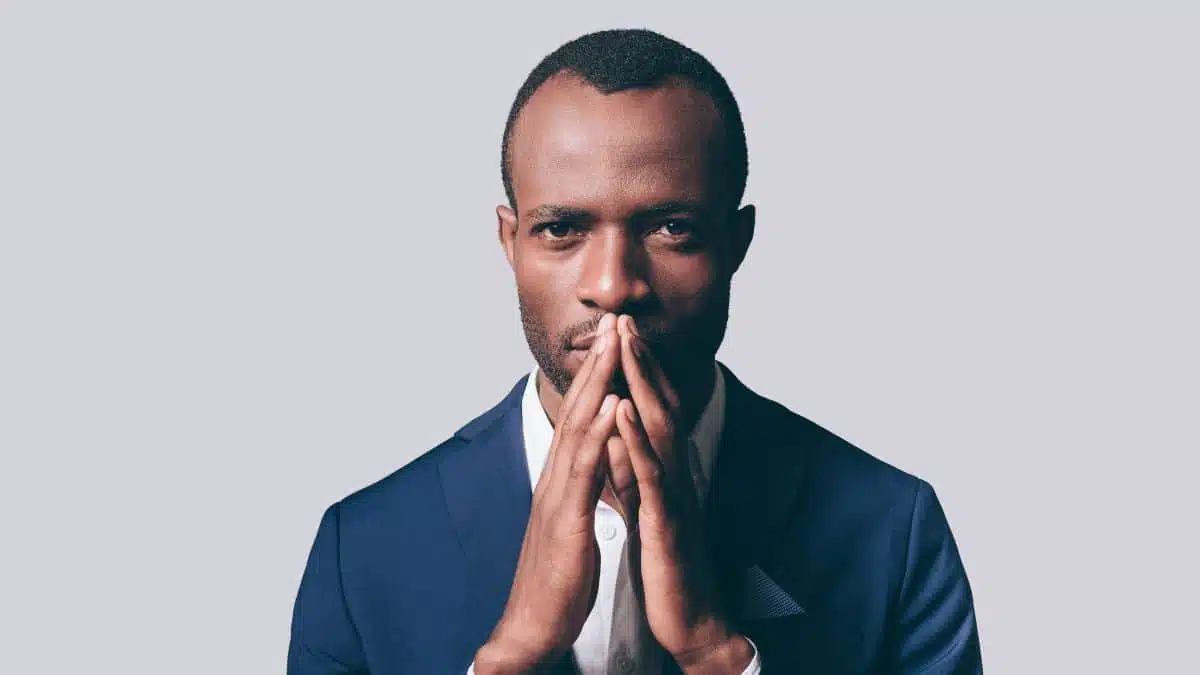
How has the role of man changed over the centuries? We answer this question by analyzing the evolution of masculinity from prehistoric times to the present day.
Primitive man: strength and survival
In ancient times, when man struggled for survival against wild animals and the forces of nature, the role of a man was clearly defined. Its main task was to provide safety and food for the family. Physical strength, dexterity and courage were the most desirable qualities. Men hunted, built shelters and defended their loved ones from danger.
In tribal societies, men often played the role of warriors and leaders. Their social status depended on hunting skills, physical strength, and leadership abilities.
Man in antiquity: philosopher and warrior
With the development of civilization, the role of man began to change. In addition to physical strength, intellect and leadership skills also began to be valued. In ancient Greece and Rome, men took part in political life, developed philosophy, art and science.
However, physical fitness still played an important role. Men were trained to fight, and military service was the duty of every citizen. The ideal of masculinity was a comprehensively developed citizen, combining physical strength with intellect and social manners.
A man in the Middle Ages: a knight and a craftsman
In the Middle Ages, the ideal of masculinity was shaped under the influence of chivalric culture. A knight is a brave, honorable man, faithful to God and the ruler. He should be proficient in the use of weapons, but also cultured and savvy.
At the same time, cities and crafts developed. Men gained professions, formed guilds and took part in the economic life of cities. A new type of man appeared – the bourgeois, who valued diligence, thrift and entrepreneurship.
Man in the Modern Era: Explorer and Entrepreneur
The modern era is a time of great geographical discoveries, development of science and technology. Men set off into the unknown, conquered new lands, developed trade and industry.
The ideal man became an enterprising, courageous and curious man. This period also saw the development of court culture, in which good manners, elegance and education played an important role.
A man in the twentieth century: a soldier and a worker
The twentieth century was a time of two world wars that left a mark on the perception of masculinity. A man is first and foremost a soldier who defends his homeland.
After the war, industry developed, and men took up work in factories en masse. The ideal man became strong, durable, capable of hard physical work. At the same time, the feminist movement was developing, which challenged traditional gender roles.
Man in the 21st century: in search of a new identity
Modern man lives in a world where traditional gender roles are blurred. Women are increasingly taking up professional work, and men are involved in raising children and housework.
The modern man has more freedom in shaping his identity. He can be both strong and independent, as well as sensitive and caring. It is important that he is aware of his strengths and weaknesses and can find himself in a rapidly changing world.
New challenges for the modern man
The modern man faces many challenges, he must:
– find themselves in a world where traditional gender roles are blurred.
– cope with the pressure of professional and social success.
– take care of their physical and mental health.
It is important for the modern man to be aware of his needs and emotions. They should be able to communicate with others, build lasting relationships, and take care of work-life balance.
The man of the future: flexible and aware
What will the man of the future look like? It is difficult to predict with certainty. However, it can be assumed that he will be a flexible man, adapting to changing conditions. He will be aware of his emotions and needs, as well as the needs of other people. He will take care of work-life balance and be committed to building a better world.