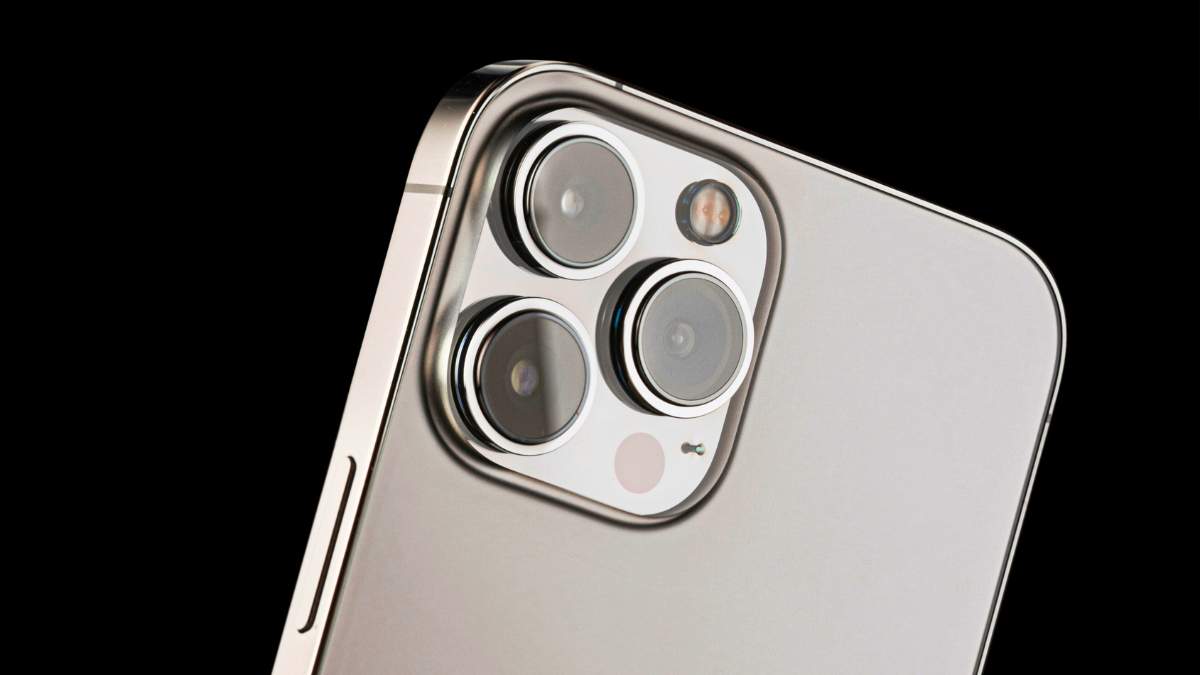
iPhone
Since its debut in 2007, the iPhone has become a permanent fixture in the smartphone landscape. Despite the passage of time, intense competition and changing consumer preferences, Apple phones still enjoy unflagging popularity, attracting millions of users around the world.
Spis treści
Historical Popularity Analysis
Increase in Revenue from iPhone Sales
Apple’s growth over the past decade has been impressive, and one of the main drivers of that growth is the continued popularity of the iPhone. Apple’s annual revenue has quadrupled over the past ten years, reaching $394.33 billion in 2022. This significant increase in the overall revenue of the Cupertino company is largely attributed to the excellent sales results of its flagship product. According to the data, in the third quarter of 2022, Apple’s revenue increased by $90.146 billion, an increase of 8.14% compared to the previous year.
The impressive sales figures of the iPhone confirm its unique position in the market. By 2025, the iPhone has generated more than $2 trillion in revenue for Apple since its launch in 2007. In 2024 alone, iPhone sales brought the company $201.1 billion, a slight increase from the $200.5 billion recorded a year earlier. These staggering numbers demonstrate the enormous economic impact and enduring popularity of the iPhone over nearly two decades. Even small annual increases on such a huge scale show a loyal customer base and continued high demand for these devices.
Over the past decade, through the year 2023, Apple has sold $1.65 trillion worth of iPhones, proving that the iPhone is so popular with consumers. In 2023 alone, as many as 235 million of these devices hit the global market, giving Apple a share of 20%. This data highlights the iPhone’s consistently high sales volume and significant market share, demonstrating its position as one of the world’s leading smartphones. By comparison, its biggest rival, Samsung, sold 800 million more smartphones over the same period. These figures confirm that 2022 and 2023 were record-breaking years in terms of iPhone sales. In total, more than 2.3 billion iPhones have been sold over the past decade. Historical analysis shows that global iPhone sales revenue has increased from $78.7 billion in 2012 to $205.5 billion in 2022. This clear upward trend in iPhone sales revenue over the years illustrates the growing popularity and price power of these devices.
iPhone Market Share in Smartphones
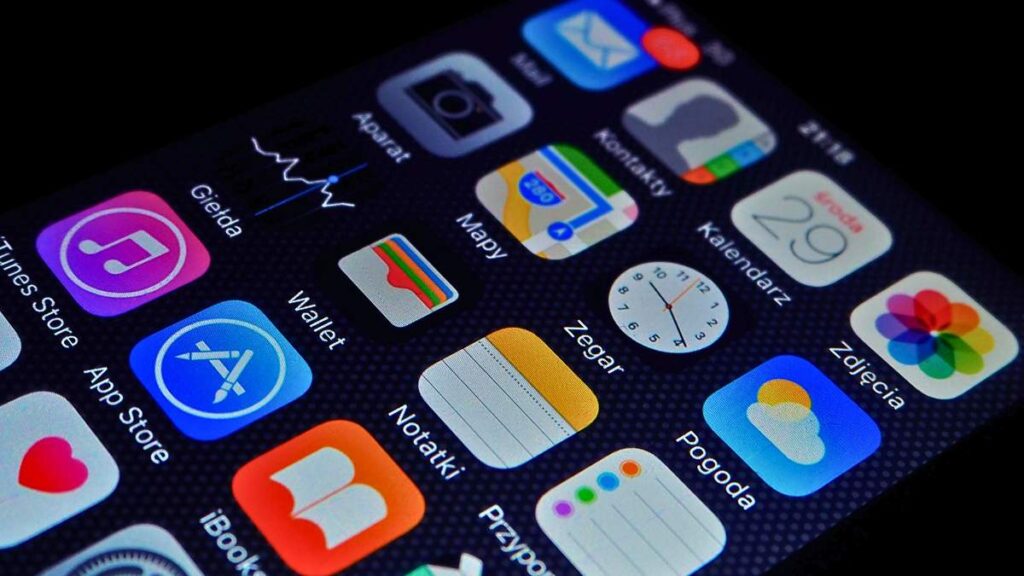
In the United States, Apple’s home market, the iPhone is the most widely used smartphone brand, and the phone itself is the best-selling and most desirable device. This domestically dominant position is likely due to strong brand loyalty and effective marketing strategies. However, an analysis by UBS found that in June of one year, the iPhone’s market share fell globally, with the exception of Europe, despite the overall growth of the smartphone market. This decline suggests that despite continued high sales, competition in the market is becoming increasingly fierce, and Apple may face challenges in maintaining its global market share during certain periods.
Despite this, the iPhone maintains a strong position in the premium segment. In one year under review, Apple achieved a 67% share of this lucrative segment, although this was a slight decrease from 72% the previous year. This dominance in the high-end segment, where profit margins are typically higher, is a key component of Apple’s financial success. According to data from 2022, the global market share of the iPhone was 18.8%, which gave it the second most popular place in the world and confirms that the iPhone is better. In Europe, the iOS operating system had a 27% market share in the same year, making it the second most popular operating system after Android.
Interestingly, different sources provide slightly different market share figures, highlighting the dynamic nature of these statistics and the importance of analysing specific time periods. One source indicates that Apple has the largest share of the global smartphone market, at 30.44%, ahead of Samsung with 26.10%. Other data from 2024, on the other hand, indicates that Apple was the second largest smartphone supplier in the world with an 18.7% market share, slightly behind Samsung with 18.0%. Quarterly data for the second quarter of 2024 shows that Samsung led with 20.8% and Apple was second with 17.3%. However, other reports from 2024 again place Apple and Samsung on par as market leaders with an 18% share each, with Apple shipping slightly more devices. Yet another source from 2024 states that Samsung had a 19% share and Apple 18%, with Xiaomi well behind with 14%. Interestingly, at one point in 2024, Huawei overtook Apple in China, which may have affected whether or not an iPhone is worth buying. It’s also worth noting that in the first quarter of 2024, Samsung returned to lead the European smartphone market with 12.1 million units, while Apple shipped 7.3 million iPhones, a 17% year-over-year decline. Nevertheless, at some point, Apple managed to overtake Samsung and become the global leader in smartphone sales for the first time ever, likely thanks to strong sales of the iPhone 14 and 15 models.
Global Smartphone Market Share: Apple vs. Samsung (Select Years)
| Year/Quarter | Apple (%) | Samsung and Apple compete in the smartphone market, where the iPhone is so popular that many consumers choose it over models from other brands. | Source |
|---|---|---|---|
| 2022 | 18.8 | 21.6 | |
| 2024 (Q2) | 17.3 | 20.8 | |
| 2024 | 18 | 18 | |
| 2024 | 18 | 19 | |
| 2024 | 18.7 | 18.0 |
Summary: The iPhone is so popular that many people wonder if it’s worth buying the latest models like the iPhone 13 or 16 Pro Max. iPhone has consistently shown strong sales performance and maintains a significant share of the global smartphone market. While the market leadership position may fluctuate between Apple and Samsung depending on the period and region, the iPhone remains one of the main competitors. The premium segment is a particularly strong position for Apple.
Apple’s Marketing Strategies: How to Build Brand Power and Customer Loyalty Around iPhone
The success of the iPhone would not have been possible without Apple’s thoughtful and effective marketing strategies, which emphasize that the iPhone 12 is a phone worth buying. Their approach includes many key elements that together build brand strength and customer loyalty.
Apple uses innovative strategies that make their products, like the iPhone 13, worth buying. a multi-channel marketing model, using a variety of promotion and sales paths for your iPhones. Promotion takes place through TV, press, Internet and social media advertisements. Sales are conducted both online (Apple website, authorized resellers) and offline (Apple retail stores, telecommunications operators). This wide availability across multiple channels increases the chances of reaching a wide range of potential customers.
Both the design of iPhones and their advertisements are characterized by simplicity and minimalism. Apple avoids complicated language, prices (in advertisements) or long slogans in its marketing materials. Often it focuses only on the iconic logo of the bitten apple. The products are designed to be intuitive and easy to use, which appeals to a wide spectrum of users.
Apple is very specific about its target market for iPhones, usually middle- and upper-class people willing to pay more for an innovative product and a high quality of use. Apple’s marketing focuses on the benefits that the product brings to users, not just its technical specifications, which builds a stronger bond with customers.
The global brand recognition of the iPhone is so popular that it captures the attention of consumers around the world. Apple is a huge asset in the marketing of iPhones around the world. Their logo is one of the most recognizable signs in the world, which facilitates effective promotion in different cultures and regions.
The iPhone is a key component of Apple’s ecosystem, which includes other devices, services, and apps. These products are interconnected, which increases customer loyalty and encourages the purchase of more Apple devices. For example, the full functionality of the Apple Watch is dependent on having an iPhone.
Apple attaches great importance to customer experience at every stage of interaction with the brand. Their stores are designed in a minimalist style, the staff is helpful, and the products are intuitive to use. The company measures success using its Net Promoter Score (NPS), which shows how willing customers are to recommend Apple products to others. High customer satisfaction translates into strong loyalty, as evidenced by the fact that more than 90% of iPhone users plan to buy the next Apple iPhone 13 smartphone.
Apple uses a premium pricing strategy, rarely lowering the prices of its products. This higher price tag is meant to signal the high quality, luxury, and innovation of iPhones, which attracts a specific group of consumers, especially those interested in 5G.
Commitment to sustainability is also part of Apple’s marketing strategy, building a positive image of the company that cares about the environment, which is one of the 10 reasons to choose the iPhone. This can increase the satisfaction of customers for whom these values are important.
In addition, Apple successfully promotes its brand, not just specific products. The term “iPhone” has become synonymous with a high-end smartphone, creating a distinct category in the minds of consumers, and many people wonder if an iPhone is worth buying. Apple masterfully, making it an Apple brand that always prioritizes innovation. It sells emotions, convincing customers that having their products elevates their status and makes them better. Marketing rarely focuses on technical specifications, and more often on the idea and emotional appeal associated with the Apple brand. The aesthetics and design of Apple products, including the iPhone, play a key role in their popularity. The company sells solutions, not just products, positioning the iPhone as the answer to consumer needs for communication, entertainment, and productivity. Even sticker strategies, which involve attaching logo stickers to products, contribute to Apple’s brand awareness and customer loyalty. Apple also makes great use of experience marketing, creating emotional connections with customers through authenticity, aesthetics, and multi-sensory experiences.
Summary: Apple’s marketing strategy is a sophisticated combination of building a premium brand image, emphasizing user experience and ecosystem benefits, and appealing to consumer emotions and aspirations. This consistent and well-executed strategy has been instrumental in building a strong brand and loyal customer base for the iPhone.
Key Features and Technological Innovations That Make iPhone Stand Out From the Competition
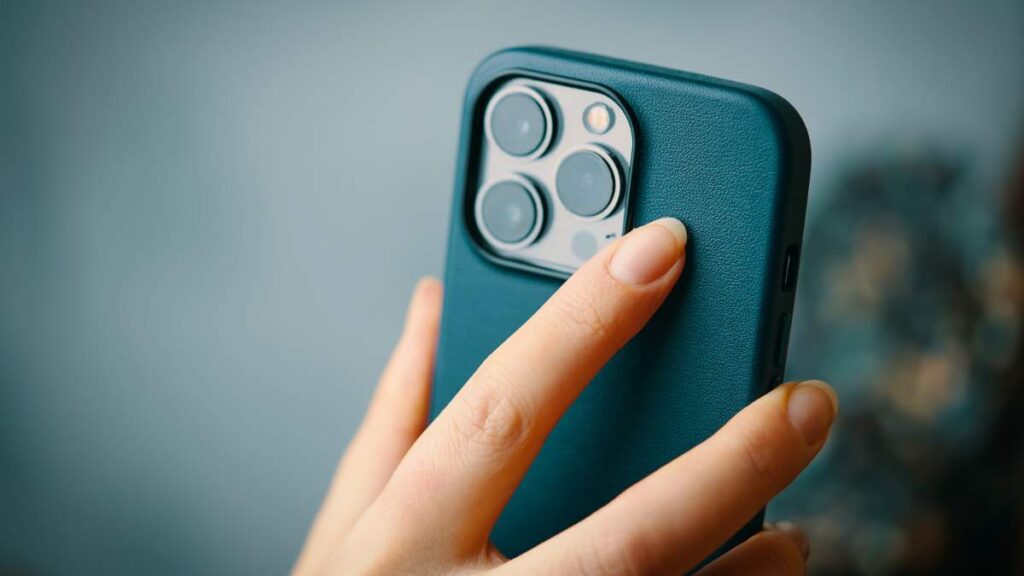
The iPhone’s popularity is also strongly related to its innovative technological features that consistently set it apart from the competition.
The iOS operating system is known for its intuitive interface, smooth operation, advanced touch gestures, and high security. Optimizing the system specifically for iPhones ensures seamless integration between hardware and software. Unlike Android, which runs on a wide variety of devices, iOS is tailored to specific Apple models, which translates into better optimization and performance, making the iPhone a good choice. iOS also offers a wide range of high-quality built-in apps and a rich selection of third-party apps available on the rigorously verified App Store. Long-term support in the form of regular iOS updates provides users with the latest features and security for years to come. The latest innovation, Apple Intelligence, aims to revolutionize device interactions through advanced writing tools, image generation, and improved Siri integration, with a focus on on-device computing and privacy.
The Apple ecosystem is another key differentiator of the iPhone. Seamless integration with other Apple devices such as iPads, Macs, Apple Watches, and AirPods provides users with exceptional comfort and efficiency. Features like AirDrop, Handoff, Universal Clipboard, iMessage, and FaceTime make it easy to work and communicate between devices. This ecosystem consistency creates a strong incentive for users to own multiple Apple devices, which increases their brand loyalty.
Camera quality has been one of the main strengths of the iPhone for years. Apple phones, including the new iPhone, are known for their high-quality photos and videos, intuitive autofocus, advanced portrait mode, and consistent performance in a variety of lighting conditions. The latest models, such as the iPhone 16 Pro series, offer advanced camera systems with high-resolution sensors, enhanced zoom capabilities, and features such as Photographic Styles and ProRes video recording. Security and convenience are further enhanced by advanced biometric features such as Face ID.
The iPhone consistently demonstrates smooth performance, making it one of the most desirable phones on the market. The iPhone 15 Plus delivers the highest performance among Apple smartphones. with Apple-specially designed A-series chips and optimized iOS. Powerful processors deliver smooth multitasking, a superior gaming experience, and overall system responsiveness. Tests have shown that the iPhone 15 Pro Max has better power management compared to top Android competitors, highlighting the advantages of iPhones.
iPhones are also known for their high-quality workmanship and the materials used, such as stainless steel, glass, and aluminum. This attention to detail and quality of materials contributes to the perceived value and durability of the equipment. Additionally, features like Ceramic Shield on the display and IP68 water and dust resistance add to the durability and resilience of iPhones. Apple has also been committed to inclusivity for years, introducing features that make devices easier to use for people with diverse needs.
Summary: The popularity of the iPhone is largely driven by its innovative features, seamless hardware and software integration through iOS, a powerful ecosystem, a high-quality camera, stellar performance, premium build quality, and a focus on user experience and accessibility. These technological advantages together contribute to its differentiation in the competitive smartphone market.
Voice of Users: What Do They Value in iPhones and Why Do They Choose Them?
User feedback and reviews provide valuable information about the reasons for the popularity of the iPhone. Among the most frequently mentioned advantages are:
The simplicity and ease of use of iOS are some of the main reasons why many users choose the iPhone. The intuitive interface makes Apple phones friendly to a wide range of recipients, regardless of their level of technological advancement. Users also appreciate the stability and reliability of iPhones and iOS. Consistent performance and minimal breakdowns translate into a positive user experience and build trust in the product.
The high quality of the camera is another key factor in attracting users to the iPhone. Being able to capture perfect photos and videos in a variety of conditions is especially important in the age of social media and the growing popularity of visual content. Users who own other Apple devices highly value the synchronization with the iPhone, which makes the iPhone 15 128GB a phone worth buying. integration with the Apple ecosystem. Seamless collaboration between devices increases the convenience and efficiency of everyday use.
The security and privacy offered by iOS are an increasingly important aspect for many users. Apple places a strong emphasis on protecting user data, which resonates with the growing awareness of online security issues. Long-term software update support is also appreciated by iPhone users. With regular updates, Apple phones stay up-to-date and secure for longer compared to many Android devices.
It’s also worth noting that iPhones typically maintain a higher resale value compared to other smartphones. This makes buying an iPhone can be seen as a better long-term investment. Users also appreciate the design and build quality of iPhones. The aesthetic appearance and robust construction contribute to the overall satisfaction of use and the sense of value of the product. For some consumers, owning an iPhone can also be a status symbol due to its reputation and higher price.
Summary: iPhone users appreciate the simplicity and ease of use of iOS, the stability and reliability of the devices, the high quality of the camera, smooth integration with the Apple ecosystem, strong security and privacy features, long-term update support, good resale value, and premium design. These factors combine to contribute to high levels of user satisfaction and brand loyalty.
Rival Comparison: How Does the iPhone Compare to Other Manufacturers’ Flagships?
The iPhone competes in the market with flagship models from other manufacturers such as Samsung, Google, and Xiaomi. Comparing these devices reveals both the strengths and weaknesses of the iPhone.
Compared to Samsung, the iPhone 14 Pro Max performed better in DXOmark tests in terms of camera quality, and its display also scored higher. Apple also offers better privacy and security features, making the iPhone a phone worth buying for people who value their data. In hands-on testing, the iPhone 14 Pro Max’s battery lasted longer during video playback than the Samsung Galaxy S23 Ultra, despite its smaller battery capacity. The A16 Bionic chip in the iPhone also showed higher performance. On the other hand, Samsung offers the possibility of recording video in 8K resolution, something that the iPhone did not offer at the time of publication. Some comparisons suggest that the Samsung Galaxy S24 may have an edge over the iPhone 15 in terms of higher screen refresh rate, in-screen fingerprint sensor, AI-powered features, a more powerful chipset, faster charging, and a dedicated telephoto lens.
Compared to the Google Pixel, the Pixel 8 Pro offers a brighter outdoor display and more RAM, while the iPhone 15 Pro Max has a more vibrant display and better speakers. Both phones have excellent cameras, but the Pixel can excel in contrasting selfies and the iPhone in night shots and video stabilization. The iPhone performed significantly better in Geekbench performance benchmarks. The Google Pixel 8 Pro guarantees seven years of Android updates, which is a significant advantage. Some reviews indicate that the Pixel 8 Pro may be a better choice for photography lovers, and it’s also often available at a lower price.
Compared to Xiaomi, the Xiaomi 14 Pro offers a brighter display with a higher resolution, more RAM, and other camera configurations (including a variable aperture). Xiaomi also features much faster wired and wireless charging. Practical tests compare the Leica camera in the Xiaomi 14 Pro with the Xiaomi 13 Pro, Ultra and Apple iPhone 15 Pro Max.
Summary: The iPhone competes intensively with flagship models from other manufacturers. While the iPhone often excels in performance, ecosystem integration, and potentially video recording, competitors often offer advantages in display technology, charging speed, camera-specific features, and price. The best choice for a user often depends on individual priorities and preferences for the operating system, ecosystem, and specific features.
The Social and Cultural Impact of the iPhone: More Than Just a Phone
The iPhone’s impact goes far beyond its functions as a communication device. Since its introduction in 2007, the iPhone has revolutionized the way people communicate by combining iPod features, Internet access, and a user-friendly mobile interface. The rise in popularity of smartphones, including the iPhone, has been driven by their usability and the sheer number of mobile apps available, especially when combined with the rise of social media.
The high-quality camera and ease of video recording on iPhones like the iPhone 15 Plus have enabled many people to become content creators, which has impacted social media and online platforms. For many people, the iPhone has also become a fashion accessory and status symbol, partly due to its higher price and brand image. The success of the iPhone has contributed to innovation and growth in related industries such as app development, mobile accessories, and online services.
Apple technology, including iPhones and iPads, has also found its way into higher education, fostering teaching, research, and creativity among students. iPhone users show high levels of brand loyalty, and a significant portion of them intend to buy another Apple device, such as the iPhone 16 Pro Max. The concept of the “Appleization” of culture suggests that Apple’s technologies and marketing can influence communication behavior and even be seen as “magical.”
Summary: The impact of the iPhone goes far beyond just being a communication device. It revolutionized communication, enabled content creation, became a symbol of fashion and status, drove the development of related industries, influenced education and research, instilled strong user loyalty, and potentially contributed to the broader “Appleization” of culture. Its introduction, including the new iPhone, marked a significant turning point in the digital age.
Summary
The iPhone’s enduring popularity is the result of a number of factors, including a strong brand, effective marketing strategies, innovative technology, a positive user experience, and an extensive ecosystem. Despite the intense competition in the smartphone market, the iPhone remains one of the leaders, and its position in the premium segment is particularly strong. In the future, Apple will have to face challenges such as increasing competition from Chinese manufacturers and potential new trends such as foldable phones. Nevertheless, given its track record and continued innovation, the iPhone is likely to play a key role in the future of mobile technology.