Men’s Hairstyles
Hairstyle is not only a way to tame hair – it is a key element of a man’s image, a business card and a powerful tool for self-expression. In the dynamically changing world of fashion, men’s hairstyles are evolving, reflecting both global trends and the individual needs of modern men. The year 2025 promises to be a time of exciting contrasts – an intriguing combination of timeless classics with modern cuts and techniques will reign on heads, as well as a growing emphasis on naturalness and freedom of styling. More and more men are consciously approaching not only the choice of haircut, but also hair care, treating it as an integral part of taking care of their appearance.
Spis treści
Latest Men’s Hairstyle Trends 2025: What’s On Your Head?
The year 2025 in men’s hairdressing is a fascinating dialogue between the past and the future. We are observing a strong return to classic cuts, which, however, gain a modern touch thanks to innovative techniques and a fresh approach to styling. At the same time, at the other extreme, the trend for naturalness, freedom and emphasizing the individual texture of hair is growing.
The main trends shaping men’s hairstyles in 2025 are:
- Classics in a New Version: Well-known and popular hairstyles such as Pompadour, Slick Back, Side Part or French Crop do not go out of style, but are reinterpreted. They are often combined with the Fade technique (shading) or more texture is added to them, moving away from rigid, firmly fixed forms in favor of more dynamic and free stylizations.
- Texture and Naturalness: Men are increasingly moving away from perfectly smooth, overly styled hairstyles in favor of cuts that emphasize the natural structure of the hair – waves, curls or even controlled disorder. Hairstyles such as “messy hair”, “beach waves” or “textured crop” are becoming popular, which look great with minimal styling effort.
- Longer Hair and Length Experiments: Men are growing their hair more and more boldly, treating it as a way to express their style. Hairstyles such as Man Bun, Bro Flow, and even the once controversial Mullet in a modern version are gaining popularity. Experiments are made with different lengths, for example, combining longer hair on top with short, layered sides.
- Personalization and Individualism: The hairstyle becomes an important element of personal expression. Trends provide inspiration, but it becomes crucial to match the cut to individual features – face shape, hair type, lifestyle and even personality. Popular techniques such as Fade offer extensive customization options.
- Pop Culture Influences: The fashion for specific hairstyles is often driven by popular series (e.g. French Crop inspired by “Peaky Blinders”), music icons (Pompadour or Quiff associated with Elvis Presley) and viral trends from social media (e.g. Fluffy Hair from TikTok or Wolf Cut).
The observed combination of respect for the classics with the pursuit of modernity, as well as a strong emphasis on natural texture, are no coincidence. They reflect a broader social phenomenon – the search for authenticity and individualism in today’s world. Men want to look stylish, but without the impression of excessive effort, which is referred to as “effortless cool”. This is why hairstyles that are relatively easy to style on a daily basis and products that help to emphasize the natural beauty of the hair instead of completely changing it are so popular. This trend is in line with the general trend in fashion, heading towards more relaxed, but still conscious and refined styles.
At the same time, the growing acceptance and popularity of longer and more varied men’s hairstyles, such as the Man Bun, Mullet or Wolf Cut , may signal a subtle shift in cultural perceptions of masculinity. We are moving away from rigid stereotypes that identified masculinity only with short, almost military cuts. This evolution opens new doors for the beauty and barber services market, where some hairstyles are becoming trends. Men with longer hair need other care products (e.g. conditioners, oils ) and often more specialized hairdressing services, which creates new opportunities for the industry.
Catalog of fashionable men’s hairstyles 2025: find your style
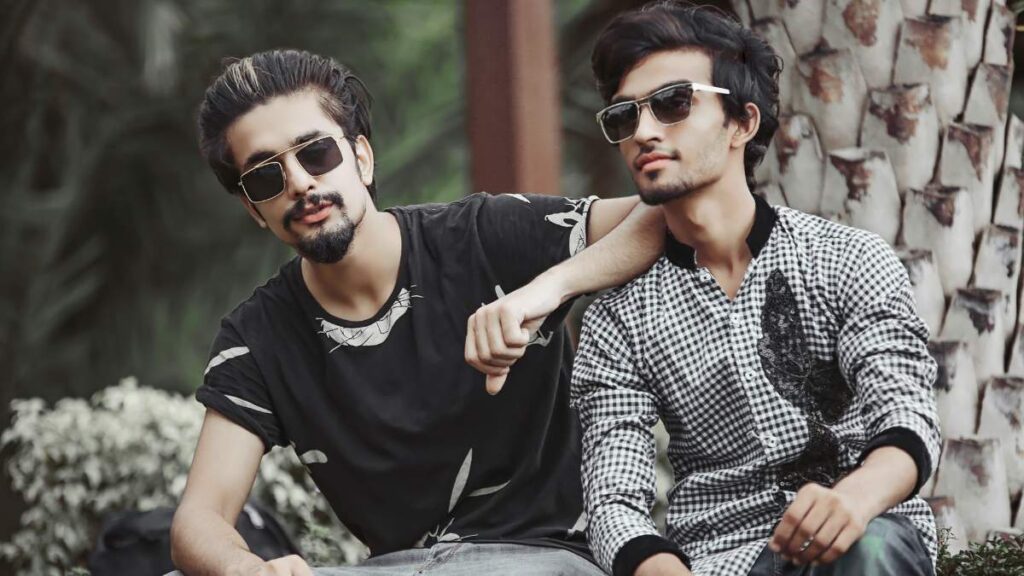
The world of men’s hairstyles is extremely diverse. To make it easier to navigate through the most popular styles, we’ve grouped them by hair length. Remember, however, that these boundaries are often fluid, and many cuts can be successfully adapted to different lengths and hair types.
Men’s Short Hairstyles: Classics, Comfort and Character
Short hair is the choice of many men who value comfort, ease of maintenance and a distinctive look. In 2025, short cuts do not mean boredom at all – on the contrary, they offer a lot of styling and adaptation possibilities.
- Buzz Cut
- The description of a hairstyle with slightly longer hair should take into account the shape of your face. An iconic, very short hairstyle, often called a “soldier” or “recruit” cut. It is characterized by an even, minimal length of hair on the entire head, cut close to the skin. It is a minimalist style, but at the same time expressive and full of character, which will work both on a daily basis and for special occasions.
- Variants: The classic Buzz Cut is an even length, but there are also other versions: Induction Cut (the shortest possible version, almost to zero), Burr Cut (slightly longer, about 1-2 cm), Buzz Cut Fade (with smooth shading on the sides and back), Crew Cut (very short sides, the top is noticeably longer), Butch Cut (similar to the Crew Cut, but with more refined shading). In 2025, “twists” are also fashionable, such as a slight darkening on the temples or millimeter shading.
- Obtainment: Usually made with a clipper, often with one, short attachment or without it. Fade variants require skilful shading by a barber.
- Styling men’s long hairstyles requires special attention to detail. Basically, it does not require styling. It is crucial to keep your hair clean with a gentle shampoo and to visit your hairdresser regularly to keep it short.
- Matching men’s long hairstyles to the shape of your face is crucial. It looks perfect on men with regular facial features, a strongly defined jaw and a proportional head shape. It is an excellent choice for men with sparse hair or receding hairline, as it minimizes the appearance of thinning. It works great for active men because of its comfort.
- Who wore the hairstyle will gain? Ryan Gosling, Brad Pitt, Channing Tatum, Jason Statham, Kanye West.
- French Crop
- Description: A stylish and elegant hairstyle, the popularity of which has increased, m.in, thanks to the series “Peaky Blinders”. It is characterized by short sides and back (often with Fade shading), a longer, textured top, and a characteristic, short, straight fringe falling over the forehead. It combines elements of freedom and elegance, suitable for various occasions.
- Obtainment: It requires shortening the sides and back, leaving a longer, textured top and precise trimming of short, straight bangs. The Fade technique on the sides is often used.
- Styling: Considered easy and fast. Usually, a small amount of matte paste or clay is enough to emphasize the texture on top and style the bangs. Bangs can be worn plain or textured. You can also use hair powder.
- Match: It is a very versatile hairstyle, suitable for many face shapes and hair types, especially straight or slightly wavy. It perfectly masks receding hairline. Universal in terms of age.
- Who wore it: Cillian Murphy as Tommy Shelby in “Peaky Blinders”.
- Textured Crop
- Description: A modern interpretation of the classic “patella cut”. Like French Crop, it is characterized by shorter sides and a longer top, but the key here is a clearly marked texture and some controlled disorder on the top. It gives a natural effect and is easy to care for on a daily basis.
- Obtainment: The key is for the hairdresser to properly shade and texturize the top of the hair, while shortening the sides.
- Styling: Quick and simple. It requires the use of a good mattifying paste or possibly a cream or wax. The product is applied to slightly damp or dry hair and styled with your fingers, lifting the strands at the roots and giving them the desired texture. Can be finished with texturizing powder for extra volume and a matte effect.
- Match: It suits most face shapes and straight and slightly wavy hair. It is a good choice for men with fine hair, as the texture optically adds volume. It may not be ideal for people with very curly or very sparse hair, as well as those with a high forehead.
- Fade (as a technique and base)
- Description: Fade is a haircutting technique that involves creating a smooth, gradual transition (shading) from very short hair (or even bare skin – Skin Fade) at the bottom (nape, temples) to longer hair at the top of the head. It is currently one of the most popular and versatile techniques in men’s hairdressing, being the basis for many fashionable hairstyles.
- Types: They differ in the place where the shading starts and the intensity of the transition: Low Fade (the shading starts low, just above the ears and neck), Mid Fade (starts at the medium height of the sides of the head) and will work well in both everyday and elegant stylizations. High Fade (starts high, close to the top of the head), Taper Fade (a very subtle, gentle transition of length, often used at the hairline or to connect to the chin), Skin Fade (shading reaches the bare skin), Burst Fade (shading around the ear, creating a semi-circular shape), “V” Shaped Fade (shading at the back in a V-shape).
- Obtainment: It requires a lot of precision and skill from the barber, who uses a razor with different attachments, and sometimes a trimmer and razor, to create a perfectly smooth transition.
- Styling: Fade itself does not require styling, but the way you style the longer hair on top depends on the hairstyle you choose (e.g. Crop, Pompadour, Quiff, Slick Back). Pomades, pastes or clays are often used to style the top.
- Match: Fade is extremely versatile and suits virtually any face shape and many hair types, especially straight and medium-thick hair. It emphasizes regular features and a pronounced jawline particularly well. However, be careful with a round face, where too high a Fade can optically widen. The different types of Fade allow for a lot of customization – from the subtle Taper Fade to the bold Skin Fade, making them perfect for a variety of men’s long hairstyles.
- Crew Cut
- Description: A classic, neat and masculine hairstyle, often associated with military or sports style. It is characterized by very short trimmed sides and back, and slightly longer hair at the top, which is usually the longest at the front and gradually shortens towards the back.
- Variants: The Ivy League is a slightly longer and sleeker version of the Crew Cut. The Crew Cut can also be combined with the Fade technique on the sides.
- Obtainment: The sides and back are cut short with a razor. The hair at the top is longer and often cut with scissors or a razor with a longer attachment, with length gradations from front to back.
- Styling: It usually requires minimal styling. The hair at the top can be styled lightly with your fingers, possibly using a small amount of a light product, such as a paste or cream, to shape it.
- Match: It is a versatile hairstyle that looks good on most men, especially those with straight hair and pronounced facial features. Popular among athletes due to its practicality. It can be a good choice for receding hairline, as the short sides distract from them.
- Caesar Cut
- Description: A short hairstyle inspired by historical images of Julius Caesar. Her trademark is a short, straight, horizontal fringe worn forward, covering part of the forehead. The sides and back are usually equally short or slightly shaded. Modern versions may include Fade elements or more textures.
- Obtainment: It requires a precise cut, especially around the bangs, which should be even and short. The sides and back are shortened with a razor or scissors.
- Styling: It is a hairstyle that requires minimal styling. Hair is usually styled naturally forward. A little paste or wax can be used to give the hair a light texture or hold.
- Match: It works best on straight or slightly wavy hair. It fits a variety of face shapes, including oval, square, and rectangular. It may not be beneficial for men with a very high forehead or protruding ears, as it can accentuate them.
- Who wore it: George Clooney is often cited as an example of a celebrity wearing this hairstyle.
A wide range of styles among popular men’s hairstyles – from the ultra-short, almost ascetic Buzz Cut, through textured Crops, to more demanding styles such as Pompadour or Quiff – proves that contemporary men’s fashion is moving away from imposing a single, rigid canon of beauty. Instead, we are seeing a clear trend towards individualization. Men today have more freedom to choose a hairstyle that best reflects their personality, suits their lifestyle, and also compliments their unique physical features, such as the shape of their face or the natural texture of their hair.
At the same time, the growing popularity of hairstyles that require advanced cutting techniques, such as precise shading in Fade or skilful texturing in Crops or Wolf Cuts , increases the importance and prestige of the profession of barber and men’s hairdresser. Customers are becoming more and more aware and demanding, looking for specialists who will not only make the cut perfectly, but also have knowledge of the latest trends and can advise on the choice of hairstyle and appropriate styling products. This, in turn, could lead to further specialisation in the hairdressing industry and potentially affect the price of services, where high quality and advanced skills will be increasingly valued.
Comparison of popular short men’s hairstyles
| Hairstyle Name | Key Features | Ideal for (Face/Hair), to choose the right cut, it is worth taking into account the shape of the face. | Styling | Maintenance Level |
|---|---|---|---|---|
| Buzz Cut | Very short, even cut; Minimalist | Regular features, nice head shape; Thin hair/receding hairline; Convenient for active people | None / Minimal | Low (frequent cut refresh) |
| French Crop | Short sides/back, longer top, short straight bangs | Versatile (multiple faces/hair); Good for receding hairline; Straight/slightly wavy hair | Easy (mattifying paste/clay) | Medium (fringe and sides retention) |
| Textured Crop | Short sides, longer top with a clear texture | Multiple faces; Straight/slightly wavy; Fine hair (adds volume) | Easy (mattifying paste, powder) | Medium |
| Crew Cut | Short sides/back, top slightly longer (longest at the front) | Straight hair, clear features; Good for receding hairline; Practical | Minimum (light product optional) | Low/Medium |
| Caesar Cut | Short hair, short straight bangs forward | Straight/slightly wavy; Oval, square, rectangular face; Be careful with a high forehead | Minimal (or light paste/wax) | Medium (fringe maintenance) |
Men’s Mid-Length Hairstyles: Versatility and Style
Mid-length hair offers the most versatility, allowing you to create both sleek, smooth styles and more casual, textured styles. It’s the perfect compromise between the ease of maintaining short cuts and the expression of long hair.
- Quiff
- Description: A dynamic and stylish hairstyle characterized by hair combed upwards and slightly backwards at the front, creating noticeable volume and a “wave” over the forehead. The sides and back are usually shorter, which emphasizes the height and volume of the top. Quiff is often seen as a less formal and less shiny cousin of the Pompadour, with a more natural, sometimes slightly “scatterbrained” finish.
- Variants: There are many variations of Quiff, from the classic, to the more Textured , to the Messy Quiff , which focuses on controlled disorder. For men with a natural curl, the Short Curly Quiff will be perfect.
- Obtainment: The right length of hair at the top is crucial, especially the bangs (minimum 5 cm), which is gradually the longest at the front. The sides and back are noticeably shorter, often made with the Fade or Undercut technique.
- Styling: Quiff requires some time and practice. The process begins with applying a prestyler (e.g. toner, sea salt spray) to damp hair. Then the hair is dried with a hairdryer, styling it with a round brush at the same time to lift it at the roots and give it an upward and slightly backward direction. After drying, the hairstyle is fixed with a styling product – a matte clay, paste or pomade with a medium/strong grip will work best to emphasize the volume and texture. Finally, you can use hairspray for extra hold.
- Match: Quiff is ideal for men with thick hair, as it allows you to beautifully expose their volume. It adds dynamism and volume to the hair, which makes it a good choice also for slightly thinner or thin hair. It fits a variety of face shapes, including oval, square, and triangular. It effectively masks receding hairline.
- Who wore it: Elvis Presley (although his style is also sometimes referred to as Pompadour), David Beckham, Zac Efron, Harry Styles.
- Pompadour
- Description: An extremely elegant and timeless hairstyle that exudes confidence and class. Its characteristic feature is a high, raised and combed back “toupee” (pump) made of longer hair on the forehead. The sides and back are usually much shorter and neatly smoothed, which creates a strong contrast.
- Variants: The classic Pompadour refers to the style of the 50s of the twentieth century. Modern Pompadour is a contemporary interpretation, often more free-form, with more texture and combined with the Fade technique on the sides. There is also the Short Pompadour, which is a more subdued version.
- Obtainment: It requires you to grow your hair to a considerable length at the top so that it can be lifted and combed back. The sides and back are cut short, often using the Fade technique.
- Styling: It is a hairstyle that requires careful styling and appropriate products. The key is to add volume to the roots – typically using a mousse or other volumizing product on damp hair and then blow-drying the hair with a round brush. After drying, a pomade (classic medium or high gloss, but nowadays also matte) or strong wax is applied to the upper part, shaping the hair up and back. The whole thing is fixed with hairspray.
- Match: Pompadour looks best on thick, straight or slightly wavy hair that holds its shape well. It is especially suitable for oval, square and rectangular faces. By adding volume on top, it can also be considered by men with thinner hair.
- Who wore it: Elvis Presley, James Dean, David Beckham, Brad Pitt.
- Slick Back
- Description: A classic, elegant hairstyle consisting of smoothly combing longer hair from top to back. The sides and back are usually shorter or shaded (e.g. Undercut, Fade) to emphasize the contrast with the treble. The hairstyle can be worn with or without a parting. Modern versions often opt for more naturalness and a slight shine, instead of the very stiff, highly polished effect of the past.
- Obtainment: It requires the right length of hair at the top so that it can be combed back freely. The sides should be shorter.
- Styling: The key is to use the right product – traditionally a pomade with a medium or strong grip and shine, but you can also use gel or other products depending on the desired effect. The product is applied evenly to damp hair, from root to tip, and then combed back with a wide comb to give it a smooth shape.
- Match: It works best on straight or slightly wavy hair, which is prone to combing. Fits oval, rectangular or triangular face. Be careful with a high forehead or visible receding hairline, as combing backwards can expose them. It is a very elegant hairstyle, perfect for formal occasions, but it also works well in everyday, more stylish outfits. It goes well with both elegant and rock outfits.
- Who wore it: David Beckham is often seen wearing this hairstyle.
- Side Part / Comb Over (Przedziałek na bok / Zaczeska)
- Description: A timeless, extremely popular and elegant men’s hairstyle, characterized by a clear parting on the side of the head and combing longer hair to one side. The sides and back are usually shorter. In the Comb Over version, the delicate lines left by the comb are often visible.
- Variants: The classic Side Part is a smooth comb. Modern interpretations often combine this hairstyle with Fade or Undercut shading on the sides, and the top can be styled with more texture. Side Swept is a looser, often more dynamic version, where the longer top is more freely combed to the side, sometimes with more volume or disorder.
- Obtainment: It requires leaving longer hair at the top (a few centimeters) so that it can be combed to the side, and shortening the sides and back. The parting is determined with a comb. In some versions, the parting line can even be slightly shaved (“hard part”).
- Styling: Considered relatively easy. It requires the use of a styling product such as pomade (often glossy for a classic look), polish or gum. The hair is combed out, parted and the top is combed to the side. Side Swept, due to its looser nature, may require a stronger paste or pomade to keep the hair in place.
- Match: An extremely versatile hairstyle that suits almost every man and various face shapes, especially oval ones. It is a great choice for men who prefer a classic, orderly and professional look. It effectively masks receding hairline, especially when the hair is combed to the side with more thinning. Side Swept is ideal for medium-length hair.
- Who wore it: David Beckham, Leonardo DiCaprio.
- Messy Hair / Textured Look (Artystyczny Nieład / Teksturowany Wygląd)
- Description: A deliberately “disordered” hairstyle that exudes nonchalance, freedom and youthful ease. The key here is to emphasize the natural texture of the hair, create movement and volume, often with a “tousled by the wind” effect.
- Obtainment: It requires the right length of hair (usually medium) and a cut that introduces layers and texture. Shading and techniques such as point cutting are key here.
- Styling: It consists in emphasizing natural disorder. Light products are used that do not stick the hair together, but add texture and volume, such as matte pastes (especially fiber), waxes, hair powders, sea salt sprays or light creams. Hair is styled with fingers, kneading or slightly tugging. Blow-drying with a diffuser dryer (for waves/curls) or head down can help you get the volume you want.
- Match: It works well on most hair types, but it looks especially impressive on naturally wavy or curly hair. This is a great option for men with fine hair because it adds volume and creates the illusion of density. It fits mainly casual, everyday styling, but properly arranged it can also look stylish for less formal evening outings. It masks receding hairlines and thinning well.
- Undercut (as base)
- Description: Undercut is not so much a specific hairstyle as a cutting technique that has become an extremely popular base for many modern styles. It is characterized by a very short (often razor-shaved or even razor-shaved) cut of hair on the sides and back of the head, while leaving much longer hair on top. The key here is a clear contrast of length, without the smooth transition typical of Fade.
- Obtainment: A barber or barber shaves or cuts the sides and back of the head very short, keeping the length at the top. The line separating the short sides from the long top is usually sharp and clear.
- Styling: All attention is focused on styling the longer part of hair at the top, which gives great possibilities. It can be combed back smoothly (Slick Back Undercut), raised in the style of a Pompadour or Quiff, laid to the side (Side Part Undercut), created a controlled mess (Messy Undercut), and even tied into a bun (Man Bun Undercut) or emphasized natural waves or curls (Wavy/Curly Undercut). Styling requires appropriate products selected for the desired effect (pomades, pastes, waxes, creams, etc.).
- Match: The Undercut is very versatile and can be adjusted to suit different hair types (straight, wavy, curly) and face shapes (e.g. oval, square, rectangular). A contrasting top can distract from thinner hair or receding hairline. It is a popular choice among men of all ages looking for a modern and expressive style.
- Who wore it: Brad Pitt (e.g. in the movie “Fury”), Justin Timberlake.
- Faux Hawk (false mohawk)
- Description: A softer, more “wearable” and stylish version of the classic mohawk. It is characterized by shorter, often shaded (e.g. Fade) sides and a clearly longer strip of hair running through the center of the head, which is styled upwards, creating a characteristic “comb”. It is less aggressive than the traditional Mohawk.
- Variants: It can be Mild, Long or Textured. There is also a version for curly hair – Curly Faux Hawk.
- Obtainment: It requires shortening the sides (often using the Fade technique) and leaving a longer strip of hair in the middle. The top is often cut with the point cutting technique to make styling easier and add texture.
- Styling: The key is to lift the middle strand of hair upwards. This requires the use of styling products with a medium to strong grip, such as pomade, wax, gel or varnish. Hair can be styled with fingers or a comb. Hair lift drying on the brush can help with volume.
- Match: It is a hairstyle for men who like bolder, but still stylish solutions. Suits a variety of hair types.
- Mohawk (Iroquois)
- Description: A very bold and rebellious hairstyle, also known as a mohawk. Its most characteristic feature is the completely shaved sides of the head and a long, narrow strip of hair running from the forehead to the nape of the neck, which is usually placed vertically upwards (“upside-down”).
- Variants: The classic Mohawk has clearly raised hair. There are also shorter versions (Short Mohawk ) and Mohawk Fade , where the sides are shaded rather than completely shaved, which is a milder interpretation.
- Obtainment: It requires you to completely shave the sides of your head with the razor with the lowest attachment or to zero. The middle strand of hair remains long.
- Styling: Styling a classic Mohawk requires time and very strong styling products such as gels, gums, hairsprays or mousses with maximum hold to put the hair upright.
- Match: It is a hairstyle for men who are very brave, self-confident, who like to stand out and are often associated with punk or rock subcultures. It can be an effective way to distract yourself from receding hairlines or sparse hair on the sides.
- Who wore it: Zayn Malik experimented with this hairstyle.
Men’s Long Hairstyles: Freedom, Style and Expression
Long hair in men is no longer the domain of only specific subcultures and is entering the mainstream more and more boldly, becoming a symbol of freedom, individualism and modern masculinity. The year 2025 brings a renaissance of long hairstyles, offering many stylish possibilities.
- Man Bun (Męski Kok)
- Description: A practical and extremely popular hairstyle that involves gathering long hair and tying it into a bun (bun) on the top of the head or slightly lower, at the back. Man Bun is a symbol of casual, nonchalant style, combining comfort with aesthetics.
- Variants: Full Bun – a bun made of all hair. Semi Bun (or Top Knot) – a bun formed only from the longer hair on the top of the head, while the sides and back are short, shaved or made with the Undercut/Fade technique (requires a minimum of 10 cm of hair on top). There are also variants such as the Low Bun, the Half Bun (only part of the hair tied up), or the Messy Bun (a bun in controlled disorder). Often combined with a beard in the style of “Lumberjack”.
- Obtainment: The basic requirement is to have sufficiently long hair – for a full bun usually at least 15 cm. In the case of variants with short sides, it is necessary to cut the sides and back properly.
- Styling: Tying the bun itself is simple – the hair is collected in the desired place and put through the elastic band, creating a loop or a full bun. You can use a small amount of pomade or gel to smooth out protruding hairs, especially with curly hair. The styling can be diverse – from a smooth, elegant bun to a loose, careless “messy bun”.
- Match: Man Bun suits men with long hair, regardless of its structure (straight, wavy, curly). It is comfortable, especially for physically active people. Versions with short sides (Semi Bun) can fit a variety of face shapes, including oval and square.
- Bro Flow
- Description: A hairstyle for men who prefer longer hair and a natural, casual, slightly nonchalant style. It is characterized by medium-length or longer hair that is loosely combed back, falling naturally and emphasizing its structure and movement. No strong fixing products are used here, which gives the effect of lightness and freedom.
- Obtainment: It requires growing your hair to the right length, allowing you to comb it back freely. The cut should be made to emphasize the natural movement and texture of the hair, often with light shading.
- Styling: It’s minimal and focuses on a natural look. After washing and drying your hair (preferably naturally or with a dryer with cool air), just comb it back with your fingers. You can use a small amount of a light cream, oil, or sea salt spray to add texture, tame frizz, and give your hair a healthy look.
- Match: Bro Flow fits most face shapes. It looks especially good on naturally wavy or slightly curly hair, which tends to form soft waves, making it ideal for long men’s hairstyles. It is the perfect choice for men who value comfort and effortless style.
- Middle Part (Przedziałek na Środku)
- Description: A hairstyle characterized by a symmetrical parting right in the middle of the head and hair (usually medium length or long) falling freely on both sides of the face. This style, popular in the 90s, returns in a refreshed, often more sophisticated form. It exudes naturalness and casual chic.
- Obtainment: It requires hair to be the right length so that it can fall freely on the sides and create a clear parting. The cut should match the natural texture of the hair.
- Styling: Usually simple. After washing your hair, you can apply a small amount of a light smoothing serum or cream to damp strands. Then the hair is combed with a comb, creating a precise parting in the middle. You can leave your hair to dry naturally or blow dry it with a cool blow dryer. For frizz-prone hair, it is worth using a leave-in conditioner.
- Match: The middle part looks best on men with regular, symmetrical facial features, especially with an oval or diamond face. It works well on both straight and slightly wavy hair of medium thickness. It may not be the best choice for very curly hair or visible facial asymmetry. It requires healthy, well-groomed hair because it exposes its condition.
- Loose Waves/Curls (Long)
- Description: A style that embraces and enhances the natural texture of long, wavy or curly hair. It gives the effect of freedom, naturalness, sometimes associated with the surfer style (“beach waves”). It can be worn with a middle parting, on the side, or without a pronounced parting.
- Obtainment: It requires growing your hair to the desired length. The cut should be matched to the natural curl, layers (e.g. Textured Layers) are often used to give the hairstyle shape and lightness and avoid the “triangle” effect. A dry haircut can be beneficial for curls.
- Styling: The key is hydration and frizz control. You should use gentle shampoos and rich conditioners. Styling uses curl-enhancing products such as curl creams, mousses, lightweight gels or leave-in conditioners. Sea salt spray can add texture and a beachy look. It is best to dry your hair naturally or with a diffuser dryer. Dry curls should be avoided so as not to disturb their structure.
- Match: Of course, this is a style for men with naturally wavy or curly hair. A long, layered cut can help to camouflage e.g. wide cheeks can be well balanced by men’s hairstyles for long hair. It requires patience in growing and regular care.
- Who wore it: Kit Harington, Timothée Chalamet are examples of celebrities with longer, wavy/curly hair.
- Bob Male
- Description: A hairstyle in which the hair reaches approximately the jawline or shoulders, often cut evenly or with slight shading. It can be worn parted in the middle, on the side or combed back. In the male version, it often has a more nonchalant, casual character than its female counterpart.
- Obtainment: It requires growing your hair to the right length. The cut is usually straight, but can include delicate layers for added movement.
- Styling: It depends on your preference and hair texture. You can wear your hair smoothly straightened, accentuate natural waves, create a parting or comb back with light products.
- Match: The bob is a fairly versatile hairstyle that can suit a variety of face shapes. It works both on a daily basis and for more special occasions.
- Modern Mullet / Wolf Cut
- Description: A hybrid, bold hairstyle inspired by the 70s and 80s, combining the features of the classic Mullet (short front and sides, long back) with a layered, textured Shag cut. It is characterized by a large number of uneven layers, strong shading, often frayed bangs (curtain bangs or shorter), large volume on the top and sides, and longer hair at the back. The end result is a “wild”, unbridled look, full of movement and texture.
- Obtainment: It is a complicated cut that requires an experienced hairdresser. The key is to strongly shade the layers all over the head, while maintaining the length contrast between the front/sides and the back.
- Styling: The aim is to emphasize volume, texture and “controlled disorder”. After washing your hair with a shampoo and volumizing conditioner, you can apply a mousse or texturizing spray (e.g. with sea salt) to damp hair. The hair is dried, preferably head down or styled with your fingers to achieve maximum volume and define the layers. You can use a light cream, wax or powder to accentuate the ends and give the style a “wild” character. Styling should not be too precise – the more careless, the better.
- Match: It is a hairstyle for brave men who like to experiment and stand out from the crowd. It suits a variety of hair types, both straight and wavy. It looks best on medium-length and long hair. It can blend well with a variety of face shapes, including oval, square, and triangular, as the layers can soften the features. It adds volume to fine hair.
- Who wore it: Inspirations include, m.in, David Bowie, Kurt Cobain. Nowadays, it is popular among young stars and influencers.
How to choose the perfect hairstyle for yourself? Key factors
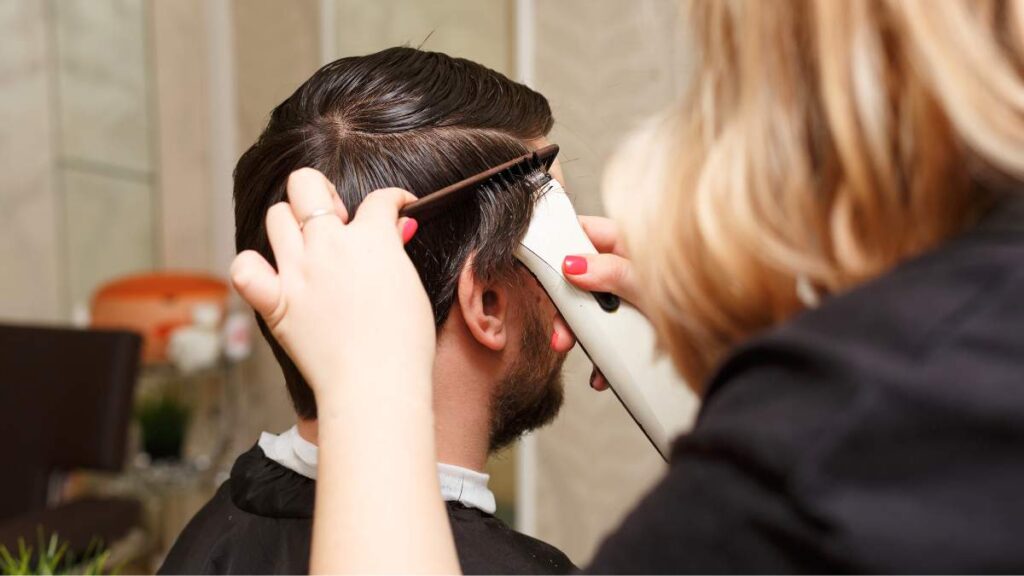
Choosing the perfect hairstyle is more than just following fashion. This is a decision that should take into account your individual characteristics, lifestyle and preferences. To make the cut a hit, it is worth taking into account several key factors.
Contour Fit: Highlight Your Strengths
The shape of your face is one of the most important elements to consider when choosing a hairstyle. The right cut can balance the proportions, emphasize the strengths and hide any shortcomings. Here are some tips for the most common face shapes:
- Oval face: It is considered an ideal shape because it is the most proportional. Virtually any hairstyle suits it, from a short Buzz Cut to long waves or Man Buna. You can feel free to experiment with different lengths and styles.
- Square face: It is characterized by a strong jawline and a wide forehead. The goal is to soften sharp scratches. Hairstyles with more volume at the top (e.g. Quiff, Pompadour), which will optically lengthen the face, as well as cuts with soft lines, texture or waves, will work well. Short sides in the Fade style can emphasize a strong jaw, but a Fade that is too high can adversely widen the face.
- Round face: In this case, we aim for optical slimming and lengthening of the face. Hairstyles that add height at the top, such as Pompadour, Quiff or Faux Hawk, will be ideal. Shorter sides will also help slim your face, but be careful with a very short Fade that can widen it. Longer hairstyles with a parting (especially sideways) can also be beneficial. Avoid volumizing hairstyles on the sides and straight, heavy bangs.
- Triangular face (or heart): It is characterized by a wide forehead and a narrow beard. The goal is to balance the proportions by adding volume to the lower part of the face or distracting attention from the wide forehead. Medium-length hairstyles, with layers, light volume on the sides or bangs combed to the side will work well. Longer hairstyles can also be beneficial.
- Oblong (or rectangular) face: It is worth avoiding hairstyles that further lengthen the face, i.e. those with very large volume at the top and very short sides. A better choice will be hairstyles with more balanced proportions, with some volume on the sides, as well as bangs (e.g. French Crop, bangs to the side), which will optically shorten the forehead.
- Diamond Face: It is characterized by wide cheekbones and a narrower forehead and chin. Many hairstyles that soften the cheekbones suit this shape, such as cuts with layers, texture, or hairstyles with a middle parting (Middle Part).
Hairstyles and Hair Type: Work with Nature
The type and structure of your hair have a huge impact on how a given hairstyle will look and style. Instead of fighting nature, it’s better to choose a cut that will harmonize with your hair type.
- Straight hair: They are usually easy to style and look good in precise cuts such as Slick Back, Side Part, Pompadour, but they also look good in textured Crops or Quiffs. Their disadvantage may be a tendency to “flop”, which is why they often require products that add volume.
- Wavy hair: They have a natural texture and movement, which makes them ideal for hairstyles such as Messy Hair, Textured Crop, Wolf Cut or Bro Flow. Quiff and Pompadour can also look very impressive on them. The key is to use products that control frizz and emphasize the natural curl.
- Curly hair: They require a special approach, both in cutting and care. It is best to choose hairstyles that expose natural curls, such as Curly Top, Wavy Undercut, longer layered cuts or even Afro. Hairstyles such as Undercut, French Crop or Mullet can also be adapted to curly hair. Intensive moisturizing care and avoiding dry detangling are essential.
- Thin/sparse hair: The main goal is to create the illusion of density and volume. Shorter or medium-length hairstyles with a lot of texture work best, such as Textured Crop, Quiff, Pompadour, Messy Hair, French Crop or even Buzz Cut. An undercut with a longer, properly styled top can also be a good solution. Avoid long, flat hairstyles that emphasize the lack of volume. The key is to use light styling products (powders, texturizing sprays, light pastes).
- Thick/thick hair: They offer the most styling possibilities because they hold their shape and volume well. They are perfect for hairstyles such as Pompadour or Quiff. However, they may require smoothing or control products to avoid excessive frizz. Sometimes it is necessary to properly shade them (e.g. in Wolf Cut) to give them lightness.
How to Hide Receding Hairline and Deal with Thin Hair?
Thinning hair and receding hairlines are a problem that many men, regardless of age, struggle with. Fortunately, the right hairstyle and styling techniques can effectively mask these imperfections and make your hair look thicker. You don’t have to decide to shave bald right away, although this can also be a stylish solution.
Recommended hairstyles for receding hairlines and sparse hair:
- Buzz Cut: The simplest solution. The ultra-short cut minimizes the contrast between the hair and scalp, making thinning less visible.
- French Crop: Short fringes combed forward and a textured top effectively mask the hairline and possible receding hairline. Short, often shaved sides are an additional distraction.
- Crew Cut / Ivy League: As in the Buzz Cut, the short sides minimize the visibility of the receding hairline. A slightly longer top gives you the opportunity to style it and add volume.
- Side Part/Side Bangs: Combing longer hair to one side allows you to effectively cover the bend on this side. With a sufficiently high cut on the other side, the whole thing can look very good.
- Quiff / Pompadour is a hairstyle that will gain popularity among men who prefer short hair. Creating a lot of volume on the top of the head draws the eye away from the receding hairline. Hair combed upwards and slightly forward (in Quiff) can also partially mask receding hairline.
- Messy Hair / Artistic Disorder: Texture, layering, and deliberate disorder create the illusion of more hair and effectively mask thinning.
- Undercut: The contrast between the very short sides and the longer top makes the hair appear thicker at the top. The top can be styled in a variety of ways to cover problem areas, especially in the context of long and short hairstyles.
- Mohawk / Faux Hawk: By focusing on the middle strand of hair and allowing the short sides to match the natural hairline, these hairstyles can be a good option for receding hairline.
Styling techniques and tips:
- Add volume: Use products such as hair powders, texturizing sprays or volumizing mousses, applying them at the roots.
- Blow dry with your head down or lifting your hair: Blow-drying your hair with your head tilted forward or lifting the strands with a round brush while blow-drying helps to create more volume at the roots.
- Avoid heavy products: Gels, heavy waxes or high-shine pomades can stick your hair together and make thinning more visible. Choose lightweight products with a matte or natural finish.
- Regular visits to the hairdresser: Maintaining the right shape of the hairstyle is crucial. Hair that is too long can accentuate thinning. Visits every 3-4 weeks are recommended.
- Consider other options: If the thinning is significant, it is worth considering other solutions, such as scalp micropigmentation (creating the illusion of hair with pigment) or consulting a trichologist.
A Hairstyle for Every Occasion: From Everyday to Big Nights
When choosing a hairstyle, it is worth considering whether it is to suit mainly everyday, casual situations, or whether it must work well in a more formal, e.g. business, environment. Fortunately, many modern cuts are versatile enough to be easily adapted to different occasions.
- Casual/casual hairstyles: Comfort and ease of styling reign supreme here. The following will work perfectly: Buzz Cut, Crew Cut, Textured Crop, French Crop (especially in a more “messy” version), Bro Flow, Man Bun (especially the sloppy one), or simply Messy Hair. These hairstyles typically don’t require a lot of time in front of the mirror and pair well with a looser style of clothing.
- Elegant/formal hairstyles: For special occasions, business meetings or evening outings, it is worth betting on more refined and neat hairstyles. Classics such as Slick Back, Pompadour or Side Part are always a safe and stylish choice. Also a well-arranged Quiff, Undercut with a smoothly combed top or a precise Low Fade with a side parting will look very elegant. These hairstyles often require more careful styling and the use of products that provide hold and/or shine.
- Matching the outfit is key to making each hairstyle more attractive. The hairstyle should harmonize with the entire styling. An elegant suit or tuxedo goes perfectly with classic, plain hairstyles such as Side Part or Slick Back. More casual, but still elegant sets (e.g. jacket and chinos) go well with hairstyles such as Quiff or Pompadour. Casual styling is perfectly complemented by hairstyles such as Messy Hair or Textured Crop. Even long hair or a Man Bun can look elegant in combination with formal attire, provided that it is well-groomed and neatly styled.
We are observing the growing importance of “hybrid hairstyles”, which blur the boundaries between formal and casual styles. Cuts such as French Crop , Textured Quiff or the versatile Undercut are a perfect example of this. They often combine neatness and precision (e.g. short, shaded sides) with elements of nonchalance and naturalness (textured top, slight disorder). This versatility is a response to the needs of modern men, whose lifestyle often requires a smooth transition between different roles and situations – from work, through social gatherings, to free time. They need solutions that will look good in different contexts, without having to spend a lot of time radically restyling hairstyles with slightly longer hair. This adaptability is a key feature of many of the trendiest men’s hairstyles for 2025.
Men’s Hair Care & Styling: The Secrets of Looking Good
Even the best-chosen and made cut will not look good without proper care and skilful styling. More and more men are realizing this, investing time and resources in taking care of their hair. Healthy, well-groomed hair is the foundation of any successful hairstyle.
Hair Care Basics: Clean and Healthy Hair is the Foundation
The basis is to wash your hair and scalp regularly, but the key is to do it in the right way and with the right cosmetics.
- Washing:
- Frequency: It is not always necessary to wash every day. The frequency should be adjusted according to the type of hair (oily hair requires more frequent washing), lifestyle (physical activity) and the styling products used. Sometimes it is enough to wash your hair 2-3 times a week.
- Water temperature: Use lukewarm or even cool water. Hot water can dry out the scalp and hair and stimulate sebum production. The cooler water helps to close the hair cuticles, making it smooth and shiny.
- Technique: Do not rub your hair too hard when washing, as wet hair is more susceptible to damage. Gently massage the shampoo into the scalp with your fingertips and spread the resulting lather along the lengths of the hair. It is a good idea to dilute the shampoo with a little water before applying it to make it gentler on the scalp and refresh your appearance. Rinse cosmetics thoroughly.
- OMO method (conditioner-washing-conditioner): Recommended especially for longer hair. It involves applying conditioner to the length of your hair before washing, then washing your scalp and hair with shampoo, and finally applying conditioner again. This helps to protect the hair from the drying effects of shampoo.
- Shampoo selection:
- Key criterion: Tailored to the individual needs of the hair and scalp (oily, dry, normal, sensitive, dandruff, falling out, thin).
- Composition: It is worth choosing shampoos with mild formulas, preferably without strong detergents (SLS, SLES), especially for frequent washing. Look for natural active ingredients tailored to the problem, e.g. herbal extracts (nettle, rosemary, sage, mint), oils, vitamins (B, C, D), proteins, keratin, piroctone olamine (anti-dandruff).
- Avoid 2-in-1 products: Shower gels designed to wash the body and hair at the same time often have detergents that are too strong for the delicate scalp and can lead to irritation or increased dandruff.
- Examples: Anti-dandruff shampoos, strengthening shampoos against hair loss, moisturizing shampoos, for oily hair, for everyday use, adding volume.
- Conditioner:
- Why is it important? It is an essential element of care, often overlooked by men. The conditioner provides the hair with nutrients, moisturizes, smoothes, gives softness and shine, facilitates combing and subsequent styling.
- How to use? Apply after each shampoo, mainly to the lengths and ends of the hair, avoiding the scalp (unless it is also a product intended for the scalp). Leave for a few minutes (according to the instructions on the package) and then rinse thoroughly. Some conditioners are leave-in. It can even be used daily.
- Selection: Like shampoo, a conditioner should be tailored to your hair type and needs. There are moisturizing (humectant), protein (restoring), emollient (smoothing), volumizing and strengthening conditioners (e.g. with keratin, biotin).
- Drying:
- Towel: After washing, gently squeeze excess water out of your hair with a towel. Do not rub them vigorously, as this can lead to damage and frizz.
- Hair dryer: If you are using a dryer, always opt for cool or lukewarm air. Hot air destroys the hair structure. It is worth using heat protection products before drying. For volume, you can dry your hair head down or style it with a brush. For curly/wavy hair, a diffuser is recommended. The healthiest option is to let your hair dry naturally.
Styling essentials: products you should know
The market for men’s hair styling cosmetics is currently extremely rich and diverse. Choosing the right product is crucial to achieving the desired effect and maintaining your hairstyle throughout the day. Here is an overview of the most popular categories:
- Pomades: A classic product, available in many variants. Wax pomades usually give a strong grip and high shine, ideal for retro hairstyles. Water-based pomades are easier to wash off, offer different degrees of hold and shine. Water-wax pomades combine the features of both types. There are also matte pomades (often clay-based). Great for Slick Backs, Pompadours, Side Parts.
- Waxes and pomades with a strong tribute are popular products in hair styling. They provide flexible hold and allow for restyling during the day. They give the hair texture, separation and usually shine. They work well with shorter hairstyles, “putting up” the hair (e.g. hedgehog), messy hairstyles. They can be good for dry and fine hair.
- Paste: Very versatile products, usually with a matte or natural finish and a medium to strong grip. Perfect for texturing, modeling Crops, Quiffs, messy hairstyles. Fiber pastes give elastic hold and texture.
- Clay: They are characterized by a very matte finish and usually a strong grip. They perfectly give texture and volume. Perfect for hairstyles that are supposed to look natural, but need solid hold and a matte effect.
- Gels: They provide a strong or very strong hold and often a characteristic “wet hair” effect. Easy to wash off. However, they can weigh down and stiffen the hair, creating a “crust”.
- Creams: They offer light to medium hold and a natural finish. They often have moisturizing and caring properties. Good for longer hair, wavy and curly hair (they control frizz) and thin hair because they don’t weigh you down.
- Powders: Innovative products in the form of a powder that are applied to the roots of the hair. Their main task is to instantly add volume, lift the hair from the roots and give a matte texture. Perfect for thin, limp and oily hair.
- Texturizing sprays / sea salt: Liquid spray products, often based on sea salt. They give the hair a matte texture, a slight disorder, volume and the effect of “beach waves”. Great as a prestyler or to finish messy, Wolf Cut, wavy hairstyles.
- Varnishes: They are used to finally fix the hairstyle. Varnishes with different strength of hold are available. It is worth choosing those that do not stick the hair together and give a flexible effect.
- Tonics / Prestylers: Liquid cosmetics usually used on damp hair before blow-drying and main styling. They prepare the hair, give it elasticity, light volume, facilitate styling and often protect against the high temperature of the dryer.
Product selection: When choosing a cosmetic, be guided by: hair type (thin, thick, straight, curly), hair length, desired effect (volume, texture, smoothness, shine, matte) and the type of hairstyle you want to style. For example: for short and medium hair, pastes, waxes, clays will work well; for longer ones – creams, pomades; for thin – powders, sprays, light creams; for curly hair – creams, foams, gels defining the curl.
Styling techniques: how to achieve the desired effect?
Just having the right products is not enough. It is also important to know how to use them and know basic styling techniques to style long hair in an attractive way.
- Adding volume:
- Drying: Dry your hair upside down or use a round brush (such as a quiff roller type) to lift your hair at the roots as you dry. Direct the airflow from the bottom upwards.
- Products: Use volumizing prestylers (tonics, marshmallows) before drying. Finish your style with hair powder applied at the roots or a light texturizing spray.
- Creating a texture:
- Cut: The basis is the right cut with layers and shading.
- Products: Use products with a matte or natural finish, such as mattifying pastes, clays, waxes, sea salt sprays.
- Application: Rub a small amount of the product between the palms of your hands and smooth over dry or slightly damp hair, shaping it with your fingers, kneading or slightly tugging to define individual strands and give your style a “disheveled” look.
- Styling specific hairstyles:
- Quiff/Pompadour: The key is to lift the hair in the front with a blow dryer and a round brush, and then fix the shape with pomade/paste/clay.
- Slick Back: Apply the pomade/gel to damp hair and comb the hair back thoroughly with a wide comb.
- French Crop/Textured Crop: Rub a small amount of the matte paste/clay between the palms of your hands and apply to the top of your hair, shaping the texture and fringe with your fingers.
- Messy Hair: Use a sea salt spray or light paste/cream to accentuate natural disorder and texture by styling your hair with your fingers.
- Wet vs dry styling: Wet styling (a product for damp hair) often gives a smoother effect and stronger hold (e.g. with Slick Back). Dry styling allows for more texture, volume and a more natural look, and allows for easier restyling throughout the day.
- Tools for styling men’s long hairstyles are essential to achieve the desired effect.
- Hair dryer: Essential for giving volume and shape. It is worth choosing a model with temperature and air flow control and with cool air to fix the hairstyle. The diffuser is useful for curly/wavy hair.
- Combs: With different tooth spacing – wide for combing and applying the product, narrow for precise laying and parting.
- Brushes: Especially round ones (e.g. quiff roller) are helpful for drying and styling, giving volume and direction to the hair.
- Straightener/curling iron: They can be used to smooth hair or create waves/curls, especially with longer hairstyles. Remember about thermal protection!.
The democratization of styling knowledge, driven by easy access to online tutorials and a wide range of products available on the market , makes men more and more willing and bold to experiment with styling their hair at home. On the one hand, this is driving the dynamic development of the men’s hair cosmetics market, especially in the online sales channel. On the other hand, this poses new challenges for professional barbers and hairdressers. To maintain customer loyalty in the age of easily accessible information, customers need to offer more than just a precise cut, such as the ability to choose a cut tailored to individual preferences. Building a relationship based on trust, offering personalized advice, and educating customers on home styling techniques and choosing the right products becomes crucial. The barber becomes not only a craftsman, but also an expert and guide to the world of men’s care and styling.
Guide to Men’s Hair Styling Products
| Product Type | Main Features (Grip/Finish) | Best for (Hair Type/Hairstyles) | Styling effect |
|---|---|---|---|
| Pomade | Medium-Strong / Gloss or Matte | Classic hairstyles (Pompadour, Slick Back, Side Part); Straight/Wavy | Smoothness, hold, control, shine or matte |
| Wax | Flexible-Medium / Gloss (usually) | Short/Medium; Messy, Texture, Hair Staking; Dry/Thin | Texture, separation, elastic hold, gloss |
| Shoe polish | Medium-Strong / Matte or Natural | versatile (Cropy, Quiffy, Messy); Most hair types | Texture, definition, fixation, matte/natural look |
| Glinka | Strong-Extra Strong/Matte | Requiring fixation and matte; Adding Volume | Strong hold, texture, volume, super matte |
| Gel | Strong-Very Strong / Gloss (often “wet look”) | Short/Medium; Hair Fixing, Smooth Hairstyles | Strong stiffening, shine, wet hair effect |
| Cream | Light-Medium / Natural | longer, wavy, curly, thin; Frizz Control | Light hold, natural look, hydration |
| Styling powder can be a great accessory to refresh your look during the day. | Lightweight / Matte | Thin, Floppy, Oily; Adding Volume | Instant volume at the roots, matte texture |
| Sea Salt Spray | Lightweight / Matte | wavy, straight; Messy, Beach Waves, Wolf Cut; Add texture | Texture, light disorder, volume, beach effect |
| Varnish | Different Power / Varies by product | The finishing touch to any hairstyle | Final hold of the hairstyle |
| Tonic / Prestyler | None/Lightweight/Natural | All types; Preparation for styling, thermal protection | Ease of modelling, light volume, flexibility |
A Visit to a Professional: How to Choose a Good Barber?
While home care and styling are important, the foundation of any great hairstyle is a professional cut made by a qualified barber or men’s hairdresser. A good specialist will not only cut your hair precisely according to the latest techniques, but will also help you choose a hairstyle that perfectly suits your facial features, hair type and lifestyle, as well as give you valuable care advice. So how do you find the right one?
What to consider when choosing a barber?
- Skills and Experience: This is the basis. A good barber should perfectly master the techniques of cutting (scissors, razor, razor), shading (Fade), beard and mustache modeling. He should know both classic and modern styles and be able to adapt them to the customer. It is worth paying attention to the portfolio of works (often available online) or asking about experience and possible specializations.
- Communication and Understanding are key in the hairdressing industry to choose the right cut for the client’s expectations. A professional can listen and understand the client’s expectations. He should ask questions about preferences, lifestyle, hair care. Equally important is the ability to advise – to suggest solutions that will best suit a given client, even if they deviate from their original vision.
- A Sense of Aesthetics and Attention to Detail: Barbering is an art. The best specialists have a sense of style, they care about precision, symmetry and every, even the smallest detail of the hairstyle or beard. Perfectionism in this profession is a desirable trait.
- Hygiene and Professionalism: A barber’s salon is a place where hygiene is absolutely key. Tools must be sterilized after each client, the workstation must be clean and tidy, and the barber himself should take care of personal hygiene and a professional appearance. This shows respect for the customer and care for their safety.
- Passion and Commitment: The best barbers love their job, and this shows in their commitment. They are eager to develop, participate in training, follow trends and improve their skills. Passion translates into the quality of services.
- Atmosphere in the Salon: A visit to a barber is a moment of relaxation for many men. It is worth choosing a place where there is a friendly, comfortable atmosphere, décor and music suits us. Feeling good in the salon is conducive to building a long-term relationship with the barber.
How to find a good barber?
- Ask your friends: Recommendations from people you trust and whose style you like are often the most valuable.
- Search online: Check reviews on the Internet (e.g. on booking portals such as Booksy, Google Maps, local forums), but approach them critically – look for detailed reviews, pay attention to recurring motifs.
- Browse social media for inspiration for men’s hairstyles for long hair. Many salons and barbers present their works on Instagram or Facebook. This is a good way to gauge their style and skills.
- Visit the salon in person: Before you make an appointment for a haircut, you can drop by the salon of your choice to make an appointment in person. This will allow you to assess the atmosphere, cleanliness and talk to the staff for a while.
- Check availability of dates: Very distant dates may indicate the great popularity of the salon. On the other hand, too much ease in arranging an appointment “on the spot” should arouse vigilance.
- Pay attention to the scope of services: Make sure the salon offers the services you care about (e.g., hair cutting, beard care, razor shaving).
Consultation before cutting:
- Get ready: Think about what you want. Find photos of hairstyles you like (inspiration). Come to your appointment with clean hair (and a beard if you have one).
- Talk: Describe your expectations to the barber in detail, but also be open to his suggestions. A good barber will conduct a short interview with you to better understand your needs. Don’t be afraid to ask questions.
Barber or hairdresser?
A traditional hairdresser mainly cuts hair, while a barber specializes in men’s hairstyles and beard care and styling (beard, mustache). Barber shops also often offer a specific, “masculine” atmosphere and a wider range of products dedicated to men. The choice depends on your needs – if you only care about cutting your hair, a good men’s hairdresser can also be up to the task. However, if you have a beard or are looking for comprehensive service in a typically masculine atmosphere, a visit to the barber will be a better choice for styling hair on the top of the head.
Summary
The year 2025 in the world of men’s hairstyles is a time of fascinating diversity and freedom of choice. We observe a harmonious combination of timeless classics with modern cutting and styling techniques, as well as a strong emphasis on naturalness, texture and individualism. From the minimalist Buzz Cut, to the versatile Crops and Quiffs, the sleek Pompadours and Slick Backs, to the bold Mullets, Wolf Cuts and casual long hair, every man can find the style that best expresses his personality and fits his needs.
Remember that the key to success is not only to follow trends, but above all to consciously choose a hairstyle tailored to your face shape, natural hair structure and lifestyle. Equally important is daily care with the use of properly selected cosmetics – shampoo and conditioner that will take care of the condition of your hair, and styling products that will help you achieve the desired effect.
A professional also plays an invaluable role here – a good barber or men’s hairdresser, who will not only make a precise cut, but also advise and inspire.
Your hairstyle is a powerful tool for creating an image. Take the time to find your perfect style, experiment with products and techniques, and most of all, wear your hairstyle with confidence. Because it is the best complement to any styling.