The diagnosis of prostate cancer is a difficult moment in every man’s life. It raises fear, uncertainty and many questions. What now? What are the treatment options? What will be the prognosis? This article aims to clear up your doubts and guide you step by step through the diagnostic and therapeutic process of prostate cancer.
Prostate cancer – what is it?
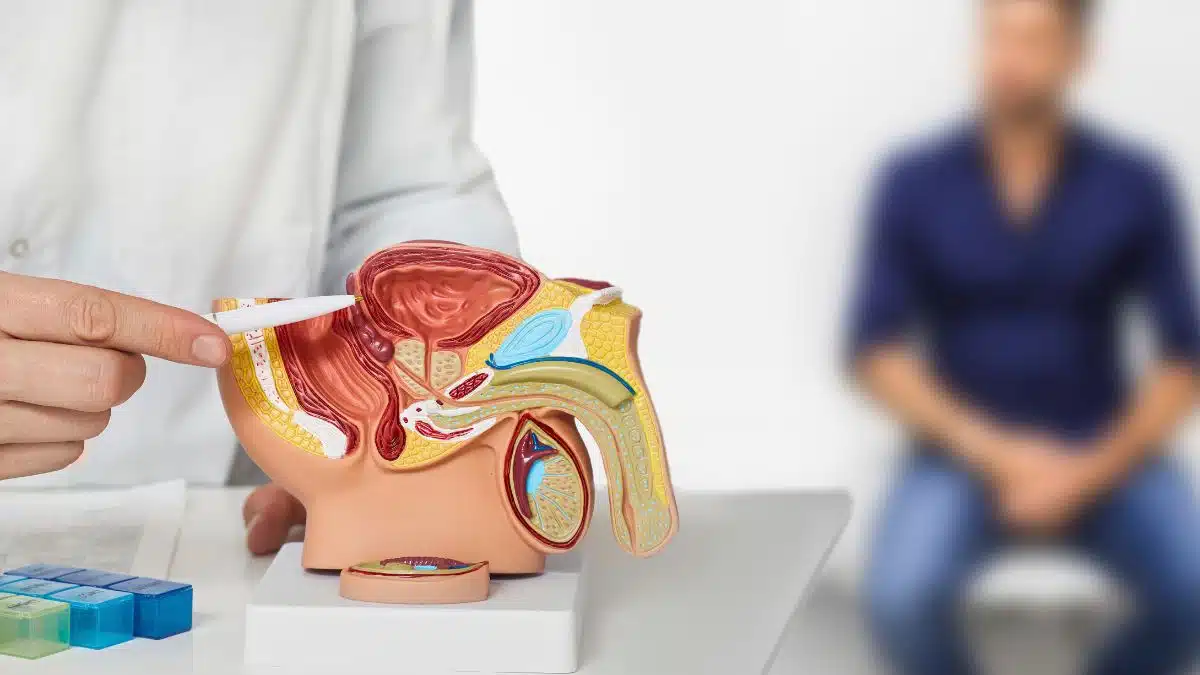
Prostate cancer is a malignant tumor that develops in the prostate gland, i.e. the prostate. The prostate is a small gland that produces seminal fluid. It is located just below the bladder and surrounds the urethra.
Prostate cancer usually develops slowly and may not show any symptoms in the early stages. As the disease progresses, problems with urination, pain in the pelvic area and, in advanced cases, symptoms related to bone metastases may appear.
Prostate cancer – Risk factors
Although the exact causes of prostate cancer are unknown, there are a number of factors that increase the risk of prostate cancer:
- Age: The risk of prostate cancer increases with age. It is most often diagnosed in men over 65 years of age.
- Family history: If your father or brother had prostate cancer, the risk of developing the disease is twice as high.
- Breed: Black men are at higher risk of prostate cancer than white men.
- Diet: A diet high in animal fats may increase the risk of prostate cancer.
- Obesity: Being overweight and obese can also increase the risk of developing the disease.
Diagnosis of prostate cancer
Early detection of prostate cancer is crucial for effective treatment. That is why regular preventive examinations are so important, especially in men over 50. Basic diagnostic tests include:
- PSA test: PSA (prostate-specific antigen) is a protein produced by the prostate. Elevated PSA levels in the blood can indicate prostate cancer, but it can also be caused by other conditions, such as benign prostatic hyperplasia or prostatitis.
- Rectal examination: The doctor examines the prostate with a finger through the anus to assess its size, shape and consistency.
- Prostate biopsy: It involves taking fragments of prostate tissue for microscopic examination. It is the only test that allows prostate cancer to be definitively confirmed or ruled out.
- Magnetic resonance imaging: It allows for a thorough assessment of the prostate and detection of possible cancerous changes.
What happens after diagnosis?
If a biopsy confirms prostate cancer, your doctor will determine the stage of the disease and discuss your treatment options with you. The choice of treatment method depends on many factors, such as:
- Stage of cancer: In the case of cancer limited to the prostate, radical treatment is possible, aimed at a complete cure. In advanced cancer, the goal of treatment is to control the disease and relieve symptoms.
- Patient’s age and health condition: In younger and healthier patients, radical treatment is more often used. In older patients with other comorbidities, less invasive treatment may be indicated.
- Patient preferences: The patient should be actively involved in the decision-making process and express their treatment preferences.
Prostate cancer treatment methods
There are various treatments available for prostate cancer, m.in.:
- Surgical removal of the prostate (radical prostatectomy): This is the standard treatment for prostate cancer limited to the gland.
- Radiotherapy: It involves irradiating the prostate with ionizing rays, which destroys cancer cells.
- Hormone therapy: It blocks the production of male hormones that stimulate the growth of prostate cancer.
- Chemotherapy: It is used in the treatment of advanced prostate cancer.
- Active Observation: It involves regular monitoring of the disease and the implementation of treatment only when it progresses. This method is used in patients with low-grade prostate cancer.
Life After a Prostate Cancer Diagnosis
Diagnosing prostate cancer is a difficult experience, but it’s important to remember that prostate cancer is often treatable, especially if it’s detected at an early stage. After treatment has ended, patients should be monitored regularly to monitor for any relapse.
It is also important to maintain a healthy lifestyle, including a healthy diet, regular physical activity , and avoiding smoking. Support from loved ones and support groups for prostate cancer patients can also be helpful in coping with the disease.
Summary
Prostate cancer is a serious disease, but early detection and appropriate treatment give a good chance of cure or long-term control of the disease. Regular preventive examinations, a healthy lifestyle and active participation in the treatment process are key elements in the fight against prostate cancer.
Remark:
This article is for informational purposes only and does not replace consultation with a doctor.