Prostate Symptoms
The prostate gland, commonly known as the prostate or prostate, is a small but extremely important element of the male genitourinary system. Understanding its role, changes with age and potential health problems is crucial for every man who cares about his health.
Spis treści
What is the prostate and what functions does it have?
The prostate is a gland the size of a walnut or chestnut , located in the pelvis minor, just below the bladder and forward from the rectum. It surrounds the initial section of the urethra, i.e. the duct through which urine flows out of the bladder outside the body. This specific location means that any changes in the size or structure of the prostate can directly affect the urination process.
The main function of the prostate is to produce liquid secretion, which is an important component of semen (sperm). This secretion, which makes up about 30% of the sperm volume, nourishes sperm and makes it easier for them to move, increasing their viability and ability to fertilize. The prostate consists of glandular tissue, responsible for the production of the aforementioned secretion, fibrous tissue, which has a supporting function, and smooth muscles. The contractions of these muscles during ejaculation (ejaculation) help to push the semen outwards.
Why is prostate health important and how does it change with age?
Prostate health is fundamental for the proper functioning of the urinary tract and for the preservation of sexual function in men. Unfortunately, this gland is prone to various diseases, and the risk of their occurrence increases with age. After 30. or 40 years of age , in most men, the prostate begins to gradually enlarge. It is a natural process that is asymptomatic in some people, while in others it can lead to health problems.
This often slow and initially imperceptible growth of the prostate gland, known as benign prostatic hyperplasia, is an essential aspect that every man should understand. This process can take years without giving clear signals, which can lull vigilance. Men may not associate subtle, early changes with prostate problems, attributing them to general aging. Only when the symptoms become more troublesome and significantly affect the quality of life, it prompts you to seek medical help. That is why it is so important to be aware of these natural changes and consult a doctor regularly, even if there are no alarming symptoms yet.
The most common age-related problem is benign prostatic hyperplasia (BPH), which affects about 50% of men in their 60s and as many as 90% of eighty-year-olds. In Poland, according to estimates, BPH symptoms may affect even more than 2 million men. Prostate cancer is an equally serious threat, the risk of which also increases significantly with age. It rarely occurs before the age of 50, and most cases are diagnosed in men over 65 or 70 years of age. In Poland, prostate cancer is one of the most common malignant cancers in men – over 15 thousand new cases are reported annually, and this number is unfortunately constantly growing. It accounts for as much as 23% of all cancers diagnosed in Polish men. These statistical data show the scale of the problem and emphasize the importance of prevention and early detection of prostate diseases in the Polish population.
Common Prostate Problems and Their Characteristic Symptoms
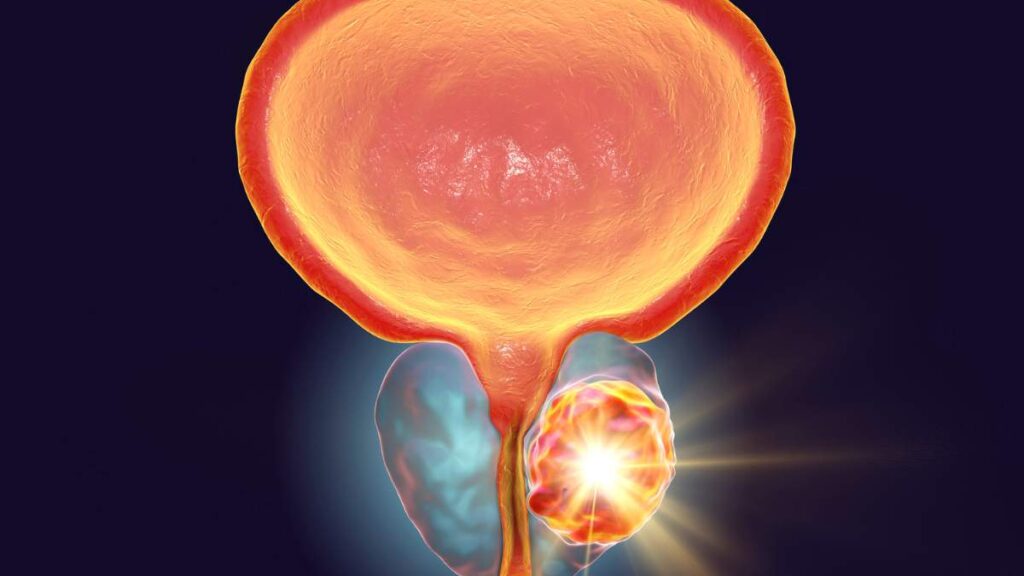
Prostate problems can manifest themselves in many ways, and their nature often depends on the specific condition. The three most common complaints are benign prostatic hyperplasia (BPH), prostatitis and prostate cancer.
Prostatic Enlargement (BPH): Symptoms and Risk Factors
Benign Prostatic Hyperplasia (BPH) is a benign, i.e. non-cancerous, enlargement of the prostate gland resulting from an increase in the number of prostate cells. It is a very common condition, especially in men over 50.
Even though BPH is a “benign” condition, meaning it is not cancer and does not metastasize, it should not be taken lightly. The enlarging prostate presses on the urethra, which leads to a number of unpleasant symptoms. Importantly, untreated or poorly controlled BPH can lead to serious complications, such as complete urinary retention, recurrent urinary tract infections, bladder stones, and even kidney damage. This is why it is important for men to understand that the “benign” nature of cell growth does not mean a benign impact on quality of life or long-term health if symptoms are ignored.
Common symptoms of BPH:
The symptoms of benign prostatic hyperplasia can be divided into two main groups:
- Obstructive symptoms (associated with obstructed urine outflow):
- Difficulty starting to urinate (voiding).
- Weak, narrow or intermittent urine stream.
- Prolonged micturition time can be a sign of benign prostatic hyperplasia.
- Dripping urine after voiding.
- Feeling of incomplete emptying of the bladder.
- Need to push or strain to urinate.
- Irritation symptoms (associated with bladder instability):
- Pollakiuria, i.e. frequent urination, also at night (nocturia – the need to get up to go to the toilet more than once a night), can be a symptom of benign prostatic hyperplasia.
- Sudden, strong urgency to urinate (so-called urgency) can be the result of various prostate diseases, including benign prostatic hyperplasia.
- Urinary incontinence – can occur in more advanced cases, often as urge urinary incontinence.
Other possible symptoms:
- Blood in the urine (hematuria) – occurs rarely in the course of BPH, but always requires diagnosis.
- Pain during urination (dysuria) – also a rarer symptom in BPH.
Risk factors for BPH:
The most important factors that increase the risk of developing benign prostatic hyperplasia include:
- Age: This is the main and best documented risk factor.
- Hormonal changes can lead to benign prostatic hyperplasia, which is important for middle-aged men. Imbalances between male (androgens, e.g. testosterone and its active form dihydrotestosterone – DHT) and female (estrogens) sex hormones play a key role.
- Genetic factors: Family predisposition may increase the risk, especially if BPH occurred in close relatives at a younger age.
- Obesity: Excess body weight has been linked to an increased risk of BPH.
- Physical inactivity: A sedentary lifestyle can contribute to the development of the disease.
- Type 2 diabetes and cardiovascular diseases: These metabolic and circulatory disorders can co-occur with BPH.
- Hypertension and elevated cholesterol levels.
- Environmental factors: Some studies suggest that it is more common in city dwellers.
Possible complications of untreated BPH:
Ignoring the symptoms of BPH and not receiving proper treatment can lead to serious health consequences, such as:
- Complete urinary retention (acute urinary retention) – a condition that requires urgent medical intervention.
- Recurrent urinary tract infections (UTIs).
- Bladder stones.
- Kidney damage (hydronephrosis, renal failure) due to obstructed urine outflow and increased pressure in the urinary tract.
Prostatitis: Types, Symptoms and Causes
Prostatitis is an inflammation of the prostate gland that can affect men of any age, although it is more common in men under 50 years of age. It is a disease with many faces, which is a challenge for both patients and doctors. The variety of causes and symptoms means that “prostatitis” is not a single disease entity, but rather a group of diseases that require careful diagnosis.
Types of prostatitis:
There are several main types of prostatitis:
- Acute bacterial prostatitis (ABP): Caused by a sudden bacterial infection.
- Chronic bacterial prostatitis (CBP) is a form of prostatitis that can lead to serious health problems. Long-term or recurrent bacterial infection of the gland.
- Chronic Pelvic Pain Syndrome (CPPS): Formerly called chronic non-bacterial prostatitis; It is characterized by chronic pain in the pelvic area in the absence of a detectable bacterial infection. It is the most common, but also the most difficult form of prostatitis to treat.
- Asymptomatic prostatitis: Inflammation detected accidentally during examinations (e.g. prostate biopsy), causing no discomfort.
Chronic pelvic pain syndrome (CPPS) in particular can be frustrating for patients due to the often unclear cause (“not fully known”) and the difficulty in finding effective treatment. Chronic pain and diagnostic uncertainty can be significantly mentally taxing, and some sources point to stress as a potential contributor to CPPS , which further complicates the picture of the disease, combining the physical and mental spheres.
Symptoms of acute bacterial prostatitis (ABP):
Symptoms appear suddenly and are usually very severe :
- High fever, chills.
- Muscle pain, general malaise, feeling shattered.
- Severe pain in the perineum, anus, at the base of the penis, in the lower abdomen, and sometimes radiating to the lower back (lumbar spine).
- Dysuria symptoms: frequent and painful urination, burning sensation in the urethra, sudden urge to urinate.
- Weakening of the urine stream, difficulty urinating, up to complete urinary retention.
- Tenderness and soreness of the prostate during rectal examination.
- There may be purulent discharge from the urethra, blood in the urine or semen.
Symptoms of chronic prostatitis (bacterial and CPPS):
Symptoms are usually less violent than in acute inflammation, but they are long-lasting, recurrent and can significantly reduce the quality of life :
- Chronic pain or discomfort of varying severity, located in the perineum, pelvis, testicles, penis, lower abdomen or lower back.
- Pain or discomfort during or after ejaculation.
- Problems with urination: pollakiuria, burning sensation during voiding, feeling of incomplete emptying of the bladder, urgent urgency.
- Sexual dysfunction, including erectile dysfunction, decreased libido.
- There may be blood in the urine or semen.
- A change in the appearance or smell of urine.
- General fatigue, irritability.
- In the case of chronic bacterial prostatitis, the symptoms may resemble those of acute prostatitis, but are milder and tend to recur, often without the accompanying systemic symptoms such as fever.
Causes of prostatitis:
- Bacterial infections: Most often caused by Gram-negative bacteria, mainly Escherichia coli, which can come from the natural flora of the large intestine or be sexually transmitted (e.g. gonorrhea). They are the main cause of acute and chronic bacterial prostatitis.
- Non-bacterial factors (in CPPS): The causes of chronic pelvic pain syndrome are not fully understood. They may include:
- Chronic stress and psychological factors.
- Autoimmune or hormonal disorders.
- Mechanical injuries to the perineum or urethra.
- Pelvic floor muscle dysfunctions.
- Prostate secretion, chemical irritation by urine components.
- Other risk factors: Urethral stenosis, benign prostatic hyperplasia, urological procedures (e.g. catheterization, prostate biopsy), constipation, colorectal diseases, urinary retention.
Possible complications of untreated prostatitis:
- Prostate abscess (accumulation of pus in the gland).
- Spread of infection to adjacent organs, e.g. testicles and epididymis (epididymitis).
- Permanent sexual dysfunctions.
- Sepsis (sepsis) – a generalized inflammatory reaction of the body, especially dangerous in the case of acute bacterial prostatitis.
- Transition of acute inflammation into a chronic form, more difficult to treat.
Prostate Cancer: Early, Atypical and Advanced Symptoms and Risk Factors
Prostate cancer is one of the most common malignant tumors in men. Its development is often slow and insidious, which is a major diagnostic challenge.
The insidious nature of prostate cancer:
A key feature of prostate cancer is that it very often does not give any symptoms at an early stage, which makes early treatment of prostate cancer difficult. The tumor can grow for many years without causing discomfort that would prompt a man to visit a doctor. When symptoms finally appear, the disease may already be at a more advanced stage. What’s more, these symptoms can be very similar to those found in benign prostatic hyperplasia (BPH), such as problems urinating. This coincidence of symptoms is particularly dangerous because a man experiencing micturition difficulties may assume that it is “just an enlarged prostate”, without considering the possibility of cancer. In addition, some unusual symptoms, such as back pain or fatigue , can be easily attributed to other, less serious conditions, which further delays the correct diagnosis. For example, bone pain caused by metastatic prostate cancer is sometimes confused with osteoporosis or degenerative changes in the spine. That is why it is extremely important not to ignore any new, persistent or worsening genitourinary symptoms and to undergo regular preventive examinations.
Possible symptoms of prostate cancer:
Although early prostate cancer is often asymptomatic, as the tumor grows, the following symptoms may appear:
- Problems with urination:
- Pollakiuria, also at night (nocturia).
- Difficulty starting micturition.
- Weak, intermittent, or narrowed urine stream.
- A feeling of incomplete emptying of the bladder may be a symptom of prostatitis.
- Pain or burning when urinating.
- Blood in the urine (hematuria) or semen (hemospermia): It is always an alarming symptom that requires urgent diagnosis, especially in the case of prostate cancer.
- Problems with sexual function can be a symptom of prostatitis or prostate cancer.
- Erectile dysfunction (difficulty achieving or maintaining an erection).
- Pain during ejaculation.
- Pain:
- Pain in the lower back, hips, pelvis, thighs or other bones – may indicate metastases of the cancer to the bone.
- Pain in the lower abdomen or perineum.
- Systemic symptoms (usually in more advanced disease):
- Unexplained weight and appetite loss.
- Chronic fatigue and weakness.
- Other symptoms:
- Bowel problems such as abdominal pain, bloating, change in bowel movement rhythm (e.g. constipation, diarrhea) – can occur when the cancer infiltrates adjacent structures or metastasizes to the pelvis.
- Swelling of the lower limbs or genitals – this can be caused by the tumour pressing on the lymphatic or blood vessels.
Unusual symptoms of prostate cancer:
Some symptoms of prostate cancer may be less characteristic and can be easily overlooked or attributed to other ailments:
- Chronic back and hip pain, especially worsening at night.
- Erection problems, especially if they appear suddenly and are not related to other obvious causes.
- Pain during ejaculation.
- A feeling of incomplete emptying of the bladder, especially when accompanied by other symptoms, such as difficulty urinating or frequent urgency.
- Sudden weight loss for no apparent reason and loss of appetite.
- Chronic fatigue that does not go away after rest.
- Intestinal problems, such as constipation, diarrhoea, bloating or abdominal pain, which may indicate that the cancer is under pressure on the intestines.
Symptoms of advanced prostate cancer and metastases:
In the advanced stage, prostate cancer can metastasize to other organs, causing additional symptoms :
- Bone metastases can be a serious complication in the case of prostate cancer. They are the most common. They manifest themselves as persistent bone pain (e.g. spine, pelvis, ribs, femurs), which may intensify at night and not subside after rest. They can also lead to pathological bone fractures (fractures with little or no trauma).
- Liver metastases: They can cause pain in the upper right abdomen, nausea, loss of appetite, weight loss, ascites (accumulation of fluid in the abdomen), jaundice (yellowing of the skin and whites of the eyes), and itchy skin.
- Lung metastases: They can manifest themselves as chronic cough, shortness of breath, hemoptysis and accumulation of fluid in the pleural cavity (pleural effusion).
- Infiltration into the bladder or rectum: It can lead to increased urinary symptoms, haematuria, and in the case of rectal infiltration – rectal bleeding, abdominal pain, constipation or blood in the stool.
- Locally advanced prostate cancer may require surgical treatment. It can lead to complete urinary retention, hydronephrosis (widening of the kidneys’ pelvic-calyceal system) and kidney failure.
Risk factors for prostate cancer:
The most important factors that increase the risk of prostate cancer include:
- Age: This is the strongest risk factor. The risk increases significantly after the age of 50, and most cases are diagnosed in men over 65.
- Family Burden: The occurrence of prostate cancer in close relatives (father, brother) increases the risk of developing the disease several times.
- Breed: Black men (African Americans) are more likely to be affected and have a higher risk of dying from prostate cancer compared to men of other races. The lowest incidence is recorded in men of Asian descent living in their home countries.
- Diet: A diet high in animal fats (saturated fatty acids), red meat, and low in vegetables, fruits, vitamins, and minerals may increase your risk.
- Obesity: Excess body weight has been linked to a higher risk of developing more aggressive forms of prostate cancer.
- Exposure to androgens (male sex hormones): Long-term exposure to high androgen levels may play a role in the development of prostate cancer.
- Smoking: Some studies have linked smoking to more aggressive forms of prostate cancer.
- Sedentary lifestyle: Lack of regular physical activity can increase the risk.
- Exposure to certain chemicals can increase the risk of prostatitis. Occupational exposure to certain chemicals (e.g. cadmium, arsenic, chromium compounds, lead) may increase the risk.
- Chronic inflammation, sexually transmitted diseases, and common urinary tract inflammation: They can be contributing factors.
Symptoms of prostatitis. A visit to the doctor?
Knowledge about the symptoms of prostate disease is important, but it is also crucial to skillfully recognize the moment when to seek professional medical help. Some symptoms require immediate attention, while others should prompt you to plan a visit to a specialist.
Alarming signals that cannot be ignored
Certain symptoms should be treated as alarm signals and prompt immediate consultation with a doctor, preferably a urologist:
- Blood in the urine (hematuria) or semen (hemospermia): This is a symptom that absolutely should not be underestimated, as it can indicate serious diseases, including prostate cancer.
- Difficulty urinating: Problems with the initiation of voiding, significantly weakened, intermittent or thin stream of urine.
- Frequent urination, especially at night (nocturia): If the need to urinate wakes you up many times during the night and significantly affects the quality of sleep.
- Pain in the lower back, hips or thighs: Especially if the pain is persistent, does not go away or intensifies, it can be a symptom of advanced prostate cancer with bone metastases.
- Erection problems: Especially if they appear suddenly or progressively and are not related to emotional factors.
- Unexplained weight loss, chronic fatigue: These may be systemic symptoms accompanying cancer.
- Sudden urinary retention (acute urinary retention): Inability to urinate despite strong urgency, often accompanied by pain in the lower abdomen. This is a condition that requires immediate medical attention, often in a hospital emergency department (ED).
- Any new, worrisome or worsening genitourinary symptoms: Any change in the functioning of the urinary or genital system that raises concern should be consulted with a doctor.
When to go to a urologist prophylactically?
Regular check-ups with a urologist are a key part of prostate disease prevention, even if there are no symptoms. It is recommended that:
- Men after the age of 50 They reported for a urological check-up once a year.
- Men after the age of 40 who have a family history of prostate cancer (father, brother) or black men should also start regular check-ups earlier, because of the increased risk.
- Some recommendations say that prostate examinations should generally be started after the age of 40.
Diagnosis of prostate problems: What tests can a urologist order?
A visit to a urologist if prostate problems are suspected begins with a detailed medical history of symptoms, medical history and risk factors. Your doctor may ask a number of questions about your frequency of urination, the nature of the stream, the occurrence of pain, sexual problems, or your family history to better understand the symptoms associated with prostate treatment. This is followed by a physical examination and, if necessary, additional diagnostic tests are ordered:
- Rectal examination (DRE – Digital Rectal Exam): A basic urological examination, during which the doctor assesses the size, shape, consistency and possible tenderness of the prostate with a finger through the anus. This test allows for the detection of abnormalities such as nodules, induration or enlargement of the gland.
- Blood PSA (prostate-specific antigen) testing: Determination of the level of protein produced by prostate cells. Elevated PSA levels can indicate various prostate conditions.
- General urinalysis and urine culture: Performed to detect a possible urinary tract infection or the presence of blood in the urine, especially when prostatitis is suspected.
- Prostate ultrasound: Ultrasound can be performed through the abdominal wall (transabdominal ultrasound) or, more accurately, transrectal ultrasound (TRUS – Transrectal Ultrasound). TRUS allows for a precise assessment of the size and structure of the prostate, the detection of possible tumors and, if necessary, the collection of biopsies.
- Uroflowmetry: A non-invasive test to assess urethral flow (the strength and nature of the urine stream).
- Prostate biopsy: If prostate cancer is suspected (e.g. on the basis of an elevated PSA and/or an abnormal rectal test result), it is necessary to take prostate tissue samples for histopathological examination. This is the only test that definitively confirms or excludes cancer.
- Imaging tests (computed tomography – CT, magnetic resonance imaging – MRI): They are mainly used in the diagnosis of prostate cancer to assess the stage of the disease and detect possible metastases.
- Cytoscopy: Bladder and urethral speculum, performed in some cases to verify the diagnosis, e.g. in the case of recurrent bleeding or suspected urethral stenosis.
- Urodynamic examination: Comprehensive assessment of lower urinary tract function, helpful in diagnosing the causes of urination problems.
PSA test: Age norms and what does the result mean
Testing the level of PSA (prostate-specific antigen) in the blood is one of the basic tools in the diagnosis of prostate diseases, especially prostate cancer. PSA is a protein produced almost exclusively by prostate cells, both normal and cancerous. Small amounts of PSA enter the blood, but in the case of damage, inflammation, prostate enlargement or prostate cancer, the level of PSA in the blood may increase, which is important in the diagnosis of prostate cancer.
However, it is important to remember that elevated PSA levels are not synonymous with a diagnosis of prostate cancer. It can also occur in the case of benign prostatic hyperplasia (BPH), prostatitis, after rectal examination, ejaculation, cycling or after some urological procedures. Therefore, the interpretation of the PSA result must always be made by a physician in the context of the patient’s age, clinical symptoms, the results of other tests (e.g., DRE), and medical history. The PSA is an important indicator, but not an oracle. Do not panic with a slightly elevated result, nor ignore the symptoms if the PSA result is normal. Some experts also point to the risk of “overdiagnosing” less aggressive forms of prostate cancer with widespread PSA screening, highlighting the complexity of interpreting this test.
Approximate PSA standards depending on age:
PSA levels naturally increase with age, so reference values vary from age group to age. The following table shows the indicative upper limits of normal for total PSA :
Approximate Norms of Total PSA Level Depending on Age
| Patient’s age | Upper Limit of PSA Normal (ng/mL) |
|---|---|
| Under 40 years old | Ok. 1.4 |
| 40-49 years old | Ok. 2.0 – 2.5 |
| 50-59 years old | Ok. 3.1 – 3.5 |
| 60–69 years old | Ok. 4.1 – 4.5 |
| 70-79 years (or > 70) | Ok. 4.4 – 6.5 |
Note: The values given are indicative and may vary slightly depending on the laboratory and the analytical methods used. Always consult your doctor about the result.
In addition to the absolute value of PSA, the dynamics of its changes over time (the rate of increase in PSA levels) and the ratio of free PSA to total PSA (the so-called %fPSA index) are also important, which can help differentiate between benign hyperplasia and prostate cancer. A PSA level above 10 ng/mL typically indicates an increased risk of prostate cancer, and very high values (e.g., above 200 ng/mL) may suggest advanced disease.
The PSA test is available as part of the National Health Fund reimbursement, e.g. in the “Prevention 40 PLUS” program for men. It is recommended to take the PSA test on an empty stomach.
How to distinguish the symptoms? Prostatic hyperplasia
One of the biggest challenges for men experiencing prostate problems is understanding what their symptoms may mean. Many symptoms are common to different prostate conditions, making self-diagnosis impossible and potentially dangerous. It is crucial to realize that although certain patterns of symptoms may suggest a specific condition, the final diagnosis can only be made by a doctor based on a comprehensive diagnosis.
BPH, inflammation, prostate cancer – similarities and differences in symptoms
Similarities:
Many lower urinary tract symptoms (LUTS – Lower Urinary Tract Symptoms) can occur in benign prostatic hyperplasia, prostatitis and prostate cancer. The most common common symptoms include :
- Pollakiuria (frequent urination)
- Nocturia (need to urinate at night)
- Weakened or intermittent urine stream
- Urge to urinate
- Feeling of incomplete emptying of the bladder
This convergence of symptoms emphasizes why professional differential diagnosis is so important. Trying to guess the cause of the ailment on your own can lead to a delay in proper treatment or unnecessary anxiety.
Differences and characteristics:
Despite many similarities, some features may be more typical for specific conditions:
Comparison of symptoms of the most common prostate diseases
| Trait/Symptom | Benign prostatic hyperplasia (BPH) | Prostatitis (acute – ABP) | Prostatitis (chronic/CPPS) | Prostate cancer |
|---|---|---|---|---|
| Onset of symptoms | Gradual | Sudden, violent | Gradual or recurrent | Often asymptomatic in its early stages, then gradual |
| Fever, chills | Rarely (unless complicated by UTIs) there is acute prostatitis that requires immediate treatment. | Common, high fever | Rare or absent | Rare (unless advanced with infection) |
| Pain when urinating (dysuria) | Seldom | Often, strong | Often, of varying severity | Possible, especially in the advanced stage |
| Pain (location and character) | Rather discomfort associated with pushing, rarely pain | Severe pain in the perineum, lower abdomen, anus, lumbar | Chronic pain in the pelvis, perineum, testicles, penis, lumbar | It can be painless; bone pain (back, hips) in the metastatic stage; lower abdominal pain |
| Blood in the urine/semen | Rare (hematuria) | Possible (hematuria, hemospermia) | Possible (hematuria, hemospermia) | A possible “red flag” |
| Obstructive symptoms (weak stream, difficulty initiating voiding, etc.) may indicate a feeling of incomplete emptying of the bladder. | Very common, typical | Possibly due to swelling | Possible variable severity | Common as the tumor grows, similar to BPH |
| Irritation symptoms (pollakiuria, nocturia, urgency) | Very common, typical | Frequent, severe | Frequent, variable severity | Common as the tumor grows, similar to BPH |
| Pain during/after ejaculation | Seldom | Possible | Frequent, characteristic | Possible |
| Erectile dysfunction | Possible, but not directly caused by BPH | Possible | Frequent | Possible, especially in the advanced stage or as a complication of treatment |
| Weight loss, weakness | No | Possible with severe infection | Possible for long-term pain and stress | Possible, especially in advanced cancer |
It should be emphasized that the symptoms of prostate cancer can be confused not only with BPH and prostatitis, but also with bladder infection or urinary tract infection (UTI) in general. That is why it is so important to consult a doctor who will carry out an appropriate differential diagnosis.
Prostate Disease Prevention: How to Actively Take Care of Men’s Health?
While not all prostate problems can be prevented, especially those related to age or genetics, living a healthy lifestyle can significantly reduce or alleviate the risk of certain conditions. Men have a real impact on the health of their prostate gland through daily choices about diet, physical activity and regular checkups.
Diet for a healthy prostate: What to eat and what to avoid?
A properly balanced diet plays a crucial role in maintaining overall health, including prostate health. Some nutrients have proven protective effects, while others may increase the risk of prostate problems.
Recommended Products:
- Vegetables and fruits: They are a rich source of vitamins, minerals, fiber and antioxidants that protect cells from damage. Particularly valuable are:
- Tomatoes and their preserves (sauces, concentrates): They contain lycopene, a powerful antioxidant that can protect the prostate. Lycopene is better absorbed after heat treatment of tomatoes.
- Cruciferous vegetables (broccoli, cauliflower, cabbage, Brussels sprouts): They are a source of sulforaphane and diindolemethane (DIM), compounds with potential anti-cancer and hormone-regulating effects.
- Other vegetables rich in beta-carotene: Carrots, pumpkin, spinach.
- Berries (strawberries, raspberries, blueberries): Rich in flavonoids with anti-inflammatory properties.
- Peppers, parsley: Sources of vitamin C
- Oily sea fish (salmon, mackerel, sardines): They provide omega-3 fatty acids, which have a strong anti-inflammatory effect.
- Nuts and seeds:
- Walnuts: A source of omega-3 fatty acids.
- Brazil nuts: Rich in selenium, a mineral with antioxidant properties.
- Pumpkin seeds: A natural source of zinc and beta-sitosterol, which support prostate health and may improve urine flow.
- Whole grain products (brown rice, groats, whole grain bread): They provide fiber, which supports the digestive system and can help with hormonal regulation.
- Plant sources of protein (lentils, chickpeas, beans, tofu): They are a healthy alternative to red meat, which is important in the diet of patients with benign prostatic hyperplasia.
- Lean meats and low-fat dairy products: They provide protein and calcium.
- Healthy vegetable fats (olive oil, flaxseed oil): Flaxseed oil is another plant-based source of omega-3 fatty acids.
- Green tea: It contains polyphenols with anti-inflammatory and potentially anti-cancer effects.
- Foods rich in vitamin D, E, zinc: Vitamin D (e.g. fatty fish, fortified products), vitamin E (vegetable oils, almonds, hazelnuts), zinc (pumpkin seeds, seafood, lean meat).
Products to avoid or reduce:
- Red meat (beef, pork) and processed meat products (sausages, frankfurters, bacon): Excessive consumption can increase the risk of prostate diseases, including cancer.
- Saturated and trans fats: Found in fatty meats, full-fat dairy products, butter, hard margarines, fast food, confectionery and industrial baked goods. They can contribute to inflammation and hormonal disorders.
- Simple sugars and highly processed foods: Poor in nutrients, they can promote obesity and inflammation.
- Excess alcohol and caffeine: They can irritate the bladder and worsen urinary symptoms, especially in men with BPH or prostatitis.
- Excess salt: It can contribute to hypertension and cardiovascular problems.
- Soybeans and soy products: Some sources suggest caution, pointing to the potential effects of soy phytoestrogens on the male endocrine system. However, other studies point to the potential benefits of soy products in the context of prostate cancer. This issue requires further research and individual assessment.
- Bisphenol A (BPA): A chemical compound present in some plastic packaging and cans that may have estrogen-like effects. It is worth choosing food in glass packaging or labeled “BPA-free”.
The role of physical activity and regular check-ups
In addition to diet, regular physical activity and regular check-ups are crucial for prostate health.
Regular physical activity:
- Reduces the risk of prostate diseases: Studies show that regular physical exercise, especially cardio training (e.g. brisk walking, running, swimming, cycling), can reduce the risk of developing prostate cancer by up to 35%.
- Beneficial effects on the body: Physical activity affects the regulation of hormone levels, reduces inflammation and strengthens the immune system – all these factors are important in the prevention of prostate diseases, including prostatitis.
- Improves Circulation: Better blood circulation means better oxygenation and nutrition of tissues, including the prostate gland, and more efficient removal of toxins, which can reduce the risk of inflammation and cancer.
- Helps maintain a healthy body weight: Obesity is a risk factor for many diseases, including prostate problems.
- Specific recommendations: Even moderate activity, such as brisk walking (e.g., 4 hours per week at a pace of 5 km/h or faster) can have benefits, including reducing the risk of death and recurrence of the disease in patients already diagnosed with prostate cancer.
Regular check-ups are crucial in the diagnosis of inflammation of the gland and prostate cancer.
They are the foundation for early detection of prostate diseases, including prostate cancer, which significantly increases the chances of effective treatment and full recovery.
- Visits to the urologist: Recommended once a year for men over 50 years of age, and for men at increased risk (e.g. family history of prostate cancer) after 40 years of age.
- Rectal examination (DRE) and PSA level determination: Standard elements of urological control.
- Other aspects of a healthy lifestyle:
- Avoiding stress: Chronic stress can negatively affect health, including prostate (e.g., by affecting chronic pelvic pain syndrome). Relaxation techniques, regular rest, daily walks can help, which can alleviate the symptoms associated with the feeling of incomplete emptying of the bladder.
- Quitting smoking can benefit prostate health and reduce the risk of prostatitis. Smoking is harmful to the entire body and can increase the risk of more aggressive forms of prostate cancer.
- Regular sex life: Some studies suggest that regular ejaculations may have a beneficial effect on prostate health.
- Avoiding pressure on the perineum: Prolonged cycling or other activities that cause pressure on the perineum can worsen symptoms in men with prostatitis or BPH.
- Not stopping urination: Regular emptying of the bladder is important for the health of the urinary system.
Your Prostate Health in Your Hands
Prostate problems are a common occurrence in men, especially in old age, but awareness of symptoms, regular prevention and early medical attention can significantly improve prognosis and quality of life. The prostate gland, although small, plays an important role in the male body, and its diseases, such as benign hyperplasia, inflammation or prostate cancer, can cause a variety of often confusing symptoms.
It is crucial not to ignore any disturbing symptoms from the genitourinary system. Difficulty urinating, pollakiuria, pain, blood in the urine or semen – these are the signals that should prompt a visit to a urologist. Regular preventive examinations, including rectal examination and PSA level determination, are recommended for all men over 50 years of age, and even earlier in risk groups. Early detection of the problem means a greater chance of effective treatment.
Many men feel anxious or embarrassed before visiting a urologist. However, it is important to break down these barriers. An open and honest conversation with a doctor is the basis for a correct diagnosis and the selection of the best treatment method. It is worth preparing a list of questions and doubts to make the most of the consultation time. A doctor is a partner in taking care of your health, and his or her task is to help you understand the problem and propose optimal solutions.
We should also not forget about the huge role that a healthy lifestyle plays in preventing prostate diseases and alleviating symptoms. A proper diet, rich in vegetables, fruits, healthy fats and lean protein, and low in processed foods and red meat, can support prostate health. Regular physical activity, maintaining a healthy body weight, avoiding smoking and excessive alcohol consumption are other pillars of prevention.
Remember that your prostate health is largely in your hands. A proactive approach, regular check-ups, awareness of symptoms and a healthy lifestyle are the best investment for a long and comfortable life.