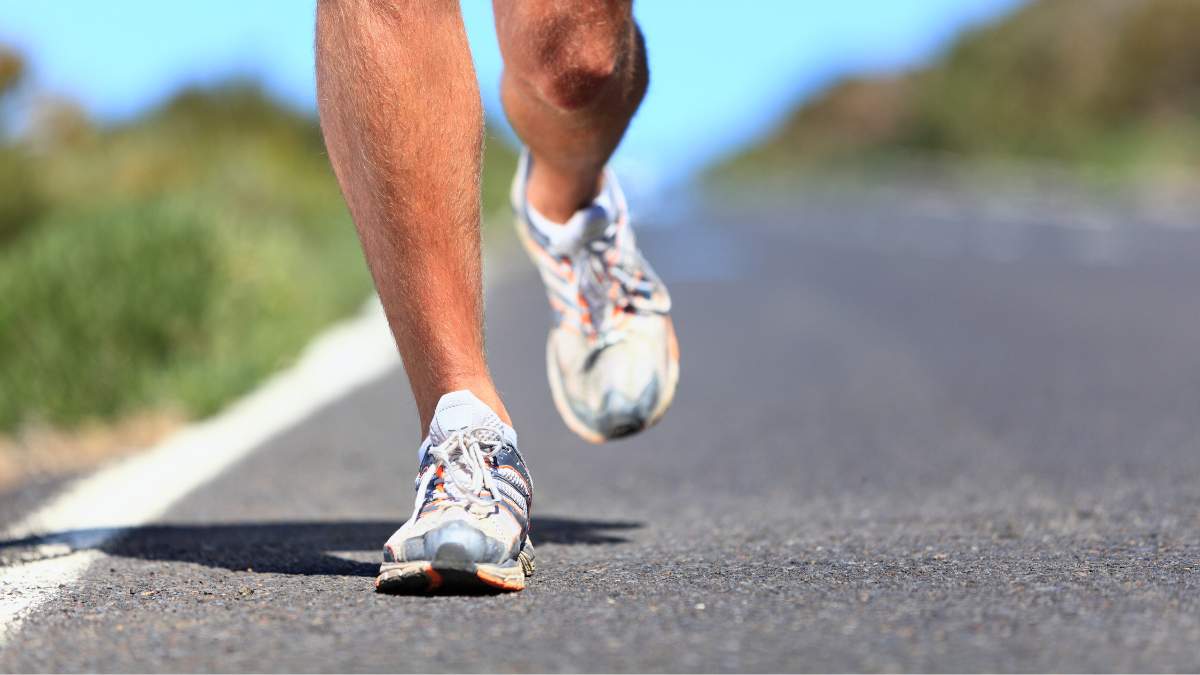
Running shoes
Choosing the right running shoes is one of the most important decisions every runner makes, regardless of their level. It is not only a matter of comfort, but above all of health and injury prevention. Well-fitting footwear is an investment that pays for itself with every mile you run, protecting your joints, supporting the natural biomechanics of movement and allowing you to enjoy running in pure pleasure, especially in good running shoes. The market offers hundreds of models of shoes, differing in technologies, purpose and design, which can make it difficult to choose shoes. How to find yourself in all this to choose running shoes?
Spis treści
Why is choosing the right running shoes so crucial?
Before we dive into the technical details, it’s worth understanding why this issue should not be underestimated. Running in random sports shoes, and even more so in everyday shoes, is a straight path to pain and serious injuries.
- Injury prevention: When running, forces that are many times greater than the body weight act on the feet. Shoes with adequate cushioning absorb some of these shocks, protecting the ankles, knees, hips and even the spine.
- Support and stabilization: Everyone’s feet work slightly differently, which should be taken into account when choosing the right running shoes. Shoes selected for the type of foot (pronation, supination, neutral) help to correct incorrect movement patterns, reducing the risk of overload.
- Comfort and performance: The right shoes mean no abrasions, blisters and discomfort. When you feel good, you run more willingly, longer and more effectively.
- Adaptation to the surface: You need different grip and protection on smooth asphalt than on muddy, rocky paths in the forest.
Key parameters you need to know before buying
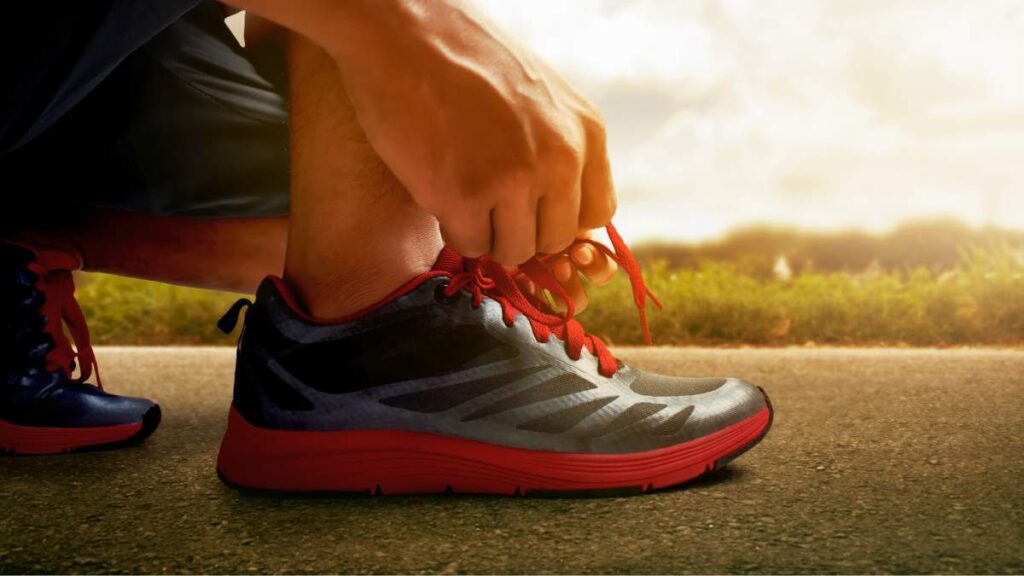
The world of running shoes has its own language. Understanding a few basic concepts is necessary to consciously navigate the manufacturers’ offer.
Type of Ground: Asphalt vs. Terrain – the basic difference
This is the first and most important question you need to answer for yourself. Where do you run most often?
- Asphalt shoes (road running): Designed for running on hard, level surfaces such as asphalt, pavements, concrete or paved park paths, these hard surface running shoes are perfect for the running center. Their main task is to provide maximum cushioning, which is crucial when running on asphalt.
- Trail running shoes are ideal for running in the mountains. Created for uneven, often slippery and demanding ground – forest paths, mountain trails, mud, stones and roots. Traction, stability and foot protection are the priority here, which is important when choosing running shoes.
Shock absorption – your personal suspension system
Cushioning is the ability of the midsole to absorb the energy generated when the foot hits the ground. The level of cushioning is mainly selected according to the runner’s weight, distance and individual preferences.
- Minimum level: To choose your running shoes, it’s important to know your needs. Lightweight, flexible shoes that give a great feel to the ground are the best shoes for running on asphalt. Designed for advanced runners with impeccable technique and low weight, often used as a racing shoe.
- Medium Level: The most universal category. A good compromise between cushioning, dynamics and ground feel is key when choosing new running shoes. Ideal for most runners for everyday training.
- Maximum level: “Plush” shoes with a thick layer of foam. They provide the highest level of protection and comfort, ideal for heavier runners, people with injuries and for very long distances (ultra).
Drop, i.e. heel-toe drop. What does it mean and how does it affect your run?
Drop is the difference in sole height between the heel and toes, expressed in millimeters. This parameter affects which part of the foot we land while running, which is crucial in a runner’s guide.
- High drop (8-12 mm): The most traditional solution. Promotes heel landing between heel height. It is a safe choice for most recreational runners and beginner runners because it relieves pressure on the Achilles tendon and calves.
- Low drop (4-7 mm): It encourages you to land on the ball of your feet, which is considered a more natural and effective movement pattern. However, it requires stronger calves and plantar fascia.
- The zero drop (0-3 mm) is often preferred by natural runners who want to choose the right running shoes. Characteristic of minimalist shoes and some trail models. It forces you to land on the forefoot/midfoot, which is the closest thing to barefoot running. Designed for experienced runners, the New Balance model offers excellent support, making it one of the better models of running shoes.
Foot Type: Pronation, Supination or Neutral Foot?
Pronation is the natural inward movement of the foot that absorbs shocks, which is important when choosing running shoes. The problem arises when this movement is excessive (overpronation) or insufficient (supination).
- A neutral foot is an important factor when choosing running shoes. The foot distributes the weight of the body correctly. The ankle stays in line while running, which increases comfort in the first shoe. Runners with this type of foot have the largest selection of footwear – neutral shoes are designed for them.
- Overpronation (pronating foot): The foot “escapes” too much inwards. This can lead to knee, hip and flat foot pain. Shoes with stability are a key element in the selection of running shoes (e.g. with harder foam on the inside of the sole, which is important when choosing your first running shoes).
- Supination (supinating foot): A rarer phenomenon, where the foot rolls mainly on the outer edge, can occur if you choose the wrong running shoes. Runners with supination should look for neutral shoes with very high cushioning that will provide flexibility and dissipate the forces of impact.
How to check your foot type? The simplest home remedy is the “water test”: wet your foot and stand on a piece of paper. Compare the print with the pattern on the Internet to choose the right size. You can get a more precise diagnosis in a specialized running store on a treadmill with video analysis.
Shoe size – how to avoid the most common mistake?
Running shoes need to be bigger than the ones you wear every day! During exercise, the foot swells and moves forward.
The golden rule: Buy shoes that are about 0.5-1 cm longer than your foot. After putting the shoe on and moving the heel all the way down, you should have a thumb-width slack in front of the longest toe. Try on your shoes in the evening, when your foot is largest, to avoid ill-fitting shoes.
Running shoes for asphalt – characteristics and the best models

Running on hard surfaces is a constant, repetitive impact. That’s why asphalt running shoes must be masters in cushioning.
Features of the perfect shoes for hard surfaces
- Maximum depreciation: The midsole is made of modern, springy foams (e.g. in the brooks ghost running shoes). EVA, TPU, PEBA) is an absolute must. It is designed to protect the joints from monotonous strain.
- Smooth tread: The outsole is relatively flat, with small grooves. This ensures a large contact patch with the ground and excellent grip on dry and wet asphalt. Aggressive tread is unnecessary here and would wear off quickly.
- Breathable upper: Usually made of lightweight, woven mesh that provides excellent ventilation and heat dissipation, which is crucial when running in the city.
- Flexibility and smooth rolling: The design of the shoe should support a smooth transition from landing to take-off, without restricting the natural movement of the foot.
Types of asphalt shoes: Training, competition and mixed
- Training shoes: These are the “workhorses” in the runner’s closet. Designed for durability and comfort during the daily “slapping of kilometers”. They have the most cushioning and support. They are a bit heavier, but offer maximum protection. Perfect for beginners and as a basic pair for advanced.
- Racing shoes (“starters”): an excellent choice for those looking for running shoes for competitions. Their goal is speed. They are extremely light, dynamic and have much less cushioning. They provide excellent ground feeling and maximum energy return. Designed for competition and faster training units for experienced runners, lightweight and dynamic shoes can improve performance.
- Training and competition shoes: Golden mean. Lighter and more dynamic than typical training shoes, but with more cushioning than radical starters. A great choice for faster workouts, tempo runs and as a racing shoe for amateurs aiming for good results.
Trail running shoes – how to overcome each path?
Trail running is an adventure, changeability and unpredictability. Trail running shoes are your tool to deal with any challenge that nature throws at you.
Anatomy of an Off-Road Shoe: What Makes It Different?
- Aggressive tread: This is the most important feature. Deep, multi-directional pegs bite into mud, dirt and wet leaves, providing traction on uphill and downhill runs. The shape and spacing of the studs depends on the purpose of the shoe (different for mud, different for rocks).
- A reinforced upper is a feature that can be important when choosing running shoes. Made from more densely woven, more durable synthetic materials. It often has rubber wraps on the toes and reinforcements on the sides to protect the foot from impacts with stones and roots.
- Sole protection (Rock Plate): Many models have a hard plate built into the sole (usually made of composite or plastic), which protects the bottom of the foot from sharp stones and roots.
- Stability: Trail shoes are often wider in the base and set lower, which lowers the center of gravity and increases stability on uneven ground.
Gore-Tex (GTX) membrane in off-road boots – is it worth it?
The membrane is a waterproof layer in the upper that is designed to protect against moisture from the outside.
- Advantages: It keeps your feet dry when running in the rain, snow or on wet grass, which is important when choosing men’s running shoes. Ideal for cool and wet autumn and winter conditions.
- Disadvantages: It significantly reduces the breathability of the shoe, which can lead to overheating of the feet on warmer days. When water pours inside the top (e.g. when crossing a stream, but new shoes with a membrane will take a very long time to dry and become heavy, which can lead to poorly chosen shoes.
- Verdict: Boots with Gore-Tex membrane This is a great choice for winter and very wet weather, especially when it comes to shoes designed for these conditions. For summer and conditions where it is inevitable that the shoes will get completely wet, a model without a membrane will work better, as it will quickly drain water and dry.
Choosing outdoor shoes and the type of ground
Trail is not just a trail. Different shoes will work well in the Kampinos Forest and different in the Tatra Mountains, especially for running in the mountains.
- Gentle forest and park paths are the perfect place to run in shoes made for this purpose. Shoes with a moderately aggressive tread and good cushioning are enough. Sometimes even the so-called “hybrid shoes” (door-to-trail) will work here, which can cope with both asphalt and easy paths.
- Muddy, boggy terrain: You need shoes with a deep, widely spaced tread that won’t get clogged with mud.
- Rocky terrain, mountains: the perfect place to test running shoe models. Grip on wet rock (special rubber compounds in the sole), precision and good foot protection (rock plate, reinforced front) are crucial. Cushioning can be reduced to provide a better feel on the ground.
Summary: How to make the final decision?
You now know everything you need to choose the right running shoes for you and buy running shoes. It’s time to put it together in a simple action plan:
- Determine the surface: Where do you run 80% of the time? Asphalt or terrain?
- Diagnose the foot: Take a water test or go for a professional analysis to determine your pronation type and choose your running shoes.
- Choose your cushioning level to match your shoes for everyday running. Consider your weight, planned distances, and personal preferences. Beginners and heavier runners should aim for more cushioning.
- Decide on the drop: If you are starting out, a standard drop (8-12 mm) will be a safe choice.
- Choose the perfect size: Remember to reserve about 1 cm!
- Try it on and test: If you have the opportunity, try on several different models of shoes to choose the best size. Walk and even run around the store. Don’t just be influenced by the brand or color, but choose the shoes that best suit your running style.
Remember that the perfect running shoes are the ones you forget about during training. It’s a tool that is meant to serve you, protect you and help you pursue your running passions, which is why shoes are the most important tool for a runner. Investing in knowledge and a well-matched pair is the best step you can take on your running path – regardless of whether it leads through the urban jungle or the wilderness.