Stress in Men
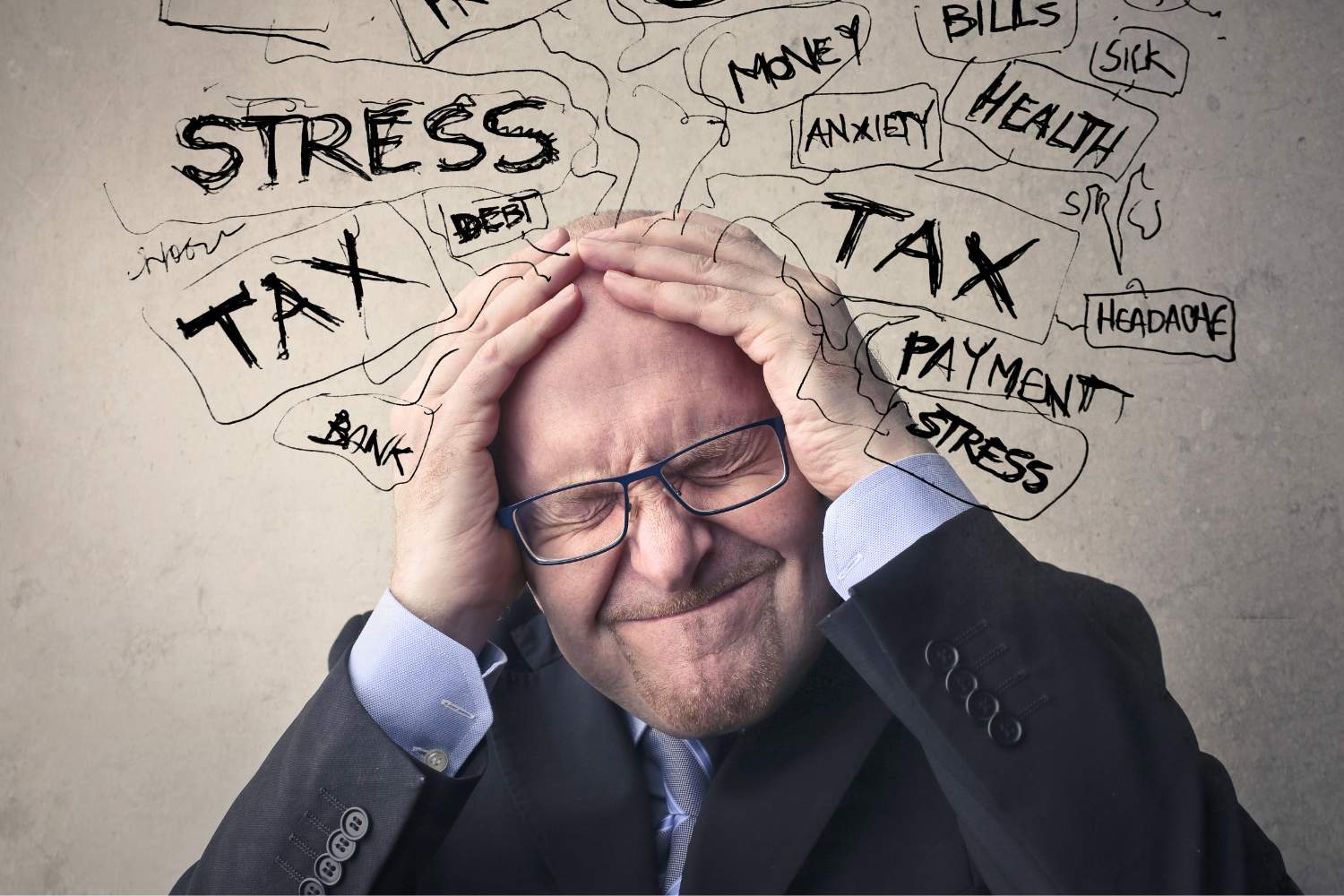
Stress is an inseparable element of modern life, often referred to as the “disease of civilization of the 21st century”. It accompanies us at work, at home, in everyday challenges. For men, however, stress often takes the form of a silent, invisible enemy. Cultural patterns and social pressures require men to be strong, self-controlled, and self-sufficient. They are expected to be an armor for their families, a pillar in their work, and a model of stability. This archetype of force, however, creates a dangerous paradox. In a world full of constant stress stimuli, men often suppress their emotions, afraid to show “weakness”. As a result, while on the outside they present the armor of composure, on the inside stress affects their quality of life, “eating them from the inside”.
Spis treści
Male Stress – Silent Enemy in Armor of Strength
A fundamental conflict is played out between the modern, pressured environment and the traditional, stoic model of masculinity. It’s a cultural-biological clash in which the tools men are socially taught to use—suppression, silence, self-reliance—are the exact opposite of what is needed to manage the physiological reality of chronic stress. This internal struggle leads to a dangerous loop: unexpressed stress finds an outlet in unhealthy behaviors such as aggression or withdrawal, which in turn leads to further isolation and exacerbation of the problem.
Understanding Stress: What Is It and How Does It Work on the Male Body?
To effectively fight stress, you first need to understand its nature. Stress is not only a feeling of tension or nervousness; It is a complex biochemical reaction of the whole body to situations perceived as a challenge, threat or pressure.
The Fight or Flight Response: An Evolutionary Legacy in the Modern World
When faced with a threat, the male body activates a primary, evolutionary mechanism known as the “fight or flight” response. This automatic response is designed to mobilize forces to confront danger or flee in a flash. The adrenal glands play a key role here, as they release powerful doses of hormones into the bloodstream:
- Adrenaline and Norepinephrine: They work instantaneously to raise your heart rate and blood pressure, speed up your breathing, and increase your blood sugar levels, which provides your muscles with the energy they need to act rapidly.
- Cortisol: Cortisol levels increase in response to stress, which has a negative impact on health. Called the “stress hormone”, it is released a little later and its task is to keep the body on alert, ensuring a constant supply of energy in case the threat does not pass.
The problem is that while for our ancestors an encounter with a predator was a stressor – a short and intense situation – the modern man faces chronic, psychological stress. A traffic jam, a tight deadline at work, a conflict in a relationship or financial worries cause exactly the same hormonal cascade as a real threat to life. The body is constantly preparing for a fight that never comes.
Stress Phases: From Alarm to Exhaustion
The response to long-term stress occurs in three characteristic phases, described in the General Adaptation Syndrome (GAS) model:
- Alarm response phase: This is the first shock, the moment when the body recognizes the stressor and activates the “fight or flight” response. All resources are mobilized to action.
- Resistance (adaptation) phase: If the stressor does not go away, the body enters an adaptation phase, which can lead to an increase in stress levels. He tries to get used to the new, demanding situation and function despite the increased tension. Cortisol levels remain high and the body is on constant alert.
- Exhaustion phase: Long-term persistence in the immunity phase leads to the depletion of the body’s energy resources. It is at this stage that serious health problems arise as the body loses its ability to fight stress and becomes susceptible to disease.
A critical point in stress management nowadays is the inability to enter the recovery phase. The constant influx of stressors makes the male body permanently trapped in the immunity phase. The nervous and endocrine systems work at full speed without interruption, which inevitably leads to a failure – the exhaustion phase. It is this mechanism that underlies burnout and many stress-related diseases. Understanding this process is crucial to understanding why the strategy of “waiting it out” or “being tough” is biologically doomed to failure.
The male face of stress: why do men experience it differently?

Although stress is a universal experience, the way it is experienced and manifested is strongly gender-differentiated. Not only do men respond differently to stress on a biological level, but they are also subjected to unique social pressures that shape their responses.
Social Pressure and “Toxic Masculinity”: The Shackles of a Cultural Pattern
The culture in which men grow up often imposes a rigid set of norms and expectations, referred to as “toxic masculinity.” It is a set of harmful beliefs that promote traits such as suppression of emotions (except anger), stoicism, dominance, self-sufficiency, and physical strength, which affects stress levels. This cultural scenario has a direct impact on how men cope with stress:
- Suppression of emotions: Admitting to fear, sadness or helplessness is seen as a sign of weakness, something “unmanly”. Men learn to hide their true feelings, which prevents them from processing stress in a healthy way.
- Avoiding seeking help: Asking for support goes against the ideal of self-sufficiency, but it can help reduce stress. A man “should” fend for himself, which is why he is less likely than women to seek help from friends, family or specialists.
- Unhealthy coping mechanisms: Suppressed stress must find an outlet. In men, this often manifests itself through withdrawal from social contacts, aggression, risky behavior (e.g. reckless driving, dangerous sex) or escaping into stimulants such as alcohol or drugs.
Biological and Psychological Determinants
Differences in the male response to stress are also biological. In response to a stressor, a woman’s body produces more oxytocin – a hormone responsible for creating social bonds and encouraging people to seek support (the “tend and befriend” response). In men, the production of this hormone is lower, which biologically reinforces the tendency to the “fight or flight” response, i.e. confrontation or isolation.
What’s more, chronic stress wreaks havoc on the male endocrine system. It can disrupt the functioning of the hypothalamic-pituitary-gonadal axis, leading to decreased testosterone levels, decreased libido and fertility problems, including impaired spermatogenesis.
The most dangerous aspect of male stress, however, is the phenomenon of misattribution of symptoms. In a culture that accepts male anger and condemns sadness, symptoms of depression or chronic stress are often misinterpreted. When a man experiences emotional dysregulation, he is more likely to manifest it as irritability, anger, or aggression, which can negatively affect his sex life. Society, and often the man himself, does not perceive these behaviors as symptoms of a deeper mental problem, but as character traits, which can affect the level of stress. This leads to a tragic diagnostic error. A man doesn’t think: “there’s something wrong with me, maybe it’s depression”, but “I’m just a nervous guy”. As a result, the true cause of suffering remains untreated, and its symptoms damage a man’s relationships and health, fueling a vicious cycle of stress and isolation.
Decoding Signals: How to Recognize the Symptoms of Chronic Stress in a Man?
Chronic stress sends numerous warning signals that manifest themselves on the physical, mental and behavioral levels. The problem is that they are often subtle and easy to ignore, attributing them to fatigue, overwork or a “bad day”. The key to early intervention is the ability to recognize and connect these seemingly unrelated symptoms.
Physical symptoms: When the body says “enough”
The body is the first battleground against stress. Long-term tension leads to a number of somatic ailments that can affect virtually any system in the body.
- General and musculoskeletal: Chronic fatigue, feeling exhausted even after a good night’s sleep, tension headaches and migraines, persistent muscle pain, especially in the neck, shoulders and back, as well as teeth grinding at night (bruxism).
- Cardiovascular and respiratory: Rapid heartbeat, palpitations, chest tightness, shortness of breath and shortness of breath.
- Digestive: All kinds of digestive problems, such as abdominal pain, heartburn, bloating, nausea, as well as alternating diarrhea and constipation.
- Sexual Health: A marked decrease in libido, potency problems and erectile dysfunction, which are often one of the first and most worrying symptoms for men .
- Other physical symptoms: Weakened immunity and more frequent infections, skin problems (e.g. acne, rashes, exacerbation of psoriasis), excessive sweating, hair loss, dizziness and a feeling of lightheadedness.
Mental and Emotional Symptoms: Inner Storm
Stress hits the psyche, disturbing emotional balance and cognitive functions.
- Emotional dysregulation: Increased irritability, irritation, impatience, as well as outbursts of anger and anger inadequate to the situation.
- Mood disorders: Constant feelings of anxiety, fear and inner tension, apathy, low mood, depression and pessimism, as well as anhedonia, i.e. the loss of the ability to feel pleasure from things that used to be enjoyable.
- Cognitive Disorders: Clear problems with concentration and maintaining attention, racing thoughts, a sense of chaos in the head, problems with memory, forgetting about appointments or tasks, and difficulties in making even simple decisions.
Behavioral Symptoms: Changes in Behavior
The way a man behaves is often a mirror of his inner state.
- Social relations: Gradual withdrawal from contact with friends and family, avoidance of social gatherings and progressive isolation.
- Coping mechanisms: Increased alcohol consumption, more frequent smoking or reaching for other stimulants to “relieve tension”. Noticeable changes in appetite – “stress eating” (especially sweets and fast food) or, on the contrary, loss of appetite.
- Activity and motivation: Loss of motivation and willingness to act, both at work and in private life, procrastination and procrastination for later and a tendency to engage in risky behaviors, such as reckless driving or dangerous sports, as a form of escape from internal tension.
Invisible signals: what do the results say?
Chronic stress leaves a mark not only on well-being, but also on laboratory test results. Paying attention to these parameters during routine inspections can be crucial for early detection of the problem.
- Inflammatory markers: Unexplained, slightly elevated levels of C-reactive protein (CRP) and an increase in white blood cell (WBC) counts can be signs of chronic inflammation in the body, driven by stress, even in the absence of infection.
- Hormonal and metabolic markers: Elevated blood cortisol levels (especially in the morning sample), elevated fasting glucose, elevated LDL cholesterol (“bad cholesterol”) and triglycerides, as well as abnormalities in TSH (thyroid-stimulating hormone, indicating thyroid function) levels can be a direct biochemical result of long-term stress.
Map of Stress Symptoms in Men
| Physical symptoms | Psycho-emotional symptoms | Behavioural symptoms |
| • Chronic fatigue and lack of energy | • Irritability, irritability, and outbursts of anger | Social isolation and avoidance of contact can increase stress levels. |
| • Sleep problems (insomnia, waking up) | • Constant feelings of anxiety and tension | • Increased alcohol or cigarette consumption |
| • Tension headaches, neck and back pain | • Depressed mood, apathy, pessimism | • Changes in appetite (“stress eating” or lack thereof) |
| • Decreased libido and erection problems | • Concentration and memory problems | • Postponing tasks (procrastination) |
| • Gastrointestinal problems (heartburn, pain) | • Racing thoughts, difficulty calming down | • Loss of motivation for activities and hobbies |
| • Palpitations, chest tightness | • Difficulty making decisions | • Risky behaviors can be the result of stress affecting potency. |
| • More frequent infections and colds | • Anhedonia (loss of the ability to feel pleasure) | • Teeth grinding (bruxism) |
Long-term effects: What is the price of chronic tension?
Ignoring warning signs and living in a state of permanent stress comes at a high price. The long-term action of stress hormones, such as cortisol, leads to systemic wasting of the body, opening the way to the development of many serious diseases.
- Heart and circulatory system diseases can be the result of stress affecting the body. This is one of the most serious consequences. Chronic stress, through the constant increase in blood pressure and the level of “bad” LDL cholesterol, is a direct risk factor for the development of hypertension, atherosclerosis, coronary artery disease, and consequently heart attack and stroke.
- Metabolic disorders: High cortisol levels promote the accumulation of adipose tissue, especially in the abdominal area (abdominal obesity), and lead to sugar metabolism disorders. This is a straight path to developing insulin resistance, prediabetes, and eventually type 2 diabetes.
- Mental Health: Chronic stress is a major trigger for many mental disorders. It can lead to the development of deep depression, anxiety disorders, neuroses and burnout syndrome. It should be emphasized that untreated depression in men is associated with a much higher risk of suicide than in women.
- The immune system can weaken when stress affects the body over a long period of time. The constant mobilization of the body weakens the immune system, making it more susceptible to all kinds of infections. What’s more, chronic inflammation caused by stress can activate or exacerbate the course of autoimmune diseases such as Hashimoto’s disease, rheumatoid arthritis or ulcerative colitis.
- Reproductive functions: The long-term effects of stress include a permanent decrease in testosterone levels, which translates into chronic libido problems, erectile dysfunction and deterioration in sperm quality, which can lead to fertility problems.
Chronic stress acts as a systemic “disease accelerator”. Not only does it cause certain diseases on its own, but above all, it creates ideal conditions in the body (chronic inflammation, hormonal and metabolic dysregulation) for the development and exacerbation of almost any other ailment. This changes the perception of stress from a psychological inconvenience to one of the greatest threats to a man’s physical health.
Prevention and Stress Management: A Practical Toolkit for Men
Understanding the mechanisms and recognizing the symptoms is the first step. The second, crucial, is to take control. Effective stress management is based on a proactive approach that combines lifestyle changes, mind training, and the use of specific relaxation techniques. It’s a toolkit that every man can and should include in his arsenal.
Foundations: Lifestyle Changes
The basis of resistance to stress is taking care of the foundations of physical health, which reduces stress.
- Physical activity: Regular physical activity is crucial for maintaining a healthy lifestyle. Regular exercise is one of the most powerful antidepressants and tools for fighting stress, as well as a key part of a healthy lifestyle. What is important is regularity, not intensity. Instead of aggressive, occasional spurts (e.g. taking it out on a punching bag), aerobic exercises, such as running, swimming, brisk walking or cycling, performed 3-4 times a week for at least 20-30 minutes, bring much better results. Such exercise lowers cortisol levels and stimulates the production of endorphins, the so-called happiness hormones. Practices such as yoga, which combines movement with breathing and relaxation, are also valuable.
- Anti-stress diet: What you eat has a direct impact on the functioning of the nervous system. The diet of a man fighting stress should be rich in:
- Magnesium: Called the “anti-stress mineral”. You will find it in nuts (especially almonds), pumpkin seeds, buckwheat and dark chocolate.
- B vitamins: Crucial for the production of mood-enhancing neurotransmitters. Their sources are wholegrain cereal products, eggs, meat and green leafy vegetables, which can improve the quality of life.
- Omega-3 fatty acids: They have anti-inflammatory properties and support the brain. It is worth eating fatty sea fish (salmon, mackerel, herring), flaxseed and walnuts. At the same time, you should avoid or limit foods that increase the stress response: simple sugars, highly processed foods, excess caffeine and alcohol.
- Sleep and recovery: Sleep is the time when the nervous system regenerates, which is important for reducing stress levels. Lack of adequate amount (7-8 hours a day) and quality of sleep drastically reduces resistance to stress. Sleep hygiene is key: avoiding screens (phone, TV) at least an hour before bedtime, keeping the temperature in the bedroom cool, eating a light dinner and going to bed at regular times.
Mind Training: Building Mental Resilience
Mental toughness is not an innate talent, but a skill that can be trained.
- Assertiveness: This is a basic skill that protects against stress resulting from overload. Assertiveness is the ability to clearly and calmly communicate your needs, opinions and boundaries, which can affect your quality of life. It is not aggression, but firm care of one’s own resources – time and energy.
- Social support: The male tendency to isolate must be actively combated. Regularly spending time with trusted friends, talking to your partner or family about your problems and feelings is an extremely effective buffer against stress.
- Positive thinking and a change in perspective can significantly affect stress levels. It is not about ignoring problems, but about consciously managing your internal dialogue. Simple techniques such as keeping a gratitude journal (writing down three things you are grateful for every day) or actively challenging catastrophic thoughts can be helpful (“Are you sure this is the worst-case scenario? What other options are there?”). Seeing difficulties as challenges from which you can learn builds a sense of agency.
Advanced Relaxation Techniques Step by Step
These are specific exercises that allow you to quickly reduce tension levels and regain control.
- Breathing exercises: The simplest tool available at any time.
- Diaphragmatic breathing: Sit or lie down comfortably. Place one hand on your chest and the other on your stomach. Take a slow breath in through your nose, trying to make sure that only the hand on your stomach rises and the hand on your chest remains still. Exhale through your mouth for a long, calm exhale. Repeat 5-10 times.
- 4-7-8 technique: Inhale through your nose, counting to 4 to lower your stress levels. Hold your breath for a count of 7. Exhale slowly through your mouth for a count of 8. Repeat 3-4 times.
- Jacobson’s Progressive Muscle Relaxation is a technique that can help reduce stress. The technique consists of alternately tensing (for about 5 seconds) and relaxing (for about 10-15 seconds) individual muscle groups, which teaches you to consciously feel the difference between tension and relaxation, and thus affects mental and physical health. Start with your feet, progressing through your calves, thighs, buttocks, abdomen, back, arms, hands, neck, and facial muscles.
- Schultz’s Autogenic Training: The method is based on autosuggestion. In a quiet, comfortable position, mentally repeat formulas that evoke a feeling of heaviness and warmth in different parts of your body, e.g., “My right arm is heavy” and then “My right arm is warm.” Focusing on these sensations leads to deep relaxation.
- Visualization and Mindfulness:
- Visualization of the “safe place”: Close your eyes and imagine a place where you feel completely safe and comfortable – it can be a beach, a forest, a mountain clearing. Try to engage all your senses: what do you see, hear, feel on your skin, what smells reach you?
- Mindfulness: It is the practice of focusing on the “here and now”, without judging. This can be mindful eating (focusing on the taste, smell, texture of each bite) or mindful walking (focusing on the sensation of your footsteps and the sights and sounds around you).
Relaxation Techniques in a Nutshell
| Technique | A brief description of the impact of stress on health. | When to use it? (Best Application) | Estimated time |
| Breathing exercises | Conscious control of inhalation and exhalation to activate the parasympathetic system is a form of meditation that aids in stress reduction. | Quick help in a sudden stress attack (e.g. before an important meeting, in a traffic jam). | 1-5 minutes |
| Jacobson’s relaxation | Sequential contraction and relaxation of muscle groups. | Deep physical relaxation, reduction of muscle tension, ideal before bedtime. | 15-20 minutes |
| Schultz’s Autogenic Training | Inducing a state of relaxation through autosuggestion of sensations of heaviness and warmth. | Calming the mind, reducing anxiety and intrusive thoughts, preparing for sleep. | 10-15 minutes |
| Visualization / Mindfulness | Creating calm images in the mind or focusing on the present moment. | Escape from racing thoughts, improve mood, reduce worry. | 5-10 minutes |
When to seek help? Breaking Down Barriers and the Path to Support
Self-use of preventive techniques is extremely important, but there are situations in which home remedies are no longer enough. The key is then to break down internal and cultural barriers and reach out for professional help.
Alarm Signals: When Home Remedies Are Not Enough?
You should seriously consider consulting a professional when:
- Symptoms of stress (physical, mental, behavioural) are intense, long-lasting and significantly hinder daily functioning at work, at home and in relationships.
- Unhealthy ways of coping, such as stress related to sex life. Alcohol or other substance abuse becomes a regular habit.
- Anhedonia occurs – a complete loss of interest and pleasure in things that used to be enjoyed can be the result of stress affecting mental health.
- Feelings of hopelessness, helplessness and lack of prospects dominate.
- Thoughts of hurting yourself or suicidal thoughts appear. This is an absolute signal to seek immediate help in the face of stress affecting health.
Breaking the Stigma: Why Asking for Help Is a Sign of Strength
Many men refuse to visit a specialist because it is culturally imprinted in them that it is “unmanly” and indicates weakness. This narrative needs to be radically changed. In today’s world full of pressures and challenges, the decision to seek professional support is an act of courage, responsibility and real strength. It is a proactive taking control of one’s own health and life, not passively surrendering to problems. This is a strategy, not a failure.
Where and Who to Look for Support?
It is important to know who to turn to:
- Psychologist: He has a degree in psychology. They can carry out a diagnosis, provide psychological support and counselling, as well as conduct crisis intervention. He does not provide psychotherapy and does not prescribe medication.
- Psychotherapist: It is a specialist (often a psychologist or doctor) who has completed an additional, several-year-long, comprehensive training in a specific trend of psychotherapy. It is he who leads the therapeutic process aimed at deep change.
- Psychiatrist: He is a medical doctor who specializes in diagnosing and treating mental disorders. He is the only one of the three who can prescribe medications (e.g. antidepressants).
When choosing a psychotherapist, it is worth paying attention to their qualifications (graduated from an accredited school of psychotherapy, work under supervision), but the key is the so-called “chemistry” – a sense of trust and comfort in the relationship, which is important for a healthy lifestyle. In the treatment of stress and its consequences in men, the following trends may be particularly effective:
- Cognitive Behavioral Therapy (CBT): It is short-term, structured and goal-focused. It helps identify and change the negative patterns of thinking and behavior that drive stress.
- Solution-Focused Short-Term Therapy (BSFT): A practical approach that, instead of analyzing the causes of the problem in the past, focuses on building solutions and strengthening the patient’s resources “here and now”.
Resources Available: Important Numbers and Helplines
Remember that you are not alone, and support can help reduce stress. There are places where you can get immediate, anonymous help:
- Men’s Helpline: 608 271 402 – a line created especially for men’s problems.
- Crisis Helpline: 116 123 – for adults in emotional crisis, open around the clock.
- In a life-threatening situation, call the emergency number 112.
Take Control of Stress and Regain Balance
Stress is the body’s natural response to challenges, but its chronic form is a serious medical threat that silently destroys physical and mental health. Men, due to their unique mix of biological conditions and enormous social pressure, experience it in a specific way, often hiding their suffering behind a mask of strength and anger.
The key to winning is awareness, proactivity and courage. Consciousness to recognize the signals that the body and mind are sending. Proactivity to implement effective coping strategies – from changing your diet and regular exercise, through assertiveness training, to relaxation techniques. And finally, the courage to break the stigma and reach out for professional help when necessary. Taking control of stress is not a sign of weakness, but the highest expression of male strength – the strength that lies in wise self-management and taking care of one’s life.