
What men’s shoes are essential for a stylish wardrobe? If you want to intentionally build your own look and guarantee everyday comfort, focus on having a versatile collection of men’s shoes for every occasion. Discover the key models that will give you flexibility, sophistication, and readiness for any situation.
Table of Contents
- Why Invest in Various Men’s Shoes?
- Sneakers: Everyday Essentials
- Elegant Oxfords: For Refined Style
- Practical Loafers: The Key to Comfort
- Chelsea Boots: Year-Round Versatility
- Canvas Sneakers: The Casual Must-Have
Why Invest in Various Men’s Shoes?
Investing in different types of men’s shoes isn’t a fashion whim – it’s a smart strategy for creating your personal image and daily comfort. A single pair of “universal” shoes rarely works for every situation – what’s fit for the office won’t suit a fancy dinner, and weekend getaways have their own needs. Each shoe, from classic dress shoes or Oxfords to casual sneakers, sturdy boots for cold months, and elegant styles for special occasions, is designed for a purpose. Curating a shoe selection means you’ll always look polished and appropriately dressed—jeans and a t-shirt can be elevated with sharp loafers or premium minimalist sneakers, just as a suit always looks best with well-polished Oxfords compared to sporty shoes. Plus, having a variety lets you build a conscious wardrobe—change your shoes, and your outfit changes character: more formal, more relaxed, or more modern, without buying endless new clothes. Shoes are crucial for strong first impressions: well-kept leather shoes signal you care for details and are organized, traits subconsciously linked to professionalism. In your personal life, your shoes express your personality—minimalists go for understated styles, retro fans for throwback models, and sporty men choose athletic-inspired options. Function matters too: thicker soles and higher uppers fare better in rain and snow, lightweight leather loafers keep your feet cool in summer. Rotating several pairs reduces foot strain, lessens sweating, and helps prevent blisters—plus, shoes last longer when they get a chance to “rest.” Owning a thoughtful collection of five timeless types of men’s shoes is an investment that pays off: it powers a capsule wardrobe where everything matches, decreases impulsive buying, and makes choosing what to wear easier and less stressful. You’ll always have the right shoes for nearly any occasion.
Another key benefit of a varied men’s shoe collection is smoothly navigating dress codes—both formal and informal—without sacrificing comfort. Business settings call for clear footwear rules, but having versatile pairs means you can effortlessly adapt: Oxfords or Derbys for key meetings, loafers for elevated smart casual, and polished sneakers for creative workplaces. Different constructions suit different feet and activities: sports shoes offer advanced support and shock absorption, while classic leather shoes or chunky boots have their own strengths. Climate matters—leather shoes without insulation aren’t enough for winter, and heavy boots are exhausting in summer. Variety delivers not just aesthetics but practicality, thermal comfort, and safety. This approach supports more conscious buying: instead of buying cheap, disposable shoes each season, invest in five high-quality classics that, with proper care, will last years. That means less fashion waste and higher satisfaction—you build a solid foundation instead of a mismatched jumble. Variety also brings freedom to experiment: even if work requires a suit and formal shoes, after hours you can switch to bold minimalist sneakers or go sockless in loafers, instantly shifting from “work mode” to “leisure.” The ability to change your style by simply changing your shoes improves your image and mood, underlining the different roles you play—professional, partner, parent, friend, or city enthusiast.
Sneakers: Everyday Essentials
Sneakers are the backbone of a modern men’s wardrobe—combining sports-level comfort with city-ready style. A good pair can replace other shoes in many situations: from casual weekends to office “casual Fridays” and evenings out with friends. The secret is choosing the right model and quality. Classic white sneakers—leather or premium faux leather—are the most versatile. They look fresh, nod to minimalism, and pair perfectly with jeans, chinos, or joggers. Their appeal lies in adding lightness to outfits while staying visually clean enough for smart-casual settings. For an even more laidback vibe, look for mesh or textile models in the warmer seasons for breathability. Low-top styles elongate the leg and work best for most settings, while high-tops bring streetwear flair and pair well with slim jeans or jogger pants. Outsoles matter too—chunky soles add height and make a statement, while sleek soles are more elegant, pairing seamlessly with shirts or light blazers.
Don’t just choose sneakers by looks—wearability and durability count, too. The best men’s sneakers have cushioned, springy soles—EVA foam, gel, or air pockets reduce joint stress on hard city streets. Inside, look for breathable, moisture-wicking linings; removable insoles mean you can maintain hygiene or swap them for orthopedic inserts. Want sneakers to last seasons? Go for full-grain or high-quality suede; these mold to your foot, age well, and are easier to refresh than synthetics. Stick to easy-to-style colors: white, grey, navy, black, or dark green fit most outfits. Feel bold? Try color pops or textures—but keep the rest of your look neutral to avoid chaos. Adapt style to the occasion: minimalist monochrome leather sneakers without big logos pass in relaxed offices and for semi-formal events, while sportier, logo-heavy styles are best for the gym or purely casual outings. Often overlooked: sneaker care. Regular cleaning, waterproofing, and swapping laces extend lifespan and keep your shoes polished—even heavily used pairs. Done right, sneakers become far more than an “everyday shoe”—they’re a functional, stylish, comfort-driven wardrobe anchor.
Elegant Oxfords: For Refined Style
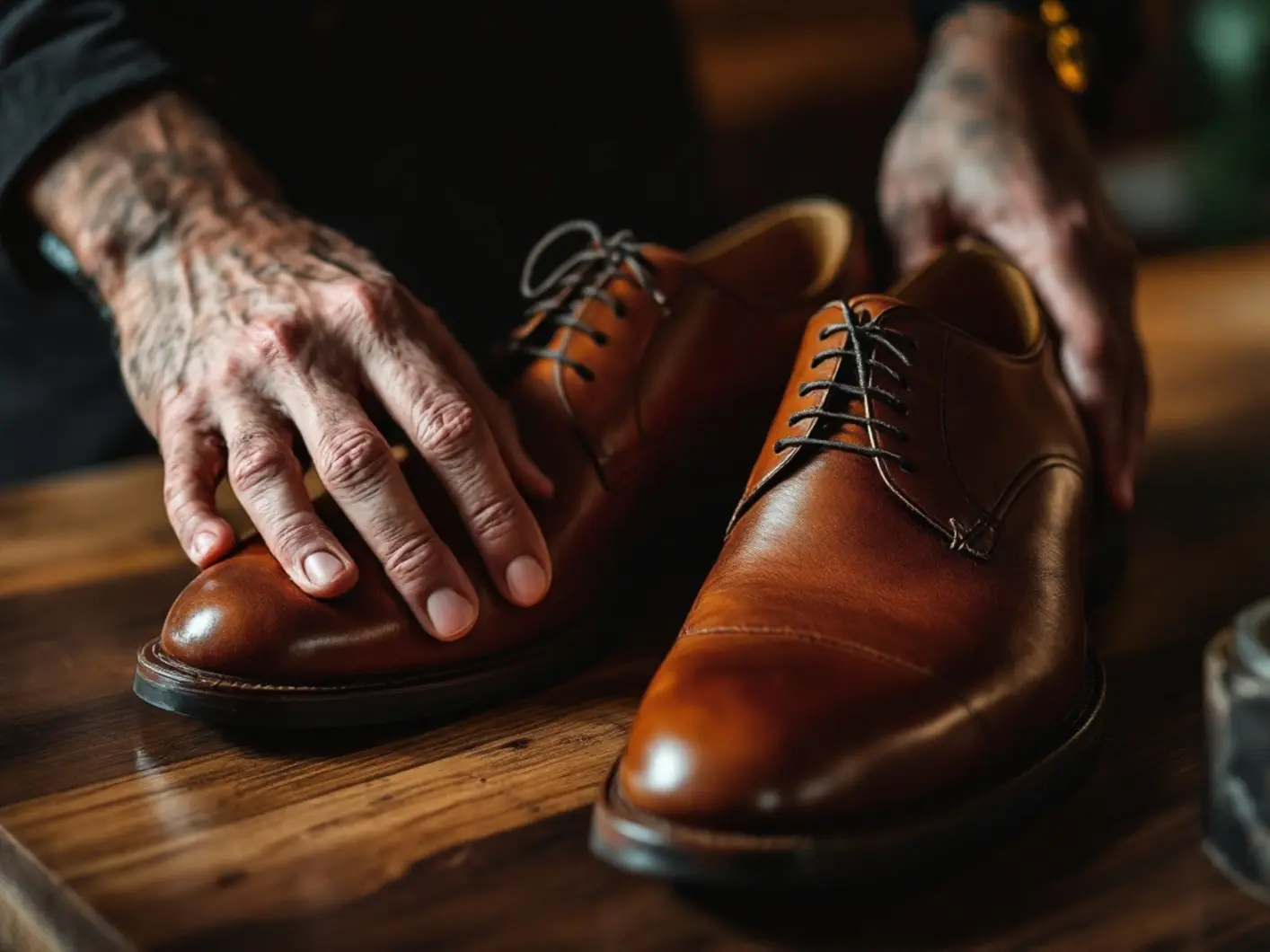
Elegant Oxfords are the cornerstone of any classic men’s wardrobe—essential for crafting a truly sophisticated, cohesive look. The most formal lace-up style, Oxfords are known for their “closed lacing” where the front of the shoe covers the quarters. This detail creates a sleek, minimalist silhouette—ideal with a suit, and even tuxedos (in patent leather). A single well-chosen pair covers most formal situations: weddings, job interviews, business meetings, awards events, and black-tie evenings. Oxfords don’t compete with your suit—they complement and visually elongate your profile. The key is color: black cap-toe Oxfords are the default for formalwear, but if your work wardrobe leans navy or grey, dark brown Oxfords are a perfect match for daily business attire while staying elegant. Fewer decorations mean more formality: plain leather is dressier than perforated models. Wholecut Oxfords, made from a single piece of leather, are the height of minimalism but require superb craftsmanship—look for them from reputable makers.
Details make all the difference: opt for full-grain leather—a smooth, even finish that develops a beautiful patina over time. Avoid stiff, plasticky shoes; comfort and flexibility are a must. Construction is important: Goodyear welt or Blake-stitched Oxfords last longer, are easier to repair, and mold perfectly to your foot. Soles matter—thin leather soles in natural or dark brown are most elegant, but a discreet thin rubber insert is practical for wet sidewalks. Fit is crucial—too loose and they’ll crease, too tight and you’ll get discomfort and deformities. Take time with fitting: ensure proper insole length, toe box width, and that the vamp crease matches your foot’s natural bend. Well-cared-for Oxfords are a long-term investment: use cedar or beechwood shoe trees, regularly wipe, and polish them (a mirror shine on toe and heel boosts formality). Team Oxfords with a classic dark suit for a flawless look, or dress them down with chinos and a blazer in sharper business offices for a balance between elegance and daily comfort.
Practical Loafers: The Key to Comfort
Loafers are the essence of relaxed sophistication—a men’s shoe that fuses slipper-like comfort with office- and city-ready style. The secret lies in their construction—lightweight, often unlined leather, no laces, and a snug fit. Loafers excel wherever you want easygoing elegance: in less formal offices, client meetings in smart casual, city breaks, and as a summer alternative to sandals. A well-chosen pair replaces heavier dress shoes and even some sneakers, bringing a more refined yet still easy look. Smooth leather loafers in brown, navy, or burgundy pair with chinos, jeans, and even some casual summer suits in linen or cotton. Suede models in tan, sand, or light brown are perfect for warm-weather looks with lighter trousers and rolled sleeves. Pick the right type: penny loafers are the most versatile; tassel loafers channel Italian nonchalance for suits without ties or summer blazers; driving moccasins, with their trademark pebble sole, are best for very casual situations and driving. Loafers are quick to slip on, saving time—just make sure they fit snugly at first, as leather naturally gives a little.
For comfort, pay attention to the insole quality and sole flexibility—a thin yet cushioned rubber or leather-rubber blend ensures comfort for long city strolls. For breathability, look for perforated uppers or leather linings, preventing overheating in hotter weather.
Loafers offer broad styling freedom, especially within today’s everyday balance between formal and relaxed. For smart casual, pair loafers with chinos and an Oxford shirt; layer a v-neck sweater or unstructured blazer when it’s chilly. In less rigid workplaces, combine penny loafers with a sockless suit, choosing modern, slightly cropped trousers that show off the shoes and lighten your silhouette. Suede loafers with dark jeans and a checked shirt create a polished but low-key date-night or evening look. Spring and summer bring the sock dilemma—thin, tonal socks for formal outfits; “no-show” invisible socks for a bare-ankle effect in casual looks (but avoid thick, sporty socks that break the shoe line). Loafers need proper care—leather needs regular cleaning and cream, suede requires special brushes and sprays. For bad stains, trust a professional cleaner. Use raw wood shoe trees to maintain shape and absorb moisture. Always rotate your pairs—don’t wear them two days in a row for durability. With their simplicity, versatility, comfort, and broad styling options, loafers are one of the most functional men’s shoes you can own—ideal for daily use, relaxed office wear, or weekends on the move.
Chelsea Boots: Year-Round Versatility
Chelsea boots are among the most versatile men’s shoes—combining elegance, comfort, and all-season functionality. Their hallmark: an above-the-ankle upper and elastic side panels for easy on/off and a secure fit. Born in equestrian circles, Chelseas are at home in the city, office, or even out in the evening—a great substitute for heavy lace-up boots or traditional dress shoes. In spring, thin leather or suede Chelseas feel lighter than heavy boots but shield more than low sneakers. Summer calls for lighter colors like tan or beige suede, with linen pants or dark tailored shorts if the dress code allows. In fall, weather-resistant leather, sturdy soles, and protective construction handle rain and cold—without sacrificing polish. For winter, choose thicker leathers, additional lining, and chunkier, treaded soles for grip. Formal leather looks are suited for the office and cold months; suede brings lightness and excels in smart casual, but needs frequent brushing and protection. Toe shape matters: slim toes dress up with suits and coats; rounder, chunkier toes lean casual for jeans and leather jackets. Stick to black for formality or dark brown for maximum versatility—coordinate with navy, grey, green, or denim. Bold style? Try cognac, taupe, or burgundy Chelseas as a statement. Make sure side elastics are snug but not restrictive; rear pull tabs make entry easy. Soles should provide grip—rubber for fall and winter, thin leather for dry or more formal outings, or try hybrids. Chelseas fit all dress levels—from smart casual with chinos and turtlenecks to classic suits in wool or flannel. Black, smooth Chelseas can even replace Oxfords for suits during cold months. For casual, team with straight dark jeans, Oxford shirt, and chunky blazer. Pant length matters: trousers should brush or sit just above the boot for a sharp look—tapered trousers best showcase the line. Care for Chelseas like any leather shoe—regular cleaning and cream for smooth leather, vigorous brushing and protection for suede. Use cedar shoe trees to maintain shape and absorb moisture. With this care, Chelseas can serve you season after season, staying stylish and functional from spring through winter.
Canvas Sneakers: The Casual Must-Have
Canvas sneakers are the foundational shoe of casual men’s style—they blend ease, comfort, and a dash of youthful energy, seamlessly complementing every other classic in your collection: from sneakers and Oxfords to loafers and Chelsea boots. Lighter than modern athletic sneakers, canvas sneakers are defined by their usually slim rubber sole and simple textile or leather upper. Slip them on for city walks, weekend adventures, or casual meetups and dates. Their biggest asset: unmatched versatility. Low-profile canvas in white, black, or navy forms the base—add one bolder pair with a statement color or detail if you like. They deftly take the formality out of classic looks: navy chinos, a white tee, and a gray blazer with white canvas sneakers look fresh and modern. They’re also a subtle way to add youth—choose quality versions to project a city-cool, not “boyish,” image. Construction matters: sole thickness and flexibility, quality stitching, interior finish, and fit all affect comfort. Avoid too-flat soles with no cushioning—look for lightly shaped insoles, or swap them out. Choose your toe: slightly tapered toes sharpen your silhouette, while rounded ones skew skate-style. Build your basics with white or off-white (easy to clean), or go black/navy to hide daily wear. Only reach for wild colors or prints once you’ve covered the essentials.
Material is just as crucial. Cotton canvas and textile blends are lightweight and airy, ideal for summer, but less suited to rain or heavy use. For year-round versatility or more refined looks, consider leather or suede versions—longer-lasting, easier to clean, and better for smart casual pairings. Suede adds lightness but needs vigilant waterproofing. Check rubber quality: too soft wears out fast, too hard feels uncomfortable. Care is straightforward but necessary: brush off dirt after wear, clean rubber with a gentle sponge, and wash canvas sparingly and spot-clean when possible to avoid warping. Leather models need cream and a soft brush, and store all your sneakers with shoe trees or stuffed paper. Go for low “invisible” socks for a bare-ankle look, adding thin tonal socks for more classic styling. Well-chosen canvas sneakers ensure your daily looks never lack comfort or style; they’re the go-to when Oxfords are too formal, loafers feel too dressy, and chunky sneakers are too sporty.
Summary
Diversity is the key to mastering any wardrobe scenario. The right shoes transform an outfit—adding edge or class. Sneakers are perfect for everyday hustle, Oxfords bring elegance to special events, loafers deliver more than just fashion—they’re about comfort. Chelsea boots offer year-round wear, while canvas sneakers are reliable go-tos for laid-back days. Stocking your wardrobe with these pairs means you’re ready for any challenge.


