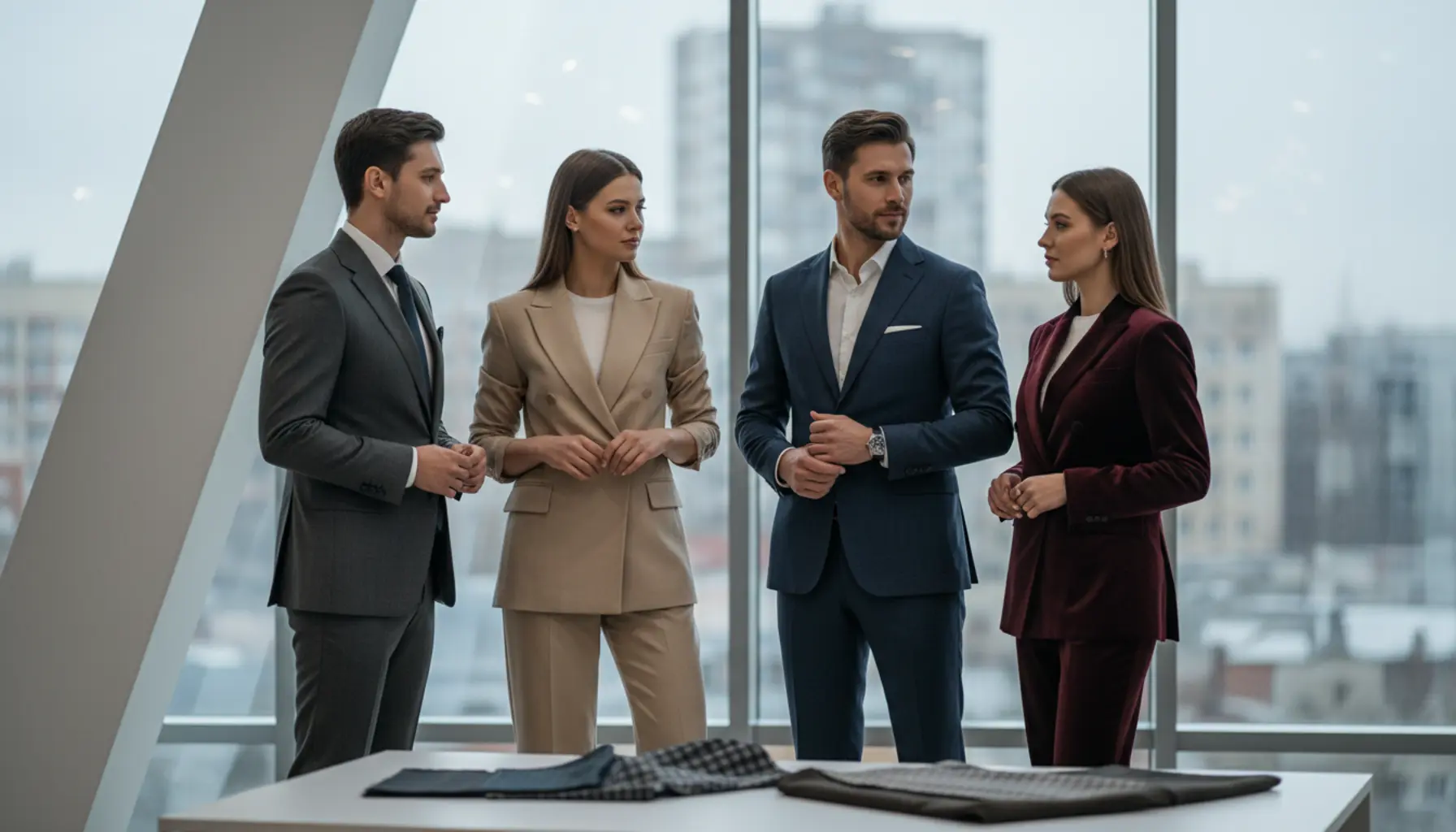
The perfect suit for the male silhouette is a combination of the right cut, high-quality fabrics, and precise fit. When choosing a suit, it is crucial to take into account your own proportions as well as the specifics of the event. Check out how to avoid the most common mistakes when selecting a stylish men’s outfit.
Table of Contents
- How to Choose a Suit for Your Body Type
- The Importance of a Well-Tailored Jacket
- The Best Fabrics for Your Body Type
- Avoid Common Mistakes When Choosing a Suit
- Style Tips for Every Occasion
- Why Fit Is Key
How to Choose a Suit for Your Body Type
Selecting the right suit starts with an honest assessment of your body proportions, not just the size label. First, determine if your build is slim, athletic, stocky, tall and slender, or if you have a larger belly or a muscular torso. A slim silhouette will look best in slim or regular cuts, but without overly tight fits — too tight a jacket accentuates the bony shoulders and chest. Light shoulder padding and slightly narrower lapels (but not “micro”) work well here, as do slightly tapered trousers for added proportionality. For an athletic build (wide shoulders, narrow waist), it’s key that the jacket doesn’t pull across the back or chest: select tailored fit or semi-bespoke cuts with a distinctly cinched waist but more freedom around the shoulders. Opting for higher-rise trousers will “gather” the body’s midpoint, accentuate the V-shape, and prevent the belt from showing with every move. Men with a fuller figure should focus on seamless lines – the jacket should not be too tight around the belly nor too baggy in the shoulders. A regular or comfort cut, with minimal shoulder construction and gentle waist shaping, visually slims the body. Instead of an extreme slim fit, choose a model with a straighter line and medium-width lapels that balance the chest proportions. Higher-waisted trousers with a straight leg, without strong tapering, help conceal a protruding belly and balance the leg-to-torso ratio. Very tall and slim men need to skillfully “break” the vertical line – longer jackets, standard or wider lapels, and cuffed trousers visually shorten the leg. Checked patterns or discreet pinstripes (excluding the classic chalk stripe, which elongates the body further) add depth. Conversely, shorter gentlemen should avoid strong color contrasts between top and bottom – a solid, darker suit without a sharp waist break elongates the figure. A high button position (or a three-button system with only the middle button closed) with a slightly higher jacket waist makes the legs appear longer. Trousers without cuffs and with a subtle, barely visible break on the shoe reinforce this effect. In every body type, the shoulders are the reference point – their line should lie naturally, without wrinkles or “waves” in the fabric. If the shoulder seam falls too far toward the biceps, the jacket is too large; if it pulls upward and creates “mounds” near the neck, it’s too small or poorly tailored. The length matters, too – traditionally, the bottom hem of the jacket should roughly intersect the palm halfway when standing straight with arms down, and at the back, cover the buttocks. This rule can be moderately adjusted in modern cuts, but an overly short jacket on wider hips or a larger belly almost always worsens proportions. Choose color and pattern not only for the event but also for the optical effect: dark shades (navy, charcoal, deep green) slim and “order” the silhouette, while light and shiny fabrics highlight curves and imperfections. Subtle check or micro-patterns can add volume to a very slim figure, whereas a chalk stripe lengthens and slims, which helps stockier men but isn’t always ideal for shorter ones. Remember the role of proportional elements: lapel width should match the width of the shoulders and the tie – narrow lapels on a very broad chest look caricatural, as do extremely wide lapels on a petite frame. Flapped pockets add volume at the hips, so with a wider waist and thick thighs, simple jetted pockets without flaps work better. Adjust jacket sleeve length so that about 0.5–1 cm of the shirt cuff shows – a sleeve that’s too long “swallows” the hand and visually shortens the entire arm. Ultimately, comfort is the best measure: sit, raise your arms, gesture a handshake – if the material doesn’t pull, the waist button doesn’t strain, and the trousers don’t dig into the waist, then the suit moves with your body in reality, not just looking good on a hanger.
The Importance of a Well-Tailored Jacket
A well-tailored jacket is the foundation of every suit and the piece that most affects how the male figure is perceived. The line of the shoulders, lapel shape, and how the fabric falls at the chest and waist can visually slim, widen, or balance proportions. A properly fitted jacket is neither too tight nor too loose — it should create a clean, smooth line from shoulders to hips, with no puckering, creases, or bulges. In practice, this means the shoulder seam should end exactly at the arm’s natural outline, lapels should lay flat on the chest, and the back should not pull or form horizontal wrinkles. For a slim silhouette, highlighting structure is key, so the jacket may be gently shaped at the waist, with slimmer sleeves and a more fitted back; for a heavier figure, subtle shaping is more important – a slight waist taper instead of a strong cinch, and enough fabric “reserve” in the chest area. For shorter men, a well-cut jacket should visually lengthen the silhouette: medium-width lapels, a relatively high buttoning point, and length reaching about halfway down the buttocks, all help achieve a harmonious line. For tall men, the cutoff effect is important; wider lapels, a lower button, and balanced shoulder/hip proportions give a more athletic and stable look. Shoulder padding also influences the construction: light padding softens sloped shoulders, while a softer, natural shoulder with little stiffness is best for men with already broad, defined shoulders. Every detail, even the seemingly insignificant, matters – a jacket that fits the body perfectly can “subtract” a few pounds, boost confidence, and make the whole figure look upright and proportional.
The functionality of a well-tailored jacket also plays a huge role, directly impacting comfort and freedom of movement. Thoughtful construction in the shoulders and armpits allows for easy arm movement, reaching, or greeting without the fear of pulling the fabric or bursting seams. Sleeve openings should be neither too low nor too tight – if set too low, the entire jacket will rise with every movement, distorting the line and creating unsightly folds. Finishing the sleeves correctly is just as important: their length should reveal about 0.5–1 cm of shirt cuff, which not only looks elegant but also visually slims the forearm and adds lightness to the outfit. A well-tailored jacket “works” with your body – when you sit, the material shouldn’t pull at the button, and when you stand, it shouldn’t leave deep, permanent creases in the hips or belly. The internal construction matters as well: fused jackets can be stiffer and less adaptable, while half-canvas or full-canvas gradually mold with body heat, fitting better over time. High-quality linings, ideally partial or made of breathable fabrics, improve air flow and comfort—especially important for men with a larger frame or those who wear suits for long hours daily. The right cut can even correct common body flaws: with a protruding belly, a slightly elongated front panel and thoughtfully placed darts “distribute” excess volume without tightening; with narrow hips, flapped pockets add a bit of width to the lower body. Even button configuration matters – single-breasted, two-button jackets with a defined waist slim the midsection, while double-breasted jackets, especially for tall and slim men, provide a stronger, “full” chest line. Altogether, a well-tailored jacket is not just an elegant covering, but a precise image-shaping tool, where technical details of tailoring and construction translate into real effects in the mirror.
The Best Fabrics for Your Body Type
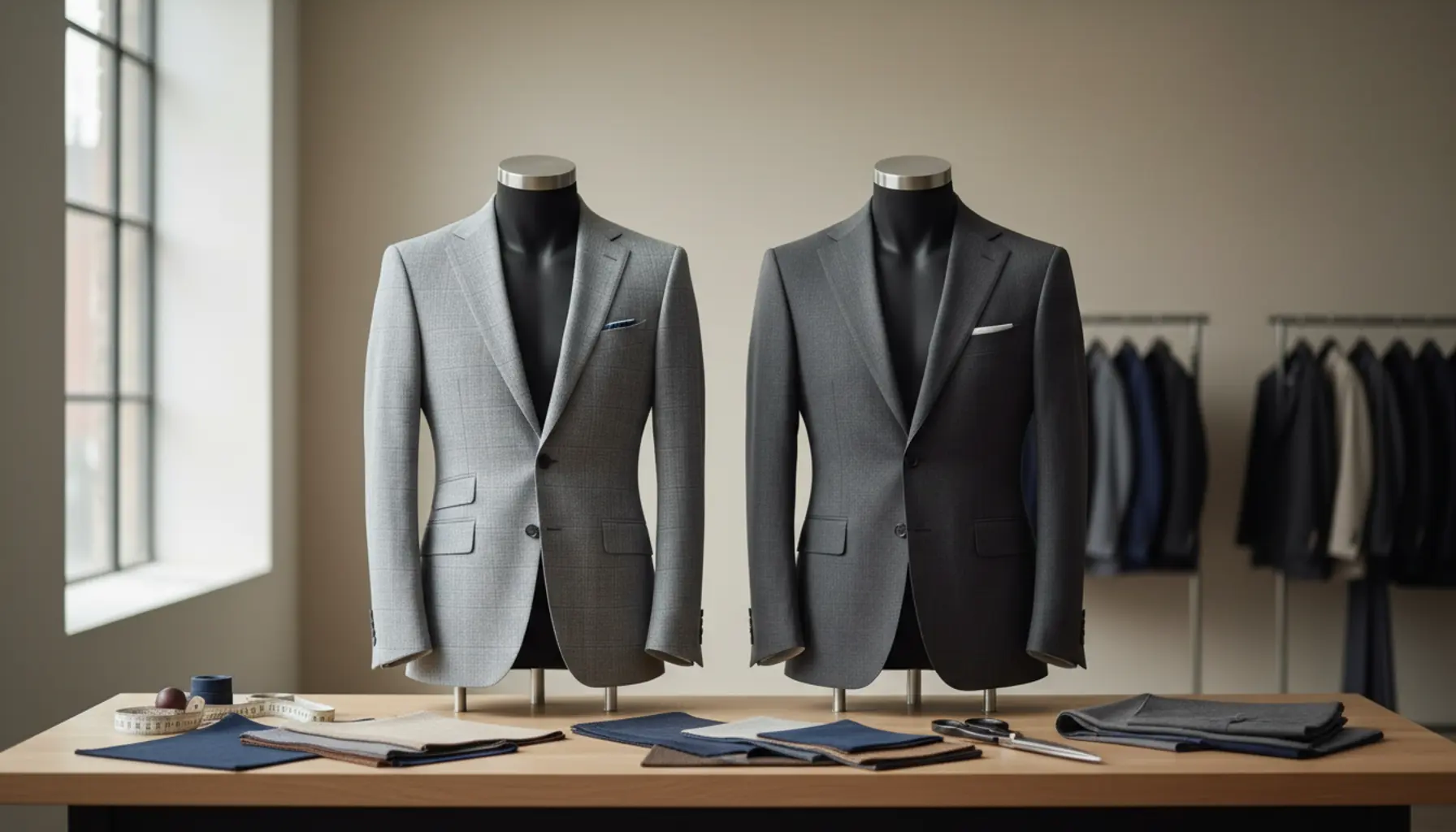
Choosing the right suit fabric can do as much as the perfect cut – it can slim, add “muscle” to the figure, disguise flaws, and improve overall proportions. The basic rule is: the more massive the figure, the lighter and smoother the fabric should be; the slimmer and smaller the build, the bolder and more textured the fabrics you can select. In practice, men with fuller figures look best in wool of medium weight (about 260–280 g/m²) with a delicate, nearly smooth surface – these fabrics drape softly, don’t add extra volume, and don’t reflect light excessively, minimizing widening. Conversely, very slim or tall men can benefit from slightly heavier wools with a pronounced weave (serge, twill, hopsack), which add “density” and make the silhouette seem more stable and proportional. The finish is key as well: very shiny fabrics (like finely finished wool or synthetics) visually enlarge, so they don’t suit those with more rounded builds; these look better on slimmer men, to whom a bit of sheen adds character without extra bulk. Matte or semi-matte finishes, on the other hand, are allies for anyone wanting to slim torso and hips – they subtly dampen the light, lending a calmer and more elegant appearance. 100% wool remains the gold standard, but consider blends: a 2–3% elastane content increases comfort, while a touch of silk or viscose improves drape without a dramatic silhouette change. Weight also matters: extremely lightweight fabrics (below 230 g/m²) are airy and great for summer, but more easily highlight bulges and can “cling” to the body, which doesn’t flatter softer figures; weights around 260–300 g/m² better mask imperfections and stabilize jacket and trouser lines, making them a universal choice for most body types. Don’t overlook the impact of micro-patterns and texture: fine herringbones, subtle chalk stripes, or delicate mélange break up solid color blocks, helping to balance torso and leg proportions – especially for tall men or those with a distinct belly.
Body type should also influence the choice of specific fabrics and weaves. Men with a slim, even frail figure should select fabrics with distinct texture: medium-weight wool flannel, gabardine, hopsack, birdseye, and heavier worsted wools – these provide “mass” and prevent the suit from hanging lifelessly. Such fabrics help the jacket keep its shape, add volume to the chest and shoulders, improving proportions for those with narrow shoulders and a flat chest. Wool blends with linen or cotton are also a great option for year-round wear – their slightly rough surface brings “life” to the silhouette, drawing attention away from thin legs or arms. Men with muscular, athletic builds (broad shoulders, narrow waist, large thighs) should avoid fabrics that are too stiff and heavy, which can create a “armor” effect. Softer worsted wools with elastane, comfortably conform to the body without hugging, while plain, mid-weight fabrics with less sheen suit pronounced muscles best. For wide shoulders, more fluid, draping fabrics that “flow” over the body are beneficial. Fuller or rounder gentlemen – especially with a larger stomach and thick thighs – should select stable, but not overly heavy wools that iron well and don’t crease easily, as deep creases over the stomach accentuate it. Here, plain or gently mélange fabrics in dark shades (navy, charcoal, deep green) with a matte finish work best. Horizontal patterns, like windowpane checks, can widen if too contrasting; it’s better to choose tone-on-tone or very subtle Prince of Wales checks that gently “break” up the silhouette without making it broader. Tall and very tall men can use discreet patterned fabrics – a modest-width stripe or a delicate mix of two yarn colors – to visually shorten the body and add depth; shorter men are better served by solid fabrics or micro-vertical patterns with low contrast, keeping a lean, continuous line from shoulders to trousers. Seasonally, lightweight wool-linen-silk blends are great for slim to average builds in summer, while flannel or heavier worsted fabrics in winter help maintain a stable, streamlined silhouette – provided fabric texture and color are picked to match your proportions, not just current trends.
Avoid Common Mistakes When Choosing a Suit
One of the most common mistakes in suit selection is relying solely on the size label and ignoring actual fit to the body. Many men pick a jacket “by eye,” based on what they’ve always worn, instead of trying different cuts. The result? Shoulders that are too wide, creating a “football pad” effect; chest circumference that causes puckering at the buttons, or conversely – a jacket so tight it strains across the back and restricts movement. Another common mistake is misjudging jacket length – too short will emphasize the heft of the thighs and buttocks, too long makes legs look shorter and “weighs down” shorter men. Avoid jackets where buttons are hard to fasten — this isn’t just about comfort, but also aesthetics: the fabric gapes awkwardly at the belly, drawing attention to any “spare tire.” The same applies to trousers – excessively long legs piling up at the shoes instantly subtract elegance, making the whole outfit look sloppy. Too short, on the other hand, undermine even the best cut, exposing half the calf when seated or too much sock when walking; ideally the leg should form a single small break at the shoe. Another pitfall is ignoring body proportions when choosing lapel and trouser widths – narrow lapels on wide shoulders accentuate the difference between shoulders and waist, while very wide lapels on petite frames can look cartoonish. For trousers, men with thicker thighs should avoid super slim fits, which highlight every flaw and disrupt the leg line, while very thin men shouldn’t choose wide, “baggy” trousers, as they’ll disappear in too much fabric.
Another frequent mistake is overlooking fabric quality and its suitability to the body and occasion. Many people go for the cheapest, stiff polyester blends, which breathe poorly, don’t “move” with the body, and quickly become shiny, visually adding pounds to a fuller frame. For heavier builds, overly light or fluid fabrics can unflatteringly highlight every rounded area; a stable matte wool of medium weight is preferable. It’s also a mistake to buy a suit “just for color,” without thinking about how shade and pattern coordinate with body type – very light greys or beiges can widen, and sharp contrasts (light jacket and dark trousers) visually divide the body in unflattering ways for shorter or broader men. Overdoing patterns is another misstep: large checks on a broad chest visually add volume, and bold stripes on a very tall, slim man further elongate the silhouette. Be careful with accessories – an excessively wide tie with narrow lapels, a loud pocket square for formal occasions, or a chunky belt with a slim body can upset the balance and distract from a well-chosen cut. Skipping basic tailoring adjustments is another widespread error; many men leave a store with sleeves a centimeter too long, or trousers needing hemming. Yet simple alterations like taking in the jacket waist, shortening sleeves, or tapering the leg below the knee can transform a suit and refresh your appearance. Selecting the right suit for the occasion is also vital – a too-casual style (e.g., a soft, unstructured jacket with patch pockets) at a formal wedding looks out of place, as would an evening, shiny suit at the office during daytime. The mistake lies in treating a suit as a one-size-fits-all solution, instead of adjusting its formality and style to the event and your body type; true elegance is always about harmony between cut, fabric, detail, and the context in which the suit is worn.
Style Tips for Every Occasion
Choosing a suit for an occasion starts by establishing the level of formality and event context, then the color, pattern, and accessories – always considering your body type. For a wedding, gala, or highly formal evening event, a dark single-breasted suit in navy or charcoal with peaked lapels works best, visually slimming and lengthening the torso. Shorter or broader men should avoid wide, open lapels and stark contrasts (e.g., very light shirt, very dark suit, bright tie), as such combinations break the silhouette into unfavorable blocks. Gentle tone transitions are better: a navy suit, light blue shirt, and tie in a deeper blue or burgundy create a smooth line and visually slim. For tall, slender men, wider lapels and more noticeable patterns (a subtle Prince of Wales check) “break” the vertical body line, making the silhouette more proportional. Athletic builds should avoid overly tight jackets in the chest, as strong tapering strains the fabric, emphasizing volume rather than highlighting good proportions. For daytime weddings and daytime family occasions, lighter shades of grey or blue are suitable, but for fuller figures stick to mid-tones – very light greys highlight the size of the torso and thighs. Accessories are also key: shorter men should choose narrower, though not ultra-thin ties that harmonize with their shoulder width, while a broader chest looks better with standard or slightly wider ties, balancing the top half. Classic shoe shapes (oxfords, derbies, wholecuts) and a matching belt complete the look – fuller figures benefit from smooth, simple footwear styles; avoid very narrow, pointed toes, which disrupt proportion in conjunction with a broad chest and shoulders.
For business meetings, conferences, and daily office life, the so-called business suit – a moderately formal, subdued suit with no excessive extravagance – works best. Navy or steel grey wool suits in a medium weight suit most body types, fitting both slim and fuller silhouettes. With narrow shoulders, aim for slightly reinforced shoulder pads for some width, while for broad shoulders, choose a natural, soft sleeve attachment to avoid a “armor” look. Patterns in business should be discreet: a Bengal stripe shirt or a subtle check on the jacket suit tall and slim types, as they add dimension where it’s lacking; for stockier or shorter frames, plain fabrics or micro-patterns that do not widen are wiser. For less formal situations – dinners with friends, dates, theater visits, or semi-casual meetings – the odd suit (coordinated separates: jacket and trousers in different colors) is a good option. You can play more with proportions here: for shorter men, trousers and jacket in similar hues (navy and dark denim, charcoal and dark grey chinos) create a column effect that elongates. Taller men can go for more contrast: a light grey jacket with navy trousers nicely “breaks up” the silhouette. In casual sets, textures matter too – flannel, tweed, or cotton with linen adds an informal touch and suits slim men well, adding visual volume with a hint of “softness.” Regardless of the occasion, remember the suit should cooperate with your silhouette: proper fit in the shoulders, correct trouser length (a single, small break at the shoe for classic, nearly no break for a more modern look), and correct jacket sleeve length (about 1–1.5 cm of shirt cuff) are the hallmarks of good style. Fuller figures benefit from dark, matte materials and subdued patterns, while tall, slender ones can opt for more pronounced fabrics, slightly looser trousers with a higher rise, and sharply creased pleats for harmony and a suit that looks like a natural extension of the body, not a costume.
Why Fit Is Key
Fit is crucial because it’s fit – not the label size or fashionable brand – that determines how a man’s figure is perceived overall. Even a suit made from the finest Super 120’s wool will look average if it’s too wide in the shoulders, too tight in the chest, or too long in the legs. The right cut acts as a subtle filter: it slims, cleans the silhouette’s line, hides flaws, and highlights assets. A well-fitted jacket gently accentuates the waist, creating the “V” shape associated with strength and fitness. A poorly fit one – dropping off the shoulders, protruding at the shoulder blades, or straining at the belly – makes even a lean man look “spilled out” or hunched. Moreover, good fit affects not only appearance, but how you feel: a suit that doesn’t restrict movement lets you stand, sit, shake hands, or reach documents without fidgeting with sleeves or jacket flaps. This ease translates to confidence, instantly sensed by others. The right suit visually organizes proportions – shortens a long torso or legs, equalizes shoulder imbalance, visually reduces chest and belly circumference, and even corrects perceived height with thoughtful jacket length and button placement. Conversely, fits that are too loose overwhelm the body, adding pounds and breaking up vertical lines; too tight a fit draws attention to every fabric crease or posture flaw, exposing rounded backs or sticking out bellies.
The main reason fit is so important is that a suit functions in motion, not on a hanger. When walking, sitting, bending, or raising arms, the fabric works with the body. The right shoulder construction, proper back width, and chest circumference prevent “smile” folds on the back and vertical creases from armpits to button. The jacket should gently “embrace” the figure, never squeeze – when you button up, the fabric stays smooth, with no “X” shape at the waistband. Likewise with trousers: they should fit the waist, hips, and thighs comfortably, not dig in when sitting, nor form baggy shapes that disrupt the leg line and shorten the perceived height. Proper trouser length – with a subtle, single break at the shoe or cropped above the ankle for a modern look – determines whether the silhouette is sleek or “chopped off.” Correct fit also guards against common errors: jacket sleeves that are too long completely cover the shirt cuff, too short show too much forearm; a collar that’s too wide separates from the neck creating an unsightly gap. Different body types feel the benefits of good fit in their own way: for the fuller build, it can take off a whole size in appearance; for the very slim, it gives a more “filled out,” masculine shoulder line. That’s why tailoring is essential — shortening sleeves, taking in the waist, adjusting trouser length, or correcting shoulder lines can turn an off-the-rack suit into one that looks made to measure. Ultimately, the way a suit fits is the first – and usually the only – basis on which others judge our taste, attention to detail, and professionalism, regardless of how much we actually spent on the ensemble.
Summary
Choosing the perfect suit doesn’t have to be difficult if you know your body type and the key styles. Focus on a well-tailored jacket and fabrics that bring out your strengths. Avoid common missteps, like picking oversized clothes. Match the suit style to the occasion, so you always look elegant and confident. A well-chosen suit is not just a sign of fashion but above all a way to highlight your personality and self-confidence.