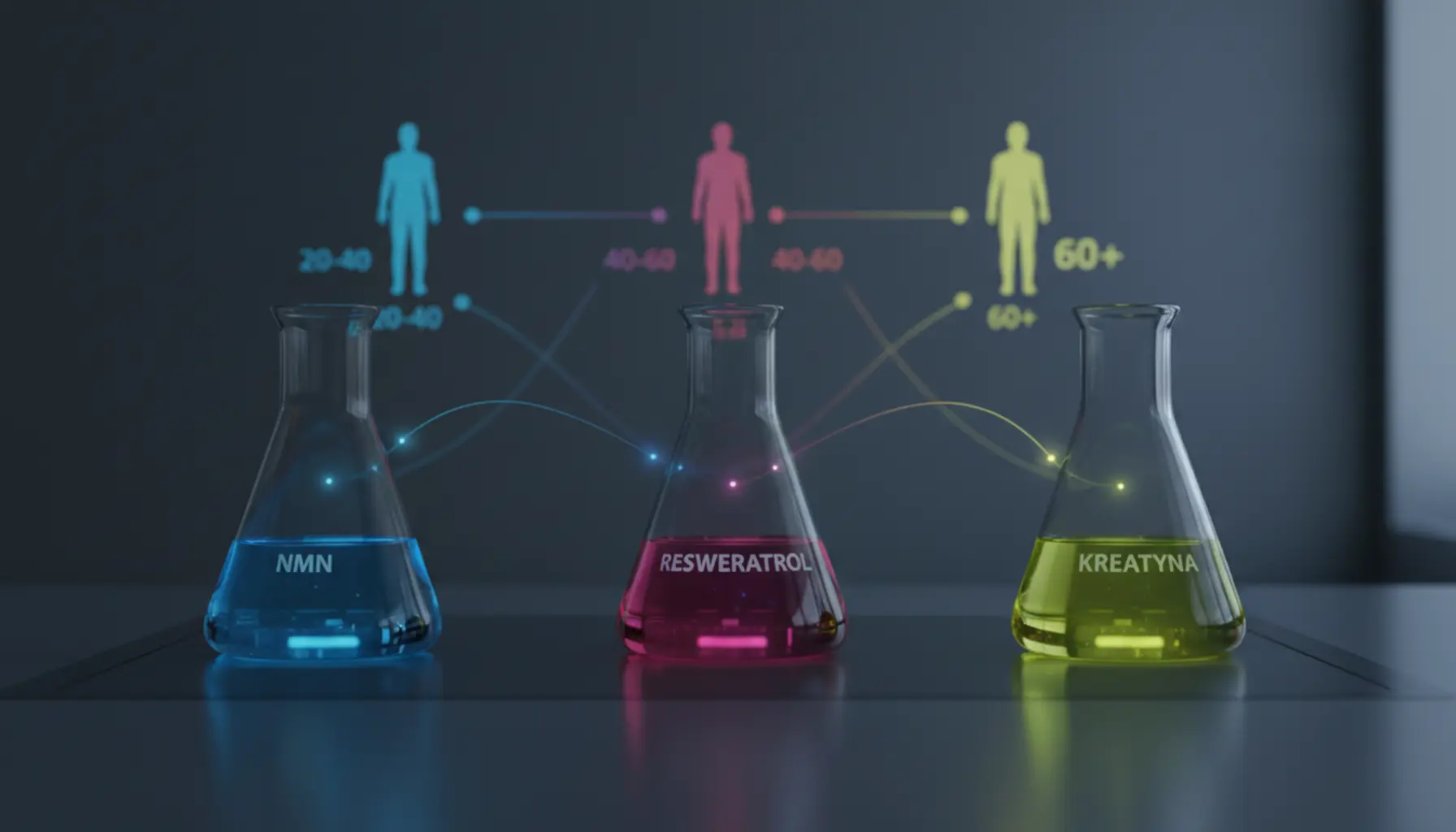
With age, levels of energy, muscle strength and stress resilience decline. Modern supplementation with NMN and creatine can support mitochondria, regeneration and healthy aging, especially for active men in their forties.
Table of contents
- What is NMN and how does it work in the body?
- Creatine – myth or an effective supplement for men over 40?
- NMN and NAD+ level – a key to longevity?
- Synergy of NMN, resveratrol and GLP-1 – facts and myths
- Safety and side effects of NMN and creatine supplementation
- How to choose an effective longevity supplement?
What is NMN and how does it work in the body?
NMN, or nicotinamide mononucleotide, is a compound naturally present in the body and a direct precursor of NAD+ – one of the key coenzymes responsible for cellular energy production, DNA repair and regulation of aging processes. Simply put, NMN is the “starting fuel” for producing NAD+, and without sufficient NAD+ levels cells lose the ability to function efficiently. With age, NAD+ levels in tissues can drop by tens of percent, which is associated with decreased mitochondrial performance, greater susceptibility to oxidative damage and slower recovery. Supplementing NMN therefore aims to raise NAD+ concentrations to levels similar to those observed in younger people, which translates into a more efficient energy metabolism, better cellular resistance to stress and potentially slower cellular aging. After oral intake, NMN is rapidly absorbed in the small intestine, then enters the bloodstream and cells where, via a series of enzymes – including NMNAT – it is converted into NAD+. Animal studies have shown that within tens of minutes after administration NAD+ concentrations in tissues can noticeably increase, particularly in the liver, muscles and brain, although the dynamics of these changes in humans may differ. Importantly, NMN is not a vitamin nor a “classic” antioxidant – it acts more like a key element of a biochemical puzzle, enabling cells to use their own defense and repair mechanisms. As NAD+ rises, important longevity-regulating proteins such as sirtuins (e.g., SIRT1, SIRT3) and enzymes responsible for DNA damage repair (PARP) become activated. It is through these pathways that NMN is viewed as an “anti-aging” supplement, although it should be remembered that very long-term clinical trials in humans proving an effect on lifespan (and not only health parameters) are still lacking. Nevertheless, many preliminary data suggest beneficial effects on glucose metabolism, lipid profile, vascular function and overall energy capacity of the body.
Practically, NMN’s action can be considered across several key areas: cellular energy, stress resistance and inflammation, brain functions and metabolism. In mitochondria – the cell’s “power plants” – NAD+ is essential for the proper operation of the electron transport chain and production of ATP, the basic energy currency of the body. Raising NAD+ levels via NMN can support physical performance and faster recovery after exercise, as evidenced by animal studies and early, small clinical trials in humans. Concurrently, higher NAD+ concentrations activate sirtuins associated with the so-called “fasting mimicry” – a state in which the body manages energy better, increases resistance to oxidative stress and reduces chronic inflammation without drastic calorie restriction. This can translate into better weight control, improved insulin sensitivity and favorable changes in lipid profile. NMN is also being studied for cognitive functions, since NAD+ participates in neurotransmitter production and neuron protection against age- and oxidative stress-related damage; in animal models improvements in memory, concentration and mitochondrial function in nerve cells have been observed. Importantly, for NMN to function optimally the body needs an appropriate enzymatic “infrastructure” and sufficient amounts of other nutrients like B vitamins (especially niacin, B2, B6), magnesium and adequate protein intake. For this reason NMN supplementation should be seen as part of a broader health strategy, not a magic cure that alone reverses aging. Current doses used in human clinical trials typically range from 250–600 mg daily, although the consumer market offers both lower and higher portions. Preliminary results indicate good tolerability and lack of serious side effects in the short and medium term, but people with chronic diseases, taking medications (especially anticoagulants, anticancer, immunosuppressive drugs) or of advanced age should consult supplementation with a physician. In the context of combining NMN with creatine it is crucial that both compounds affect cellular energetics but at different stages: NMN by increasing NAD+ and supporting mitochondrial ATP production, creatine by buffering and rapidly regenerating ATP in muscle and neural tissue. Understanding how NMN raises the cell’s “baseline” bioenergetic potential is therefore essential to assess whether the NMN + creatine duo can have a synergistic effect on anti-aging, performance improvement and brain protection against aging consequences.
Creatine – myth or an effective supplement for men over 40?
For many, creatine is still associated purely with bodybuilding and “bulking up”, but modern research shows it is a far more versatile supplement that can be particularly relevant for men over 40. After forty, muscle mass and strength naturally decline, recovery slows, fatigue is felt more often, and reductions in certain neurotransmitters can affect concentration and memory. Creatine acts primarily in the phosphocreatine system, which is responsible for quickly supplying energy (ATP) to cells, especially muscles and neurons. The more creatine stored in muscles and the brain, the better the body copes with short, intense efforts and cognitive tasks. For men over 40, creatine supplementation can help counteract sarcopenia (age-related muscle loss), support strength retention, improve body composition and indirectly affect daily energy levels and mental sharpness. Importantly, creatine is not a steroid or hormonal drug – it is a naturally occurring compound in the body (mainly in muscles) that we also obtain from the diet (especially red meat and fish). With age, some men reduce red meat intake for health reasons, lowering dietary creatine supply and leaving muscle stores lower than in youth, which makes supplementation even more justified. Contrary to concerns, when dosed correctly creatine does not “bloat” you medically – it only increases muscle cell volume by retaining water inside the muscles, which is a desirable effect related to better hydration and muscle anabolism, not edema or subcutaneous water retention. Studies show that men aged 40–50 who supplement creatine and perform resistance training gain more muscle mass and strength than those who train without creatine, translating not only to appearance but, crucially, to daily functional capacity – stability, lower fall risk, easier physical work and a slower sense of “feeling your age” in the body.
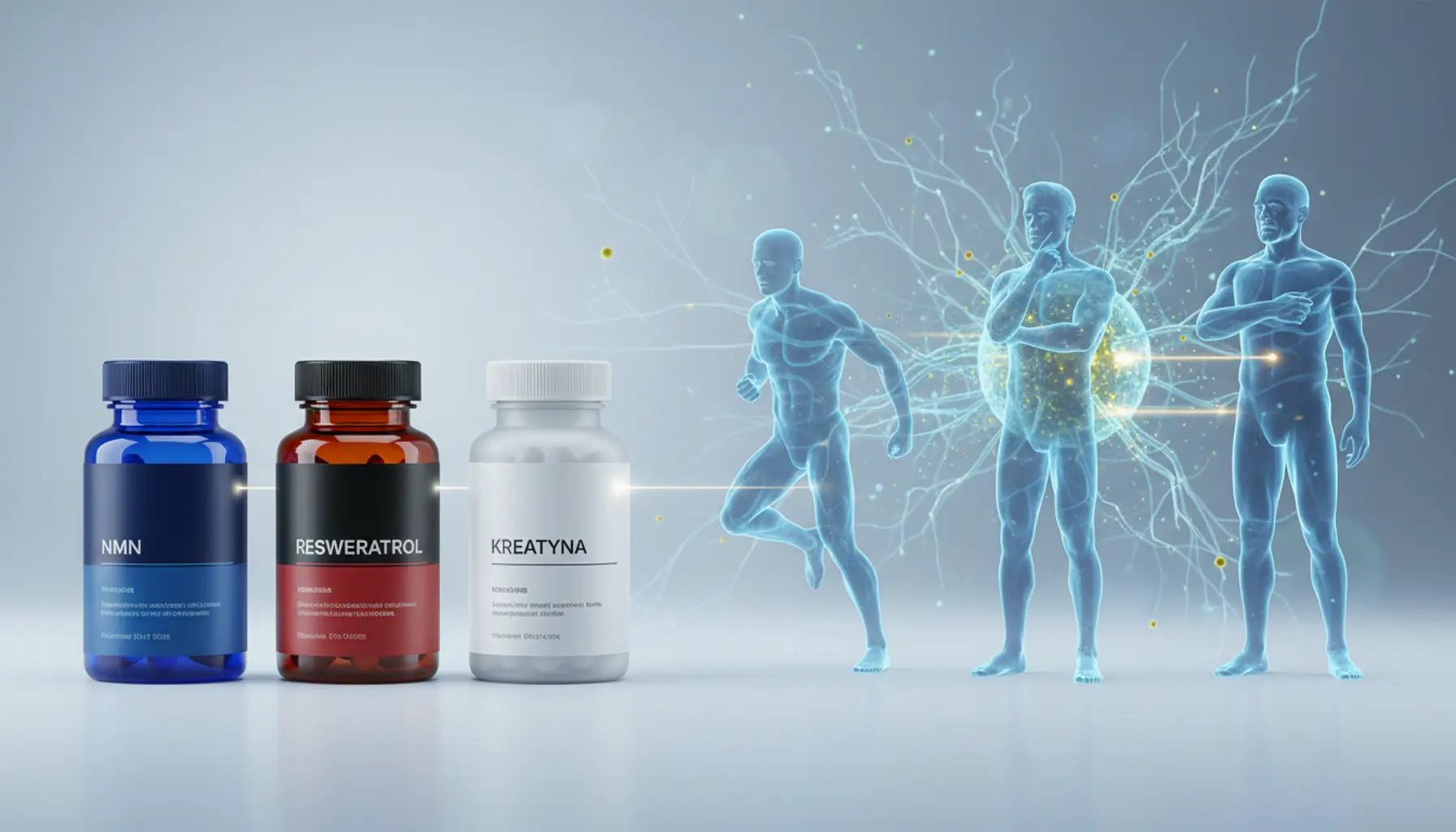
Regarding safety, the main myth is that creatine destroys the kidneys or liver. Long-term clinical analyses in healthy adults have not confirmed such effects at standard doses (3–5 g daily), although people with existing kidney disease should consult supplementation with a doctor and regularly monitor kidney parameters. Creatine may slightly raise blood creatinine, which is sometimes mistakenly interpreted as kidney function deterioration, but in healthy people this is a mechanical, not toxic, effect. Among men over 40 an important aspect is not only muscle strength but cognitive functions – concentration, processing speed, working memory. Research suggests creatine can support brain function, particularly under increased mental load, sleep deprivation or intensive intellectual work, because neurons – like muscle fibers – use the phosphocreatine system as an energy buffer. Additionally, creatine may mildly support mood and fatigue resistance, though it is not an antidepressant. Optimal doses for men over 40 typically range from 3–5 g of creatine monohydrate daily; a loading phase (20 g/day for 5–7 days) is not necessary, especially for those preferring a conservative approach. When choosing a supplement, favor simple creatine monohydrate with quality certifications and minimal additives, taken daily – whether training that day or not. In combination with NMN, creatine can act complementarily: NMN supports NAD+ production and long-term mitochondrial “conditioning”, while creatine improves immediate ATP availability in muscles and brain. For men over 40 this synergy may result in better exercise tolerance, faster recovery, greater motivation to move and a subjective feeling of “younger” capacity. Although creatine will not stop aging, it can realistically delay functional consequences of aging – strength loss, reduced fitness and lower quality of life – provided it is used alongside regular physical activity, a healthy diet and adequate sleep, not as a substitute for these lifestyle foundations.
NMN and NAD+ level – a key to longevity?
NAD+ (nicotinamide adenine dinucleotide) is one of the most important molecules in our body that most people have never heard of. It functions as a “universal energy currency” at the cellular level – without it mitochondria cannot efficiently produce ATP, the fuel for muscles, brain and all organs. NAD+ also participates in key processes of DNA repair, gene expression regulation and inflammation control. The problem is that from about the 30s–40s its level steadily declines – it is estimated that by age 60 it may be even half of what it was in youth. Many researchers link this decline to accelerated aging, greater susceptibility to chronic diseases, poorer recovery and declines in physical and mental performance. NMN is one of the most promising NAD+ precursors – meaning the body can relatively easily convert it into NAD+, bypassing several “bottlenecks” in metabolic pathways typical for other forms like niacin or nicotinamide riboside. After oral administration NMN is absorbed in the small intestine with the help of specific transporters, and then is rapidly converted to NAD+ inside cells. Animal model studies show that NMN supplementation can restore NAD+ levels in tissues to values close to those seen in young organisms, resulting in improved mitochondrial function, increased insulin sensitivity, better exercise tolerance, reduction of low-grade inflammation and slowing of many aging markers. In humans, the first clinical trials – though still relatively few and short-term – confirm that NMN supplementation at doses of 250–600 mg daily is safe and effectively raises blood NAD+ metabolites, suggesting a real impact on metabolic pathways related to longevity.
Synergy of NMN, resveratrol and GLP-1 – facts and myths
The concept of combining NMN, resveratrol and drugs or supplements that modulate GLP-1 has become one of the hottest trends in biohacking and “longevity supplements.” On one side we have NMN – an NAD+ precursor that may increase cellular availability of this coenzyme and thus support mitochondrial function, DNA repair and activity of so‑called longevity proteins (sirtuins). On the other side is resveratrol, a natural polyphenol found in grape skins and red wine, whose popularity surged after publications suggested it could activate sirtuins, improve insulin sensitivity and act anti‑inflammatorily. Added to that is GLP‑1 (glucagon‑like peptide‑1) – an intestinal hormone that regulates appetite, gastric emptying and blood glucose, whose analogs (like semaglutide or liraglutide) have become a cornerstone of modern type 2 diabetes and obesity therapies. Enthusiasts claim that combining these three elements provides simultaneous optimization of energy metabolism (NMN), suppression of inflammatory processes and sirtuin support (resveratrol) and weight and glycemic control (GLP‑1), which in theory should slow aging on several levels at once. In practice, however, most of these claims are based on mechanistic hypotheses, animal studies or very small trials, not large, long-term clinical trials in humans – especially people over 40 who most often turn to such strategies. The potential synergy mechanism includes NMN raising cellular NAD+ levels, which facilitates resveratrol’s “activation” of sirtuins, while improved glucose‑insulin handling via GLP‑1 reduces chronic inflammation and oxidative stress, creating a more favorable environment for healthy aging. At the cellular level, this could translate into better regeneration, fewer DNA lesions, more stable metabolism and slower accumulation of age-related changes in blood vessels, adipose tissue and the brain. However, this is a biologically “pretty” model, not a guarantee of real-life effect – individual differences in genes, lifestyle, diet, physical activity or sleep quality can have a much larger impact on aging rate than even a perfectly chosen supplement combination.
Among myths about NMN, resveratrol and GLP‑1 synergy is the belief that this is a “sure path” to extend life by many years. Currently there are no well-designed clinical trials that would support such far-reaching conclusions; most available data concern improvements in selected health parameters (e.g., body weight, glycemia, inflammatory markers, performance) in the short or medium term. Another myth is the complete safety of such a combination – resveratrol, as a bioactive compound, can interact with anticoagulants, some antihypertensives or statins, and high supplemental doses are not the same as the tiny amounts present in wine or berries. Modern incretin drugs from the GLP‑1 class have specific medical indications, side effects (nausea, diarrhea, decreased appetite, risk of dehydration, and more rarely serious pancreatic or biliary complications) and definitely should not be treated as a “supplement for every forty‑year‑old” who wants to lose weight quickly and look younger. NMN is considered relatively safe, but here too long‑term safety data in humans are lacking, especially with prolonged high‑dose use in combination with other metabolism‑modulating substances. Some people also expect that the NMN + resveratrol + GLP‑1 combo will allow them to “have their cake and eat it too” – to keep an unchanged lifestyle (little movement, many calories, chronic stress and poor sleep) while preserving a youthful appearance and excellent lab results. This is a dangerous myth, because no supplement or drug regimen can fully counterbalance chronic exposure to aging‑accelerating factors. In practice, exercise, a Mediterranean or similar diet, good sleep hygiene, stress reduction and avoiding substances are the foundation upon which NMN or resveratrol supplementation and GLP‑1 pharmacotherapy can realistically add value. Equally important is that most data on beneficial cooperation between NMN and resveratrol come from animal studies; human trials are ongoing and first results suggest rather subtle support of selected parameters (e.g., parts of lipid profile, insulin sensitivity, inflammation markers) than spectacular reversal of biological age. For men over 40 considering such approaches, a sensible path means consulting a physician (especially with existing diabetes, hypertension, heart disease or blood thinners), choosing moderate supplement doses and avoiding self‑prescribing prescription drugs or obtaining GLP‑1 analogs from unreliable sources. From an SEO and practical health advice perspective it is worth emphasizing that the “anti‑aging synergy” of these substances is an interesting but still developing research area, not a substitute for classical prevention and rational care of metabolism, body weight and physical fitness.
Safety and side effects of NMN and creatine supplementation
Assessing safety of NMN and creatine requires looking at both current research and practical user experience. For NMN most data come from animal studies and early human clinical trials suggesting good tolerability at doses commonly used in supplements (250–600 mg, and in some trials even up to 900–1200 mg per day). Short‑term studies have not reported serious adverse effects, and the most common side effects included mild gastrointestinal complaints such as transient nausea, upper abdominal discomfort, a feeling of “heaviness” after a meal or looser stools, which usually resolved after a few days of adaptation or by splitting the dose into 2–3 portions throughout the day. Questions arise about the long‑term safety of artificially raising NAD+ levels, particularly regarding cancer, because cancer cells also use NAD+ for growth; current data do not clearly indicate that NMN increases cancer risk, but scientists emphasize that people with active cancer, post‑oncology treatment or strong family histories should exercise particular caution and absolutely consult a physician before supplementing. In people with insulin resistance or diabetes NMN can affect tissue sensitivity to insulin and glucose metabolism, which may be beneficial for some patients but requires monitoring of blood sugar and possible medication adjustments to avoid hypoglycemia or glycemic fluctuations. Theoretically, by affecting energy and sirtuin pathways, NMN may modify the action of some drugs such as statins, antiepileptics or immunosuppressants, though hard evidence is still lacking; caution is especially important for those on polypharmacy, post‑organ transplant patients, with severe autoimmune diseases and in advanced age. Another issue is product quality and purity – NMN in most countries is sold as a dietary supplement rather than a registered medicine, meaning lower quality control; contaminants, incorrect actual dose, presence of solvents or heavy metals may be a bigger problem than NMN itself, so choosing manufacturers with quality certificates (e.g., GMP, batch laboratory testing) is crucial. People with sensitive nervous systems or sleep issues may find taking NMN late in the afternoon can sometimes cause difficulty falling asleep, a feeling of “overstimulation” or mild anxiety – in such cases shifting the dose to the morning or reducing the amount usually helps. In clinical practice it is also suggested that people with liver, kidney or cardiovascular conditions (especially with organ failure) perform regular monitoring (liver enzymes, creatinine, GFR, lipid panel) after starting NMN to detect any undesirable changes early, even if the supplement is considered “mild.”
Creatine, on the other hand, has a much longer and better documented research history in humans – from elite athletes to older adults. Numerous meta‑analyses have not found harmful effects of standard creatine doses (around 3–5 g daily monohydrate) on kidney and liver function in healthy people, provided supplementation is used sensibly and with adequate hydration. The myth that creatine “destroys kidneys” stems from the fact that creatine can raise blood creatinine, a kidney function marker, but its rise in this context usually reflects greater creatine turnover and supply, not organ damage; nevertheless, in people with chronic kidney disease, a single functioning kidney or serious metabolic diseases any decision to supplement creatine should be made together with a nephrologist or treating physician because the safety margin is smaller. Most commonly observed creatine side effects are a transient body weight increase of 1–2 kg in the first weeks (mainly due to water retention in muscles), a feeling of “pump,” occasional muscle cramps with inadequate fluid intake, and in some people mild gastrointestinal complaints such as bloating or diarrhea, especially with doses above 5 g at once or during a loading phase of 20 g per day; to minimize these symptoms a steady lower daily dose (3–5 g) taken with a meal and plenty of water is usually recommended, avoiding aggressive loading protocols. Creatine can cause a transient increase in osmotic pressure in muscle cells, so people with uncontrolled hypertension, heart failure or vascular diseases should use caution and monitor blood pressure, though studies do not definitively show that standard creatine doses raise blood pressure. In the context of healthy aging it is also important that creatine affects brain energy metabolism – most studies indicate beneficial effects on cognitive functions, but rare cases of headaches or a feeling of “brain fog” have been reported, especially with inadequate hydration or excessive dosing. Combining NMN and creatine in one supplementation protocol has not shown documented specific negative interactions so far and theoretically may act synergistically at the level of cellular energetics – NMN increasing NAD+ availability in mitochondria while creatine supports rapid ATP replenishment; in practice, however, increasing intake of two metabolism‑affecting compounds requires vigilance in people with multiple chronic conditions taking medications for hypertension, diabetes, heart disease or psychiatric disorders – primarily because of a complex network of metabolic dependencies and the risk of accumulating minor side effects (e.g., insomnia from NMN + excessive muscle excitability from creatine with dehydration). A sensible approach is to introduce one supplement at a time, start with a lower dose, observe the body’s response for 2–4 weeks (sleep, digestion, blood pressure, mood, blood tests) and only then consider adding a second agent. For men over 40 who often already take medications for blood pressure, cholesterol or diabetes, regular monitoring of health parameters, proper hydration, avoiding excessive alcohol and using supplements from verified sources is fundamental rather than buying the “strongest stacks” with unknown composition, because in practice product quality, poly‑ingredient combinations and ignoring baseline health more often lead to problems than creatine or NMN used sensibly.
How to choose an effective longevity supplement?
Choosing a “longevity” supplement should start with a cool analysis, not marketing promises. The first filter should be the level of scientific evidence for the specific compound – we view creatine with hundreds of clinical trials differently than the newest “fountain of youth” known mainly from TikTok. Check whether the active ingredient (e.g., NMN, creatine, resveratrol, coenzyme Q10, omega‑3) has: human studies, clearly defined doses, described mechanisms of action (e.g., impact on NAD+, mitochondria, insulin sensitivity) and real, measurable effects (performance, cognitive functions, inflammatory markers), not just “rejuvenating” claims. Pay attention to whether studies included people of similar age and health status to you – conclusions from studies on young athletes differ from those on men over 40 with overweight and hypertension. The next step is composition and form. For NMN stability matters (protected from light and moisture, suitable packaging, expiration date, often the addition of carriers increasing bioavailability), while for creatine choosing a trusted monohydrate instead of “exotic” forms with flashy names and dubious research advantages is advisable. The simpler and more transparent the ingredient list, the better: no unnecessary fillers, artificial colors, excessive sweeteners or proprietary blends that hide actual amounts of active ingredient. Pay attention to dose – if a supplement advertises “strong NMN” but contains only 50–100 mg per serving without recommendation to increase, it is hard to expect effects similar to studies using 250–600 mg. Similarly for creatine – products with 1–2 g per serving claiming “sufficient dose” diverge from the scientific consensus recommending 3–5 g daily for ergogenic and potential cognitive effects. Evaluating the manufacturer and quality is very important. Look for companies using quality certifications (GMP, ISO), publishing laboratory results (purity analysis, heavy metals, contaminants), clearly stating raw material origin and not shying away from detailed production information. For creatine, choosing monohydrate from recognized technologies (e.g., Creapure) is good practice, and for NMN check whether the product is stabilized and tested for actual content, as the longevity market contains products with under‑dosed active ingredients. Be cautious with “all‑in‑one” products – mixes of NMN, resveratrol, coenzyme Q10, adaptogens and sometimes ingredients affecting the GLP‑1 axis may look impressive on the label, but doses of each ingredient can be negligible. Instead, opt for 1–2 key supplements with documented action (e.g., NMN + creatine, or omega‑3 + vitamin D + magnesium) and use them consistently for several months rather than taking a cocktail in microdoses that costs a lot without proportional benefits.
Selection criteria must consider your individual health situation, lifestyle and priorities. Different support is needed for a desk‑bound person with insulin resistance, stress and lack of sleep than for an active forty‑year‑old training 3–4 times a week. Before starting NMN, creatine or resveratrol ask yourself: what are my current lab results (lipid profile, glucose, HbA1c, liver enzymes, creatinine, eGFR, homocysteine)? Am I taking medications (for hypertension, diabetes, depression, blood thinners) that may interact with supplements? Am I ready to simultaneously address the basics – sleep, diet, exercise – or am I looking for a “pill instead of effort”? It is also important that a supplementation plan is financially and logistically realistic: better to use a moderate but consistent dose of NMN or creatine for a year than buy an expensive product for a month and stop when no dramatic mirror changes appear after two weeks. Practically, for many men over 40 a reasonable starting point is a “core” supplementation (creatine, vitamin D with K2, omega‑3s, magnesium) and then, after assessing tolerance, adding a “pro‑longevity” ingredient like NMN in a dose adjusted to body weight and budget. A good strategy is to introduce only one new supplement every 4–6 weeks to assess its impact on energy, sleep, recovery, training performance or concentration. Do not underestimate safety: people with kidney, liver, cardiovascular, autoimmune or oncological diseases should consult supplementation – especially NMN, resveratrol or high doses of antioxidants – with a doctor knowledgeable in longevity or geriatrics. Read labels carefully for contraindications, maximum recommended doses and possible side effects; the absence of warnings on a “strong” supplement should raise suspicion rather than admiration. Keeping an observation diary (well‑being, sleep quality, resting heart rate, exercise heart rate, performance, body weight, muscle strength) can help objectively decide after 2–3 months whether a supplement truly supports your functional longevity or only drains your wallet. In that sense an effective longevity supplement is not the one that looks most futuristic in advertising, but one that realistically fits your lifestyle, health goals, is backed by research and provides verifiable benefits with an acceptable safety profile.
Summary
NMN and creatine are supplements gaining increasing popularity among people focused on health, energy and longevity. NMN, by raising cellular NAD+ levels, may influence senescence, metabolism and mitochondrial function, while creatine – although not universally effective for everyone – remains a valuable support for building muscle mass, especially after 40. The synergy of NMN with resveratrol or GLP‑1 is a promising anti‑aging approach but requires further research. The key remains informed selection and safe supplementation, ideally based on solid scientific knowledge.