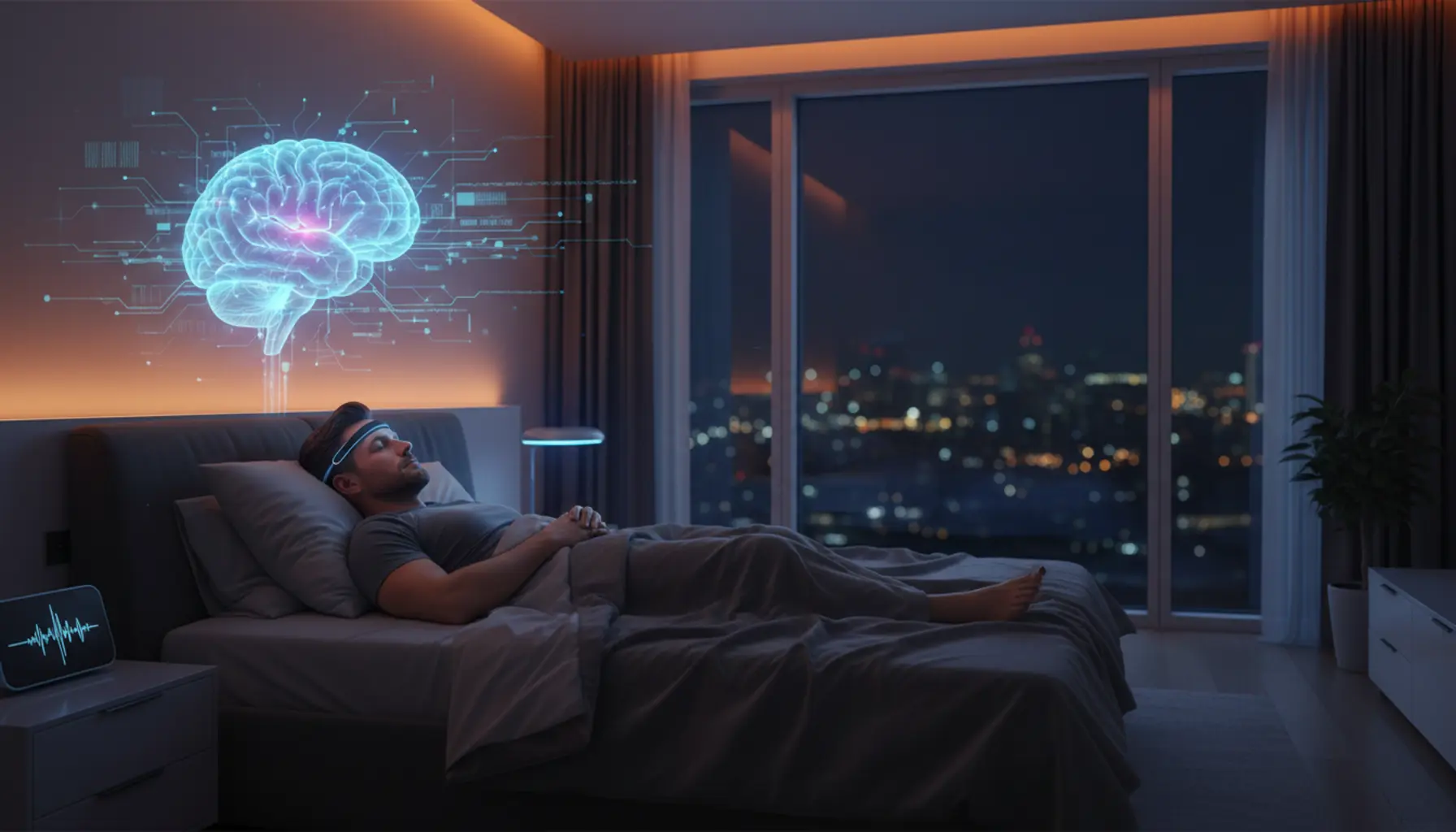
Learn how thoughtful sleep biohacking, daily habits and evening rituals can improve the quality of your rest, extend life, strengthen memory and support daily bodily regeneration. Discover effective scientific strategies and practical tips that will bolster your nervous system and enhance cognitive abilities.
Table of contents
- What is sleep biohacking and why is it important?
- Habits that extend life – the science of sleep
- 7:1 – The sleep rule that changes health
- Nervous system optimization and evening rituals
- Avoiding stimulants and healthy pre-sleep practices
- Quick tricks to improve memory and recovery
What is sleep biohacking and why is it important?
Sleep biohacking is the deliberate, science-based modification of lifestyle, environment and personal habits in order to improve the quality, depth and efficiency of nighttime rest. Unlike trendy, one-off “lifehacks”, biohacking treats sleep as a complex biological system that can be managed—through optimization of the circadian rhythm, hormones, body temperature, exposure to blue light, diet, physical activity or even breathing patterns. This approach combines the latest findings from neurobiology, chronobiology and sleep medicine with practical techniques that can be implemented in everyday life without specialized equipment or medical training. The key is moving from random “sleeping whenever possible” to strategically designing your sleep: fixed bedtimes, control of blue light exposure, and conscious stress and recovery management. For many people sleep biohacking begins with a simple observation: how do I feel after different sleep durations, when do I fall asleep most easily, how do late workouts, dinner or alcohol affect my rest. Over time, a more advanced element appears—tracking sleep parameters using bands, rings or apps that measure, among others, deep sleep duration, REM phases, heart rate variability (HRV) or resting heart rate. It’s not about obsessively “chasing perfect graphs”, but about consciously testing and adjusting simple interventions: when you move your last meal, how your body reacts; when you switch to warm, yellow light in the evenings instead of cold—what happens to sleep onset and morning well-being. Sleep biohacking is therefore a process of experimenting within reasonable limits, in which you collect data about yourself, draw conclusions and gradually create a personal, tested “sleep protocol”.
The importance of sleep biohacking goes far beyond merely “not being tired.” Sleep is one of the most powerful yet most underestimated factors affecting lifespan, risk of chronic disease, brain function, immunity and physical performance. During deep sleep the body carries out intensive repair processes—regenerating the nervous system, muscles and tissues, while the immune system “learns” to recognize threats. The brain activates the so-called glymphatic system, which acts like a cleaning mechanism—”flushing” toxic proteins and metabolites, including beta-amyloid, associated with Alzheimer’s disease. Shortening sleep or constantly disrupting it increases the risk of hypertension, insulin resistance, obesity, depression, anxiety, and also weakens memory, concentration and decision-making ability. From the biohacking perspective, this means each night is an investment in long-term brain and heart health—or an unseen “borrowing” that will later be repaid with disease and poorer quality of life. Moreover, sleep directly affects regulation of hunger and satiety hormones (ghrelin and leptin), so too-short or too-shallow sleep increases appetite, makes weight control harder and encourages choosing highly processed foods. Well-designed sleep, on the other hand, improves insulin sensitivity, facilitates fat burning and supports muscle building, which is crucial not only for athletes but for anyone wishing to maintain fitness and independence in older age. Longevity also matters greatly for extending the so-called healthspan—the period of life lived in good health, not just life length. Numerous studies show that people who regularly sleep too little or irregularly have higher risk of dementia, cardiovascular disease and weakened immunity. Conversely, sleep optimization improves long-term memory, consolidation of new information (i.e. “fixing” what we learn during the day), creativity and emotional stability. That’s why after a good night’s sleep many problems seem simpler and tasks less overwhelming. Practically, working on sleep simultaneously “hacks” your productivity, mental resilience, learning ability and recovery rate after physical exertion or stress. In a world where chronic sleep deprivation has become the norm, sleep biohacking is one of the most effective and most natural tools to genuinely extend life and improve its quality—without complex pharmacology or invasive methods, simply by wisely managing what you do every night.
Habits that extend life – the science of sleep
More and more research shows that sleep duration and quality are among the strongest predictors of lifespan—often more important than diet or single supplements. Scientists observe a U-shaped curve: both chronic sleep deprivation (below 6 hours per day) and excessively long, dysregulated sleep (over 9–10 hours) are associated with increased mortality, cardiovascular problems, type 2 diabetes and dementia. From the biohacking perspective it becomes crucial not only how much we sleep, but how—at what hours, in what environment, with what interruptions and whether our sleep provides adequate amounts of deep and REM phases. Biologically, the body is designed for consistency: going to bed and waking up at similar times stabilizes the circadian rhythm, lowers evening cortisol secretion and increases predictable melatonin release. This consistency acts like a metronome for the entire hormonal and immune systems, translating into less risk of chronic inflammation—one of the main “engines” of aging and many civilization diseases. Practically, one of the most effective “longevity pills” is setting a fixed sleep window, e.g. 23:00–7:00, and sticking to it on weekends as well, with a maximum deviation of 30–60 minutes. Epidemiological studies link such regularity with lower blood pressure, better insulin sensitivity and reduced risk of cardiac events, even with a similar total number of slept hours compared to irregular sleepers. Another often underestimated habit is careful management of light exposure—not only in the evening when we limit the blue spectrum, but especially in the morning. Strong natural light within the first hour after waking “sets” our internal clock, synchronizing the suprachiasmatic nucleus (the circadian rhythm control center) with the environment. This, in turn, leads to earlier and clearer melatonin release in the evening, improving sleep onset and increasing deep sleep share, which is tied to tissue repair, brain cleansing of toxic proteins and immune regulation. Long-term synchronization of the light–dark rhythm can reduce the risk of depression, anxiety disorders and Alzheimer’s disease, which are more common in people with dysregulated sleep and nighttime activity.

A key element of the scientific approach to sleep is managing bedroom temperature and environment. Research shows that a slight drop in body temperature is a natural signal to start sleep, so a room temperature around 17–19°C promotes faster sleep onset and longer periods of deep sleep. From the biohacking perspective it’s worth ensuring a breathable mattress, a light, ventilating duvet and the ability to regulate temperature at night, e.g. via layered clothing or special cooling pads. Absolute darkness is equally important—even small light sources like device LEDs or streetlights outside the window can disrupt melatonin secretion, weakening the brain’s “night signal.” Blackout curtains, tape to mask LEDs and keeping electronics out of the bedroom are simple yet cost-effective interventions with strong scientific backing. Metabolically, the timing of the last meal is also critical. Sleep is sensitive to glucose and insulin spikes: heavy, large dinners eaten right before bedtime are associated with increased awakenings and reduced REM quality, which is important for memory consolidation, emotional regulation and creative processing. Time-restricted feeding studies indicate that finishing caloric intake 2–4 hours before sleep stabilizes blood sugar, supports nocturnal autophagy (cellular “clean-up”) and may slow aging processes. Sleep biohackers often combine this habit with limiting caffeine after 14:00–15:00, because even if we don’t feel stimulated, caffeine’s long half-life can reduce deep sleep by tens of percent. Finally, sleep science clearly shows that chronic stress and high cortisol are enemies of both lifespan and life quality. Short, daily practices that reduce sympathetic activation—such as breathing exercises (e.g. extended exhale), progressive muscle relaxation, meditation or calm evening walks—lower resting heart rate, facilitate sleep onset and reduce nighttime awakenings. Improvements in HRV (heart rate variability) reflect a gradual balance between the sympathetic and parasympathetic systems, correlating with lower heart disease risk and greater resilience to environmental stressors. When habits like consistent sleep hours, light hygiene, appropriate bedroom conditions, smart meal timing, caffeine reduction and daily relaxation techniques are combined into a coherent system, sleep ceases to be passive “off time” and becomes an active, controllable process that genuinely affects the pace of biological aging and the length of healthy years.
7:1 – The sleep rule that changes health
The 7:1 rule is one of the most practical sleep biohacking tools, bringing order to chaotic advice about the “ideal” nightly rest duration. Simplified, it states that for every 7 hours of good-quality sleep you should allow at most 1 hour of conscious daytime regeneration (naps, siestas, deep relaxation sessions), rather than assuming you can make up for chronic sleep loss with a few naps. Physiologically, night sleep and daytime sleep are not equivalent: during consolidated, uninterrupted night sleep the brain cycles through full NREM and REM cycles with appropriate proportions of slow-wave deep sleep (N3), which is crucial for clearing the brain of toxins and memory consolidation. Short naps can refresh attention and mood but will not replace multi-hour stable immersion in deep sleep phases. The 7:1 rule is primarily a framework reminding that the foundation of health is a full night’s sleep in the 7–9 hour range, and biohacking with naps, supplements or coffee should only support—not “prosthetically” replace—chronic sleep deficiency. This proportion also reflects epidemiological data: populations with stable ~7–8 hour nights display lower cardiovascular mortality, better glucose regulation and lower dementia risk compared to people who sleep irregularly with numerous compensatory naps. A biohacker views this metric not as a strict mathematical rule but as a compass: if you sleep 5–6 hours and “rescue” yourself during the day with two long naps, it’s a sign the balance is disturbed and instead of improving health you are slowly pushing your circadian rhythm toward chaos. The 7:1 rule also sets clear limits for naps: ideally short (10–25 minutes), scheduled in the first half of the day and used mainly during periods of increased load—not daily as a survival strategy. Such structure makes a nap a precise tool to reset the nervous system rather than an escape mechanism from fatigue that systematically destroys night sleep quality and disrupts melatonin and cortisol secretion.
Practically, 7:1 can be treated as a simple algorithm for conscious management of sleepiness, energy levels and day planning. If your goal is longevity and maintaining high cognitive fitness, the starting point should be building a fixed night sleep window—for example from 23:00 to 6:30 or from 22:30 to 6:00—and ensuring that at least 80–90% of nights fall within that range. Biohacking then starts with observation: how do you feel after 7 hours of sleep without naps compared to 6 hours of sleep plus a 60–90 minute nap? For most people, according to circadian research, the scenario with longer night sleep is associated with better appetite control, more stable mood and lower afternoon sleepiness. The 7:1 rule suggests using naps mainly as a “buffer” on exceptionally intense days (e.g. after an evening flight, a long presentation, returning from a time zone change) rather than as a daily ritual. Then an extra hour of daytime regeneration—in the form of a 20-minute nap, 30–40 minutes of deep relaxation (e.g. NSDR technique, yoga nidra) or a short meditation session—does not break night sleep architecture but strengthens repair processes. A biohacker can also use 7:1 as an “overload alarm”: if you need increasingly frequent and longer naps to function, it signals the system is overheated—either you sleep too little or your sleep quality is dramatically reduced by alcohol, late meals, blue light exposure or chronic stress. In such a case, instead of seeking more “hacks”, it is worth returning to basics and extending night sleep by 30–60 minutes for several weeks while observing the impact on concentration, resting heart rate, HRV or subjective fatigue. Technology further enhances the utility of the 7:1 rule—bands and watches measuring sleep phases will show whether your 7 hours contain enough deep and REM sleep; productivity apps will help notice how nap number and length correlate with work quality. In the long term it becomes clear that “stretching” the day at the expense of night sleep and patching it with naps lowers not only performance but metabolic health markers. The 7:1 rule consolidates these observations into a single, simple number that becomes a filter for decisions related to shift work, travel, training or studying—if, after summing the week, most days are based on 5–6 hours of sleep plus 2–3 hours of daytime compensation, you have a clear warning sign that instead of biohacking longevity you are slowly shortening it by ignoring basic circadian biology.
Nervous system optimization and evening rituals
Sleep biohacking begins long before going to bed, with the nervous system at its center—it determines whether you switch to “regeneration” mode in the evening or remain vigilant. The key goal is to shift dominance from the sympathetic system (fight or flight) to the parasympathetic system (rest and digest). For much of the day your body operates at elevated readiness: stress, decisions, digital stimuli, artificial light, caffeine—all keep cortisol and adrenaline high. If you don’t perform a gentle evening “soft landing”, the brain stays in threat mode, making it harder to fall asleep, leading to shallower sleep and more nighttime awakenings. From a neurobiological perspective, evening optimization involves gradually reducing prefrontal cortex arousal, synchronizing brain rhythms with alpha and theta waves, and supporting the natural rise of melatonin, which is blocked by blue light and strong emotions. Practically this means three pillars: managing light, temperature and cognitive stimuli. About 90–120 minutes before bed it’s worth switching to a “sunset light” mode: dim lights, use warm yellow tones (2700–3000K), avoid looking at a bright screen at close range, and if you must use a computer or phone—enable blue light filters and lower brightness to minimum. It is proven that exposure to bright, cool LED light in the evening can shift the circadian rhythm by 1–2 hours, experienced subjectively as “not feeling tired” and difficulty falling asleep despite a long day. The second element is body temperature: paradoxically, a warm bath or shower about 60–90 minutes before bed helps you fall asleep faster because after leaving the bath the body releases heat intensively and a drop in core temperature is one of the strongest sleep onset signals. Additionally, a cool, well-ventilated bedroom (around 17–19°C) promotes deeper NREM phases, reduces sweating and micro-awakenings. The third pillar is limiting cognitive and emotional stimuli: intense discussions, “tough” emails, social media and gripping psychological series elevate noradrenaline and keep the default mode network active, making it difficult to silence the inner monologue. For many, one of the simplest biohacks is the “digital sunset” rule: at least 30–60 minutes before bed no work, messages or scrolling; instead choose calm, predictable low-emotion activities.
Evening rituals act as conditioning for the nervous system—when you repeat the same actions at similar times, the brain starts to associate them with upcoming sleep and switches to regeneration mode faster. It’s not about a perfect, rigid script but a set of repeatable, calming habits matched to your chronotype (owl, lark or intermediate) and daily stress level. A well-planned evening ritual usually lasts 30–60 minutes and consists of simple blocks: body relaxation, mind quieting and preparing the sleep environment. Body relaxation can be achieved with very gentle stretching, a few restorative yoga poses (e.g. forward bends, child’s pose, legs-up-the-wall), low-intensity foam rolling or a short self-massage of the neck and shoulders. These practices activate the vagus nerve, lowering heart rate and blood pressure, which leads to faster reduction of arousal. Another effective nervous system biohacking tool is breathwork—techniques like extended exhale (inhale through the nose for 4 seconds, exhale for 6–8 seconds), box breathing (4–4–4–4) or the so-called physiological sigh (two quick nasal inhales, slow long exhale through the mouth) visibly reduce sympathetic activity and improve HRV within minutes, an important recovery indicator. Calming the mind can be supported by short mindfulness practice, a simple body-scan meditation or keeping a journal: writing tasks for tomorrow and a few key thoughts on paper reduces the brain’s tendency to “chew” topics at night. For people highly sensitive to stimuli “information hygiene”—avoiding news, politics or heavy content in the evening—also works well. The last element is preparing the sleep environment: darkening (blackout curtains or eye mask), soundproofing (earplugs or white/pink noise to mask sudden sounds), tidying the space around the bed and limiting strong scents or detergents. For some, gentle sensory aids are beneficial, such as a weighted blanket (deep pressure stimulation helps reduce nervous tension), a subtle lavender or chamomile scent or calm, steady music at a slow tempo (about 60 beats per minute). From the biohacking perspective it is also important that the evening fits the rhythm of the whole day: very intense late workouts, a heavy late dinner or excess caffeine “prolong” arousal, so even the best relaxation rituals work weaker. For this reason many sleep experts recommend finishing stronger physical activity at least 3 hours before bed, having the last big meal 2–3 hours before sleep, and adjusting evening lighting and stimuli to the body’s natural “wind-down.” Only the sum of these small interventions—breath, movement, light, temperature and predictable micro-rituals—gives the nervous system a clear, multi-channel signal: “it’s safe, you can sleep.”
Avoiding stimulants and healthy pre-sleep practices
One of the pillars of sleep biohacking is consciously limiting substances and behaviors that dysregulate the nervous system right before nightly rest. The most common “invisible saboteur” is caffeine—metabolized by the body for 6–10 hours. This means an afternoon coffee, cola or energy drink can still block adenosine receptors in the evening, subjectively giving a feeling of “not being tired” even though the brain and body are depleted. A key step is establishing your own “caffeine cutoff time”, for most people between 12:00 and 14:00, and gradually replacing late-afternoon coffees with caffeine-free infusions (chamomile, lemon balm, rooibos) or electrolyte water if energy dips are due to dehydration rather than genuine sleep deficit. Equally deceptive is evening alcohol: although it may shorten sleep onset and seem to provide a “deeper” sleep, in reality it fragments sleep architecture, reduces REM amount, fragments the night and lowers the brain and muscle recovery capacity. For those taking sleep biohacking seriously the golden rule becomes limiting alcohol to earlier evening hours (minimum 3–4 hours before bedtime), or better—reserving it for selected weekly occasions while increasing water and electrolyte intake to limit night awakenings caused by dehydration. Nicotine, present not only in cigarettes but in e-cigarettes and nicotine pouches, acts as a strong stimulant, raising heart rate and blood pressure and blocking natural evening arousal decline; the last cigarette should be at least 2–3 hours before planned sleep, and implementing nicotine reduction programs (with specialist support, patches, gum or behavioral therapy) often yields measurable sleep quality improvements within weeks. Increasing attention is also required for evening cannabis or CBD use—while some report subjectively faster sleep onset, studies indicate possible REM disruption and reduced quality of memory consolidation at night, so in sleep biohacking these substances should not be a permanent “sleep prosthesis” but possibly a short-term tool used with specialist advice. Substances that disrupt sleep also include seemingly “innocent” simple sugars and heavy late meals—a high glycemic load and fatty dishes raise body temperature, burden the digestive system and can lead to night awakenings, heartburn or accelerated heart rate; in practice this means planning the last larger meal 3–4 hours before bed and, if needed, reaching for a small protein-fat snack later if hunger truly prevents falling asleep.
Avoiding stimulants is only one side of the coin—equally important are healthy practices that “switch” the nervous system into regeneration mode and create a stable, repeatable signal: “now it’s sleep time.” In sleep biohacking we talk about building an evening protocol that starts 60–90 minutes before planned sleep and includes several layers: physiological, cognitive and emotional. First, on the physiological level it’s worth finishing intense training 2–3 hours before bed so adrenaline, body temperature and heart rate can fall; if the evening is the only available time for movement, choose a calm walk, light stretching, restorative yoga or a short mobility routine rather than high-intensity interval or strength training “to exhaustion.” A good habit is also gradually limiting exposure to blue and bright light—dimming lighting, using warm bulbs, enabling night mode on devices and physically placing the phone out of hand reach reduce cortisol and allow natural melatonin release; some people additionally use blue-light-blocking glasses 1–2 hours before bed, which many reports say subjectively helps falling asleep. In the cognitive layer finish work, emails and tasks requiring deep focus at least an hour before bed so the brain is not still in analytic mode—creating a “mental buffer” helps: writing a task list for tomorrow, brief day planning, jotting intrusive thoughts on paper gives a signal they don’t need to be “chewed” at night. Finally, on the emotional level simple practices regulating breath and muscle tension are effective: techniques like 4-7-8 breathing, diaphragmatic breathing with extended exhale, progressive muscle relaxation or 10–15 minutes of calm mindfulness meditation. Combining these elements with a pleasant ritual—a warm shower or bath (which paradoxically helps later lower core temperature), light reading on paper, gentle music or white noise—creates a consistent set of associations that over time becomes a sleepiness trigger. For highly stimulus-sensitive people additional support can include blackout curtains, earplugs or an eye mask and scent anchors such as a few drops of lavender or a relaxing oil blend; it’s important not to treat these as magic solutions but as elements of a consistently built environment that favors nighttime regeneration. Pairing conscious stimulant reduction with repeatable calming evening practices allows not only faster sleep onset but also maintaining deeper, more stable sleep, which is the foundation of longevity in the biohacking approach.
Quick tricks to improve memory and recovery
Sleep biohacking is not only evening rituals but also concrete, quick techniques you can implement during the day and just before bed to improve memory and nervous system recovery. One of the most effective and underrated tools is the so-called “power nap”—a short nap lasting 10–20 minutes, preferably between 13:00 and 16:00. Research shows such a short rest can significantly improve memory consolidation, concentration and learning ability, provided it doesn’t enter deep sleep phases after which a feeling of grogginess appears. The 7:1 rule is key here—the nap should supplement a solid night’s sleep, not replace it. A useful trick is the “coffee nap”: drink a small black coffee 10–15 minutes before the nap; caffeine starts working when you wake up, boosting alertness, while the nap improves working memory performance. Another very simple and extremely effective tool is short breathwork protocols that calm the nervous system and reduce stress—one of memory’s greatest enemies. You can use, for example, 4–6 breath (inhale through the nose for 4 seconds, exhale for 6) or the “physiological sigh” (two quick nasal inhales, one long exhale through the mouth), performing 5–10 repetitions before sleep, after mental work or during a break between study blocks. Breath regulation lowers heart rate, activates the parasympathetic system and improves subsequent sleep quality, which translates into better consolidation of memories during NREM and REM phases. Regarding memory it’s also worth introducing a simple “day scan” technique—just before sleep spend 3–5 minutes mentally replaying the key information you learned or the three most important events of the day. Such a “flashback” acts like a last-minute review before the brain records it into long-term memory during nocturnal sleep, strengthening memory traces without additional study hours. A short journal complements this well: write 3–5 sentences about what you learned that day, what to remember for tomorrow or conclusions from an important meeting; the brain “likes” actively processed information, and sleep best consolidates what has been reflected upon and emotionally tagged.
Another group of quick tricks are micro-movement and sensory interventions that support nervous system recovery and indirectly improve memory. A short walk outdoors—10–15 minutes of daily natural light exposure, ideally in the morning and at noon—regulates circadian rhythm, lowers cortisol and facilitates evening sleep, which later translates into deeper slow-wave sleep (NREM) crucial for consolidating facts and skills. Additional benefit: light muscle activation and improved cerebral blood flow support learning processes already the same day. During intensive mental work implement so-called “ultradian cycles”: after 60–90 minutes of focused study take a 5–10 minute screen-free break, preferably with movement (stretching, a short walk around the apartment, several deep breaths by an open window). Such a reset cools the prefrontal cortex, improves cerebral blood flow and increases the chance that information will be integrated during sleep. If your goal is both better memory and muscle recovery, plan moderate physical activity 2–3 times a week (e.g. 30–40 minutes of brisk walking, light running or strength training) followed by 5–10 minutes of stretching and breathwork. Physical activity increases BDNF (brain-derived neurotrophic factor) release, which supports brain plasticity and thus the formation of new neural connections—exactly those necessary for remembering. For additional nervous system recovery you can use short, safe cold exposures, e.g. 30–60 seconds of a lukewarm shower ending with cool water: this stimulus improves dopamine receptor sensitivity, stabilizing mood during the day and reducing the risk of evening rumination that hinders sleep. It’s also worth maintaining micro information hygiene—set a hard boundary that 60 minutes before bed you do not consume new, intense stimuli (news, social media, emails). Instead choose a simple, repeatable ritual: reading a light paper book, a few pages of study notes or memory exercises like recalling a list of 10 words from the day. This way you choose the “fuel” for the brain you want consolidated during sleep instead of random stressful content. All these techniques are intentionally designed as quick, minute-long interventions that can be woven into an ordinary day without radical lifestyle changes, and their effects accumulate into better sleep, sharper memory and noticeably faster bodily recovery.
Summary
Sleep biohacking is an effective path to better health, longer life and daily comfort. By implementing proven habits such as the 7:1 rule, a daily relaxation routine and avoiding stimulants in the evening, we optimize not only sleep but also nervous system function and regenerative processes. Even small changes can quickly and significantly improve memory and overall quality of life. It’s a process in which regularity yields the best results—easier falling asleep, more energy and improved well-being become available to everyone.