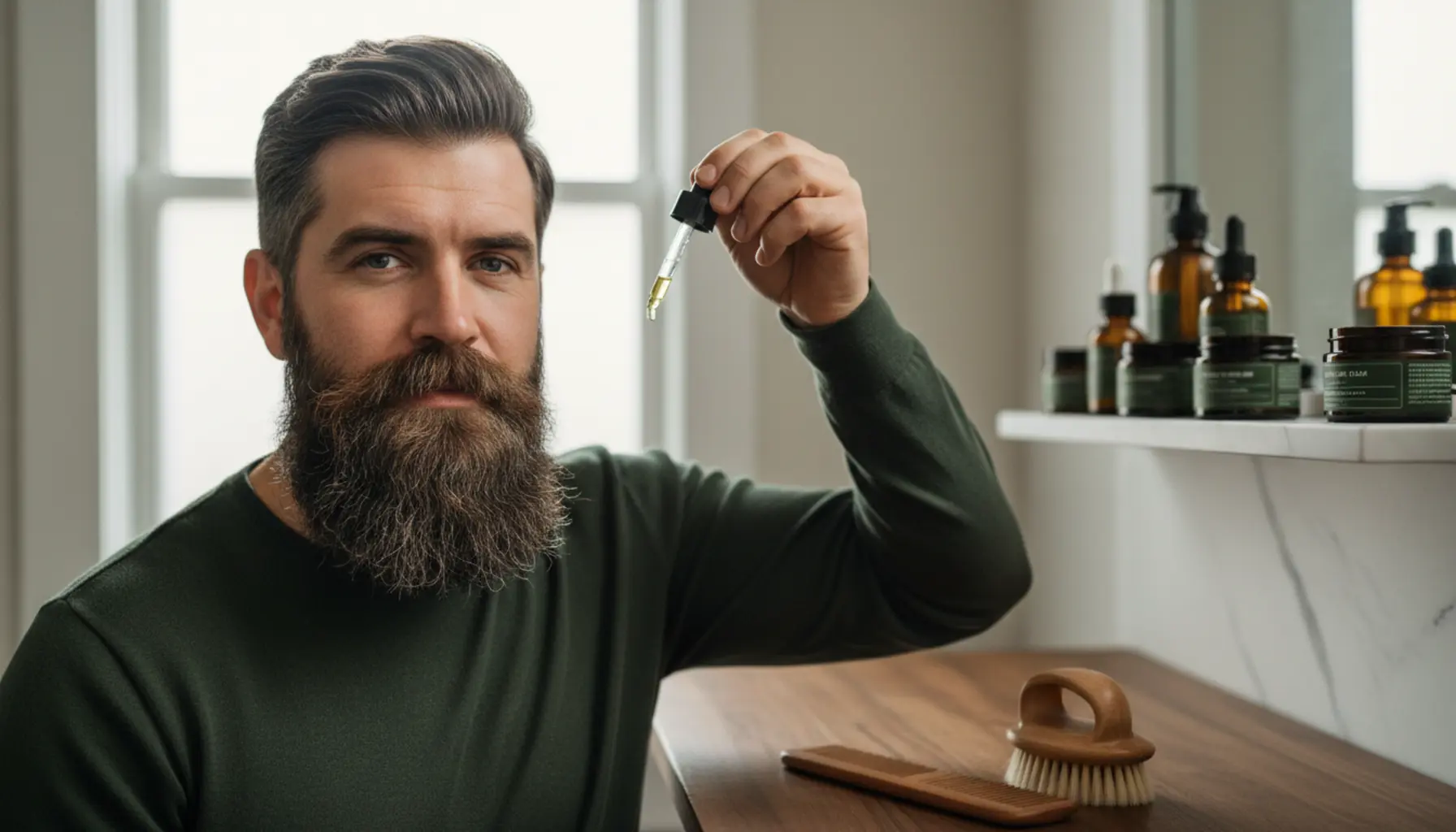
Beard care requires consistency and conscious product selection. Regular cleansing and proper moisturizing are key to keeping your facial hair looking healthy and attractive at all times. By following proven beard grooming principles, you gain confidence and daily comfort.
Table of Contents
- Why Is Beard Care Important?
- Essential Beard Care Products
- How to Wash Your Beard Properly?
- Moisturizing and Styling Your Beard
- Protecting Your Beard from Damage
- Home Remedies for a Healthy Beard
Why Is Beard Care Important?
Beard care is no longer just a matter of fashion or a fleeting trend, but an element of thoughtful personal image management, skin health, and everyday comfort. Well-maintained facial hair can visually slim the face, define the jawline, add character and maturity, and even conceal certain imperfections like a round face or minor skin flaws. On the other hand, a neglected, overly dry, patchy, or tangled beard attracts negative attention – it may signal poor hygiene, chaos, or unprofessionalism, directly influencing how others perceive you both professionally and personally. For many men, facial hair is the modern equivalent of a well-tailored suit—when it’s well-groomed, it boosts confidence, self-esteem, and helps in creating a strong first impression during job interviews, business meetings, or dates. It’s important to note that facial hair differs in structure from scalp hair—it is thicker, stiffer, and more prone to dryness and breakage. Without proper care, beard hair quickly becomes dull, rough, and unpleasant to touch for both you and your partner. Regular washing of your beard with gentle products removes food residue, air pollutants, and excess sebum, while oils, balms, or butters help maintain optimal moisture, elasticity, and shine—making your beard not only look better but also easier to style, less likely to frizz or stick out. Lack of grooming quickly leads to itching, redness, and skin irritation, especially in the first weeks of beard growth when new hairs “push through” the skin; a well-chosen care routine significantly reduces this discomfort, often determining whether you stick to your bearding goals or shave everything off in desperation.
A crucial argument for regular beard care is the health of your facial skin: under the beard, a specific microclimate develops – warmer and more humid – which, without proper hygiene, encourages the growth of bacteria and microorganisms, potentially leading to inflammation, pimples, or even folliculitis. Thorough cleansing of the skin beneath the beard, gentle exfoliation of dead skin, and regular hydration with light, non-comedogenic products help prevent problems like beard dandruff (white flakes on hair and clothing), excessive oiliness, or persistent itching. Carefully selected cosmetics (e.g., those containing panthenol, allantoin, plant oils, or vitamin E) can soothe irritation after shaving around the cheeks or neck, where the beard line is defined, and also support skin recovery from micro-injuries caused by razors or trimmers. Beard care, however, isn’t just about cosmetics—equally important are regular trimming and shaping to maintain a consistent look suited to your facial features and to prevent split ends and excessive thinning; regularly trimming the ends and brushing your beard with a natural bristle brush stimulates skin microcirculation, which may benefit the overall health of hair follicles. For those dealing with patchy facial hair, thin spots, or slow growth, diligent grooming becomes a way to minimize visual disproportion—proper hydration, nutrition, and styling help make your beard look fuller, while careful shaping of the cheek and neck lines hides weaker growth areas. Lastly, building daily grooming habits—morning brushing, applying oil, checking your beard’s shape—acts like a small ritual that helps order your day, improve mindfulness, and foster self-care, contributing to better well-being and greater awareness of your personal style. A maintained beard stops being a random “growth” and becomes a conscious part of your image—one you use intentionally to express personality, match occasions, and highlight your strengths in a way that’s coherent with your whole look, from clothes and hairstyle to your choice of fragrance.
Essential Beard Care Products
The foundation of effective beard care is a well-chosen set of products for both your beard and the skin beneath it. The absolute basis is a specialized beard shampoo or wash gel—don’t use regular soap or hair shampoo, as they are too aggressive, stripping oils from both skin and hair, resulting in dryness, flaking, and itching. Beard washes use milder surfactants and often include moisturizing agents (e.g., glycerin, panthenol, aloe) and plant extracts for soothing irritation. A good beard shampoo should remove food residue, sweat, dust, and excess sebum without leaving a tight, dry feeling. Look for products without SLS/SLES, featuring neutral or subtle fragrances that won’t clash with other cosmetics. Washing your beard 2–3 times per week is usually sufficient; if you have oily skin or a highly active lifestyle, you can do it more often, but always use milder formulas. After cleaning, moisturizing becomes essential, chiefly through the most popular product in a beardsman’s arsenal—beard oil. This lightweight or medium-consistency product is based on plant oils (e.g., jojoba, argan, almond, grape seed, hemp) with added vitamins and natural essential oils. Its main job is to moisturize and nourish both hair and skin, reduce itching, soften your beard, and give it a healthy shine. Regular use prevents brittleness and frizz, makes detangling easier, and limits beard dandruff. When choosing, focus on short, natural ingredient lists—and on fragrances you enjoy. People with oily, acne-prone skin should use lighter, non-comedogenic oils; for dry skin, rich blends work best. Apply oil to slightly damp or dry, clean beard, using fingertips to massage from the skin outwards, boosting microcirculation and healthier hair growth. As a complement, especially for longer, thicker beards, beard balms and creams combine care properties with light hold. Balm often has a butter or semi-hard paste texture and contains plant butters (e.g., shea, cocoa), waxes (beeswax or plant-based), and oils. Thus, it not only nourishes but also helps give structure, limit flyaways, and provide light hold all day. Beard cream is lighter and absorbs more quickly, ideal for those who dislike greasy residue but need additional hydration and softness. In practice, many men use oil in the morning or evening and balm during the day when hold or styling is needed alongside smoothing and a subtle, masculine scent that often lasts longer than with straight oil alone.
Just as important as products are accessories, without which you can’t fully realize their potential. Every beardsman should have at least a beard comb and a natural bristle brush, usually boar bristle. A comb—ideally wooden or made from high-quality, smooth plastic—helps detangle, distribute products, and maintain shape. Wood also reduces static, and a well-shaped comb reaches both short and long beards easily. A beard brush acts like a “trainer” for beard hair—regular brushing directs growth, smooths, and adds volume where needed. Boar bristle is stiff enough to get through dense beards yet gentle on the skin. Brushing disperses both natural sebum and applied oils along the hair’s length, maximizing care effects. Essential tools include beard scissors with sharp, precise blades and a trimmer or clipper with adjustable guards. These keep edges neat, remove split ends, and shape cheek and neck lines. For medium and long beards, an edge styling template (beard stencil) is also practical for achieving symmetry without barber visits. Everyday grooming can also include styling products like beard and mustache waxes and pomades. Wax, usually beeswax-based, is a “firmer” product ideal for sculpting mustaches (e.g., handlebar) and controlling unruly beard areas. Pomade offers flexible hold, adding texture and a refined look without a fake “shell” effect. Choose styling products with care ingredients (such as plant oils and butters) and avoid too many synthetic polymers, which can weigh hair down and make rinsing difficult. Plus, there are practical beard tonics or refresh sprays that provide light hydration, odor neutralization, and quick “revitalization” on the go. A well-composed set—shampoo, oil, balm or cream, suitable tools, and a styling product—creates a smooth, effective routine that you can easily customize for your beard length, skin type, and personal style, all without complicating daily care.

How to Wash Your Beard Properly?
Washing your beard correctly is one of the most important elements of daily beard care—and often the most overlooked. Contrary to appearances, it’s not enough to simply run your beard under the shower with regular hair shampoo or body wash. Facial skin is much more sensitive than scalp skin, and beard hair differs from scalp hair—it’s usually thicker, more porous, and prone to dryness and breakage. For this reason, you should use a dedicated beard shampoo or gel, which is milder, pH-balanced, and includes moisturizing and soothing ingredients. Avoid bar soaps with high pH and harsh cleansers containing SLS/SLES, which strip protective lipids, leading to flaking, itching, and “beard dandruff”. The first step in proper washing is thoroughly wetting your beard with warm (never hot) water. Warmth opens the cuticles of the hair and pores of the skin, making it easier to cleanse sebum, sweat, food residue, and styling product build-up. Too hot water dries and irritates, so stick to a comfortable, lukewarm temperature. Once the beard is evenly moist, rub a small amount of beard shampoo (peanut-sized is usually enough) between your hands and massage it into your beard and underneath skin, moving fingers in circles. Make sure the product reaches the skin—this is the foundation of a healthy beard. You can gently lift hairs with your fingers, “brushing” the foam from roots to ends, especially for long, thick beards. Spend at least several dozen seconds focusing on the densest or problem areas (e.g., jawline, around the mouth, under the nose). While doing this, you’re also giving your skin a light massage that improves microcirculation, oxygenation, and can promote stronger, healthier hair growth. After washing, rinse your beard thoroughly with lukewarm water until there is no slippery feel or foam remaining—product residue can cause irritation and dullness. Rinsing is just as important as washing: un-rinsed detergent will collect dirt and clog pores, causing breakouts, inflammation, and a “dirty” beard feeling even after a shower. After rinsing, gently press excess water from your beard with your palms, without tugging. Drying also matters—rather than rubbing your face vigorously with a towel, gently blot your beard with a soft, dry towel (preferably cotton or microfiber) to absorb moisture. Vigorous rubbing damages the hair cuticle, causing frizz, split ends, and skin irritation, especially if you have sensitive skin or redness. When using a blow dryer, keep it cool or warm, hold it several inches from your face, and comb or brush your beard while drying to set direction. Avoid hot air, which dries and “cooks” hair, making it brittle, dull, and prone to breakage. Treat this process as a conscious ritual rather than just another quick shower step, and your beard will look and feel much better.
The frequency of beard washing should suit your lifestyle, skin type, length, and beard density. For most men, washing 2–4 times a week with a specialist beard shampoo is ideal—excessive use of detergents can cause dryness, especially with dry or sensitive skin. If you exercise hard, sweat a lot, work in a polluted environment, or have a short, very dense beard, daily rinsing with just water (shampoo every 2–3 days) is a good compromise between hygiene and retaining the natural protective barrier. With oily skin and a tendency to blackheads, you may wash with shampoo more often, but still monitor skin reactions—if you notice tightness, excess flaking, or redness, reduce frequency or try a gentler formula. Men with very dry, sensitive, or atopic skin should wash with shampoo less often (e.g., twice a week), and more frequently use just water and gentle massage, supplementing with oil or balm. Common mistakes to avoid include washing your beard with scalp shampoo, using harsh soaps, neglecting the skin under the beard and focusing only on hair length, using too much product (which makes rinsing harder), or leaving shampoo on the skin for too long. Some also forget to wash their beard at night, even though they use heavy waxes, pomades, and expose their beard to dust, smoke, or pollution—in these cases, evening washes are more beneficial as they remove accumulated dirt before sleep, when the skin regenerates most. Adapt your washing technique to your beard’s length: for short beards (designer stubble), focus on the skin—short hairs are easy to clean, so really massage the skin. For medium and long beards, ensure the foam covers every inch, untangle knots with your fingers, and gently “comb” even during washing. Afterwards, spreading oil or balm on a slightly damp beard improves even absorption of nutrients and completes the cleansing process. Watch how your skin and beard respond to different products, water temperatures, and washing frequencies, and you’ll soon develop a personal routine for a clean, soft, and itch-free beard.
Moisturizing and Styling Your Beard
Moisturizing your beard is fundamental for healthy appearance and daily comfort, since even the best-trimmed beard won’t look good if the hair is dry, dull, and rough, and the underlying skin is irritated. After washing—when your beard is still slightly damp—apply beard oil, which acts as a leave-in conditioner. Just warm a few drops (usually 3–6, depending on length and density) between your palms and first massage the product into the skin beneath the beard, then into the hair itself—the skin is the “root of the problem” for itching, flaking, and weak hair, so it must be well-moisturized and nourished. People with oily or acne-prone skin should choose lightweight oils (e.g., jojoba, grapeseed) that don’t clog pores; for dry, tight skin, richer mixes with argan, sweet almond, or avocado oil work better. Regular oiling softens hair, makes styling easier, reduces brittleness and split ends, and forms a light protective shield against wind, frost, or dry air. For men who dislike strong scents, neutral or subtly fragranced oils are great; more expressive blends can partially substitute for cologne, creating a cohesive personal care experience. Don’t overdo the amount—a beard that looks greasy and unclean results from too much product; start with less and add if needed, rather than trying to remove excess. An alternative or supplement is beard balm, which combines moisturizing with light styling. It usually contains plant butters (e.g., shea, mango) and waxes that add structure, flexibility, and soft hold. Warm the balm between your fingers to make it pliable before evenly brushing it through the beard—making hair easier to control while keeping a natural, non-sticky look. For very short beards (designer stubble) oil is usually enough, but for longer beards, oil (deeper, towards the skin) paired with balm (on the outer layer) works best.
Beard styling starts with proper brushing to set growth direction and natural shape while evenly distributing applied products. Use a natural bristle brush (e.g., boar), which mechanically removes dead skin, stimulates microcirculation, and “trains” hair to align to your chosen outline. A comb with both fine and wide teeth helps segment hair accurately and prep your beard for styling, as well as quickly check for tangles or knots that disrupt symmetry. When styling daily, choose the hold level to match your beard’s length and your desired effect—medium-length beards often only need a balm for flexible control, while long, thick, or curly beards (or wild, springy growth) benefit from beard wax or pomade with a stronger hold. These products smooth flyaways, accentuate the contour line, and help preserve styling all day, especially for “lumberjack” or long, tapered beards. Apply wax in small amounts, focusing on trouble spots—at mouth corners, chin, and along the lower jaw—then shape with your hands or a brush. For those who prefer a maximally natural effect, pick medium-hold products without excessive shine. Also, tailor beard styling to your face shape: if you have an oval face, you can choose any length or volume; for round faces, elongate the shape by keeping more length at the chin and shorter sides; for long faces, add volume on the sides without over-extending the chin. Styling doesn’t end with the beard shape—mustache control is also important, especially so it harmonizes with the beard. Form your mustache with a dedicated, strong-hold wax, especially when you want ends slightly curled or kept out of your mouth. Avoid overloading your beard with too many products at once; usually, a well-chosen combination of oil or balm and one styling product is enough, and the key to an attractive look is regular hydration and a few minutes of daily consistent styling.
Protecting Your Beard from Damage
Protecting your beard from damage starts with understanding what causes the most harm daily. Common threats include dryness, friction, excessive styling, unsuitable products, and environmental factors like wind, frost, sun, or pollution. Beard hair, like scalp hair, is made of keratin but is usually thicker, more porous, and quicker to dry, so it is fast to show brittleness, split ends, and roughness. Protective basics include moderate washing and using gentle, well-chosen beard shampoos with mild cleansers (e.g., cocamidopropyl betaine) and hydrating ingredients such as glycerin, allantoin, or panthenol. Washing too often with aggressive products removes the natural sebum barrier, which protects against drying and external stress. Equally important is how you dry your beard—avoid sliding or rubbing with a towel, which physically damages the cuticle. Instead, gently blot and press your beard with soft, absorbent cotton or microfiber towels. Also reduce the use of hot blow dryers—high temperatures dry out hair, making it brittle and dull; if you use a blow dryer, set it on low heat and medium airflow, holding the device several inches from your face.
Oils and balms are crucial for beard protection, acting as a “shield” for both hair and skin. Regularly applied beard oil forms a thin occlusive layer on the hair surface, reducing water evaporation, improving keratin fiber elasticity, and decreasing breakage risk. Choose products with proven protective oils like jojoba (similar to human sebum, skin-friendly), argan (rich in vitamin E and fatty acids), almond, or grapeseed. For acne-prone skin, opt for lighter formulas and apply moderate amounts—a few drops warmed between your hands is enough for most beards. Thanks to butters (e.g., shea, cocoa) and waxes, balms work as both care and mechanical protection, “wrapping” the beard hair against friction from collars, scarves, or your pillow. In winter, when frost and wind dry skin and hair, a combo of oil and a light balm acts like a winter coat for your beard, limiting micro-damage and roughness. In summer, look for products with UV filters or antioxidant-rich ingredients (vitamin E, green tea extract, raspberry seed oil), as sunlight weakens pigment and hair structure, causing fading, brittleness, and loss of shine. Protection also involves how you handle your beard daily—avoid nervous pulling, plucking, or overusing strong-hold styling products based on harsh polymers, which dry and stiffen hair. Use proper tools: natural boar bristle brushes spread sebum and oil evenly, minimizing pulling and breakage; wooden or high-quality plastic combs with rounded teeth minimize mechanical damage and static. Regularly, gently trimming split ends with sharp scissors or a well-sharpened trimmer stops splits climbing higher up the hair shaft. Don’t forget accessory hygiene—wash brushes and combs to remove product residue and sebum, preventing the growth of bacteria and fungi that could irritate skin and weaken your beard. Daily protection also relates to lifestyle: a balanced diet rich in protein, zinc, biotin, omega-3 fatty acids, adequate sleep, and reduced stress all improve hair quality, making it more resistant to damage. Ultimately, it is the sum of small, consistent actions—gentle washing, mindful drying, regular moisturizing, careful brushing, and external protection—that determine whether your beard stays thick, springy, and healthy-looking for years to come.
Home Remedies for a Healthy Beard
Home beard care doesn’t have to mean compromising quality—with a bit of knowledge and consistency, you can achieve results comparable to a professional barbershop, using mostly natural ingredients. Start by building a simple home routine: gentle cleansing, regular moisturizing, and occasional “nourishing treatments”. Instead of harsh soaps, opt for gentle bars with plant oils (e.g., olive, coconut), picking unscented or naturally fragranced options with a simple ingredient list. When washing your beard at home, don’t overdo frequency—if you use a dedicated beard shampoo every few days, on the others rinse with lukewarm water, gently massaging skin with your fingertips. After towel drying (without rough rubbing), immediately apply homemade oil: blend jojoba oil with almond oil at 1:1, optionally adding a few drops of grapeseed oil for a lighter formula. This blend mimics natural skin sebum, softens hair, and aids detangling; regular use (ideally 1–2 times daily) minimizes itching and the “hay” effect in your beard. If you have oily or pimple-prone skin, use less oil and focus on the hair tips, avoiding the roots. Home care can also include hydrosols (e.g., chamomile, rose, witch hazel) used as a toner beneath oil: sprayed onto skin and beard, they soothe irritation, balance pH, and enhance product absorption, while substituting heavier, alcohol-based tonics that may dry or irritate the skin.
Alongside daily washing and oiling, consider weekly or biweekly home “special treatments” that work like an intensive mask for your beard and skin. One of the simplest is a warm oil compress: gently heat (in a water bath, never directly on a flame) a mix of argan and jojoba oils, apply to beard and underlying skin, then cover with a warm, damp towel for several minutes. Warmth opens hair cuticles and skin pores, driving nutrients deeper so your beard is softer and easier to style. Once a week, exfoliate the skin beneath your beard with a mild homemade scrub—blend finely ground oats with a teaspoon of honey and a bit of plain yogurt. Gently massage this paste into your skin (avoiding open wounds or very irritated spots) to remove dead skin, release ingrown hairs, and boost microcirculation for healthier, denser beard growth. After rinsing off the scrub with warm water, apply oil or a light balm. For natural thickening and faster growth, periodically use castor oil—it’s thick and heavy, so mix it half-and-half with a lighter oil (e.g., grapeseed), apply a small amount at night 2–3 times weekly, and wash out thoroughly in the morning. Don’t ignore simple, “invisible” habits: daily, gentle brushing with a natural bristle brush (distributes sebum, prevents tangles, massages skin), limiting hot blow drying (if needed, choose cool or lukewarm air and keep the dryer away from your beard), and regular trimming of split ends with sharp, small scissors. Support your beard “from the inside” at home, too: beard health benefits from a diet high in protein, healthy fats (oily fish, nuts, olive oil), zinc, biotin, B vitamins, hydration, and sleep. This mix of natural care products, simple home treatments, and a healthy lifestyle forms a consistent system that truly improves beard and skin quality, allowing you to limit costly, specialist products without sacrificing a neat, attractive beard look.
Summary
Beard care is not just a matter of aesthetics but health as well. Regular washing, moisturizing, and styling are crucial to keeping your beard in impeccable condition. Choose the right products, such as dedicated shampoos and oils that support healthy hair growth. Don’t forget about home remedies, which can be equally effective. Thanks to this article, you now know step by step how to care for your facial hair for a healthy, full appearance.