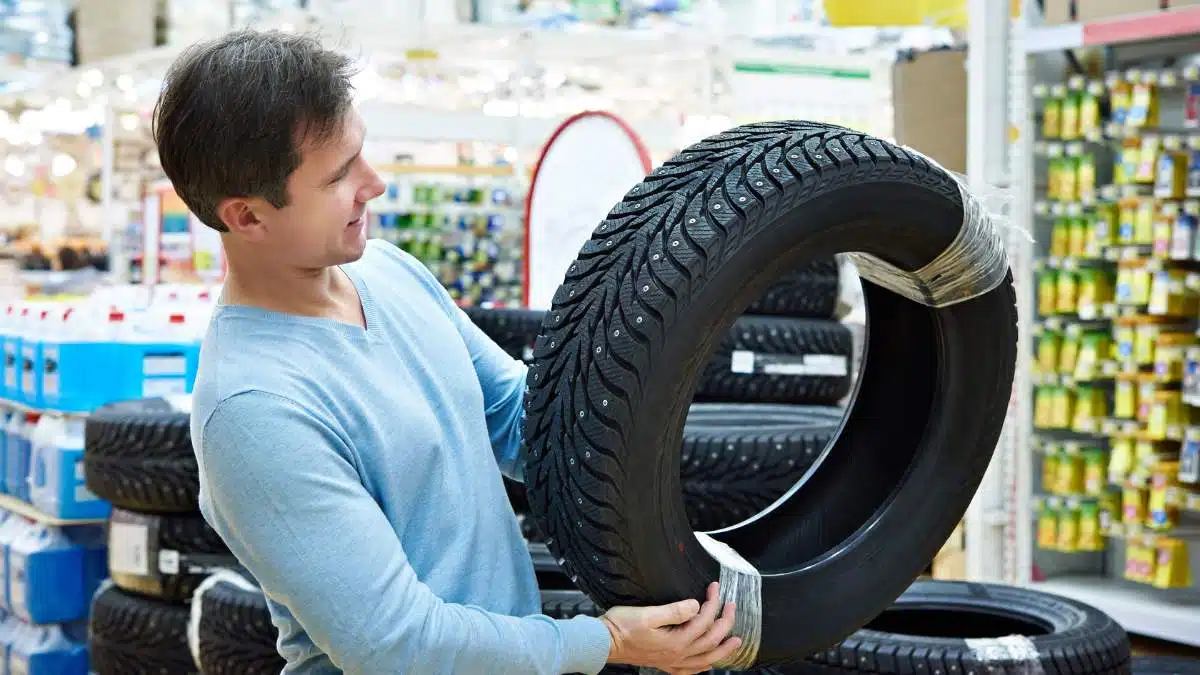
Winter is a time when road conditions become particularly demanding. Snow, ice, rain and low temperatures are factors that significantly affect driving safety. That is why it is so important to properly prepare your car for winter conditions, and the key element of this preparation is choosing the right tires.
This article will give you a comprehensive guide to help you make the right choice. You will learn what to consider when buying winter tires, what parameters to pay attention to and what mistakes drivers most often make.
Spis treści
Why are winter tires so important?
Winter tyres differ from summer tyres in the composition of the rubber compound and the structure of the tread. The rubber compound of winter tyres remains flexible even at low temperatures, which provides better grip on snow and ice. The tread of winter tyres is characterised by a greater number of notches (sipes), which increase the contact area of the tyre with the road, and deeper grooves more effectively drain water and slush.
Driving on summer tires in winter is not only uncomfortable, but above all dangerous. Summer tires harden at low temperatures, which significantly increases the braking distance and increases the risk of skidding.
What to look for when choosing winter tires?
Choosing winter tyres may seem complicated, but in fact, it is enough to pay attention to a few key parameters:
1. Tire size:
This is a basic parameter that must comply with the recommendations of your car manufacturer. You can find information about the permitted tyre sizes in your vehicle’s owner’s manual or on a sticker on the driver’s door pillar.
2. Load index:
The load index informs you about the maximum load that the tyre can carry. This parameter should also be in accordance with the manufacturer’s recommendations. A load index that is too low can lead to tyre damage or even an accident.
3. Speed Index:
The speed rating is the maximum speed at which you can safely drive on a given tyre. In the case of winter tyres, it is permissible to use tyres with a speed rating lower than recommended by the manufacturer, but not lower than Q (up to 160 km/h).
4. Tread type:
There are three basic types of winter tire tread:
- Directional: characterized by the shape of the letter “V” or “U”. It provides good drainage of water and slush, as well as straight-ahead stability.
- Asymmetrical: it is divided into two parts – outer and inner, each with a different pattern. The outer part is responsible for stability in corners, and the inner part is responsible for water drainage.
- Symmetrical: This is the simplest and cheapest type of tread. It works well in low-power city cars.
5. Production Date:
Tyres, like other rubber products, lose their properties over time. Therefore, it is worth paying attention to the date of production of the tires. Tyres older than 5 years may have worse performance, even if they have not been used. The date of manufacture is indicated on the sidewall of the tyre in the form of a four-digit code (e.g. 1221 means week 12 of 2021).
6. EU Label:
The EU label provides information on three important tyre parameters:
- Rolling resistance: affects fuel consumption.
- Wet grip: the higher the class, the shorter the braking distance on wet roads.
- External noise: measured in decibels.
7. Brand and Price:
There are winter tires of various brands and prices available on the market. It is worth choosing tires from reputable manufacturers who offer high-quality products. Remember that price is not always the most important selection criterion.
What to avoid when buying winter tyres?
- Buying used tires: you are not sure what condition the tires are in and how they have been used.
- Buying tyres with the wrong size or load index.
- Be guided only by the price.
- Underestimating the importance of the production date.
Additional tips:
- It is worth buying winter tires before the winter season arrives. Then the choice is greater and the prices are lower.
- If you are not sure which tires to choose, consult a specialist.
- Remember to check your tire pressure regularly.
- Store tires in the right conditions.
Summary
Choosing the right winter tyres is an investment in your safety and that of your passengers. Therefore, it is worth taking the time to carefully familiarize yourself with the offer and choose the tires that best meet your expectations. Remember that good winter tyres are a guarantee of safe and comfortable driving in difficult conditions.