Table of Contents
- Types of Whisky Glasses: How to Choose the Best One
- Old Fashioned Glass: A Classic in the Whisky World
- How Water Affects Whisky Flavor
- The Role of Ice in Whisky Tasting
- Benefits of Adding a Splash of Water
- When to Avoid Ice in Whisky
Types of Whisky Glasses: How to Choose the Best One
The choice of whisky glass has a significant impact on how you experience the aroma, texture, and flavor—it’s not just about aesthetics, but also functionality. The most classic option is the tumbler, also known as the old fashioned or lowball glass. Low, wide, and featuring a thick base, it’s comfortable to hold, gently warming the whisky with your hand heat. Its wide opening doesn’t concentrate aromas as much as a tasting glass, but it makes drinking comfortable, leaves space for ice cubes or a large ice block, and is convenient for whisky-based cocktails. The tumbler excels with blended whiskies, served “on the rocks” or in drinks where detailed aroma analysis isn’t a priority, prioritizing relaxation and freedom instead. For those wanting to focus on tasting and nuanced aromas, the tulip-shaped glass—usually a Glencairn or copita—is the go-to. These are smaller, bulbous glasses with a narrow lip that funnels aromas to the nose, making it easier to detect smoky, fruity, spicy, or floral notes. The tapering top reduces the escape of alcohol while letting you swirl the whisky to “open up” the bouquet. Tasting glasses are perfect for single malts, limited editions, and whiskies you truly want to savor in detail. An in-between choice is the snifter (brandy glass), which has a low, round bowl on a short stem. It focuses aromas but, due to its wide body and narrow rim, can sometimes magnify alcohol if the whisky is strong or young. The snifter is often favored by those who enjoy warming the glass by hand and seeking intense aroma, but aren’t attached to classically “whisky” glass shapes—a good compromise if you also drink brandies and want to minimize glassware variety at home. Modern whisky glasses are also increasingly popular—angled bases, spiral grooves, or double walls add visual flair, but it’s crucial to ensure the design doesn’t hinder nosing or negatively impact temperature. The thickness of the glass matters: thin walls let you sense temperature and texture better, enhancing subtle aroma perception, while thicker glass (typical for chunky tumblers) provides satisfying heft but can dull sensory impressions, though it’s practical for use with large ice cubes. Ultimately, consider whether you’ll mainly be sipping whisky neat, tasting analytically, or enjoying it casually with ice or in cocktails—this will largely determine whether a tulip or classic tumbler suits you best.
The best whisky glass is the one that matches your actual drinking style, but there are technical criteria to help narrow the choice. First: shape. For conscious tasting and focused nosing, a tulip shape is best—the narrowing concentrates aromas, while a gentle flare below helps position your nose and controls intensity. If comfort, ice or water additions, and casual sipping are what you value, the tumbler shines: its broad base is stable, its bowl lets you manage ice and mixers without limiting gestures. Second: size. An ideal tasting glass is around 150-200 ml, though you typically pour 20–40 ml whisky, leaving space for aromas to unfold and for swirling. Tumblers can be larger (250–300 ml+), as they’re designed for ice and cocktails. Overly large tasting glasses make a small whisky serving “disappear,” too small glasses don’t give aromas space to develop. Third: glass quality. Lead-free crystal or high-grade soda-lime glass ensures clarity and no off-odors; dull, scratched, or low-quality glass spoils aesthetics and can introduce unwanted smells. Pay attention to the rim—smoothly polished and thin edges enhance drinking comfort. Fourth: practicality. If you often add ice, low-stable thick glasses keep cubes inside while stirring. If you prefer whisky with just a bit of water, tasting glasses make it easy to add controlled amounts with a pipette or bar spoon. Also bear cleaning in mind—some fancy shapes are hard to wash by hand or in a dishwasher; detergent residue instantly ruins the aroma profile, even of the finest whisky. There’s no universal “best” glass—many whisky lovers have at least two types: tulips or Glencairns for undistracted tasting, and sturdy tumblers for social evenings where whisky complements conversation, not analysis. The key is consciously matching your drinking style and glass shape so that the vessel enhances whisky’s natural strengths instead of masking them.
Old Fashioned Glass: A Classic in the Whisky World
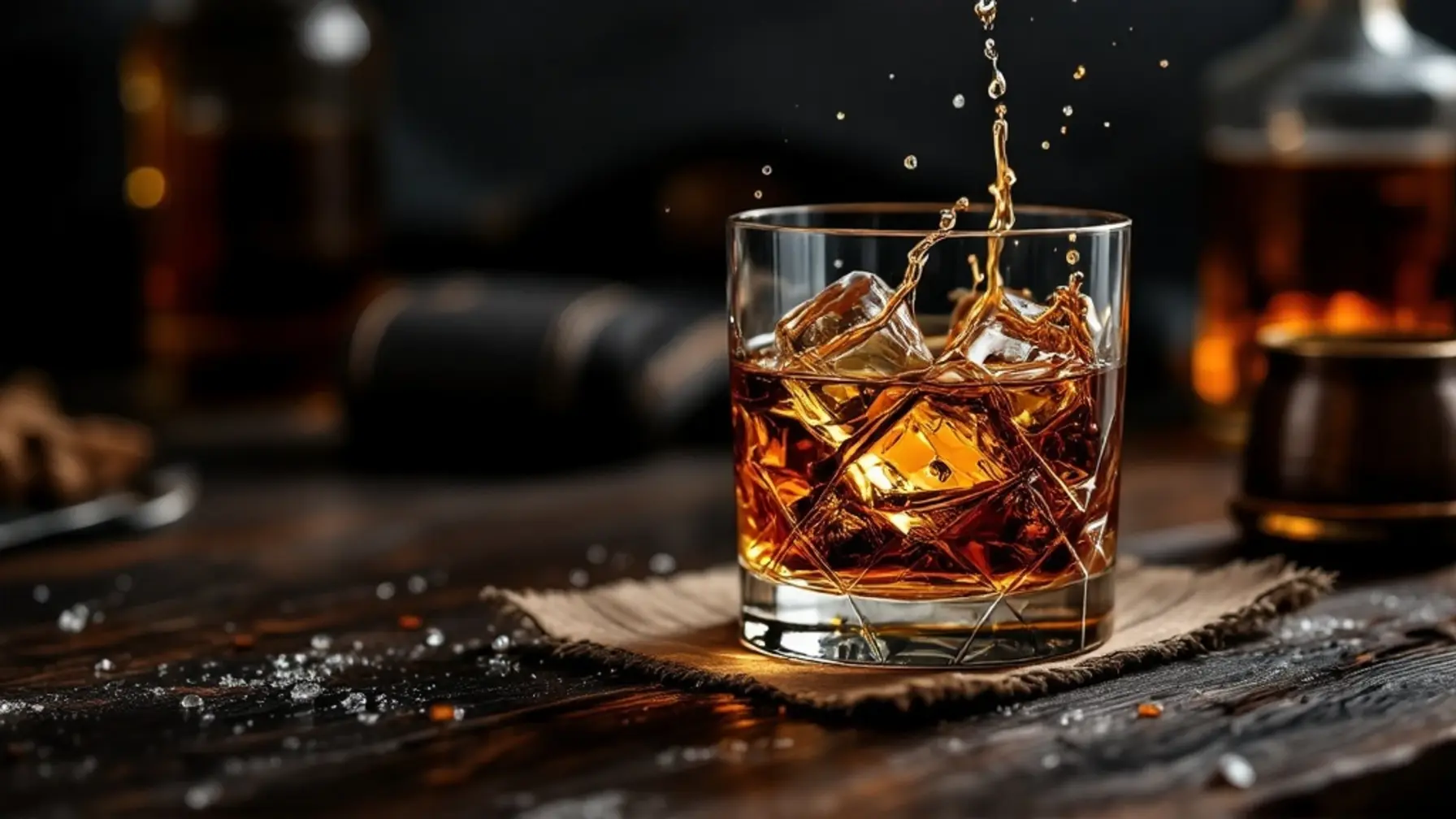
The old fashioned glass—also known as the rocks glass or simply tumbler—is perhaps the most recognizable whisky drinking symbol in pop culture, from classic Hollywood movies to Wall Street dramas and luxury brand ads. Its low, wide form, solid base, and pronounced sides are instantly associated with unwinding after work or settling in for an evening chat over a strong drink. Designed for whisky served “on the rocks,” and for cocktails like the Old Fashioned (from which it gets its name), its thick base and relatively straight sides add heft and stability, even with lots of ice or trendy “whisky stones” or large ice spheres. The old fashioned glass isn’t meant to concentrate aromas as the tulip does, but to offer a balanced, everyday drinking experience where aroma, taste, and the feel—the weight of the glass in hand—all complement each other. Many find this tactile ritual key: holding a heavy tumbler enhances the impression of strength and substance. The wide mouth of the glass allows larger sips and makes it easy to add ice, water, or even citrus peel and other cocktail garnishes. Classic tumblers generally hold about 200–250 ml—ideal both for whisky neat with ice or for cocktails combining whisky, bitters, sugar, syrups, or soda water. Keep in mind the wide surface area hastens dilution: more ice means whisky dilutes faster than in a narrow tasting glass, but that’s desired for many robust bourbons or blends that benefit from mellowing and subtle chilling.
When choosing an old fashioned glass, details matter in practice. Thick bases and walls not only feel solid, but also slow temperature transfer, helping the drink stay cold with ice while keeping your hand from freezing. This construction means even energetic stirring or tossing in large ice cubes feels stable—not fragile—which is ideal at home, where casual handling is common. Aroma-wise, an old fashioned glass presents whisky more openly: smells are less concentrated, making the drink seem gentler and less “aggressive,” which is ideal for those sensitive to alcohol’s sharpness. This is why tumblers suit blended whiskies and bourbon enjoyed recreationally—when pleasure and relaxation matter more than minutiae of aroma. The spacious glass is also perfect for ice cubes of any size, water, citrus peel, cherries, or bitters and lets you stir freely. As for designs, classic tumblers often have cut or faceted detailing, beautifully refracting light and highlighting whisky’s amber color—though ornate patterns can hinder professional level clarity assessment. Sleek, modern tumblers suit those who prioritize simplicity and easy cleaning. Ultimately, choose your glass by how you drink: if you typically pour whisky in the evening with ice while relaxing, a classic, sturdy tumbler will become your ally, letting you enjoy the drink and the ritual—from the sound of clinking ice to the satisfying heft in your palm.
How Water Affects Whisky Flavor
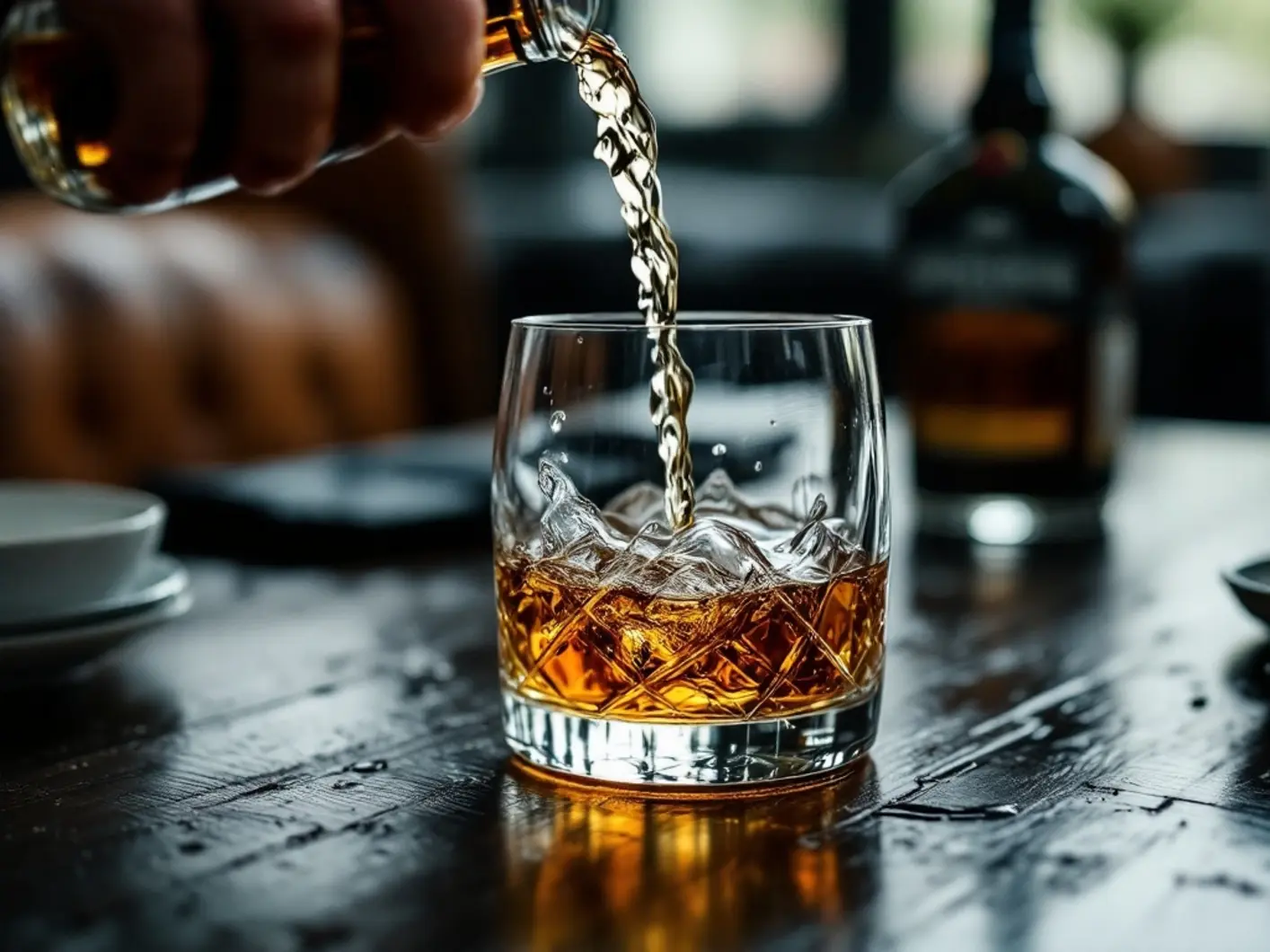
Adding water to whisky may seem like sacrilege to some, but from a tasting perspective, it’s one of the most important tools for unlocking a whisky’s full character. Water impacts whisky on several levels—chemically, sensorially, and practically—with your approach possibly drawing you closer to a pro taster’s experience or, if overdone, flattening the flavor profile. Whisky is bottled at strengths from 40% to well above 60% ABV. High ethanol content creates a barrier on the palate—alcoholic sharpness masks delicate aromatic notes, so your nose and taste buds mostly register heat rather than complex flavors. A few drops of water lower the alcohol’s perception and help break some bonds between alcohol and aroma compounds. As a result, volatile esters, aldehydes, and phenols (behind fruity, vanilla, smoky, or peaty notes) are released more readily, intensifying aroma and opening up the taste profile. This is especially apparent in cask strength whiskies (often 55–60%), which can be harsh neat but reveal unexpected sweetness, herbal, or fruity layers after slight dilution. But water quantity and its method of addition matter; sudden dilution, such as adding too much at once, can rupture the whisky’s structure, flatten aromas, and make it watery. Pros start with just a few drops per 20–30ml pour, monitoring changes, and only add more if desired. The golden rule: first nose and taste your whisky neat, then experiment incrementally, seeking the sweet spot where flavor and aroma are at their peak but still comfortable to drink. Choose spring water with a neutral mineral profile, free from strong chlorine, iron, or sulfur notes. Fizzy water changes the texture and can “sting” the tongue, disrupting the whisky. The water should also be at room temperature—cold water, like ice, mutes aromas, making bouquet analysis harder. Sometimes distilleries tout “matching water” from the source used in production, though this is more a curiosity; what matters is neutral, repeatable quality.
Water changes both the intensity and structure of sensation. In peaty whiskies, a dash of water can expose iodine, smoke, and ash, but also lift sweet notes like vanilla, honey, or stewed fruit beneath the peat. For sherry or wine-cask-matured whiskies, slight dilution can bring out raisins, prunes, orange zest, and spicy notes while softening barrel tannins. In delicate, floral-citrus single malts (e.g., Highlands, Speyside), water amplifies freshness but in excess can thin out body, leaving behind just flavored water. Water also tweaks mouthfeel—a thick, oily whisky may become creamier and silkier with a touch of dilution, while too much water shortens the finish and reduces body. Interestingly, every whisky reacts differently to water: sometimes a few drops work wonders, sometimes they’re detrimental. For analytical tasting, water is an ally, making it easier to dissect wood influence, distillery character, or spot sulfur and bitterness. For casual sipping, water acts as an intensity regulator—softening the drink without dropping the temperature like ice does. This is why pros keep a water jug and pipette handy; mindful use of water turns it into a conscious part of your whisky ritual, not an afterthought, with each drop potentially transforming your dram.
The Role of Ice in Whisky Tasting
Ice in whisky has long stirred debate among aficionados—some call it a violation, others can’t imagine their evening dram without the signature clink. For tasters, ice is more than a cooling agent; it tangibly alters both taste and aroma. Lowering whisky’s temperature, ice “shuts down” many aromatic compounds—the colder the liquid, the less intense the nose. For analytical tasting, this is usually unwanted, but in casual drinking—or with cheaper, sharper, or high-alcohol whiskies—it can improve drinkability by smoothing out harshness and reducing bitterness, even at the cost of complexity. That’s why many experts suggest first trying a whisky neat, then experimenting with ice if desired. The rate of melting is crucial: small or fast-melting cubes dilute whisky quickly, thinning the flavor and diminishing body. Large cubes or ice spheres are best, as their reduced surface area means slower melting and more controlled chilling and dilution. For quality whisky, ice should be as neutral-tasting as possible—made from filtered, soft water and stored in clean containers to avoid picking up freezer odors. Ice with notes of fish, garlic, or plastic can instantly ruin the whisky experience. Unlike precision water addition, ice alters both temperature and dilution at once—two dynamic variables hard to control. As the ice melts, the profile changes: first sips are cold and relatively concentrated, then progressively more diluted as the glass warms. This shifting dynamic can itself be interesting to observe: in sweeter sherry cask whiskies, ice can mute excessive sweetness, emphasizing vanilla or spice, while in peaty whiskies, it may tone down smoke and iodine, making them less distinctive but more palatable to beginners. Many connoisseurs choose a single large cube in a tumbler for a cooling, mellowing effect without overwhelming dilution. Whisky stones (metal, granite, or soapstone) are an alternative, chilling without diluting, though they too reduce aroma intensity by lowering temperature. Choosing between ice and stones is about whether you appreciate gradual structural transformation in your glass. Finally, “on the rocks” signals a casual, sociable style—comfort and refreshment over detailed analysis—while neat whisky in a tulip glass marks a tasting ritual. Large, crystal-clear cubes in a hefty tumbler can themselves be part of the pleasure, forming an integral part of the whisky experience.
Benefits of Adding a Splash of Water
Adding a splash of water—just a few droplets or up to 5–10% of your pour—is one of the most undervalued yet effective ways to unlock a whisky’s full aroma and flavor. The high alcohol content (usually 40–46%, and over 50% in cask strengths) acts as a curtain, partially masking subtler notes behind its burn. The alcohol irritates the smell and taste receptors, so the first impression can be sharp and “spirity,” with nuances hidden. Several drops of neutral, non-chlorinated water reduce perceived strength, lower the burning sensation, and draw esters, aldehydes, and other aroma compounds to the fore. Many tasters note that water “opens up” their whisky: it becomes easier to pick out fruit, honey, vanilla, spice, or smoke, all of which might have been masked by alcohol. This means the same whisky can taste almost entirely different—richer, multidimensional, less aggressive—just by skillful, measured dilution. Water also balances the palate: it softens the alcoholic punch, improving equilibrium between sweet, bitter, and tart. Alcohol no longer overpowers texture, so you’re more aware of body—oiliness, creaminess, barrel-derived tannic roughness. For smoky, peaty whiskies, a few drops shift the focus from iodine-ashy punch toward sweet malt, caramel, or citrus, making them more approachable for newcomers. For sherry/wine-aged whiskies, subtle dilution can expose dried fruit, nuts, or cocoa previously hiding in the background. Water thus works like a volume knob—rather than blasting at max power (intense alcohol, punchy attack), it reveals the “quieter,” layered notes beneath. This precision also aids description: with tamed intensity, aromas and flavors are easier to identify, benefitting both beginners and seasoned connoisseurs.
There are practical benefits, too. By lowering perceived alcohol, you can extend your tasting session, avoiding palate fatigue and excessive alcohol intake. For whisky newcomers, water is the gateway—transforming intense spirits into accessible, harmonious drinks. It’s not about mass dilution but mindful, gradual experimentation: first a neat sip, then a drop or two, another sniff, another sip, then maybe a tad more water. This staged approach reveals whisky’s sensitivity and how subtle ABV changes alter perception. Water is an excellent alternative to ice for softening whisky without heavy chilling or aromatic suppression. Adding room-temperature water means you avoid the aroma-blocking effect of cold, while softening heat on the palate. You can tailor the intensity based on occasion—lighter dilution suits long conversations or evenings with friends, letting you savor flavor without being overwhelmed. Mindful water use becomes part of your ritual—choosing the source, the amount, the moment, and tracking the sensory changes. In this way, whisky drinking shifts from passive consumption to an interactive experience, letting you “tune” each dram to your taste and learn how different whiskies respond to this simple tweak.
When to Avoid Ice in Whisky
Ice can be a pleasant addition to whisky, but in many scenarios it robs the spirit of its most precious qualities: complexity of aroma and taste. It’s best to avoid ice for intentional tasting, especially with single malts, limited releases, or cask strength bottles. Chilling with ice “closes up” aromas: scent molecules become less volatile, muffling hints of peat, dried fruit, vanilla, or oak—leaving a mostly flat profile led by coolness and dulled sweetness. For collector’s releases or rare vintages, this can be a loss: you’ve paid for a rich experience but reduce it to a cold drink. Also avoid ice for your first pour from a new bottle when you want to explore the distillery’s character, barrel style, and flavor balance. Always start at room temperature, with perhaps a few drops of water. Only after you know the base profile should you cool it, if you wish. Ice is problematic with delicate, light whiskies as well—think floral Lowlands, subtle Japanese single malts, or young fresh styles with apples, pears, or citrus. These depend on airy, fleeting aromas; chilling flattens them into watery, almost characterless drinks. Even a small amount of ice can quickly over-dilute, leaving a short, washed-out, astringent finish. For educational tastings or masterclasses—where the aim is to compare woods (ex-bourbon vs sherry), smokiness, or aging—ice should be skipped as it levels differences, hides flaws, but also blurs advantages of top-notch bottles. When you want to “study” whisky, replace ice with water added by pipette or spoon, which lets you open up flavors gradually instead of blanketing them. Finally, omit ice when you want to watch whisky evolve in the glass; aromas, taste, and finish shift over 20–30 minutes with air contact. Chilling slows and simplifies this journey, making much of the subtlety fade into the background.
Don’t use ice when sampling rare/high-quality whisky in small pours, such as from tasting sets or “sample” bottles. Every drop counts, and melting ice quickly lowers alcohol, “stretching out” flavor and making the whisky feel thin on the tongue. Similarly, avoid ice with especially textured whiskies—oily, waxy, creamy. Many Scotch single malts are prized for mouthfeel; chilling transforms their silky “body” into a thinner, watered-down liquid—a real loss for texture fans. If you’re writing tasting notes, ice is also problematic—different melting rates mean flavors change over minutes, making direct comparison or consistency impossible. If you need repeatable impressions for tracking or benchmark comparisons, taste neat or add measured water instead. Also, avoid ice if you’re unsure of its quality—tap water heavy in chlorine, ice from an open freezer, or stored with food (fish, garlic, spices) can ruin even the finest whisky. If you don’t have pure, neutral ice, skip it or use a little cold water instead. For some, ice has an impact on drinking pace: lots of ice encourages treating whisky like a long drink—quicker, less mindful sipping. If the aim is savoring aromas and flavors at a deliberate pace, skip the ice and let your whisky evolve at natural temperature, moderating intensity with water droplets alone.
Summary
Whisky is a unique spirit whose flavor and aroma can be enhanced by thoughtful tasting. Choosing the right glass, such as the old fashioned, can meaningfully shape your experience. Adding a few drops of water often uncovers new nuances, while ice is best reserved for stronger whiskies needing softening. Balance is key—avoid overpowering the flavor with cold. Understanding these fundamentals will help every whisky fan enjoy its full spectrum of flavors.