Oxidative stress is a process that leads to cellular damage, which can accelerate aging and increase disease risk. Combating oxidative stress involves supporting the body through an antioxidant-rich diet, physical activity, and a healthy lifestyle. Discover effective ways to reduce oxidative stress and boost your well-being.
Table of contents
- What is oxidative stress?
- What are the symptoms of oxidative stress?
- How does diet affect oxidative stress?
- The role of physical activity in fighting oxidative stress
- Lifestyle changes to reduce oxidative stress
- Practical tips and advice
What is oxidative stress?
Oxidative stress is a state of imbalance between free radicals and the body’s defense mechanisms, i.e., antioxidants. Free radicals, also known as reactive oxygen species (ROS), are highly active molecules that naturally form during metabolic processes – for instance, during cellular respiration in mitochondria, when the body produces energy. The problem arises when, for various reasons – such as an improper diet, excessive psychological stress, stimulants, environmental pollution, UV radiation, or intense physical exertion without proper recovery – the level of free radicals drastically increases or the body’s ability to neutralize them decreases. Antioxidants – both those produced by the body (e.g., enzymes such as superoxide dismutase, catalase, glutathione peroxidase) and those supplied by food (vitamin C, vitamin E, carotenoids, polyphenols, selenium, zinc) – act as “scavengers” of free radicals by donating an electron and stabilizing their structure. However, when the balance tips in favor of free radicals, chronic oxidative stress can occur, leading to the damage of proteins, cell membrane lipids, and even DNA. Practically, this means faster cellular aging, poorer recovery, reduced immunity, and increased risk of many chronic diseases. Importantly, oxidative stress is not a “black and white” phenomenon: a small, short-term increase in free radicals can be beneficial as it stimulates the body’s adaptation (e.g., after moderate exercise). The real issue is long-term, persistent overproduction of ROS, when the body cannot restore balance. For this reason, oxidative stress is increasingly mentioned as one of the main mechanisms underlying many lifestyle diseases – from atherosclerosis and hypertension, through type 2 diabetes, to neurodegenerative diseases such as Alzheimer’s or Parkinson’s.
Although the concept of oxidative stress sounds very biochemical, its effects are keenly felt in daily life. Typical signs of excessive oxidative stress include chronic fatigue, sleep problems, decreased concentration, frequent infections, worsening skin condition (dryness, dull color, faster wrinkle formation), and slower recovery after physical effort. In many people, oxidative stress coexists with chronic psychological stress, low-grade inflammation, and impaired glucose-insulin metabolism, creating a “vicious circle” – the more stress (both psychological and oxidative), the lower the body’s ability to repair the resulting damage. Free radicals can oxidize the LDL cholesterol fraction, which promotes the formation of atherosclerotic plaques and damage to blood vessel endothelium; they also lead to protein glycation, disrupting their function, and DNA mutations, increasing the risk of cancer development. That’s why oxidative stress is increasingly referred to as the “silent killer” – it develops slowly, over years, with no spectacular symptoms, but steadily deteriorates the functioning of the entire body. Importantly, oxidative stress levels can be indirectly assessed by examining markers such as 8-OHdG (a marker of DNA damage), MDA (a product of lipid peroxidation), or the overall antioxidant capacity of plasma, although these are not yet routinely ordered tests. In practical terms, the most important thing is to understand that oxidative stress is not a “sentence,” but a dynamic state that we can influence every day through dietary choices, physical activity levels, sleep quality, and the ability to reduce emotional stress. It is crucial not only to supply antioxidants through diet but also to limit exposure to factors that increase free radical production: smoking, excessive alcohol consumption, chronic overeating (especially simple sugars and trans fats), long-term lack of movement, living in a polluted environment, or prolonged exposure to UV radiation without protection. Understanding what oxidative stress is and how it occurs allows us to deliberately build a lifestyle in which the body’s natural defense mechanisms are supported rather than overloaded, and in the longer term can result in better well-being, healthy aging, and a lower risk of chronic diseases.
What are the symptoms of oxidative stress?
Oxidative stress develops insidiously, so its symptoms are often ignored or attributed to “normal fatigue,” overwork, or age. The first sign that there may be excessive free radical production in the body is usually chronic fatigue that is not easily diminished even after a good night’s sleep. People experiencing oxidative stress describe this state as a permanent lack of energy, decreased motivation, frequent feelings of “burnout,” and a clear drop in physical and mental performance. There may be difficulties with concentration, remembering information, and performing tasks that require focus – the brain feels “foggy.” This may be accompanied by frequent headaches, heaviness, irritability, even mood swings, anxiety, or symptoms resembling mild depression. High levels of free radicals also affect hormonal balance and the body’s response to psychological stress, which is why those with pronounced oxidative stress often cope worse with daily challenges, irritate more quickly, and have lower emotional resistance. Another area where oxidative stress becomes noticeable is the skin. An excess of free radicals accelerates aging, shown by early-onset wrinkles, loss of firm, elastic skin, a dull, earthy skin tone, and slower healing of small wounds or blemishes. The skin becomes more prone to redness, irritation, sun spots, and even adult acne, because chronic inflammation and microdamage to skin structures promote these issues. Hair and nails also respond to oxidative stress—they may become brittle, dull, thinned, and premature graying is sometimes a visible effect of long-lasting free radical action on hair follicles. Nails may split, grow more slowly, and develop ridges or discoloration more often. The body also sends subtle signals from the immune system. People exposed to increased oxidative stress usually catch colds more frequently, infections last longer, and recovery is much slower. This is the result of an “overworked” immune system, which, under chronic oxidative stress, works less effectively and promotes recurring inflammation—e.g., frequent sinus infections, sore throats, bladder infections, or chronic gum inflammation. Additionally, free radicals damage cell structures, including cell membranes, proteins, and DNA, which on a micro scale can translate into more frequent muscle and joint pain, a feeling of “broken” muscles without clear cause, a greater tendency to injury, or longer post-exercise recovery. Some people develop non-specific digestive complaints—bloating, heaviness after meals, alternating diarrhea and constipation, heartburn, and even food intolerances, because oxidative stress encourages inflammation of the intestinal mucosa and disrupts the balance of gut microbiota.
As oxidative imbalance increases, further, seemingly unrelated symptoms may develop that nonetheless fit a common pattern. One of the most common signals is deteriorating sleep quality: trouble falling asleep, waking up frequently at night, light, ineffective sleep, after which you still feel tired in the morning. Oxidative damage to nerve cells and the hormonal system disturbs the natural circadian rhythm and melatonin production, which directly affects sleep. On the other hand, lack of sleep intensifies oxidative stress, creating a vicious circle. Free radicals also affect the cells lining blood vessels, which at an early stage can show up as episodic chest pain, palpitations, blood pressure fluctuations, cold hands and feet, or quicker fatigue during activity. While these are not symptoms exclusive to oxidative stress, when combined with other symptoms—especially in smokers, people under lots of stress, or those eating highly processed food—they may signal that processes leading to future cardiovascular disease are developing. In women, oxidative stress may affect the menstrual cycle—resulting in more painful periods, irregular bleeding, intensified PMS, mood swings, and sometimes fertility problems. In men, excess free radicals can lower semen quality and testosterone, leading to lower libido, poorer post-exercise recovery, and reduced muscle mass. A significant, though still non-specific, symptom cluster is recurring inflammation in various areas—from chronic skin infections, frequent mouth ulcers, to unexplained joint inflammation. Chronic low-grade inflammation driven by oxidative stress is often behind such issues. It’s also worth noting the pace of aging of the whole body: if, in your youth or middle age, you notice the accelerated appearance of wrinkles, loss of skin density, muscle weakness, more frequent joint “clicking,” you tolerate exercise worse, and live in a way that favors free radical formation (smoking, excess alcohol, lack of sleep, sugar- and trans-fat-rich diet), odds are that oxidative stress is involved. It’s crucial to understand that the symptoms above are non-specific—they can be present in many other conditions—so they are not grounds for self-diagnosis but are an important alarm signal that the body needs support, a change in diet, lifestyle, and often a consultation with a specialist and appropriate testing.
How does diet affect oxidative stress?
Diet is one of the strongest and at the same time easiest to modify factors affecting oxidative stress in the body. Every meal can either increase free radical production and inflammation, or provide protective substances – antioxidants, polyphenolic compounds, vitamins, and minerals that neutralize reactive oxygen species (ROS) and support the cells’ natural detoxification systems. The key is not just calorie intake, but above all the quality of foods: a predominance of highly processed foods rich in simple sugars, trans fats, and an excess of saturated fats leads to increased free radical production during digestion and metabolism. At the same time, such a diet is low in fiber, vitamins, and micronutrients, further reducing the body’s antioxidant capacity. Studies show that people following the “Western diet,” based on fast food, sweets, red meat, and sugary drinks, are more likely to experience chronic inflammation and elevated oxidative stress markers, such as oxidized LDL or lipid peroxidation products. Conversely, dietary patterns high in vegetables, fruits, whole grains, nuts, seeds, and healthy fats – such as the Mediterranean or plant-based diets – have been shown to calm oxidative stress, which translates into a lower risk of cardiovascular diseases, type 2 diabetes, and certain cancers. The mechanisms by which diet modulates oxidative stress are multidimensional: antioxidants (such as vitamin C, E, carotenoids, polyphenols) can directly neutralize free radicals, but also regenerate other antioxidants, support enzymes such as superoxide dismutase (SOD), catalase, or glutathione peroxidase, and influence gene expression related to cellular defense. Excess energy from the diet – especially from simple sugars – overloads mitochondria, increases ROS production during the respiratory chain, and encourages protein glycation, further disrupting redox homeostasis. This means that not only what we eat, but also how often and in what portions, directly translates into oxidative stress levels. Overeating, late-night snacking, large glucose surges after highly processed meals—all these increase oxidative load, while stable, balanced meals rich in fiber, protein, and healthy fats help limit it.
Another important element is the balance between macronutrients, as both deficiencies and excesses can intensify oxidative stress. Excessive intake of saturated fats (mainly from fatty meat, cold cuts, butter, fatty dairy, and confectionery) is linked to higher free radical production, especially in the liver, as well as oxidation of LDL particles, which is a starting point for atherosclerosis development. In addition, high-temperature frying—especially with repeatedly used oil—produces toxic compounds (e.g., aldehydes) with strong pro-oxidant potential. On the other hand, foods rich in monounsaturated and polyunsaturated fatty acids, such as olive oil, avocados, walnuts, flaxseed, chia seeds, or fatty sea fish, support cell membrane flexibility, have anti-inflammatory effects, and may lower oxidized LDL cholesterol, indirectly reducing oxidative stress. Carbohydrates are equally important – diets based on white flour, sweets, and sugary drinks encourage sharp glucose and insulin spikes, boosting free radical production and intensifying protein glycation; conversely, whole grains, groats, legumes, and non-starchy vegetables provide slower energy release, more fiber and bioactive compounds, and a more stable metabolic response. Protein must not be disregarded – its deficiency limits the availability of amino acids necessary for glutathione synthesis, one of the most important intracellular antioxidants; meanwhile, excess, particularly from highly processed meat, may promote the formation of pro-oxidant compounds in the gut and disrupt the microbiome. The final, crucial dimension of diet’s impact on oxidative stress is the content of micronutrients and bioactive compounds: zinc, selenium, manganese, copper, and magnesium are cofactors for antioxidant enzymes, and their deficiencies reduce the efficiency of defense systems; intensely colored fruits and vegetables (berries, black currants, kale, spinach, peppers, carrots, and beets), herbs (oregano, thyme, rosemary), spices (turmeric, ginger, cinnamon), and green tea are rich in polyphenols, which act not only as “scavengers” of free radicals but also modulate cell signaling and gene expression responsible for antioxidant responses. At the same time, excessive alcohol consumption, sugary drinks, and food rich in additives (preservatives, coloring, flavor enhancers) increase the burden on the liver, intensify ROS formation, and can deplete reserves of B vitamins and glutathione. A well-composed diet based on fresh, minimally processed foods, with a high proportion of plants, moderate good-quality protein and healthy fats, and limited sugar, alcohol, and fast food is one of the most effective tools in the everyday prevention and reduction of oxidative stress.
The role of physical activity in fighting oxidative stress
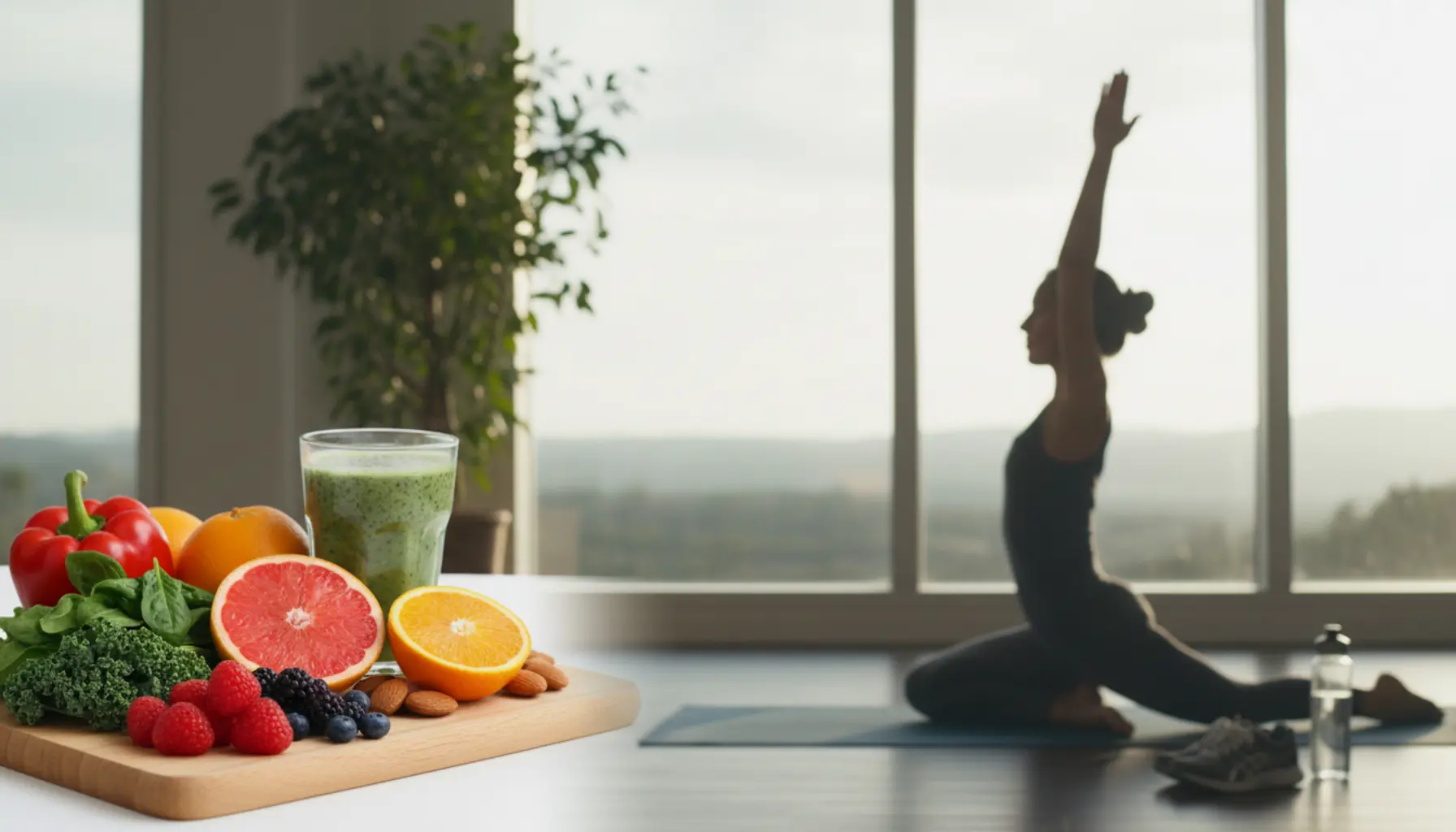
Physical activity plays a double role in the context of stress – on one hand, during intense exercise, production of free radicals increases; on the other hand, regular and moderate movement helps the body adapt by strengthening its antioxidant mechanisms. In practice, a sedentary lifestyle promotes chronic inflammation and weakens natural defense systems, while systematic activity acts as a “vaccine”: it temporarily increases antioxidant demand, then stimulates the body to produce more cell-protecting enzymes. With regular activity, there is an increase in the activity of enzymes such as superoxide dismutase (SOD), catalase, or glutathione peroxidase, which neutralize reactive oxygen species before they can damage cell membranes, DNA, or proteins. Moreover, physical activity improves circulation and tissue oxygenation, allowing nutrients and dietary antioxidants to be more efficiently transported to the cells, and metabolic by-products and toxins to be more efficiently removed. Movement also supports mitochondria – the body’s “powerhouses” – increasing both their number and energy efficiency, which results in less “overheating” of the system and more controlled free radical production. This is important not only for general well-being but also in the prevention of cardiovascular disease, insulin resistance, or neurodegenerative diseases, in which oxidative stress plays a significant role. Note that the key here is to properly choose workout intensity and frequency—too little movement won’t stimulate adaptation, but constant overtraining may paradoxically increase oxidative stress and inflammation. Moderate, regular activity combined with proper recovery and a balanced diet creates an environment conducive to cell regeneration and protection. In practice, this means combining different forms of exercise: aerobic activity (e.g., brisk walking, running, swimming, cycling), strength training, and stretching and restorative exercises such as yoga or Pilates, which further reduce muscle tension and emotional stress—one of the factors increasing oxidative stress.
When planning physical activity with oxidative stress reduction in mind, attention should be given to both the type and volume of exercise. Moderate-intensity aerobic training, performed 3–5 times a week for at least 30–45 minutes, is especially beneficial, as it gradually increases lung capacity and cardiovascular fitness without overburdening the nervous and hormonal systems. Studies show that such effort improves tissues’ insulin sensitivity, lowers “bad” LDL cholesterol, and raises HDL, thus reducing inflammatory and oxidative background in blood vessels. Strength training—done 2–3 times per week—increases muscle mass, which boosts resting metabolism and helps stabilize blood glucose, limiting sugar spikes that drive free radical production. Functional exercises, bodyweight workouts, or circuit training involve many muscle groups and improve coordination, while also being adjustable to your current fitness level, reducing the risk of overtraining. Conscious recovery planning is vital—sleep, lighter activity days, and relaxation techniques (diaphragmatic breathing, stretching, meditation) lower cortisol and adrenaline, which, in excess, also increase oxidative stress. Gradual progression of load is also crucial: beginners should start with short walks, simple home exercises, and light stretching, only then try interval training, longer runs, or intensive fitness classes. In the case of advanced exercise forms like HIIT or endurance sports, you should ensure your diet is rich in antioxidants (vegetables, berries, green leaves, nuts, healthy fats), stay hydrated, and possibly consult supplementation (e.g., vitamins C, E, coenzyme Q10) with a dietitian or doctor to support your body’s natural defense systems. Also, pay attention to everyday spontaneous activity—choose stairs over elevators, take short stretching breaks at work, cycle to work, or go for a walk after meals—these small habits help reduce time spent sitting and promote a more stable level of oxidative stress throughout the day.
Lifestyle changes to reduce oxidative stress
Lifestyle has a direct effect on oxidative stress levels – it can either intensify or effectively reduce them. The foundation is consciously limiting exposure to environmental factors that boost free radical production. Foremost is quitting smoking and e-cigarettes, which deliver massive amounts of free radicals with every puff, as well as reducing time in smoky, polluted rooms. Outdoors, monitor air quality news and on days of high particulate matter, limit outdoor physical activity, choose parks over busy streets, and consider anti-smog masks if needed. Protection from UV radiation is equally important, as it strongly increases oxidative stress in the skin; daily use of SPF 30–50 sunscreens, sunglasses, hats, and avoiding tanning beds help reduce cumulative photodamage. Also review home cleaning agents and cosmetics – choosing products with shorter ingredient lists, and without unnecessary fragrances or irritants, reduces exposure to compounds that can indirectly increase oxidative stress in the body. Another pillar of an oxidative-stress-reducing lifestyle is sleep hygiene. At night, processes of DNA repair, tissue regeneration, and “cleanup” of metabolic waste—including damaged proteins and lipids—become active. Going to bed and waking up at regular hours, aiming for 7–9 hours of sleep for adults, limiting blue light exposure from screens 1–2 hours before bed, and maintaining a cool, quiet, and dark sleeping environment are simple but effective tools for supporting the body’s antioxidant capacity. Chronic sleep deprivation increases stress hormones (cortisol, adrenaline), fosters inflammation, and dysregulates glucose, all of which promote greater free radical production and lower antioxidant enzyme activity. Maintaining healthy body weight also matters—excess fat, especially abdominal, acts as an active endocrine organ producing pro-inflammatory substances that intensify oxidative stress. On the other hand, restrictive, repetitive diets and the yo-yo effect are also metabolic stressors for the body. Gradual introduction of lasting habits is far preferable: regular meals, a predominance of unprocessed foods, appropriate protein, healthy fats and fiber intake, and proper hydration. Drinking mostly water, unsweetened herbal teas, or green tea (rich in antioxidative catechins) while limiting sweetened drinks and caffeine reduces the risk of blood sugar fluctuations and oxidative stress from hyperglycemia.
The role of psychological stress cannot be ignored—chronic emotional tension, hurry, workplace and life pressures cause long-lasting cortisol elevations, generating free radicals, weakening insulin action, and hindering recovery. Key is to include daily practices that downregulate the sympathetic nervous system and strengthen the so-called parasympathetic system responsible for “rest and digest.” This might be regular mindfulness meditation, simple breathing exercises (e.g., slow exhale, diaphragmatic breathing), yoga, tai chi, nature walks, or even just a few minutes of conscious stretching after work. Studies show that such techniques not only lower subjective stress but can also decrease markers of inflammation and oxidative stress in the body. Maintaining healthy social relationships is extremely important too—support from loved ones, a sense of belonging, and the ability to talk openly about difficulties make stress easier to bear, allowing the body to return to balance faster. Another key lifestyle factor reducing oxidative stress is time and rest management. Overwork, lack of breaks, bringing occupational duties home, and skipping vacations all favor chronic overload, which gradually weakens the body’s defenses. Time management techniques, setting priorities, defining professional boundaries, and learning to say no to extra tasks help avoid this vicious circle. Consider building in “permanent recovery points” in your calendar, such as a short walk during the day, a screen break every 60–90 minutes, and routine enjoyable activities—hobbies, nature, reading, music. Also, remember to approach alcohol responsibly: moderate wine intake is sometimes linked to benefits, but alcohol is a toxin, and its metabolism generates many free radicals and burdens the liver. The less frequent and smaller the doses, the less oxidative stress and greater the body’s regenerative ability. The same goes for medications and supplements—their overuse without medical guidance can additionally burden the liver and kidneys, so always consult a specialist. By combining these elements—protection from environmental toxins, attention to sleep, stable weight, psychological stress reduction, healthy relationships, work hygiene, and responsible use of substances—your lifestyle will support your body’s natural antioxidant systems and reinforce its self-repair capacity.
Practical tips and advice
Introducing changes that truly lower oxidative stress is much more effective when you base them on simple, repeatable habits, not one-off “enthusiasms.” Start in the kitchen: plan your plate using the ½–¼–¼ rule—half vegetables (preferably a mix of raw and cooked, in many colors), ¼ wholegrain carbohydrate source (buckwheat, quinoa, brown rice, wholemeal pasta), and the remaining ¼ high-quality protein (sea fish, pulses, lean meat, eggs). Try to include at least one strong antioxidant vegetable or fruit in every main meal: berries, raspberries, strawberries, pomegranate, broccoli, kale, spinach, beets, peppers, tomatoes, citrus. A good practice is the “rainbow” rule—eat foods in at least five different colors a day, as different vegetable pigments (carotenoids, anthocyanins, lycopene) neutralize different free radical types. Limit pro-oxidant sources: sweets, white bread, deep-fried foods, fast food, products with long ingredient lists—swap highly processed snacks for nuts, natural unsweetened yogurt, veggies with hummus. Watch your healthy fat intake: have 1–2 servings of nuts daily (walnuts, hazelnuts, almonds), seeds (pumpkin, sunflower), and add 1–2 tablespoons of extra virgin olive oil, linseed oil or cold-pressed rapeseed oil to salads. Choose gentle preparation methods: steaming, stewing, baking at lower temperatures, and brief sautéing with little oil—avoid burning and charring foods, as these compounds strongly increase oxidative stress. Plan your day to avoid strong hunger: eat 2–4 balanced meals at regular times, and if snacking is needed between meals, choose fruits, veggies, nuts rather than sweet bars or pastries. Stay hydrated—1.5–2 liters of fluids per day, mainly water, herbal teas (e.g., green tea, nettle, mint, chamomile), and fruit infusions; instead of another coffee, have a glass of water with lemon, and treat sugary drinks and energy drinks as an exception, not a daily habit. Learn to read food labels: the shorter the ingredients list, the better; avoid products with hydrogenated vegetable fats, glucose-fructose syrup, and lots of preservatives or colorants. If you often lack time to cook, pick one day a week to prepare base products: cook a bigger batch of grains, rice, legumes, roast vegetables, marinate meat or tofu—later, just combine ingredients and add fresh veggies, minimizing the temptation for fast food. Spices with antioxidant properties—turmeric (with black pepper), ginger, cinnamon, oregano, basil, rosemary—are supportive; use them daily, not only occasionally.
To ensure physical activity lowers and doesn’t raise oxidative stress, it should be regular and suited to your ability. If you live a sedentary lifestyle, start simple: daily 20–30 min brisk walks or slow cycling, plus twice a week a short strength workout with bodyweight (squats, lunges, wall push-ups, planks). Gradually increase exercise duration to 45–60 minutes and raise the intensity, but remember to schedule at least one lighter or rest day per week. Heart rate monitoring is useful—during most workouts, keep your heart at moderate intensity, when you can still talk easily (the “talk test”); save high-intensity workouts for later, once your body adapts and ups its antioxidant enzyme stores. Integrate “micro-movements” into the day: take stairs, get off a stop early and walk, take a 5-minute stretching break every hour at work. Simultaneously, focus on recovery—go to bed and wake at similar times, set aside 7–9 hours for sleep; limit phone and computer screens at night, and if you work late, consider blue light filters (night mode, filter glasses). Combine movement with relaxation techniques: 2–3 times a week in the evening, do 10–15 min of light stretching or yoga with conscious, slow breathing (e.g., the 4–6 technique: inhale through your nose for 4 seconds, exhale through your mouth for 6 seconds, for 5–10 minutes), which helps lower cortisol and speed cell regeneration. Limit exposure to tobacco smoke and pollution—if you smoke, seek professional help to quit (support groups, pharmacotherapy, psychological counseling), and if you live in a city with smog, invest in an air purifier for your bedroom and try to walk during lower pollution hours. Minimize unnecessary UV exposure: in summer, avoid sun between 11 a.m. and 3 p.m., use SPF 30–50 on exposed skin, wear UV-protection sunglasses and a hat; remember tanning beds also increase skin oxidative stress. Redefine your approach to alcohol: set clear rules, e.g., a maximum of 1–2 alcoholic servings per week, ideally with food, and opt for non-alcoholic alternatives on other days; plan social activities that don’t revolve around drinking (walks, bike rides, board games). Use a calendar or habit app—check off days when you managed a walk, exercised, ate a “rainbow” plate, drank the right amount of water; visual tracking is motivating. Finally, value relationships and mental rest: plan at least one screen-free, work-free evening a week for conversation with loved ones, hobbies, or time outdoors—lowering emotional stress directly reduces oxidative stress at the cellular level.
Summary
Oxidative stress is a process that can negatively affect our health. It is manifested by fatigue, reduced immunity, and other ailments. To reduce its impact, it is primarily recommended to follow a diet rich in antioxidants and regular physical activity. Fruits, vegetables, and appropriate supplements can significantly decrease oxidative stress levels. Making appropriate lifestyle changes, such as avoiding stimulants, regular sleep, and reducing stress may also be crucial. With the right approach, we can effectively protect the body from the harmful effects of free radicals.