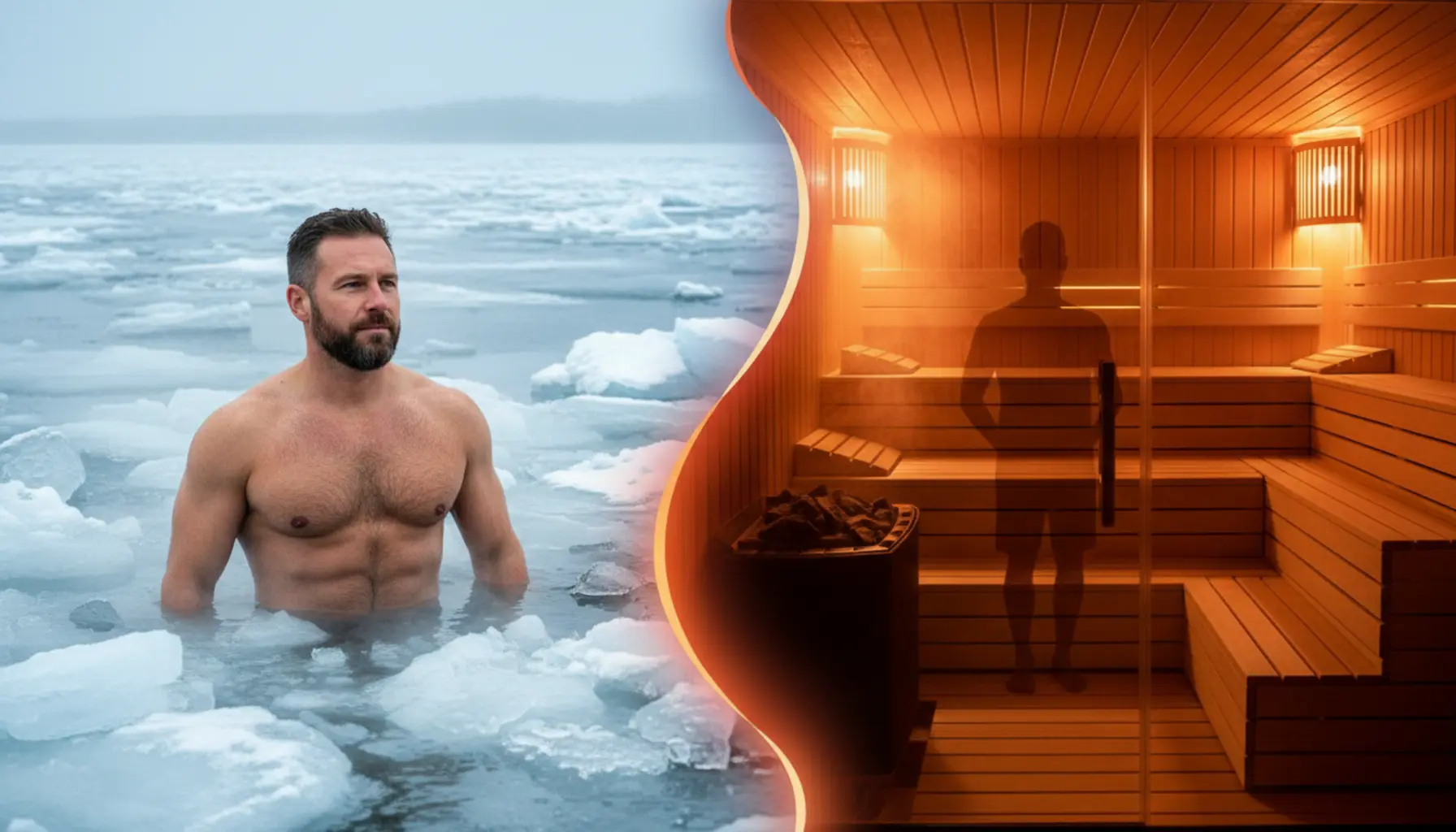
Sauna and cold showers are effective methods for improving health, immunity, and recovery. Discover the principles of thermotherapy, its physiological benefits, the most common mistakes, and experts’ recommendations to get the most out of heat and cold therapy.
Table of Contents
- Introduction to Thermotherapy: How Sauna and Cold Showers Work
- Physiological Benefits of the Sauna
- Benefits of Cold Exposure: Showers and Baths
- How to Use Sauna and Cold Showers Correctly
- Common Mistakes and How to Avoid Them
- Specialist Recommendations: Healthy Thermotherapy Habits
Introduction to Thermotherapy: How Sauna and Cold Showers Work
Thermotherapy is the conscious use of extreme temperatures—both heat and cold—to induce controlled stress in the body, triggering a range of adaptive responses that promote health and regeneration. Sauna and cold showers are the most popular and relatively easily accessible means of this method. While they may seem like opposites at first glance, they actually work on the same basic mechanism: they force the body to defend itself against temperature changes, thereby activating the circulatory system, nervous system, hormonal balance, and thermoregulatory processes. In a sauna, where the air temperature typically ranges from 70 to 100°C (depending on the type of sauna), the surface of the body heats up intensely, gradually raising internal temperature. The body responds by dilating blood vessels (vasodilation), increasing heart rate, and profuse sweating. As a result, blood flow through the skin and muscles increases, which improves oxygen delivery and removal of metabolic waste products. Sweating supports thermoregulatory mechanisms—sweat evaporates from the skin surface, removing excess heat and partially facilitating the elimination of certain metabolites. This is why many people feel deep muscle relaxation and a subjective “cleansing” of the body after visiting a sauna. At the same time, high temperature stimulates the sympathetic nervous system and influences the release of endorphins, which can improve mood and reduce pain perception. In the long run, regular sauna sessions work like a kind of workout for the cardiovascular system: the heart learns to pump blood more efficiently, and blood vessels become more responsive to temperature changes, resembling gentle physical exercise. There is also a short-term increase in core body temperature, similar to a mild artificial “fever,” which may support immune function by increasing the activity of certain defense cells. Thermal stress from heat is also referred to as a “hormetic” stimulus—a mild, brief stressor activates repair mechanisms that ultimately strengthen the body rather than harm it.
Cold showers work the opposite way in terms of stimulus, but are very similar in concept: sudden cooling of the skin strongly stimulates cold receptors and triggers a rapid defensive reaction in the body. Under cold water, blood vessels in the skin constrict sharply (vasoconstriction) to limit heat loss and maintain core temperature of internal organs. The heart accelerates, breathing may become faster or shallower, and the sympathetic nervous system releases adrenaline and noradrenaline into the bloodstream. This brief “hormonal storm” is felt as a sudden surge of energy, invigoration, and refreshment. When the cold shower ends and the body begins to warm up again, the blood vessels re-dilate, intensifying circulation and supporting tissue nourishment. This cycle of constriction and dilation acts as a kind of exercise for the circulatory system, improving the elasticity of blood vessel walls and their ability to respond quickly to environmental changes. From the perspective of the nervous system, cold showers are a strong but brief stressor that can affect the regulation of the hypothalamic-pituitary-adrenal (HPA) axis, and consequently—cortisol levels, stress resilience, and mood. Research suggests that regular exposure to cold may support mood improvement, and even alleviate symptoms of low mood, by its influence on dopaminergic and serotonergic systems. The key difference between sauna and cold shower, therefore, is the direction of the thermal stimulus, but the common ground remains controlled stress and bodily adaptation. This is why many thermotherapy protocols combine sauna sessions with brief, intense cool-downs—for example, cycling between a hot cabin and a cold shower. This temperature contrast enhances the vascular workout effect, sharpens nervous system reactions, and can increase the subjective sensation of refreshment and “reset” after a busy day. Understanding the basic mechanisms of sauna and cold shower allows you to use thermotherapy more consciously: adjusting exposure time, temperature, and frequency so that the stimulus is strong enough to provoke beneficial adaptation but controlled enough to avoid overloading the heart, nervous, or hormonal systems.
Physiological Benefits of the Sauna
The effects of sauna on the body begin within the first minutes of exposure to high temperature, when the body activates a whole set of thermoregulatory mechanisms. Under the influence of heat, blood vessels dilate (vasodilation), which increases blood flow through the skin, muscles, and internal organs. The heart works harder—the heart rate may resemble moderate physical exertion—which means “training” the circulatory system without burdening the joints. Regular sauna sessions promote improved vessel wall elasticity, which translates into better responsiveness to blood pressure and temperature variations. Enhanced tissue perfusion also supports cell oxygenation and speeds up the removal of metabolites such as lactic acid or inflammatory byproducts, which is particularly beneficial after intensive physical exercise. Intense sweating, which usually starts after a few minutes, serves not only to cool—the body removes some compounds produced in metabolic processes with sweat. Although the concept of “detox” is often overused, research shows that trace amounts of heavy metals and some chemicals can be eliminated through sweat, and the process itself improves the function of sweat glands and may support skin barrier function. High temperature also affects muscles and the locomotor system: muscles relax, become better supplied with blood, and soft tissue flexibility increases, which helps reduce muscle tension, joint stiffness, and subjective feelings of pain, especially in those with chronic musculoskeletal complaints.

The physiological benefits of sauna extend even deeper, to hormonal and immune regulation. Heat exposure acts as a controlled stressor that activates the sympathetic system and the hypothalamic-pituitary-adrenal (HPA) axis, causing a transient increase in cortisol, adrenaline, and noradrenaline, while also stimulating endorphin, serotonin, and dopamine release. This mix of neurotransmitters can explain mood improvement, reduction of subjective stress, and the sense of relaxation experienced after a sauna session. At the cellular level, heat stimulates the production of heat shock proteins (HSPs), which serve as “guardians” of cellular proteins—assisting in proper folding, repairing damaged structures, and protecting against oxidative stress. This effect may support long-term tissue protection, primarily for the cardiovascular and nervous systems. The immune system reacts to sauna sessions with increased levels of circulating leukocytes, including lymphocytes and neutrophils, as well as improved NK (natural killer) cell activity, partially explaining the observed lower frequency of respiratory infections in regular sauna users. Warm, humid air (in steam saunas) or dry, hot air (in Finnish saunas) also affects the respiratory mucous membranes, loosening and clearing secretions and improving nasal patency, which can be experienced as respiratory “clearing.” From a metabolic perspective, even though a sauna session does not substitute for exercise, the elevated heart rate and intense thermoregulation temporarily increase energy expenditure and may support tissue insulin sensitivity. Additionally, regular sauna use is associated with lower blood pressure and improved lipid profiles, which together translate into a reduced risk of cardiovascular incidents in populations where sauna is a constant lifestyle element. All these reactions—from vessel dilation and thermal regulation, through hormonal changes, to immune activation—paint a coherent picture: sauna constitutes a hygienically controlled, short-term stressor that, when properly dosed, promotes adaptive processes within the body, enhances its functional reserves, and may indirectly prolong physical and mental performance.
Benefits of Cold Exposure: Showers and Baths
Cold exposure in the form of showers and baths is one of the simplest and most accessible methods to modulate body functioning, which with regular use can provide a surprisingly wide spectrum of health benefits. Sudden contact with cool or cold water triggers the so-called cold shock response—a sudden reaction causing constriction of blood vessels in the skin and peripheral tissues, increased heart rate, and faster breathing. This short but intense stress teaches the body to regulate temperature better and streamlines adaptive mechanisms of the cardiovascular system. Over time, the blood vessels become more elastic, which promotes better circulation, and the body manages blood flow between the periphery and internal organs with greater efficiency. Additionally, cold activates thermal receptors in the skin, which send signals to the central nervous system; this, in turn, launches a hormonal cascade involving, among others, adrenaline, noradrenaline, and dopamine. Shortly after a cold shower, many people experience a surge of energy, improved concentration, and increased motivation—this is due to catecholamine activity, which boosts alertness and arousal without the need for caffeine. Cold exposure may also favorably affect cortisol regulation: while levels may initially rise, in the long term the body learns to suppress the stress response more quickly, resulting in more stable moods throughout the day. For many, a regular cold shower becomes a natural tool to build mental discipline—stepping into cold water despite initial resistance boosts discomfort tolerance, teaches calm breathing under stress, and helps overcome procrastination, which also leads to greater confidence outside the bathroom.
The benefits of cold exposure go far beyond a short-term boost in energy. Studies indicate that regular cold showers and baths can support natural immunity by positively affecting circulation, lymphatic flow, and the activity of immune cells. Peripheral vessel constriction, followed by their re-expansion after leaving cold water, acts like a pump, enhancing the transport of oxygen, nutrients, and immune cells. Those who use cold regularly often experience milder seasonal infections and shorter recovery times, which could be tied to inflammation modulation and positive effects on proteins responsible for immune response. Cold also impacts the body’s energy management, particularly by activating brown adipose tissue, which “burns” energy to produce heat. Regular cold stimuli may therefore support metabolism and weight management, though they should not be viewed as a miracle weight-loss solution but rather an addition to a healthy diet and physical activity. In terms of muscle recovery and joint regeneration, cold showers and baths—especially short cold-water baths after intense exercise—help reduce swelling, the feeling of “heavy” legs, and microinflammations resulting from training. This may translate into faster recovery and lower risk of overtraining. There’s also a dermatological aspect: cool water seals the hydrolipid barrier of the skin, can limit irritation, redness, and excessive sebum, which is beneficial for people with acne-prone skin, large pores, or flushing. Hair rinsed in cool water often becomes shinier and less prone to breakage, as the hair cuticles close under low temperature. For all these benefits, it is wise, however, to introduce cold gradually: start with a short, tens-of-seconds-long cold finish to your regular shower, avoid holding your breath, focus on calm, rhythmic breathing, and observe your body’s reaction. People with heart disease, hypertension, vascular conditions, or advanced neurological problems must consult a doctor beforehand—sudden body cooling is a strong stimulus, generally beneficial to most healthy people but potentially burdensome in some cases. In everyday life, moderate, regular cold stimuli—like alternating warm-cold showers or brief limb dips in cool water—allow you to safely harness thermotherapy’s potential, improving circulation, mental well-being, and overall resistance to physical and emotional stress.
How to Use Sauna and Cold Showers Correctly
Safe and effective use of the sauna and cold showers requires an informed approach to time, temperature, and the sequence of each stage. For sauna, proper body preparation is key: about 1–2 hours before entering, it’s best to eat a light meal and ensure you’re hydrated, but avoid drinking large amounts of fluids right before the session. Take a short, warm shower and dry yourself thoroughly before entering, as dry skin sweats more evenly and the body warms up faster. In a dry sauna, the standard temperature range is 80–100°C on the upper benches, but beginners should choose lower levels where it’s milder (60–80°C). The first session should not exceed 8–10 minutes, and the total sauna time for most healthy adults generally should not exceed 15 minutes per cycle. In practice, 2–3 cycles are used: warming up in the sauna, cooling down, and resting. While in the sauna, breathe calmly through your nose, avoid rapid movements, and listen to your body’s signals—if you experience dizziness, nausea, heart palpitations, or strong weakness, leave the room immediately. After each sauna session, it’s time to cool down—in Nordic countries, cold water, snow, or barrels with cold baths are traditional; for most people, a cool shower is sufficient. Start with the feet and limbs, gradually moving the water stream towards the torso. It’s important not to overcool—cold water should be distinctly cool but not necessarily icy, especially at first. After cooling, spend a few minutes resting sitting or lying down, allowing your heart rate and breathing to return to normal. The whole sauna–cool down–rest cycle can be repeated 2–3 times, then rehydrate with water or isotonic drinks and eat a light meal. Alcohol should be avoided both before and after sauna, as it further strains circulation and disrupts body temperature regulation. Proper hygiene is also crucial—a towel on the bench, sandals, shower afterwards, and avoiding sauna use during infections, fevers, or chronic illness flare-ups. People with hypertension, coronary artery disease, arrhythmias, pregnant women, or those in the postpartum period should consult a doctor about regular use, and otherwise reduce exposure time and avoid the highest temperatures.
For cold showers, the main rule is gradual adaptation and regularity, not heroic attempts to endure the lowest temperature from day one. The easiest way to start is by ending your standard warm shower with a brief period of cooling: 20–30 seconds of cool water on the lower and upper limbs, omitting the head and chest. Over time, as your body adapts, increase exposure by 10–20 seconds every few days, up to 2–3 minutes, covering the whole body while maintaining calm, rhythmic breathing. Optimal frequency for most people is 4–7 times per week, with the option to combine cold showers on training days to support recovery. Use the “cascade” method during the shower: start with feet and calves, then thighs, arms, shoulders, back, and only finally stomach and chest; if it doesn’t cause strong discomfort, you can wet your head at the very end. The body’s reaction to cold—faster breathing, chills, muscle tension—is natural, but the goal is gradual adaptation, not fighting it by holding your breath or tensing up. People who use alternating thermotherapy (sauna plus cold shower) should ensure the cold stimulus comes directly after the sauna when the body is very warm—the temperature difference enhances vascular training, but shouldn’t be pushed to extremes; consistency in cycles matters more than extremely icy water. Very cold showers should also be avoided directly after a late, intense evening workout if sleep quality is a priority—in this situation, moderately cool water is better. Special caution is required for those with uncontrolled hypertension, coronary artery disease, post-heart attack, arrhythmias, or migraines—rapid cooling may provoke unwanted reactions, so medical consultation is advised and start with short, gently cool showers. Regardless of health status, stop if you experience chest pain, vision disturbances, numbness of limbs, severe headache, or prolonged chills after the shower ends. Properly planned practice—short, regular, respecting your own limits—allows full use of both sauna and cold showers while minimizing the risk of typical mistakes from excessive ambition or lack of gradual adaptation.
Common Mistakes and How to Avoid Them
Thermotherapy may seem simple—go into the sauna, take a cold shower, repeat—but in practice, many people fall into patterns that reduce the health benefits and sometimes even increase risk. One of the most common mistakes is rushing into extreme temperatures without an adaptation period. Beginners often choose the hottest benches, too high temperatures, and overly long initial sessions, which may cause dizziness, severe weakness, heart palpitations, or a strong drop in blood pressure. For cold showers, a frequent mistake is the “heroic start”, diving directly under icy water for more than 30–60 seconds, causing a strong cold shock response, involuntary breath holding, hyperventilation, and in sensitive individuals—even risk of fainting. To avoid this, always start with a milder stimulus: lower sauna temperature, shorter sessions, lower benches, and for cold—use cool, not icy water, directing it from feet up towards the torso, only at the end onto the chest and neck. Another repeated habit is ignoring the body’s warning signs in the name of “hardening” or proving your endurance. Red flags—like chest pain, head pressure, visual disturbances, nausea, panic under a cold shower, or sudden chills after the sauna—signal you should stop immediately, not push for additional minutes. Instead of following ambition or group pressure (a common mistake in public saunas or cold water gatherings), it’s better to adopt a gradual progression: increase exposure time by 1–2 minutes per week, watch your heart rate and well-being, and set the intensity according to your current condition, stress levels, and health.
A very typical mistake is neglecting hydration and electrolytes, especially with longer or frequent sauna sessions. Intense sweating can lead to dehydration, low blood pressure, headaches, and feelings of “breakdown” the next day, which many misinterpret as “detox.” In reality, it’s often a consequence of fluid and mineral deficit. To prevent this, ensure good hydration before entering the sauna (a glass of water 30–60 minutes earlier), avoid alcohol and heavy, salty meals right before the session, and replenish fluids in small portions between cycles and after heat treatments. For people who sweat heavily or use saunas frequently, it may help to use electrolyte drinks or add a pinch of salt to water occasionally, as long as there are no health contraindications. Another group of mistakes is associated with poor eating and drinking habits—using the sauna directly after a heavy, fatty meal burdens circulation and digestion, while entering the sauna or taking a cold shower after drinking significantly increases the risk of dangerous circulatory disorders, dehydration, or loss of consciousness. Allow at least 1.5–2 hours after a large meal, and completely avoid alcohol on days with planned thermotherapy sessions. Just as important is ignoring health contraindications and failing to consult a doctor. People with unstable hypertension, advanced heart disease, heart failure, unregulated arrhythmias, severe kidney disease, acute infections, and women in late pregnancy should avoid sauna or only use it after a doctor’s approval. Similarly with cold exposure—sudden strong stimuli may be problematic for those with Raynaud’s disease, certain cardiovascular issues, or uncontrolled thyroid conditions. Other frequent mistakes include: too short a cooling phase after sauna (or skipping it entirely), using the sauna as a “quick weight-loss method,” excessive layering of methods (sauna, cold shower, cold plunging, intense training in one day), and neglecting hygiene and respect for shared spaces. To avoid these issues, stick to a simple plan: moderate sessions 2–3 times a week, clear distinction between warming and cooling phases, gradual increase in intensity, regular hydration, and conscious self-observation rather than blindly copying others.
Specialist Recommendations: Healthy Thermotherapy Habits
Sports medicine, cardiology, and physiotherapy specialists agree: thermotherapy can be a valuable part of your lifestyle if used systematically, respecting individual limits and contraindications. Experts especially recommend building a habit, not occasional intense “marathons” in the sauna or extreme cold water challenges. For most healthy adults, a safe starting point is 2–3 thermotherapy sessions per week, including 1–2 sauna visits and short, regular cold or cool shower endings on non-sauna days. Doctors emphasize three pillars: gradualness, individualization, and proper recovery after thermal stimulus. Gradualness means the first sauna visits should not exceed 8–10 minutes in moderate dry heat (approx. 60–80°C), with one or two cycles per session, and only increase time and temperature after a few weeks of good tolerance. For cold showers, specialists advise starting with 15–30 seconds of lukewarm, and only later cooler water, first directed at the feet and calves—not immediately on the chest or neck where vessel spasm may strain the heart. Individualization means tailoring the plan to age, fitness, stress levels, and coexisting illnesses—recommendations will differ for a young, active athlete and for someone over 60 with hypertension or mild heart failure. Increasingly, experts highlight the importance of “session hygiene”: not using sauna after alcohol, avoiding heavy meals for 1.5–2 hours beforehand, and hydrating before and after (usually 0.5–1 L water or isotonic drink throughout the session depending on body mass and sweat rate). Professionals note that a well-conducted thermotherapy session has three stages: warming up (sauna or warm shower), cooling down (shower, plunge tub, walk in fresh air), and relaxation at room temperature, with winding down and a break from screens. Skipping the relaxation phase is one of the most common mistakes—the body doesn’t get to “rebalance,” and thermal stress may accumulate instead of providing regeneration.
Specialists also recommend several practical daily habits to help you benefit from thermotherapy without overburdening your body. First, it’s worth linking heat and cold sessions with the daily rhythm—sauna works best in the afternoon or evening, 2–3 hours before bedtime, promoting muscle relaxation and improving sleep quality, while short cold showers are best used in the morning or first half of the day, when nervous system stimulation helps wake you up and heighten concentration. Second, breathing and psychophysiology experts stress the value of calm, controlled breathing—both in the sauna and during cold showers. High tension and breath holding exacerbate stress, while slow exhalation, diaphragmatic breathing, and consciously relaxing the shoulders help you adapt to the thermal stimulus faster. Third, doctors recommend regularly monitoring body reactions: measuring resting heart rate, observing sleep quality, fatigue levels, and psychological well-being. If you experience chronic fatigue, irritability, palpitations, or declining fitness, this may signal excessive intensity or frequency and the need for a break. In at-risk groups—those with hypertension, coronary artery disease, arrhythmias, heart failure, active autoimmune diseases, or pregnant women—experts clearly recommend consulting your primary physician before starting any sauna or cold bath program. Some specialists also suggest keeping a brief session diary noting time, temperature, pre- and post-session well-being—this helps you find your own optimum “window” of benefits and spot signs of overload early. Finally, current effort physiology guidelines state that thermotherapy should support—not replace—movement: ideally, combine it with regular moderate physical activity, a healthy diet, and attention to sleep. Only then do heat and cold become part of a coherent, health-promoting lifestyle, not a one-off “hack” your body must recover from.
Summary
Thermotherapy—using sauna and cold showers—offers diverse health benefits, including improved circulation and enhanced immunity. The key to positive results is properly following thermotherapy rules and avoiding typical mistakes such as sudden temperature changes. Adhering to specialists’ recommendations, such as those from physiotherapists, can increase the effectiveness and safety of the practice. Incorporating sauna and cold showers into your daily routine can significantly improve quality of life and well-being.